Are you wondering how many sets you should do for the dumbbell press to get the best results? Whether you want to build muscle, increase strength, or tone your chest, the number of sets you choose can make a big difference.
Doing too few might slow your progress, while too many could lead to burnout. You’ll discover the ideal sets for your goals, how to adjust them for your fitness level, and tips to maximize every rep. Keep reading to unlock the secret to a stronger, more defined chest—tailored just for you.
Benefits Of Dumbbell Press
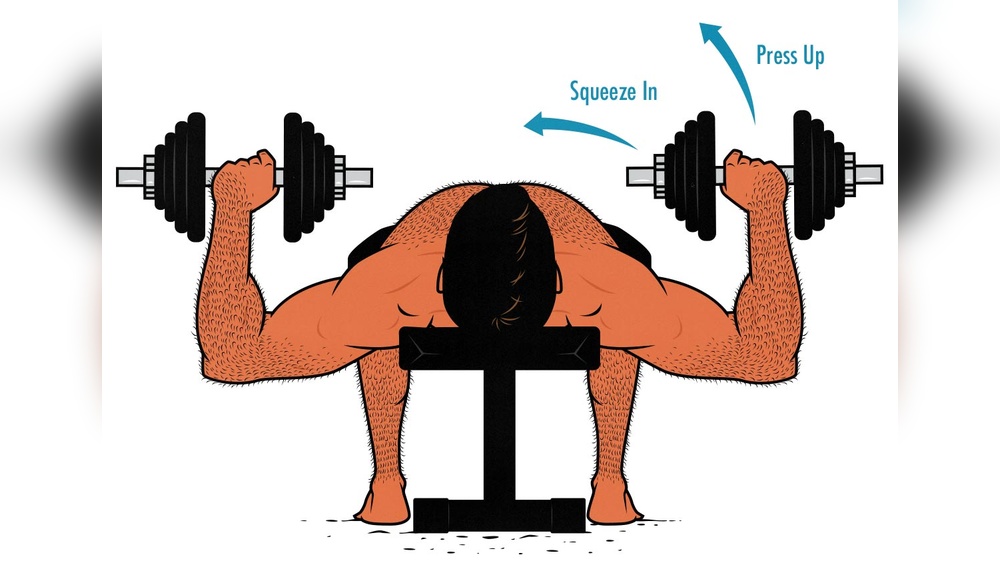
The dumbbell press is a popular exercise for building upper body strength. It targets the chest, shoulders, and triceps. Using dumbbells allows a greater range of motion than a barbell. This helps improve muscle balance and coordination.
This exercise also engages stabilizer muscles to control the weights. It improves muscle symmetry by working each side independently. Dumbbell presses can reduce the risk of injury by promoting natural movement.
Builds Chest Strength
Dumbbell presses focus on the pectoral muscles. They help increase chest size and strength. The movement pushes the muscles to work hard for growth. Stronger chest muscles improve overall upper body power.
Enhances Shoulder Stability
Pressing dumbbells requires shoulder control and balance. This strengthens the shoulder stabilizer muscles. Improved stability reduces shoulder pain and injury risk. It also helps with other pressing movements.
Improves Muscle Balance
Each arm works separately in dumbbell presses. This stops one side from dominating the other. Balanced muscles help prevent injuries and improve posture. It also leads to better overall strength.
Increases Range Of Motion
Dumbbells allow a deeper stretch than barbells. This increases the range of motion in the shoulders and chest. Greater range improves muscle flexibility and growth. It also helps with joint health and mobility.
Engages Core Muscles
Keeping balance with dumbbells activates the core. This strengthens the abs and lower back muscles. A strong core supports better posture and stability. It also helps with other lifts and daily activities.
Credit: builtwithscience.com
Optimal Set Range
The optimal set range for the dumbbell press depends on your fitness goals. Choosing the right number of sets can improve strength and muscle growth. It also helps avoid overtraining and injury. Understanding the best set range helps you plan workouts better.
Low Vs High Sets
Low sets usually mean 1 to 3 sets per exercise. This range suits beginners or those focusing on strength. It allows enough work without too much fatigue. High sets range from 4 to 6 or more. This is common for muscle growth or endurance training. More sets increase training volume but need more recovery.
Research On Muscle Growth
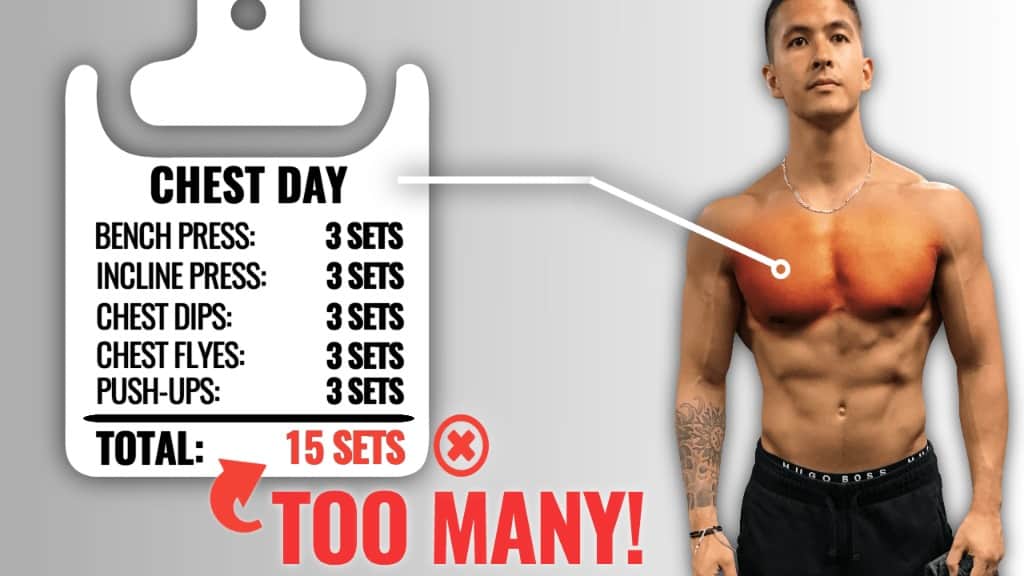
Studies show muscle growth improves with more sets up to a point. Most research suggests 3 to 5 sets per exercise work best. This range balances volume and recovery well. Doing too few sets might limit gains. Too many sets can cause fatigue and reduce progress. Quality over quantity matters in muscle building.
Training Frequency
Training frequency means how often you do dumbbell press workouts. It affects your muscle growth and strength gains. Choosing the right frequency helps you train hard and recover well. Your goal, fitness level, and time all matter.
Daily Vs Weekly Sessions
Training dumbbell press daily is possible but needs care. Short sessions with low sets work best here. This approach helps keep muscles active without too much strain.
Weekly sessions allow more sets in one workout. You push muscles harder but then rest longer. This method suits those with busy schedules or who need full recovery.
Both styles can build muscle. Choose what fits your lifestyle and how your body feels.
Balancing Volume And Recovery
Volume means how many sets and reps you do. High volume can speed muscle growth but needs more rest. Low volume is easier to recover from but may slow progress.
Recovery means giving muscles time to heal and grow. Without enough rest, muscles stay tired and weak. Pain and injury risk rise.
Balance your volume with enough recovery days. Listen to your body. Adjust sets or frequency if you feel too sore or tired.
Intensity And Rep Range
Intensity and rep range are key factors in planning your dumbbell press sets. They affect how your muscles grow and how strong you get. Adjusting these can change your workout results.
Heavy Vs Moderate Loads
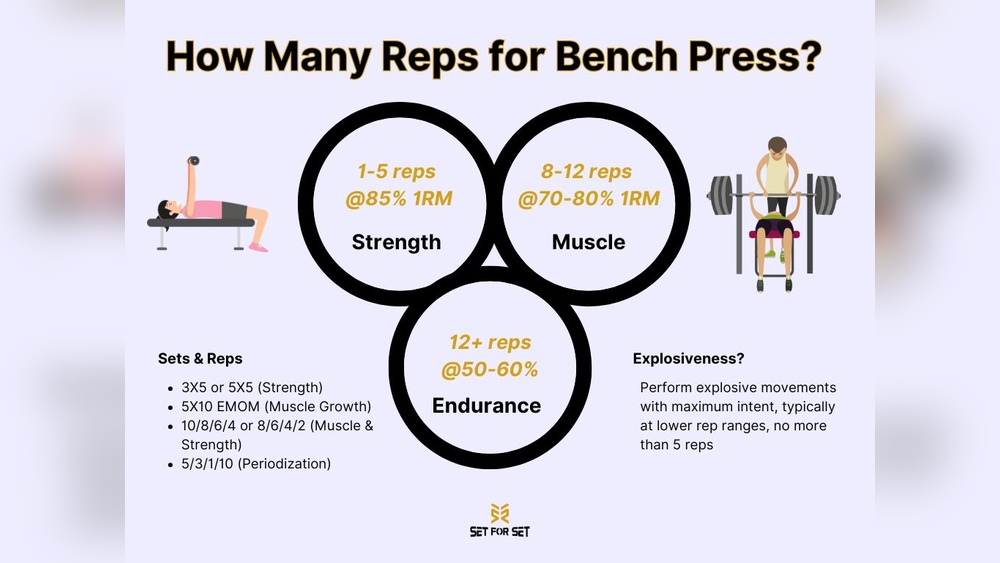
Heavy loads mean using weights that challenge you in 4 to 6 reps. This builds strength fast but can tire you quickly. Moderate loads use lighter weights for 8 to 12 reps. This helps increase muscle size and endurance.
Impact On Muscle Hypertrophy
Moderate loads with more reps promote muscle growth better. They cause more muscle damage and fatigue. Heavy loads build strength but may not grow muscles as much. Mixing both can improve size and strength together.
Progressive Overload Techniques
Progressive overload is key to building strength and muscle with dumbbell presses. It means gradually making your workouts harder. This helps your muscles grow and adapt. Without increasing the challenge, progress can stall. There are simple ways to apply progressive overload. These methods help you improve safely and effectively.
Increasing Sets Over Time
One way to add difficulty is by increasing sets. Start with two or three sets per workout. Over weeks, add one more set. This slowly raises the total work your muscles do. It also helps improve endurance and strength. Do not increase sets too fast. Give your body time to recover and adapt.
Adjusting Weight And Reps
Another way is changing the weight or reps. You can raise the dumbbell weight while keeping reps the same. Or, keep weight steady and do more reps. For example, if you do 10 reps with 15-pound dumbbells, try 12 reps next time. Or switch to 20-pound dumbbells for 10 reps. Both methods push your muscles to work harder.

Credit: www.vbafitness.com
Common Mistakes
Many people make mistakes when deciding how many sets to do for dumbbell press. These errors can slow progress or cause injury. Knowing common mistakes helps you avoid setbacks and train smarter. Focus on quality, not just quantity.
Overtraining Risks
Doing too many sets can lead to overtraining. Muscles need time to repair and grow. Overtraining causes fatigue and lowers strength. It also increases the chance of injury. Sticking to a balanced number of sets keeps muscles healthy and strong.
Ignoring Recovery
Skipping rest days harms muscle growth. Recovery allows muscles to rebuild after training. Without enough rest, performance drops and soreness stays longer. Recovery is as important as the workout itself. Plan rest days to let your body heal and improve.
Sample Dumbbell Press Workouts
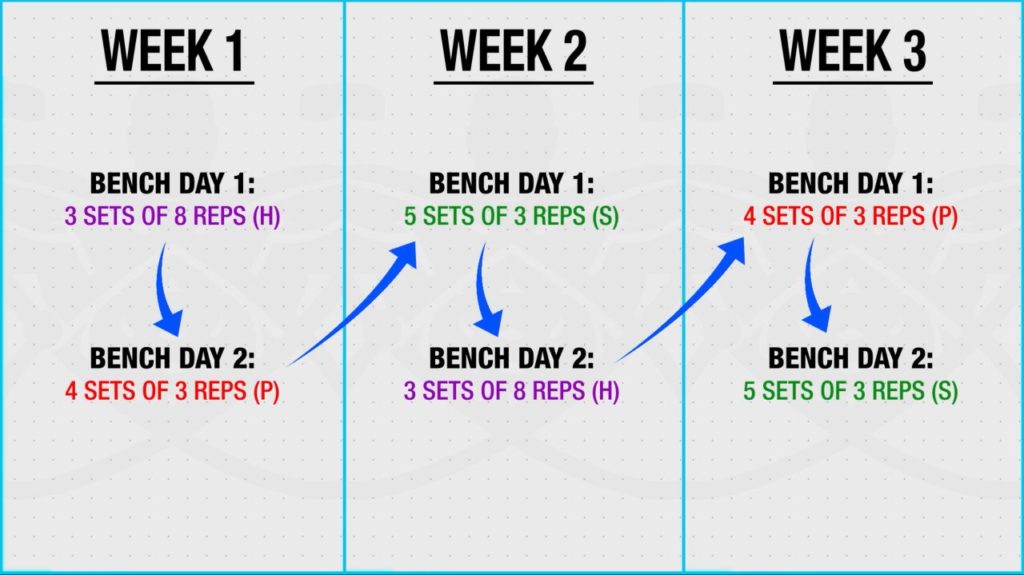
Sample dumbbell press workouts guide you through sets and reps. Each routine fits different skill levels. Choose one that matches your strength and goals.
Start with lighter weights to learn form. Increase weight and sets as you grow stronger. Consistency helps build muscle and improve endurance.
Beginner Routine
Perform 3 sets of 10 reps with light dumbbells. Rest for 60 seconds between sets. Focus on slow, controlled movements to avoid injury.
Use moderate weight that challenges you but allows good form. Train two to three times per week for best results.
Intermediate Routine
Do 4 sets of 8-12 reps with moderate dumbbells. Rest for 45-60 seconds between sets. Increase weight slightly to push your limits.
Incorporate variations like incline or decline dumbbell presses. Train three to four times per week for steady progress.
Advanced Routine
Complete 5 sets of 6-10 reps with heavy dumbbells. Rest 30-45 seconds between sets. Focus on explosive strength and tight control.
Mix in drop sets or supersets for greater intensity. Train four to five times per week, allowing recovery days.
Credit: builtwithscience.com
Frequently Asked Questions
How Many Sets Are Ideal For Dumbbell Press?
For beginners, 3 to 4 sets of 8 to 12 reps work best. Advanced lifters can do 4 to 5 sets. Adjust based on your fitness goals and recovery ability to maximize muscle growth and strength.
How Often Should I Do Dumbbell Press Sets Weekly?
Perform dumbbell presses 2 to 3 times per week. This frequency allows muscle recovery and growth. Avoid overtraining by spacing sessions 48 hours apart for optimal results.
Should I Increase Sets To Build More Muscle?
Yes, increasing sets can boost muscle growth. Gradually add 1 to 2 sets while maintaining good form. Balance volume with recovery to prevent injury and improve strength gains.
How Many Reps Per Set For Dumbbell Press?
Aim for 8 to 12 reps per set for muscle hypertrophy. Lower reps (4-6) focus on strength, while higher reps (15-20) improve endurance. Choose reps based on your training goal.
Conclusion
Choosing the right number of sets for dumbbell press matters. Aim for 3 to 4 sets to build strength effectively. Rest well between sets to avoid injury. Adjust sets based on your fitness level and goals. Consistency beats doing too much at once.
Keep your form correct for the best results. Listen to your body and progress gradually. This approach helps you stay strong and avoid burnout. Simple steps lead to steady improvement. Keep lifting, stay patient, and enjoy the process.