Are you thinking about getting dumbbells but unsure how much they weigh? Knowing the right weight is key to building strength without risking injury.
Whether you’re just starting out or looking to upgrade your set, understanding dumbbell weights can make a big difference in your workout results. You’ll discover exactly how much dumbbell weights come in and how to choose the perfect ones for your fitness goals.
Keep reading to find out what suits your needs best and take your training to the next level.

Credit: garagegymlab.com
Dumbbell Weight Options
Dumbbell weight options vary widely to suit different fitness needs. Choosing the right type helps improve workouts and comfort. Understanding the main choices makes buying easier. Explore standard and adjustable weights, common weight ranges, and material types. Each factor affects cost, use, and durability.
Standard Vs Adjustable Weights
Standard dumbbells have a fixed weight. They come as a single piece. Adjustable dumbbells let you add or remove weight plates. This offers more flexibility in one set. Standard weights are simple and durable. Adjustable ones save space and money over time. Both types serve different workout styles.
Common Weight Ranges
Dumbbells range from very light to heavy. Beginners often start with 1 to 10 pounds. Intermediate users may use 10 to 30 pounds. Heavyweights go up to 50 pounds or more. Some adjustable sets reach 100 pounds. The right weight depends on your strength and goals. Start light and increase as you progress.
Material Types And Impact On Weight
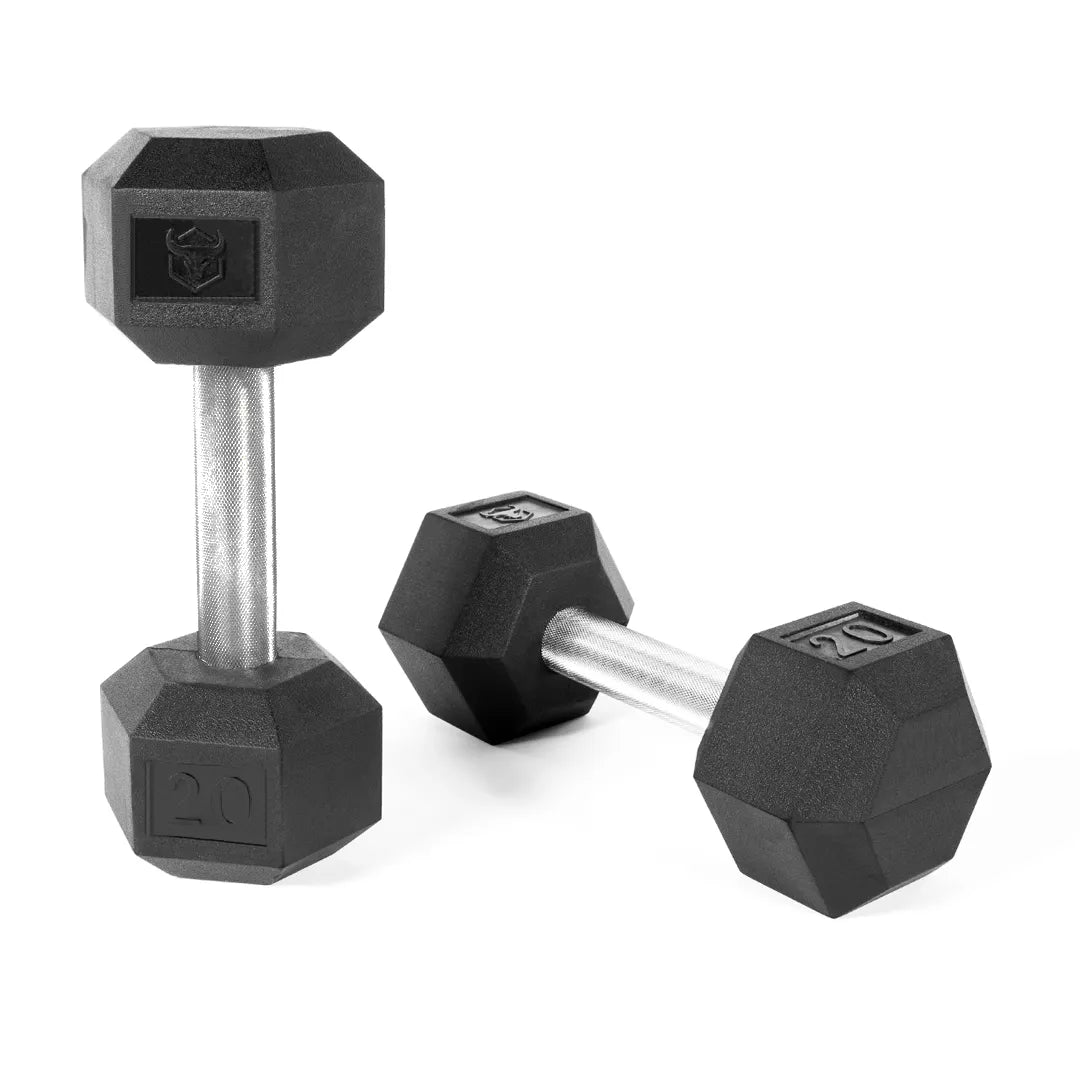
Dumbbells are made from various materials. Cast iron is common and very durable. Rubber-coated dumbbells protect floors and reduce noise. Neoprene dumbbells offer a soft, comfortable grip. Steel dumbbells often have a sleek, modern look. Material affects the dumbbell’s weight and feel. Choose material based on your workout space and comfort needs.
Price Factors
Understanding the factors that affect dumbbell prices helps you make smart choices. Prices vary based on several key elements. These factors influence quality, durability, and overall value. Knowing them helps you find dumbbells that fit your budget and needs.
Brand And Quality Influence
Brands with strong reputations often charge more. They invest in better design and testing. Quality dumbbells last longer and feel better in hand. Cheaper brands may use less precise manufacturing. This can lead to uneven weights or faster wear.
Material And Durability
Materials impact both cost and lifespan. Cast iron dumbbells are common and affordable. Rubber-coated dumbbells cost more but protect floors and reduce noise. Steel dumbbells offer higher durability but come at a premium price. Durable materials ensure your dumbbells stay in good shape.
Set Vs Single Dumbbells
Buying a set often lowers the price per dumbbell. Sets give a range of weights for different exercises. Single dumbbells allow you to pick exact weights. They can be more expensive per piece. Choose based on your workout style and budget.
Where To Buy For Best Deals
Prices differ across stores and websites. Online shops usually have competitive prices and discounts. Local sports stores let you test dumbbells before buying. Check multiple sellers to find the best price. Seasonal sales and promotions also offer savings.
Cost Breakdown By Weight
Understanding the cost of dumbbells helps in planning your fitness budget. Prices vary based on weight and material. This section breaks down the cost by weight categories.
Lightweights: Under 10 Lbs
Lightweight dumbbells usually cost less. These are perfect for beginners and rehab exercises. You can find pairs priced between $10 and $30. Plastic-coated or neoprene options are common and affordable. They are easy to carry and store.
Medium Range: 10 To 30 Lbs
Medium-weight dumbbells suit most home workouts. Expect to pay between $30 and $70 per pair. Materials include cast iron or rubber-coated metal. These weights balance cost and durability well. They offer more workout options than lightweights.
Heavyweights: Above 30 Lbs
Heavy dumbbells cost more due to their size and material. Prices range from $70 to over $150 per pair. Cast iron or steel is the typical material. These weights are for advanced strength training. They require good storage space and handling care.

Credit: www.youtube.com
Benefits Of Different Weights
Dumbbells come in different weights, each with unique benefits. Choosing the right weight helps reach specific fitness goals. Using various weights can improve your workout routine and overall health.
Light Weights For Endurance
Light dumbbells help build muscle endurance. You lift them for many repetitions without tiring quickly. This improves stamina and keeps muscles active longer. It also helps with joint health and coordination.
Moderate Weights For Muscle Building
Moderate weights are great for muscle growth. They challenge muscles enough to cause small tears, which then grow back stronger. This weight range is perfect for beginners and those improving strength steadily.
Heavy Weights For Strength Training
Heavy dumbbells develop maximum strength. They require fewer reps but more effort per lift. Using heavy weights increases muscle power and boosts metabolism. It is ideal for advanced lifters aiming for serious gains.
Choosing The Right Dumbbell Weight
Choosing the right dumbbell weight is key for safe and effective workouts. The correct weight helps build strength without causing injury. It also keeps you motivated and improves your exercise routine.
Many factors affect the best dumbbell weight for you. These include your current fitness level, training goals, and how you plan to progress. Taking time to choose wisely makes your fitness journey better.
Assessing Your Fitness Level
Start by understanding your current strength and endurance. Test with lighter weights to see what feels comfortable. Avoid weights that cause pain or strain. Choose weights you can lift with good form for 10-15 reps.
Remember, beginners should start lighter to prevent injury. More experienced users can try heavier weights. This helps you find a balance between challenge and safety.
Setting Training Goals
Define what you want to achieve with dumbbell exercises. For muscle tone, use lighter weights and more repetitions. For muscle growth, choose heavier weights with fewer reps. For endurance, pick weights that allow many reps without fatigue.
Clear goals guide your weight selection. They keep your workouts focused and effective. Adjust your dumbbell weight as your goals change.
Progression Strategies
Increase dumbbell weight gradually to avoid injury. Add small weight increments every few weeks. Track your progress to know when to increase weight. Use good form at all times to get the best results.
Progressive overload helps muscles grow stronger. It also improves endurance and overall fitness. Patience and consistency are key to successful progression.
Maintenance And Longevity
Maintaining dumbbell weights helps them last longer and stay safe to use. Proper care keeps the metal from rusting and the grips from wearing out. This section explains how to care for dumbbells and when to replace them.
Caring For Dumbbells
Wipe dumbbells after each use to remove sweat and dirt. Use a dry cloth to avoid moisture buildup. Store them in a dry place away from direct sunlight. Check the handles and plates regularly for damage. Tighten any loose parts to keep weights secure. Avoid dropping dumbbells on hard floors to prevent cracks.
When To Replace Weights
Replace dumbbells if the metal is cracked or heavily rusted. Worn grips that slip can cause injuries and need replacement. If weights no longer lock tightly, they become unsafe. Old dumbbells that wobble or make noise may be damaged. Replace weights to maintain workout safety and effectiveness.
Credit: ca.ironbullstrength.com
Frequently Asked Questions
What Are The Common Dumbbell Weight Ranges?
Dumbbell weights typically range from 1 to 100 pounds. Beginners often start with 5 to 15 pounds. Adjustable dumbbells offer flexibility with multiple weight settings.
How Much Do Standard Dumbbells Weigh?
Standard dumbbells usually weigh between 2 and 50 pounds. The exact weight depends on material and design. They suit most home and gym workouts.
How To Choose The Right Dumbbell Weight?
Choose dumbbell weight based on your fitness level and exercise type. Start light to avoid injury, then gradually increase. Proper weight ensures effective muscle training.
Are Heavier Dumbbells Better For Muscle Growth?
Heavier dumbbells can promote muscle growth if used correctly. Progressive overload with proper form is key. Balance weight and reps for best results.
Conclusion
Dumbbell weights come in many sizes and prices. Choosing the right weight depends on your strength and goals. Start with lighter weights to avoid injury. You can increase weight as you get stronger. Adjustable dumbbells save space and money. Fixed weights are simple and durable.
Remember, consistency matters more than heavy weights. Use dumbbells regularly for better results. Keep your workouts safe and steady. Enjoy your fitness journey with the right dumbbells.