Have you ever wondered how much you can dumbbell bench press? Whether you’re just starting out or looking to break through a plateau, knowing your limits is key to building strength and avoiding injury.
This article will help you discover what factors affect your dumbbell bench press numbers and how you can safely increase your weight. Ready to find out how strong you really are? Keep reading, because your next personal best might be closer than you think.

Credit: www.youtube.com
Factors Affecting Dumbbell Bench Press
Many factors affect how much you can dumbbell bench press. Strength varies from person to person. These differences come from body type, experience, and equipment. Understanding these helps set realistic goals. It also guides training for better results.
Body Weight And Muscle Mass
Body weight impacts your pressing power. Heavier individuals often lift more due to larger muscle size. Muscle mass in the chest, shoulders, and arms is key. More muscle means more strength and endurance. Fat mass does not help pressing strength.
Training Experience
Beginners usually start with lighter weights. Their muscles and nerves adapt over time. Experienced lifters can press heavier dumbbells. Practice builds strength and confidence. Consistent training leads to steady progress.
Technique And Form
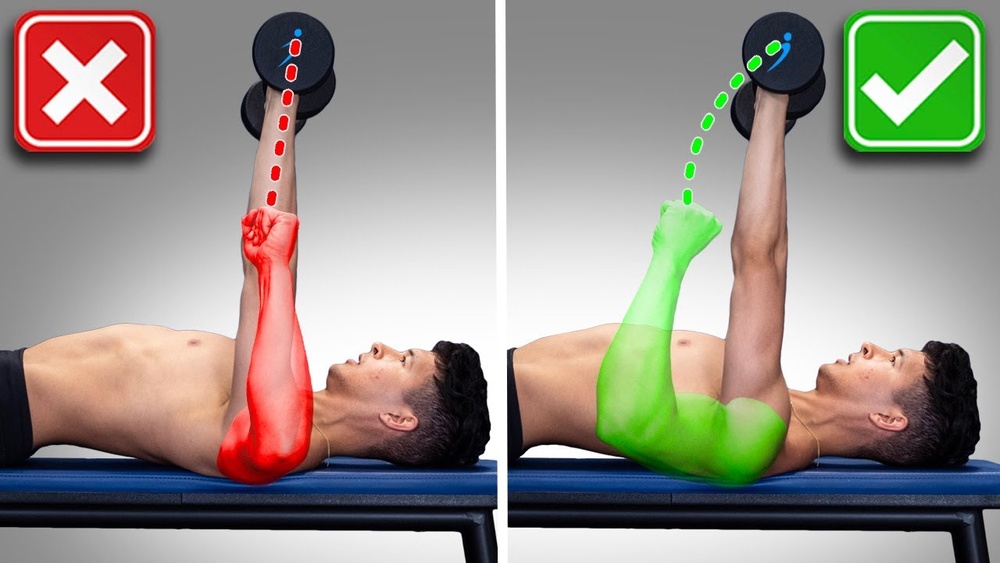
Good form prevents injury and improves strength. Proper grip, wrist position, and arm path matter. Controlling the dumbbells works muscles better. Poor technique wastes energy and limits weight lifted. Focus on slow, controlled movements.
Equipment Variations
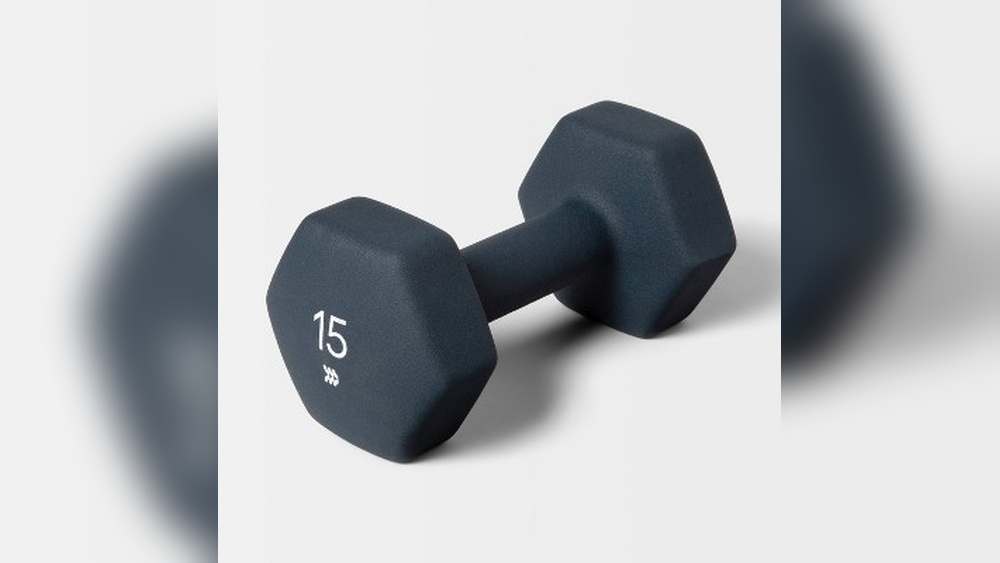
Dumbbell size and shape can change the lift. Heavier dumbbells have thicker handles. Some handles are textured for grip. Bench type also affects performance. A flat bench feels different than an incline. Choose equipment that fits your strength level.
Estimating Your Max Dumbbell Bench Press
Estimating your max dumbbell bench press helps set realistic goals. It shows your current strength level. This estimate guides your training and progress tracking. You avoid lifting too heavy too soon. You also prevent injuries by knowing your limits.
Testing Safely
Start with lighter weights to warm up. Use a spotter or safety bars for help. Lift weights you can control without strain. Avoid pushing to failure on your first try. Rest well between attempts to recover strength. Stop immediately if you feel pain or discomfort.
Using Repetition Maximum Formulas
Rep max formulas estimate your one-rep max from lighter sets. For example, lift a weight for 5 reps near your limit. Then use a simple formula: 1RM = weight × (1 + reps/30). This gives a good max weight estimate. It reduces risk of injury from heavy lifts.
Tracking Progress
Write down your max estimates regularly. Compare numbers every few weeks to see gains. Adjust your workout plan based on progress. Celebrate small improvements to stay motivated. Use progress tracking to avoid plateaus. It helps you stay focused and consistent.
Training Strategies To Boost Strength
Building strength in your dumbbell bench press requires smart training. Using the right methods helps muscles grow and get stronger safely. Focused training plans improve your power step by step.
Here are key strategies to increase your dumbbell bench press strength effectively.
Progressive Overload
Progressive overload means gradually lifting heavier weights. This forces muscles to adapt and grow. Start with weights you can lift well. Slowly add small amounts of weight over weeks. This steady increase helps avoid injuries. Keep challenging your muscles to get stronger.
Volume And Intensity Balance
Volume is the total number of sets and reps. Intensity is the weight lifted. Balance them carefully to avoid burnout. Too much volume can tire muscles. Too much intensity can cause injury. Aim for moderate reps with challenging weight. Rest well between sets to recover.
Incorporating Accessory Exercises
Accessory exercises target muscles supporting your bench press. Work on triceps, shoulders, and upper back. Exercises like tricep dips, shoulder presses, and rows help. Strong supporting muscles improve your main lift. Add these exercises twice a week for best results.
Common Mistakes To Avoid
Many people try to lift heavy dumbbells without good form. This causes injuries and slows progress. Avoiding common mistakes helps you lift safely and get stronger faster. Focus on technique and listen to your body.
Poor Wrist And Elbow Positioning
Keep your wrists straight during the bench press. Bent wrists put stress on joints and can cause pain. Elbows should stay at a 45-degree angle from your body. Flaring elbows too wide increases shoulder injury risk. Proper positioning protects your joints and improves strength.
Neglecting Warm-ups
Skipping warm-ups makes muscles stiff and prone to injury. Start with light weights or bodyweight exercises. Warm-ups increase blood flow and prepare your muscles for heavy lifting. A good warm-up also improves your range of motion and control.
Overtraining And Recovery Issues
Training too often without rest stops muscle growth. Muscles need time to repair after workouts. Overtraining leads to fatigue, soreness, and weaker lifts. Schedule rest days and sleep well to support recovery. Balance training and rest for steady progress.
Nutrition And Recovery Tips
Nutrition and recovery play a big role in how much you can dumbbell bench press. Your muscles need the right fuel and rest to grow stronger. Without good nutrition and proper recovery, progress can slow down. Here are some key tips to help you improve your strength and muscle growth.
Protein Intake For Muscle Growth
Protein helps repair and build muscle fibers after workouts. Aim to eat a good source of protein with every meal. Foods like chicken, fish, eggs, and beans are great choices. Try to consume about 1.6 to 2.2 grams of protein per kilogram of body weight daily. This supports muscle recovery and growth.
Importance Of Rest Days
Rest days let your muscles heal and get stronger. Training every day can cause fatigue and injury. Take at least one or two days off each week from heavy lifting. Use these days to stretch, walk, or do light activity. Rest improves performance and helps you lift more over time.
Supplement Options
Supplements can support your nutrition but are not essential. Whey protein helps meet daily protein needs quickly. Creatine may increase strength and muscle energy during workouts. Fish oil supports joint health and reduces inflammation. Always choose supplements from trusted brands and talk to a doctor before starting any new ones.
Credit: training.fit
Tracking And Adjusting Your Program
Tracking your progress and adjusting your dumbbell bench press program is key to steady improvement. Without tracking, you can miss small gains or signs of struggle. Adjustments help prevent injuries and keep your workouts effective. This section explains how to track and know when to change your routine.
Using Training Logs
Write down every workout detail. Include weight, reps, and sets. Note how you feel during each session. Training logs help spot patterns and progress. They keep you honest and motivated. Review your logs weekly to see if you lift more or less. Small changes add up over time.
Recognizing Plateaus
A plateau happens when progress stops. You lift the same weight for weeks without improvement. Your muscles may need more rest or a new challenge. Plateaus can cause frustration and loss of motivation. Spotting them early helps you avoid wasting time. Keep an eye on your training logs for repeated numbers.
When To Change Your Routine
Change your program if you hit a plateau. Switch exercises or increase weight gradually. Add more sets or reps to push harder. Rest days are also important for recovery. Changing your routine keeps muscles guessing and growing. Avoid doing the same workout for more than 6 to 8 weeks.
Credit: sportscienceinsider.com
Frequently Asked Questions
What Is A Good Dumbbell Bench Press Weight?
A good weight varies by fitness level and gender. Beginners may start with 15-25 lbs, while experienced lifters handle 50+ lbs. Focus on proper form and gradual progression for strength gains and safety.
How To Increase Dumbbell Bench Press Strength?
Increase strength by consistent training, progressive overload, and proper nutrition. Use controlled reps, increase weight gradually, and include complementary exercises like push-ups and chest flys. Rest and recovery are also crucial for muscle growth.
How Many Reps For Dumbbell Bench Press?
Aim for 8-12 reps per set to build muscle size and strength. Beginners might start with higher reps and lighter weights. Adjust reps based on your specific fitness goals, such as endurance or maximum strength.
Is Dumbbell Bench Press Better Than Barbell?
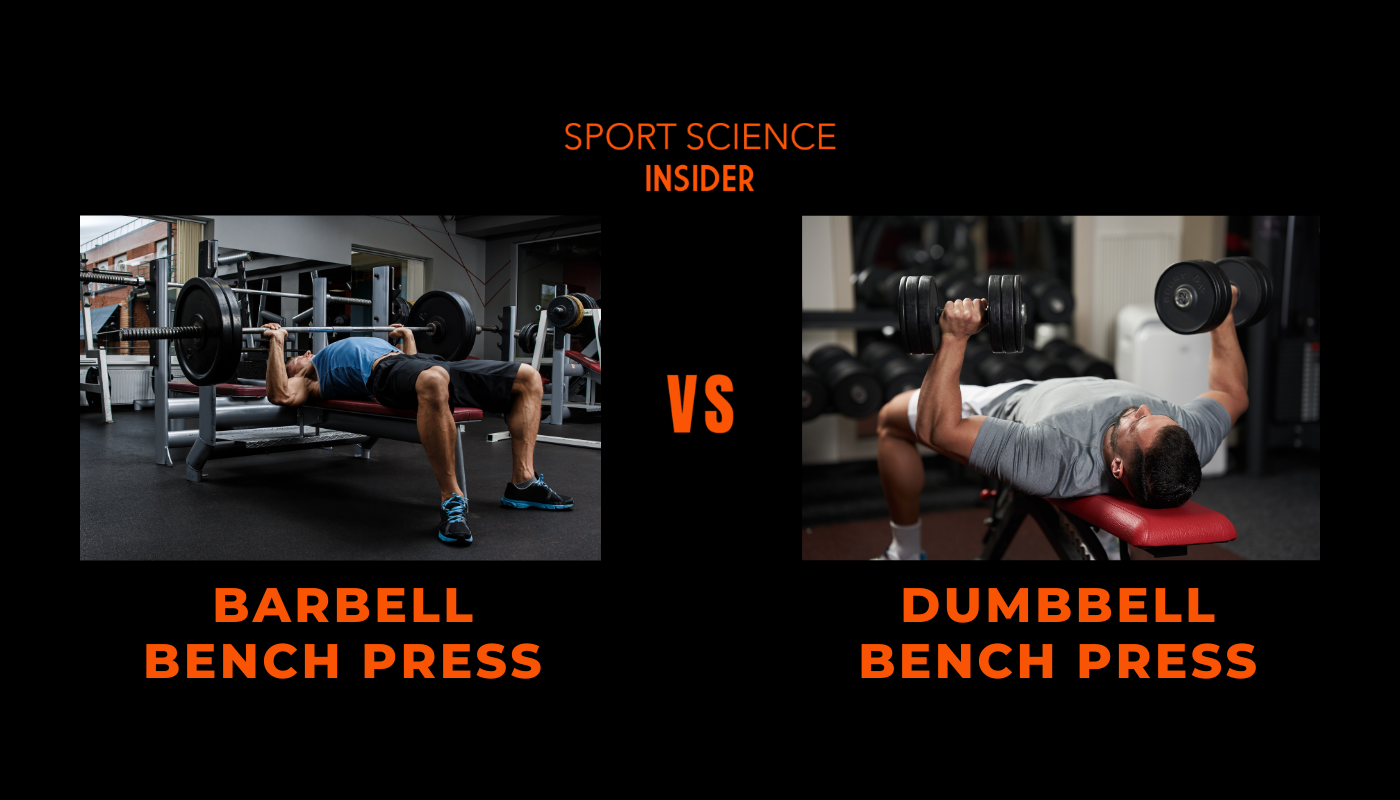
Dumbbells offer a greater range of motion and improve muscle balance. Barbells allow lifting heavier weights and may build strength faster. Both are effective; choose based on your goals and equipment availability.
Conclusion
Dumbbell bench press strength varies for everyone. Your progress depends on practice and patience. Start with weights you can handle safely. Increase weight slowly to avoid injuries. Focus on good form rather than heavy loads. Consistency will help build your chest muscles.
Track your improvement over weeks and months. Remember, strength gains take time and effort. Stay motivated and keep challenging yourself. Your best dumbbell bench press is personal. Enjoy the journey and celebrate small wins.