If you’re serious about your workouts, you’ve probably asked yourself, “How much do dumbbell handles weigh?” Knowing this simple fact can change the way you plan your exercises and track your progress. Whether you’re lifting at home or in the gym, understanding the weight of your dumbbell handles helps you get the most out of every rep. Keep reading, and you’ll discover the exact numbers and tips to make your workouts smarter and more effective.
Don’t let hidden weights hold you back—find out what you need to know right now!
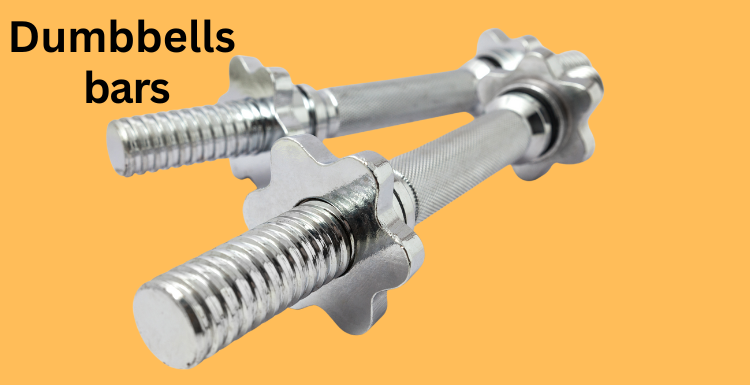
Credit: flybirdfitness.com
Dumbbell Handle Basics
Dumbbell handles are the part you hold while lifting weights. Their weight affects your total dumbbell load. Knowing about handles helps you choose the right dumbbells for your workout.
Handles come in various designs and materials. Each type has its own weight and feel. This affects your grip and comfort during exercise.
Common Materials Used
Most dumbbell handles are made from steel or iron. Steel handles are strong and last long. Iron handles are heavier but less expensive.
Some handles have rubber or plastic coatings. These coatings improve grip and reduce slipping. They also protect your hands from metal edges.
Chrome-plated handles are popular for their smooth finish. They resist rust and look clean. This plating adds a small amount of weight.
Standard Handle Designs
Handles come in straight or contoured shapes. Straight handles are simple and common. They fit well in most hands.
Contoured handles have curves to match hand shape. This design offers better grip and comfort. Some have textured knurling for extra hold.
Handles may also vary in thickness. Thicker handles build hand strength. Thinner handles are easier to hold for small hands.
Typical Weight Ranges
Dumbbell handles come in various weights. The weight depends on the handle type and material. Knowing typical weight ranges helps choose the right dumbbell handle for your workout. Some handles are very light, while others are much heavier. This affects how you train and the total weight you lift.
Lightweight Handles
Lightweight dumbbell handles usually weigh between 1 to 3 pounds. These handles are often made from plastic or hollow metal. They are easy to lift and carry. Beginners or those who exercise at home prefer these handles. Lightweight handles allow adding more weight plates for heavier workouts.
Heavy-duty Handles
Heavy-duty dumbbell handles weigh around 4 to 6 pounds. These handles use solid steel or cast iron for strength. They provide a sturdy grip and last longer. Heavy-duty handles suit serious lifters and gym use. Their extra weight adds to the total dumbbell weight without extra plates.
Factors Affecting Handle Weight
The weight of dumbbell handles varies. Several factors affect this weight. Understanding these helps you choose the right dumbbells.
Material Density
Material density plays a big role in handle weight. Denser materials weigh more. Steel handles are heavier than aluminum ones. Plastic handles are usually the lightest. The choice of material affects the overall feel and balance. High-density materials last longer and offer better grip.
Handle Length And Thickness
Longer handles weigh more than shorter ones. Thickness also impacts weight. Thicker handles add extra weight and bulk. Handle size must fit your hand comfortably. This ensures better control during exercises. The right length and thickness balance weight and comfort well.

Credit: barbellstandard.com
Impact On Workout Performance
The weight of dumbbell handles affects workout performance in many ways. It changes how you feel during exercises and impacts your control. Understanding this effect helps you choose the right handles for your training. Small details like handle weight can influence your strength and comfort.
Balancing Total Weight
Dumbbell handles add extra weight to your workout. This weight combines with the plates or fixed weights. You must count the handle weight to know the total load you lift. Ignoring handle weight can lead to lifting heavier than planned. This can cause faster fatigue or reduce your reps.
Balancing the total weight helps keep your workout safe and effective. It ensures proper progress without risking injury. You get a clear idea of your actual strength and progress.
Grip Comfort And Control
The handle weight affects how easy it is to hold the dumbbell. Heavier handles may feel solid but can tire your hands faster. Lighter handles often offer better control and comfort. Good grip comfort reduces hand strain during long workouts.
Better control means you can perform exercises with correct form. It lowers the chance of slipping or dropping the dumbbell. Choosing handles with the right weight helps maintain a strong and steady grip.
Choosing The Right Handle
Choosing the right dumbbell handle is key to a good workout. It affects comfort, safety, and how well you lift. A handle that fits your plates and exercise type makes training easier and more effective. Small details like weight and grip size matter. Pick a handle that suits your needs and helps you reach your fitness goals.
Matching Handle To Dumbbell Plates
Check the diameter of your dumbbell plates first. Handles come in different sizes to fit these plates. A handle too small or too big will not hold plates securely. Make sure the handle’s sleeves match the plate hole size. Also, consider the handle weight. Some handles add extra pounds to your total load. This affects how much weight you actually lift.
Considerations For Different Exercises
Different exercises need different types of handles. For curls and presses, a thicker grip can improve control. For heavy lifts, choose handles with strong locking collars. Smooth handles work well for fast movements. Knurled handles offer better grip for slow, controlled lifts. Think about which exercises you do most. Pick a handle that feels comfortable and safe during those moves.
Popular Brands And Their Handles
Dumbbell handles come in different weights depending on the brand. Each company designs its handles with specific features. These differences affect your workout and comfort. Knowing the weight and design helps you pick the right dumbbell handle.
Brand Weight Comparisons
Bowflex dumbbell handles usually weigh around 5 pounds. Rogue Fitness handles are heavier, often near 7 pounds. CAP Barbell handles tend to be lighter, about 4 pounds. PowerBlock handles fall between 5 and 6 pounds. These weight differences change how the dumbbells feel in your hands.
Unique Handle Features
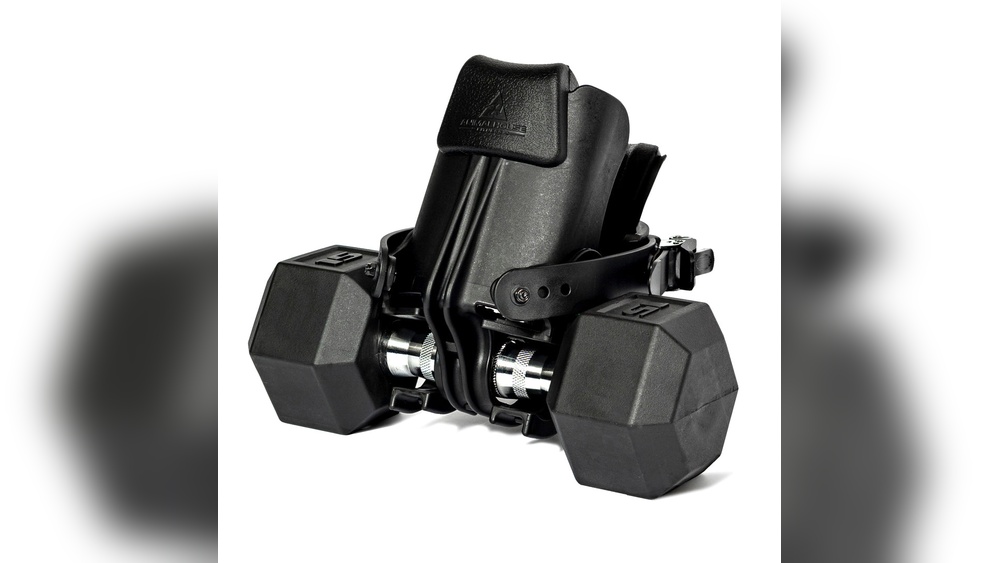
Bowflex handles have a smooth grip for easy adjustments. Rogue handles use knurled steel for a firm hold. CAP Barbell offers textured rubber grips for comfort. PowerBlock handles are compact with a square shape. Each handle style suits different grip preferences and exercises.
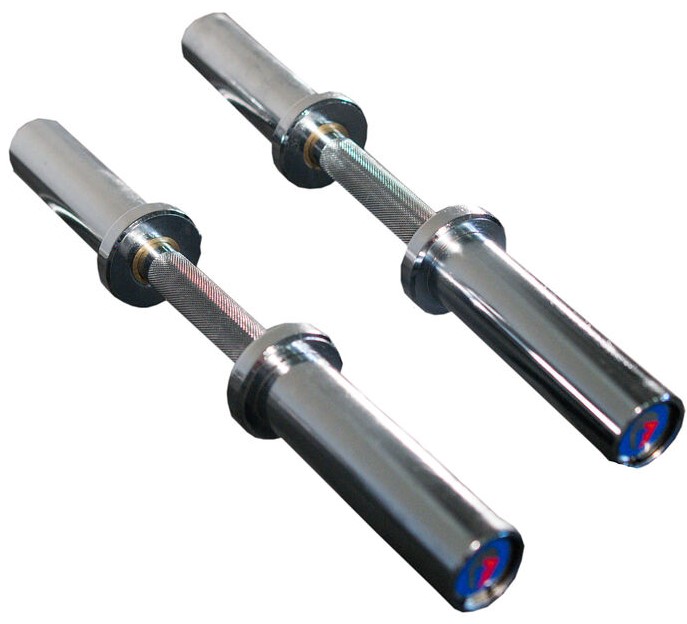
Credit: www.tworepcave.com
Frequently Asked Questions
How Much Do Standard Dumbbell Handles Weigh?
Standard dumbbell handles typically weigh between 2 to 5 pounds. The exact weight depends on the material and design. Steel handles are usually heavier, while plastic-coated ones are lighter. Knowing the handle weight helps in calculating total dumbbell weight accurately.
Do Dumbbell Handle Weights Affect Workout Results?
Yes, dumbbell handle weights influence workout intensity. Heavier handles add extra resistance, enhancing strength gains. Lighter handles allow more reps and endurance training. Adjusting handle weight helps customize workouts to meet fitness goals efficiently.
Are Adjustable Dumbbell Handles Heavier Than Fixed Ones?
Adjustable dumbbell handles are often heavier due to locking mechanisms. Fixed handles usually have a consistent, lighter weight. The added weight in adjustable handles provides stability but varies by brand and model. Consider handle weight when choosing dumbbells.
Can Dumbbell Handle Weight Impact Grip Comfort?
Yes, handle weight can affect grip comfort and control. Heavier handles might cause quicker fatigue during long sessions. Lighter handles offer better maneuverability but less stability. Selecting the right handle weight improves workout safety and effectiveness.
Conclusion
Dumbbell handles usually weigh between 1 to 3 pounds. This small weight adds to your total lifting load. Knowing this helps you plan your workouts better. Choose handles that fit your strength and goals. Always check the handle weight before buying.
It makes a difference in your exercise routine. Keep your training safe and effective. Weight details help avoid surprises during workouts. Simple facts can improve your fitness journey a lot.