How much do you dumbbell curl? It might seem like a simple question, but the answer can unlock your true strength potential.
Whether you’re just starting out or pushing to new limits, knowing the right weight for your dumbbell curls can change your workout results. Are you lifting too little and missing gains? Or lifting too much and risking injury? Keep reading to discover the smart way to find your perfect dumbbell curl weight—and watch your arms grow stronger, faster.
Your next breakthrough is just a curl away.
Choosing The Right Dumbbell Weight
Choosing the right dumbbell weight is key for effective curls. The right weight helps build muscle and avoid injury. Selecting a dumbbell that matches your strength level supports steady progress.
Picking weights that are too heavy can strain your muscles. Too light, and you won’t challenge yourself enough. Finding the right balance is important for good results.
Factors Influencing Weight Selection
Strength level plays a big role in choosing dumbbell weight. Beginners need lighter weights to learn proper form. Experience and muscle size also matter. Muscle fatigue and recovery time affect how much weight to use. Your fitness goals, like building muscle or toning, guide weight choice.
Starting Light Vs. Going Heavy
Starting light reduces risk of injury. It helps you focus on technique and control. Going heavy too soon can cause poor form and pain. Light weights allow more repetitions. Heavy weights build strength faster but require good form. Balance safety and challenge for best results.
Progressive Overload Strategies
Progressive overload means gradually increasing weight or reps. This helps muscles grow stronger over time. Add small weight increments to avoid injury. Increase repetitions before adding more weight. Track your progress to know when to increase load. Consistency with overload leads to steady muscle gains.
Proper Dumbbell Curl Technique
Proper dumbbell curl technique is key for effective arm workouts. It helps build muscle and avoid injury. Using the right form ensures you target the biceps well. Focus on control and steady movement throughout the exercise.
Start by standing straight with a dumbbell in each hand. Keep your elbows close to your sides. Curl the weights up slowly, squeezing your biceps at the top. Lower the dumbbells back down with control. Avoid swinging or using momentum.
Grip Variations For Targeted Growth
Changing your grip affects which muscles work more. A standard supinated grip (palms up) targets the biceps brachii. A hammer grip (palms facing each other) hits the brachialis muscle. Using a reverse grip (palms down) works the forearms more. Switch grips to develop different parts of the arm.
Common Form Mistakes To Avoid
Do not swing your body or use momentum to lift. Keep your elbows fixed near your torso. Avoid lifting weights too fast or jerking the dumbbells. Do not let your wrists bend backward or forward. Maintain a straight back and steady posture throughout.
Breathing And Tempo Tips
Breathe out as you curl the dumbbells up. Breathe in as you lower them down. Use a slow and controlled tempo. Lift for about two seconds, pause briefly at the top. Lower the weights for three to four seconds. This helps increase muscle tension and growth.
Reps And Sets For Bicep Growth
Reps and sets play a key role in building bigger biceps with dumbbell curls. Choosing the right number helps you target strength or size. Changing reps and sets changes how your muscles respond and grow. Understanding this can improve your workout results.
Ideal Rep Ranges For Strength Vs. Size
For strength, aim for 4 to 6 reps per set. Use heavier weights that challenge your muscles. For size, also called hypertrophy, 8 to 12 reps work best. Use moderate weights to cause muscle fatigue by the last rep. Lower reps build power, while higher reps help muscle growth.
How Many Sets To Perform
Perform 3 to 4 sets per exercise for effective growth. Beginners can start with 2 to 3 sets. More sets increase muscle stress, which helps growth. Avoid doing too many sets to prevent injury and fatigue. Quality beats quantity in sets.
Incorporating Rest Periods
Rest time between sets affects your workout quality. For strength, rest 2 to 3 minutes to recover fully. For size, rest 30 to 90 seconds to keep muscles under tension. Shorter rest increases muscle fatigue and growth signals. Balance rest to maintain workout intensity and form.

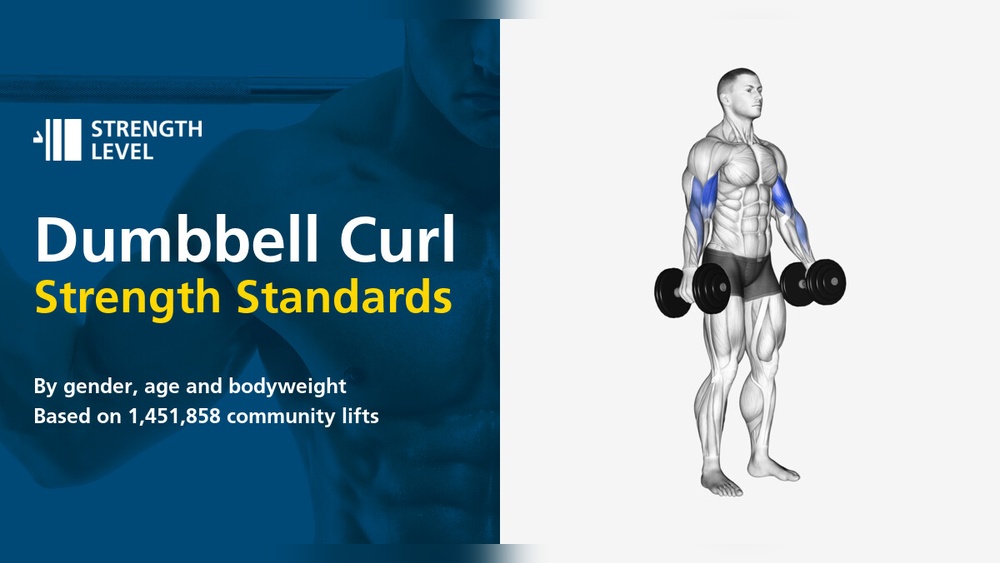
Credit: strengthlevel.com
Advanced Curl Variations
Advanced curl variations help target your biceps in new ways. They increase muscle strength and size. These exercises challenge your arms more than basic curls. Use moderate to heavy dumbbells for the best results. Focus on form to avoid injury and get the most benefit.
Hammer Curls
Hammer curls use a neutral grip with palms facing each other. This works the brachialis muscle and forearms. Hold dumbbells firmly and lift slowly. Keep elbows close to your body. This variation builds arm thickness and strength.
Concentration Curls
Concentration curls isolate the biceps for better muscle focus. Sit on a bench, rest your elbow on your thigh. Curl the dumbbell up with control. Lower it slowly to feel the muscle stretch. This helps improve muscle shape and peak.
Incline Dumbbell Curls
Incline curls stretch the biceps more than regular curls. Sit on an incline bench with arms hanging down. Curl the dumbbells up without moving your upper arms. This targets the long head of the biceps. It helps create a fuller arm look.
Tracking Progress And Adjusting Workouts
Tracking progress and adjusting workouts are key to building arm strength with dumbbell curls. It helps you see improvements and avoid injury. Regular monitoring lets you push your limits safely. Changing weights and reps keeps your muscles growing. Consistent tracking builds good habits and motivation. Use simple tools to make this easier.
Using Journals And Apps
Write down your sets, reps, and weights after each workout. A journal helps you spot trends and improvements over time. Apps can track your progress automatically and remind you to work out. Choose tools that are easy to use and fit your style. Keep notes on how your arms feel. This helps adjust workouts based on your strength and recovery.
When To Increase Weight
Increase dumbbell weight when curls feel easy and your form stays good. Try adding small weight jumps to avoid strain. If you complete all reps without struggle, it’s time to go heavier. Avoid large jumps that cause pain or poor technique. Gradual increases build strength and reduce injury risk. Listen to your body and adjust accordingly.
Signs Of Overtraining
Overtraining slows progress and increases injury risk. Watch for constant muscle soreness lasting days. Feeling weak or tired during workouts is a warning. Joint pain or swelling means you need more rest. Poor sleep or lack of motivation also signals overtraining. If these happen, reduce weight or take extra rest days. Rest helps muscles recover and grow stronger.

Credit: www.youtube.com
Nutrition And Recovery For Bigger Biceps
Building bigger biceps is not just about lifting heavy weights. Nutrition and recovery play a big role in muscle growth. Your muscles need the right fuel and rest to grow stronger and bigger. Without proper nutrition and recovery, your efforts in the gym may not show the results you want.
Eating the right foods and giving your muscles time to repair helps you improve faster. Let’s explore some key points about protein, rest, and supplements that support bigger biceps.
Protein Intake Recommendations
Protein is essential for muscle repair and growth. Aim to eat 1.2 to 2 grams of protein per kilogram of body weight daily. Good sources include chicken, fish, eggs, beans, and dairy. Spread your protein intake evenly across meals. This helps your muscles recover throughout the day.
Rest And Muscle Repair
Rest gives your muscles time to heal and grow. Avoid training the same muscle group every day. Allow 48 hours of rest between intense bicep workouts. Sleep is also vital. Try to get 7 to 9 hours of quality sleep each night. This supports muscle repair and hormone balance.
Supplements That Support Growth
Some supplements can aid muscle growth. Creatine helps increase strength and power. Whey protein is a quick way to boost protein intake. Branched-chain amino acids (BCAAs) may reduce muscle soreness. Use supplements to support your diet, not replace it.

Credit: www.bodybuildingmealplan.com
Frequently Asked Questions
How Much Weight Should You Dumbbell Curl Initially?
Start with a weight you can lift comfortably for 8-12 reps. This helps build strength safely and avoids injury.
How Many Dumbbell Curls Are Effective Per Workout?
Aim for 3 sets of 10-15 reps. This range promotes muscle growth and endurance in your biceps.
Can Dumbbell Curl Weight Affect Muscle Growth?
Yes, lifting heavier weights gradually increases muscle size and strength. Progressive overload is key for growth.
How Often Should You Perform Dumbbell Curls Weekly?
Perform dumbbell curls 2-3 times per week. Allow at least 48 hours for muscle recovery between sessions.
Conclusion
Dumbbell curls help build strong arm muscles. Choose a weight that feels challenging but safe. Start with lighter weights to learn good form. Gradually increase weight as your strength grows. Consistency matters more than heavy lifting. Focus on slow, controlled movements for best results.
Remember, rest days help muscles recover and grow. Keep track of your progress to stay motivated. Enjoy the process and stay patient. Stronger arms take time and effort to develop.