
Are you tired of worrying about your bike’s safety when you leave it outside? A bike locker might be exactly what you need.
But before you decide, you probably want to know one thing: how much does a bike locker cost? Understanding the price can help you make the best choice for your budget and peace of mind. You’ll discover the real costs behind bike lockers, what affects their price, and how to find the right option for you.
Keep reading to protect your bike without breaking the bank.
Bike Locker Types
Bike lockers come in different types to fit various needs and budgets. Choosing the right type helps protect your bike effectively. Each type has unique features and costs.
Standard Lockers
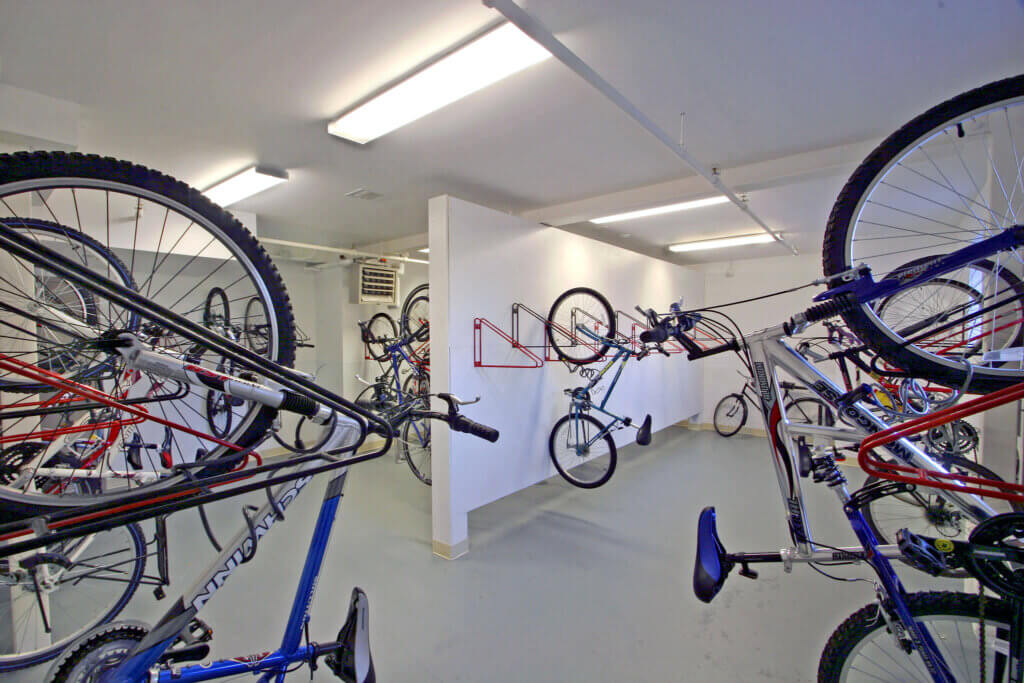
Standard lockers offer basic protection for your bike. They are made from metal or heavy plastic. These lockers usually fit one bike. They are easy to install and maintain. Standard lockers are the most affordable option. They provide good security in safe areas.
Heavy-duty Lockers
Heavy-duty lockers are built for high security. They use thicker steel and stronger locks. These lockers can resist theft and weather damage. They often include ventilation to prevent moisture. Heavy-duty lockers cost more but offer better protection. Ideal for places with high bike traffic.
Custom Designs
Custom bike lockers are made to fit special needs. They can be larger or have extra compartments. Some come with electronic locks or charging ports. These lockers match specific style or space requirements. Custom designs are the most expensive. They provide unique solutions and added convenience.
Factors Influencing Cost
Several factors affect the price of a bike locker. Understanding these helps you choose the right option. Costs vary by materials, size, security, and installation. Each factor plays a key role in the final price.
Materials Used
The type of material impacts durability and cost. Steel lockers are strong but more expensive. Aluminum models cost less but may wear out faster. Plastic options are light and cheaper but less secure. Choose materials based on budget and usage needs.
Size And Capacity
Locker size affects price. Larger lockers cost more due to extra material and space. Single-bike lockers are cheaper than multi-bike ones. Consider how many bikes you need to store. Bigger capacity means higher cost but more convenience.
Security Features
Security adds to the price. Basic lockers have simple locks, costing less. Advanced models include electronic locks or reinforced doors. Extra security features protect against theft but increase cost. Balance security needs with budget.
Installation Requirements
Installation complexity influences cost. Simple setups are cheaper and quick to install. Some lockers need special foundations or professional help. Extra labor and materials raise the total price. Check installation needs before buying.
Price Ranges
Bike lockers vary widely in price depending on size, material, and features. Understanding price ranges helps you choose the right locker for your needs. This section breaks down costs into three categories: budget, mid-range, and premium.
Budget Options
Budget bike lockers cost between $100 and $300. These lockers usually have basic metal construction. They offer decent security for short-term use. Perfect for occasional riders or low-risk areas. Simple designs keep costs low without sacrificing function.
Mid-range Choices
Mid-range lockers range from $300 to $700. These models use stronger materials like steel or aluminum. They often include better locks and weatherproofing. Ideal for regular cyclists who want more security. These lockers balance price and durability well.
Premium Lockers
Premium bike lockers cost $700 and above. They feature heavy-duty materials and advanced locking systems. Some come with electronic access or ventilation systems. Suitable for high-traffic areas or long-term storage. These lockers provide the highest protection and quality.
Credit: cyclesafe.com
Additional Expenses
Buying a bike locker means more than just the initial price. You need to think about extra costs that come with owning it. These costs can add up over time and affect your total spending.
Understanding these additional expenses helps you plan better. It also keeps your bike locker in good shape and secure for longer.
Maintenance Costs
Bike lockers need regular care to work well. Cleaning is important to stop dirt and rust. Lubricating locks keeps them from sticking or breaking. Sometimes, you may need to paint or treat the locker to protect it from weather. Small fixes can cost money, but they save bigger repair bills later.
Replacement Parts
Parts like locks, hinges, or seals may wear out or break. Replacing these parts keeps your locker safe and usable. Prices for parts vary depending on the brand and type. Buying quality parts helps your locker last longer and stay secure.
Warranty And Insurance
Some bike lockers come with a warranty. This covers repairs or replacements for a certain time. Check what the warranty includes and for how long. Insurance may protect your bike locker from theft or damage. Adding insurance is an extra cost but offers peace of mind.
Buying Vs Renting
Choosing between buying and renting a bike locker depends on your needs and budget. Each option has its own advantages. Understanding these can help you make the right decision for your situation.
Cost Benefits
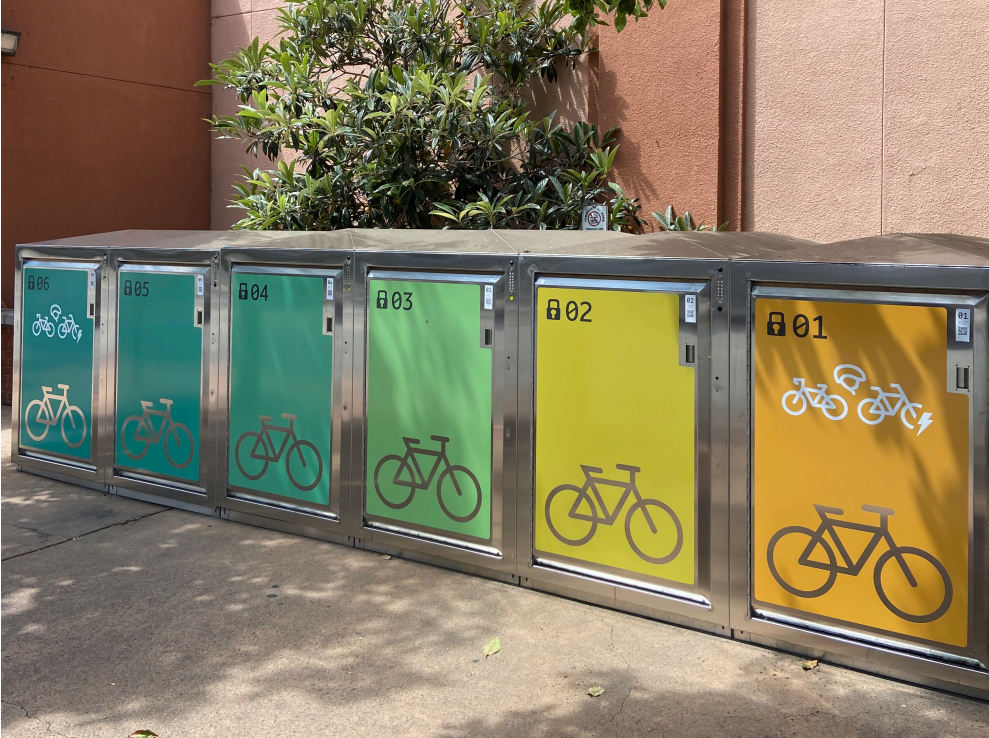
Buying a bike locker means paying a larger amount upfront. This can save money over time since there are no monthly fees. Renting has lower initial costs but adds up with monthly payments. If you use the locker often, buying can be cheaper in the long run.
Flexibility
Renting offers more flexibility. You can stop renting anytime without extra cost. This suits people who need temporary storage. Buying locks you in at one place. Moving or selling a locker can be difficult and slow.
Long-term Considerations
Think about how long you will need the locker. Buying is better for long-term use. It also adds value to your property in some cases. Renting is ideal for short-term or uncertain use. Check the contract terms for hidden fees or rules.
Credit: rideshare.org
Where To Buy
Finding the right place to buy a bike locker is key. Different sellers offer various styles, prices, and delivery options. Knowing where to shop helps you make a smart choice for your needs and budget.
Online Retailers
Online stores provide a wide selection of bike lockers. You can compare prices and read customer reviews easily. Shipping is often available directly to your door. Many sites offer detailed product descriptions and images. Shopping online saves time and lets you browse at your own pace.
Specialty Stores
Stores focusing on biking gear often carry bike lockers. Staff can help you pick the right locker based on your bike and space. Specialty shops let you see the product before buying. They sometimes offer installation services or advice. Visiting these stores gives a personal touch to your purchase.
Local Suppliers
Local suppliers may provide custom bike lockers or quick delivery. Buying locally supports your community and small businesses. You can ask questions and get recommendations face to face. Some suppliers offer better prices without shipping fees. Local options often allow faster service and easier returns.
Tips To Save Money
Bike lockers can be expensive, but there are ways to spend less. Saving money helps you get good storage without breaking your budget.
These tips make buying a bike locker easier and cheaper. You can find deals and save on installation costs.
Seasonal Discounts
Many stores offer discounts during certain times of the year. Look for sales in spring and fall when demand is lower. End-of-year sales may also have good deals. Check online shops for holiday promotions and special offers.
Bulk Purchases
Buying multiple lockers at once usually lowers the price per unit. Group purchases for schools or offices can save a lot. Ask suppliers about discounts for large orders. Sharing costs with friends or neighbors works too.
Diy Installation
Installing the locker yourself cuts labor costs. Most bike lockers come with easy-to-follow instructions. Use basic tools and take your time. Watching tutorial videos helps you avoid mistakes. This saves money and gives a sense of achievement.
Credit: www.corvallisoregon.gov
Frequently Asked Questions
How Much Does A Basic Bike Locker Cost?
A basic bike locker typically costs between $200 and $500. Prices vary based on size, material, and features. Simple models offer secure storage without extra amenities, making them affordable for personal or small-scale use.
Are There Cheaper Alternatives To Bike Lockers?
Yes, cheaper alternatives include bike racks and cable locks. These options cost less but offer less security and protection from weather. They are suitable for short-term or low-risk bike storage.
What Factors Influence Bike Locker Prices?
Bike locker costs depend on size, material quality, security features, and installation complexity. Larger lockers or those with advanced locking systems are more expensive. Location and brand also impact the final price.
Can Bike Lockers Increase Property Value?
Yes, bike lockers can enhance property value by providing secure bike storage. They appeal to cyclists and promote eco-friendly commuting. This added convenience can attract tenants or buyers.
Conclusion
Bike lockers come at different prices depending on size and features. Basic models cost less but offer less protection. More secure lockers ask for a higher price. Consider how often you use your bike and the location. Investing in a good locker can save you money on repairs or replacements later.
Choose a locker that fits your budget and needs. Safe storage keeps your bike protected every day. Think about convenience and security before buying. This helps you get the best value for your money.
