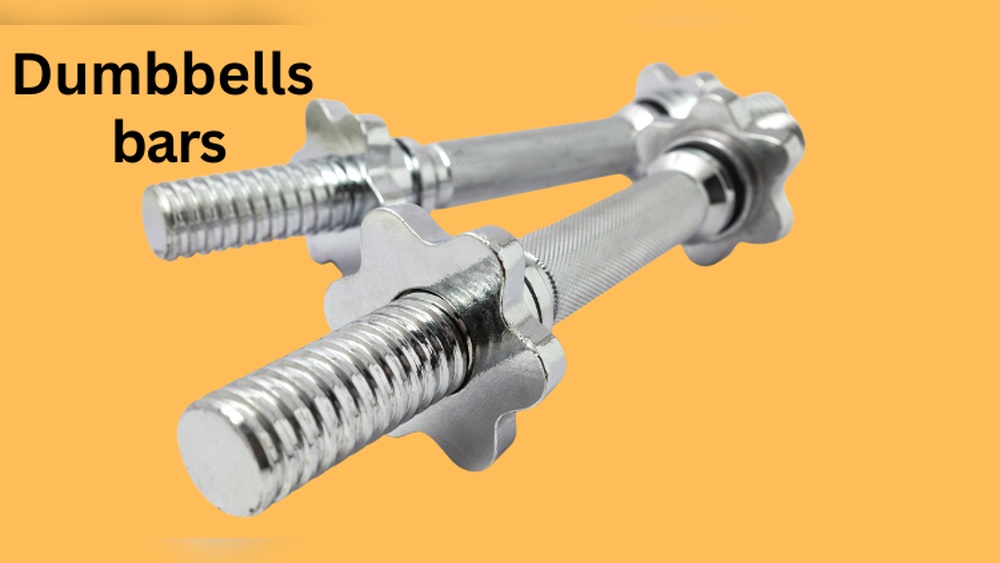
Have you ever picked up a dumbbell and wondered how much the bar itself weighs? Knowing this small but important detail can change how you track your progress and plan your workouts.
If you’re serious about lifting or just starting out, understanding the weight of the bar on a dumbbell helps you get a clearer picture of your strength gains. Keep reading, and you’ll discover exactly how much that bar adds to your total weight—and why it matters more than you might think.
Credit: ca.ironbullstrength.com
Types Of Dumbbell Bars
Dumbbell bars come in different types, each designed for specific uses. Knowing the type helps you understand how much the bar itself weighs. This knowledge helps with better workout planning and safety. The main types are standard bars, Olympic bars, and adjustable bars.
Standard Bars
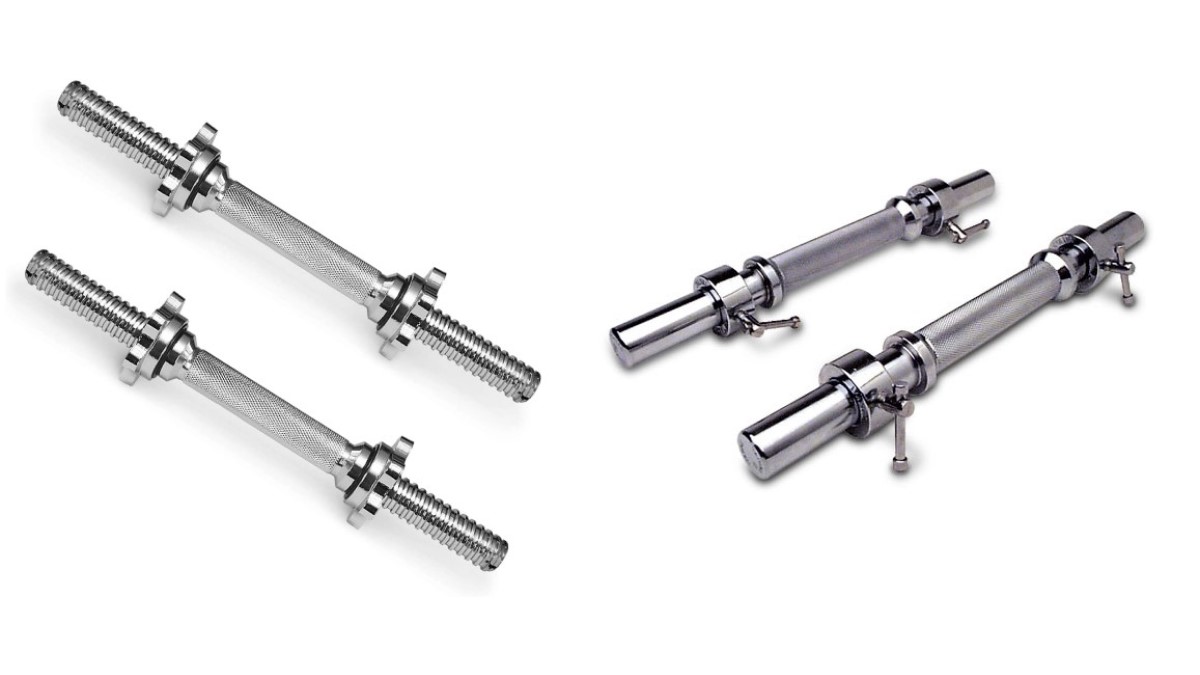
Standard bars are the most common dumbbell bars. They usually weigh around 2 to 5 pounds. These bars fit plates with a 1-inch hole. Standard bars are good for light to moderate weight training. They are easy to handle and store.
Olympic Bars
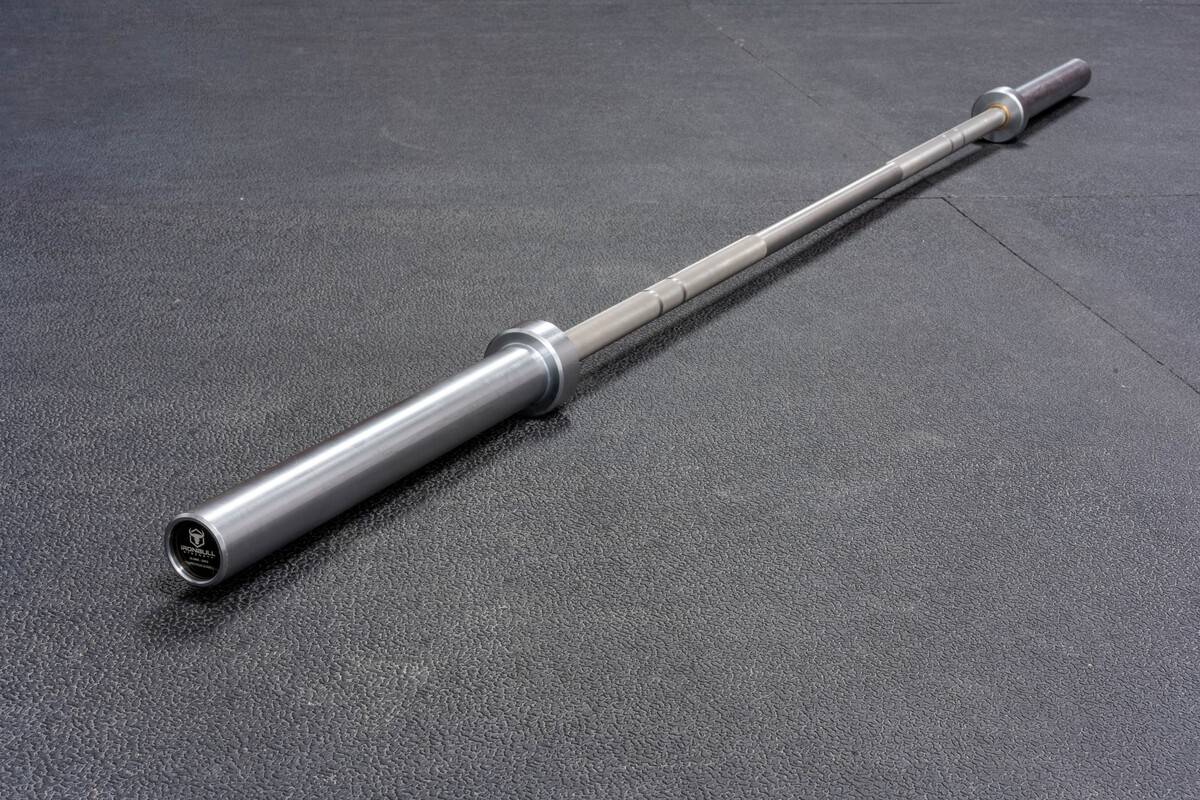
Olympic bars are thicker and heavier than standard bars. They often weigh about 5 to 10 pounds each. These bars hold plates with a 2-inch hole. Olympic bars are used for serious strength training. They provide better grip and balance for heavy lifts.
Adjustable Bars
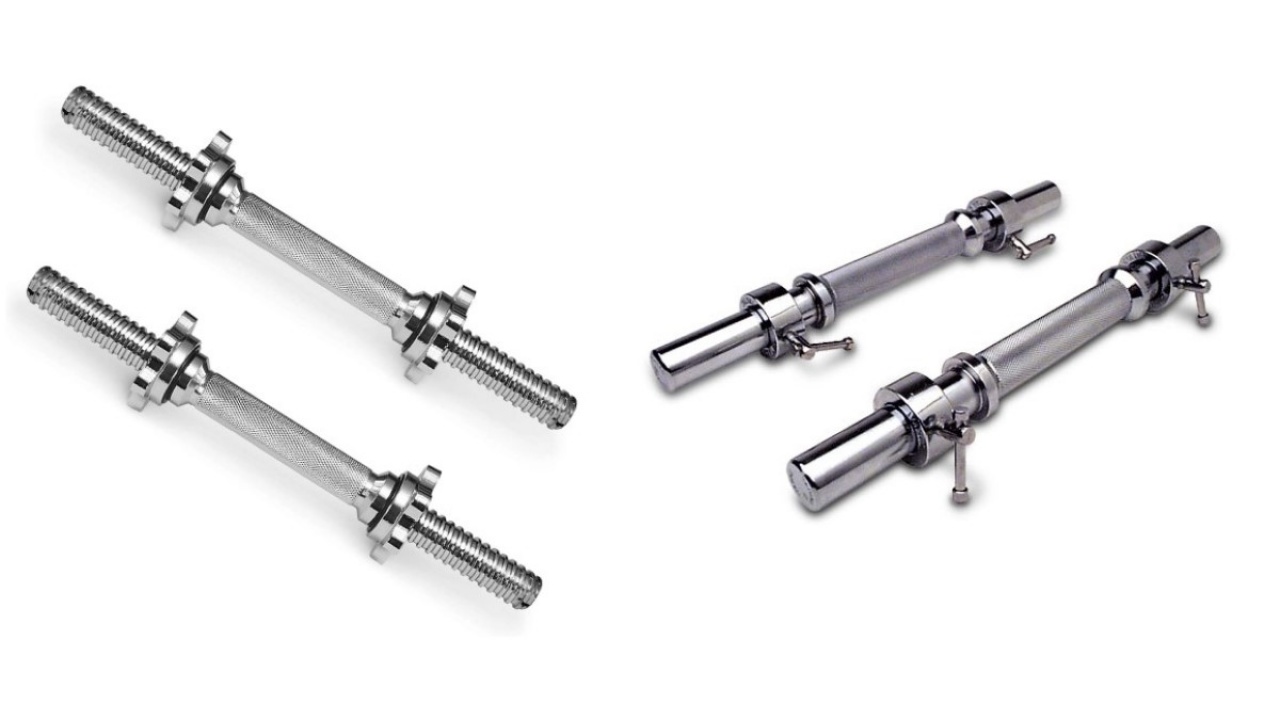
Adjustable bars let you change the weight easily. The bar’s weight can vary from 3 to 7 pounds. These bars are compatible with different plate sizes. Adjustable bars save space and money. They are great for home gyms with limited equipment.
Weight Variations Of Dumbbell Bars
Dumbbell bars come in many weights. The weight of the bar itself changes the total load you lift. Knowing these weight variations helps you choose the right dumbbell for your workout.
Bars differ by material, size, and design. These factors affect how much the bar weighs before you add plates or weights.
Common Weight Ranges
Most dumbbell bars weigh between 2 and 10 pounds. Standard bars often weigh about 5 pounds. Adjustable bars may be lighter, around 2 to 3 pounds. Fixed-weight dumbbells include the bar weight in the total.
Material Impact On Weight
Steel bars are heavy and durable. Chrome bars tend to be a bit lighter. Aluminum bars are the lightest but less common. Material choice changes the bar’s weight and feel in your hand.
Size And Length Differences
Longer bars weigh more due to extra metal. Short bars are lighter and easier to handle. The diameter also affects weight. Thicker bars usually weigh more than thinner ones.
How Bar Weight Affects Workouts
The weight of the bar on a dumbbell plays a key role in your workout. It changes how much effort you use and how your body moves. Understanding bar weight helps you plan exercises better. It affects strength, balance, and safety during lifting. Let’s explore how bar weight impacts your training.
Impact On Total Load
The bar adds to the total weight you lift. This means your muscles work harder. Even a light bar can add extra pounds. It changes the challenge of each set. Knowing the bar weight helps you track progress. You avoid lifting too little or too much. It shapes your strength gains over time.
Balance And Stability
Bar weight affects how steady you feel. A heavier bar may need more control. It tests your grip and arm muscles. Lighter bars let you focus on form. They reduce the risk of injury. Balance improves as your body adapts. Stability is key for safe, effective workouts.
Suitability For Different Exercises
Some exercises need heavier bars for better results. Others work well with lighter bars. For example, curls often use lighter bars. Presses and rows may need heavier bars. Choosing the right bar weight matches the movement. It helps target the correct muscles. This way, workouts stay efficient and safe.
Measuring Bar Weight Accurately
Measuring the bar weight on a dumbbell is important for accurate workouts. It helps you know exactly how much weight you are lifting. This section explains simple ways to find the bar’s weight. You can use tools, check details from the maker, or try some easy estimation methods. Each method has its own benefits and fits different situations.
Using A Scale
A scale is the most direct way to measure bar weight. Place the dumbbell bar on a kitchen or bathroom scale. Make sure the scale is set to zero before weighing. This method gives you an exact number quickly. Use a scale that can handle the bar’s size and weight for best results.
Manufacturer Specifications
Check the dumbbell’s packaging or website for weight details. Most makers list the bar weight clearly. This info is often found in the product description or user manual. It saves time and gives you reliable data. Always trust manufacturer specs if you want precise numbers.
Diy Estimation Methods
If you lack a scale or details, estimate the weight yourself. Use common knowledge about materials: steel bars usually weigh about 2 to 5 pounds. Measure the bar’s length and thickness for a rough guess. Compare your bar to similar dumbbells you know. This method is less exact but helps in a pinch.
Choosing The Right Dumbbell Bar
Choosing the right dumbbell bar is key for a good workout. The bar’s weight affects your exercise quality and safety. You need a bar that fits your needs and strength. This choice helps you train better and avoid injuries.
Consider your fitness level, goals, and budget. Each factor guides you to the best dumbbell bar for your workouts. Let’s explore these points to make a smart choice.
Based On Fitness Level
Beginners should pick lighter bars. Bars weighing around 2 to 5 pounds suit new lifters. They help build strength without strain. Advanced users may want heavier bars. Stronger bars offer more challenge and support heavy weights. Choose a bar that matches your current strength.
Exercise Goals
Your training purpose matters. For muscle building, choose sturdy bars. These hold heavy plates for tough workouts. For toning or light exercises, lighter bars work well. Some bars are longer for two-handed lifts. Others are shorter for one-handed moves. Pick a bar that fits your exercises.
Budget Considerations
Prices vary by material and brand. Steel bars cost more but last longer. Chrome or coated bars are cheaper but may wear out fast. Adjustable bars offer flexibility and save money. Decide how much you want to spend. Balance cost with quality for the best value.
Credit: www.tworepcave.com
Credit: www.tworepcave.com
Frequently Asked Questions
How Much Does A Standard Dumbbell Bar Weigh?
A standard dumbbell bar typically weighs around 2 to 5 pounds. This weight varies based on the bar’s material and design. It is important to check the specific product details before purchasing.
Does The Dumbbell Bar Weight Affect Total Lifting Weight?
Yes, the dumbbell bar’s weight is included in the total lifting weight. You must consider the bar weight plus the weight plates for accurate measurement.
Are Adjustable Dumbbell Bars Heavier Than Fixed Bars?
Adjustable dumbbell bars usually weigh more due to locking mechanisms. Fixed bars tend to be lighter but less versatile for weight changes.
Why Is Knowing The Dumbbell Bar Weight Important?
Knowing the bar weight helps track your progress accurately. It ensures you count the total weight lifted during workouts for better results.
Conclusion
Knowing the weight of a dumbbell bar helps with better workout planning. Most bars weigh between 2 to 5 pounds. This small weight adds up when lifting heavier dumbbells. Always check the bar weight before starting your exercise. It ensures you count the total weight correctly.
This way, you track your progress more accurately. Understanding this detail makes your fitness routine smarter and safer. Keep this tip in mind for your next gym session. Simple knowledge can make a big difference.
