Are you curious about how much dumbbell bench press weight you should be lifting? Whether you’re just starting out or looking to push your limits, knowing the right amount can make a huge difference.
Lifting too little might slow your progress, while going too heavy could risk injury. You’ll discover how to find the perfect weight for your dumbbell bench press, boost your strength safely, and track your improvements. Keep reading to unlock the secrets that will help you build muscle smarter and stronger every time you hit the bench.

Credit: strengthlevel.com
Ideal Dumbbell Weight
Choosing the ideal dumbbell weight for bench pressing is important for a safe and effective workout. The right weight helps build strength without causing injury. It varies from person to person. Many factors affect this choice.
Factors Influencing Weight Choice
Body weight plays a big role in weight selection. Stronger, heavier individuals often lift heavier dumbbells. Fitness level matters too. Beginners need lighter weights to learn proper form. Your workout goals also influence the weight. Choose heavier weights for muscle growth. Use lighter weights for endurance training. Age and any injuries must be considered. Always pick a weight you can control safely.
Starting Point For Beginners
Start with light dumbbells. Between 5 to 15 pounds is common for beginners. Focus on correct technique first. Use a weight that lets you do 10 to 12 reps easily. Avoid weights that feel too heavy at the start. It helps prevent muscle strain and builds confidence. Gradually increase weight as your strength improves.
Adjusting Weight For Progress
Increase dumbbell weight when reps become easy. Aim for a weight that tires muscles by the last rep. Small weight jumps, like 2 to 5 pounds, work best. Track your progress to avoid lifting too much too soon. Regularly reassess your strength level. Adjust weight to keep challenging your muscles safely.
Proper Bench Press Form
Proper bench press form is essential for safe and effective workouts. It helps build strength and avoid injuries. Each part of your body must work together. Your position, grip, and movement matter a lot. This section breaks down the key points for good form.
Body Positioning Tips
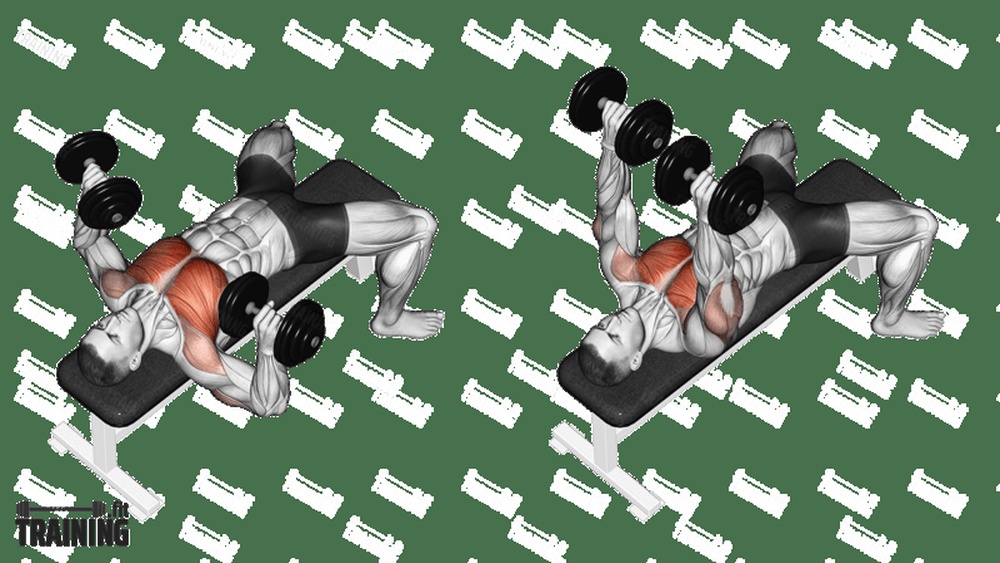
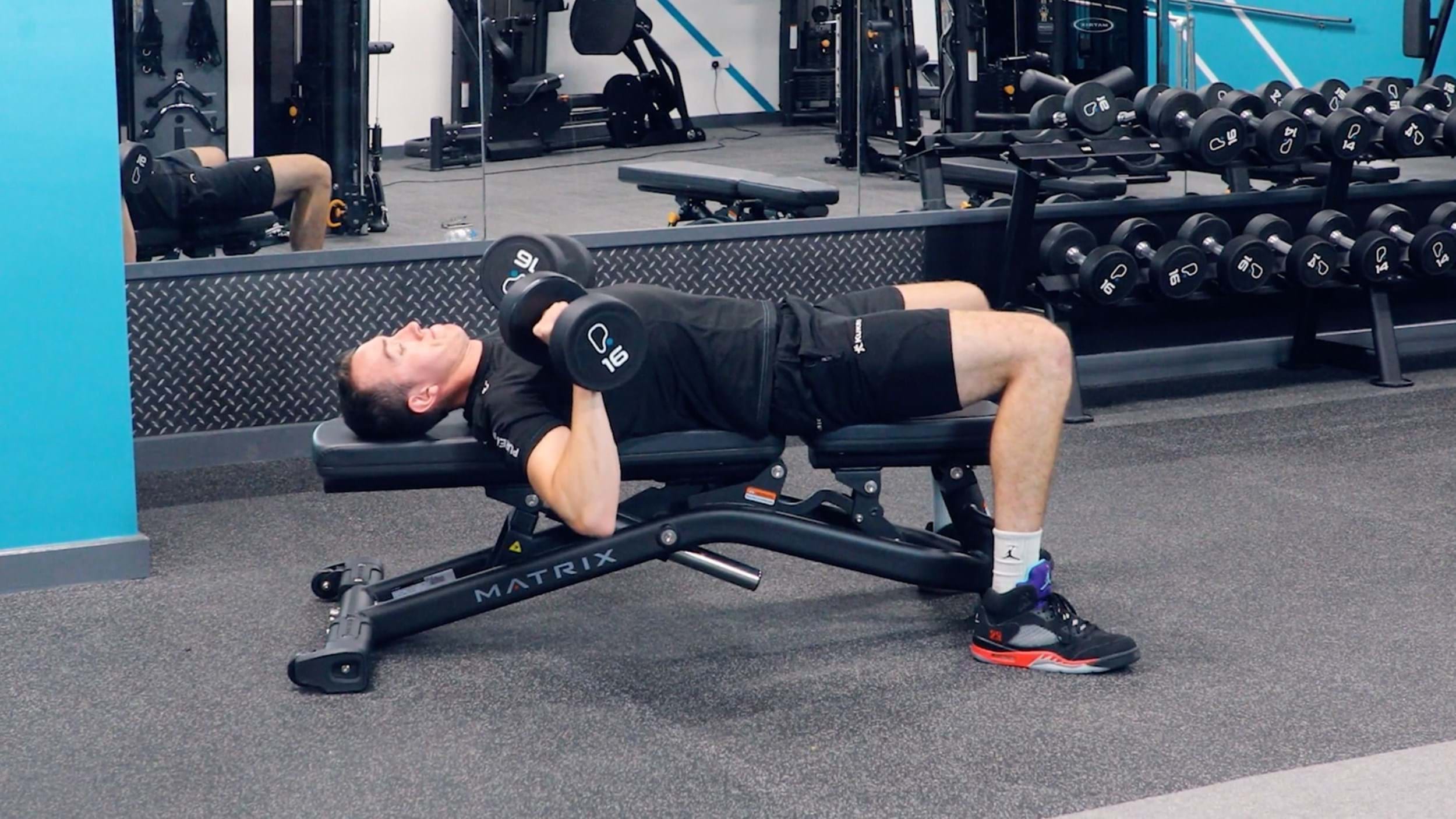
Lie flat on the bench with your feet firmly on the floor. Keep your back slightly arched but shoulders tight against the bench. Your head, shoulders, and hips should stay in contact with the bench. This stable base supports heavy lifts. Keep your chest up and push through your feet for power.
Hand And Arm Placement
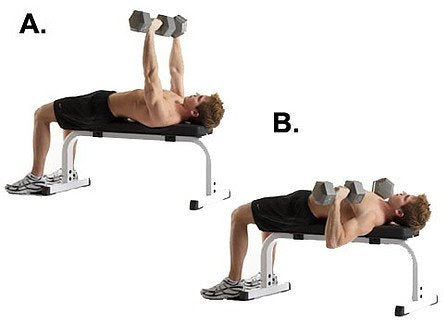
Hold the dumbbells with a firm grip. Your hands should be just outside shoulder width. Keep your wrists straight and aligned with your forearms. Lower the dumbbells slowly to chest level. Your elbows should be at about a 45-degree angle to your body. Press the weights up in a controlled, steady motion.
Common Mistakes To Avoid
Do not let your feet leave the floor. Avoid flaring elbows out too wide. Do not bounce the dumbbells off your chest. Keep wrists stable to prevent strain. Avoid lifting weights that are too heavy to control. These mistakes cause injury and reduce workout benefits.
Max Strength Assessment
Assessing your max strength in the dumbbell bench press helps measure your true power. It shows the maximum weight you can lift for one repetition. This test guides your training and helps set realistic goals. Understanding your one-rep max improves workout focus and safety.
Testing Your One-rep Max
Start with a light warm-up set to prepare muscles. Gradually increase the dumbbell weight over several attempts. Rest 2 to 3 minutes between tries for full recovery. Lift the heaviest dumbbells you can press once with good form. Stop if you feel pain or lose control.
Safety Precautions
Use a spotter or trainer for support during max lifts. Maintain proper form to avoid injury. Keep your back flat and feet stable on the floor. Avoid bouncing dumbbells off the chest. Stop immediately if you feel sharp pain or discomfort.
Tracking Progress Over Time
Record your max weight and date after each test. Compare numbers monthly to see strength improvements. Adjust your training plan based on progress. Celebrate small gains to stay motivated. Regular testing helps maintain focus and workout effectiveness.
Credit: www.puregym.com
Training Strategies
Training strategies play a key role in improving your dumbbell bench press. They help you build strength, increase muscle size, and avoid injuries. A smart plan guides your progress and keeps workouts effective.
Focus on methods that match your goals. Use techniques that push your limits safely. Include rest to let muscles grow and repair. This balance creates steady improvement.
Progressive Overload Techniques
Progressive overload means slowly increasing the weight or reps. This forces muscles to work harder and grow stronger. Start with a comfortable weight. Add small increases over time. Track your progress to know when to add more weight. Changing the speed of lifts also challenges muscles. Use slow, controlled movements for better results.
Rep Ranges For Strength
For strength, focus on lower reps with heavier weights. Aim for 3 to 6 reps per set. Use enough weight that the last rep is hard. Do 3 to 5 sets for best results. Rest longer between sets to recover. This helps you lift heavier and build power.
Incorporating Rest And Recovery
Rest is as important as training. Muscles need time to heal and grow. Take at least 48 hours between dumbbell bench press sessions. Sleep well to support recovery. Avoid training the same muscles every day. Use light activity or stretching on rest days. This reduces soreness and keeps you ready for the next workout.
Supplemental Exercises
Supplemental exercises improve your dumbbell bench press strength. They target muscles that assist during the lift. These exercises also help prevent injuries. Including them in your routine boosts overall performance. Focused work on smaller muscles supports bigger lifts.
Supporting Muscle Groups
Many muscles assist the dumbbell bench press. The chest, shoulders, and triceps do most of the work. The back and core stabilize your body. Strengthening these muscles improves lift control. Balanced muscle strength reduces the risk of injury.
Accessory Movements
Accessory exercises target muscles that support the bench press. Push-ups build chest and tricep strength. Dumbbell flyes focus on the chest muscles. Overhead presses develop shoulder power. Tricep dips help lock out the press. These movements add strength and endurance.
Improving Stability And Control
Stability is key for a strong bench press. Exercises like planks strengthen your core. Single-arm dumbbell presses improve balance. Using unstable surfaces challenges control. Better stability means safer, more effective lifts.
Nutrition For Strength
Nutrition plays a key role in building strength for the dumbbell bench press. Eating the right foods helps muscles grow and recover faster. It also fuels workouts and boosts energy. Without proper nutrition, progress will slow down.
Focus on balanced meals that support muscle repair and growth. Timing your food intake around workouts can improve performance. Proper hydration and supplements can also support strength gains.
Macronutrients Breakdown
Proteins are the building blocks of muscles. Aim for lean sources like chicken, fish, and beans. Carbohydrates provide energy to push through tough sets. Choose whole grains, fruits, and vegetables. Fats help hormone production and support joint health. Include healthy fats from nuts, seeds, and olive oil.
Pre- And Post-workout Meals
Eat a balanced meal 1 to 2 hours before training. Include carbs and protein for energy and muscle support. After your workout, eat protein and carbs within 30 minutes. This helps muscles recover and refuel energy stores. Avoid heavy or greasy foods before lifting to prevent discomfort.
Hydration And Supplements
Drink water before, during, and after your workout. Staying hydrated keeps muscles working well and reduces fatigue. Supplements like whey protein can help meet daily protein needs. Creatine may increase strength by improving energy in muscles. Consult a doctor before starting any supplements.
Avoiding Plateaus
Hitting a plateau during your dumbbell bench press routine can be frustrating. Your strength and progress may stall. Avoiding these plateaus keeps your workouts productive and your gains steady. Small changes and smart rest can help you push past limits.
Signs Of Stagnation
Notice if your dumbbell weights do not increase over weeks. Your muscles might feel tired or sore longer than usual. Workouts may feel harder without improvement. These are common signs your body needs a change.
Changing Workout Variables
Try adjusting your sets, reps, or rest times. Increase the dumbbell weight gradually but safely. Change the speed of your lifts to challenge muscles differently. Swap exercises to target muscles from new angles. These small tweaks can restart your progress.
Incorporating Deload Weeks
Take a week with lighter weights or fewer sets. This helps your muscles recover fully. Deload weeks reduce fatigue and lower injury risk. After resting, your strength often returns stronger. Plan these weeks every 4 to 6 weeks for best results.
Credit: www.fringesport.com
Frequently Asked Questions
How Much Dumbbell Weight Should Beginners Use?
Beginners should start with light dumbbells between 10-20 pounds. This helps build strength safely. Focus on proper form before increasing weight. Gradually increase weight as you get comfortable and strong.
What Is The Average Dumbbell Bench Press Weight?
The average dumbbell bench press weight varies by fitness level. Men typically press 40-70 pounds per dumbbell. Women usually lift 15-30 pounds each. Strength and experience influence these numbers significantly.
How Often Should I Increase Dumbbell Bench Press Weight?
Increase weight every 2-4 weeks based on progress. When 12-15 reps feel easy, add 5-10% more weight. This ensures steady strength gains without risking injury.
Can Dumbbell Bench Press Build Muscle Effectively?
Yes, dumbbell bench press targets chest, shoulders, and triceps muscles. It promotes muscle growth by allowing a full range of motion. Using progressive overload enhances muscle development efficiently.
Conclusion
Choosing the right dumbbell weight is key to safe progress. Start with a weight you can lift with good form. Gradually increase as your strength improves. Listen to your body to avoid injury. Consistency matters more than lifting heavy fast.
Focus on control and steady growth. This approach builds muscle and confidence. Keep challenging yourself, but stay patient. Your bench press will get stronger over time. Simple steps lead to lasting results.