Choosing the right dumbbell weight to start with can be confusing. If you pick weights that are too heavy, you risk injury or frustration.
Too light, and you won’t see the progress you want. Finding the perfect balance is key to building strength safely and effectively. You’ll discover exactly how to select the best dumbbell weight for your fitness level. By the end, you’ll feel confident and ready to start your workouts the right way.
Keep reading, because your journey to stronger muscles begins here.
Credit: trugrit-fitness.com
Choosing Your First Dumbbells
Picking the right dumbbells is important for a good workout start. The right weight helps you build strength safely and avoid injury. Beginners need dumbbells that challenge muscles but are easy to control. This balance makes exercise effective and enjoyable. Understanding key factors and common beginner weights helps make a smart choice.
Factors To Consider
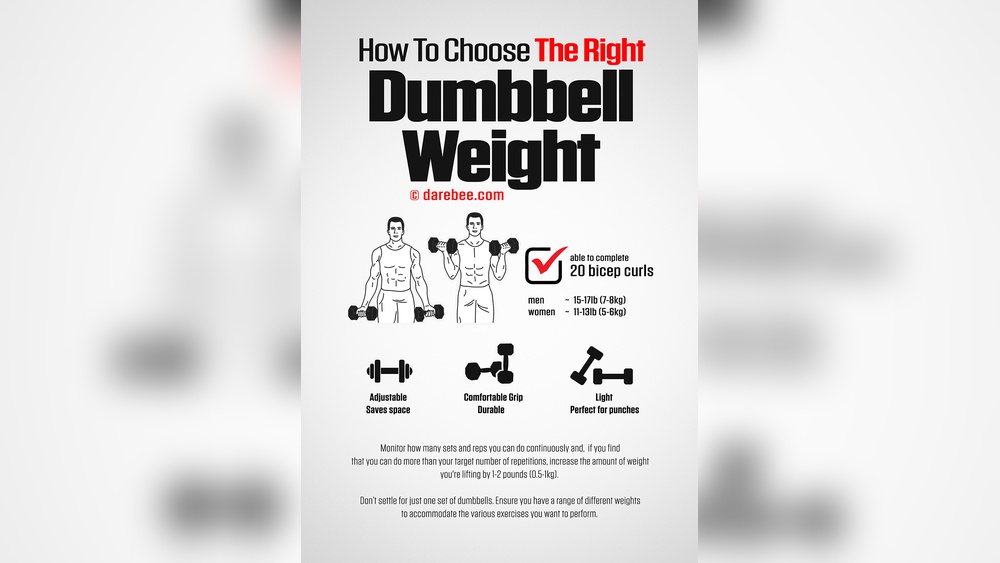
Muscle strength varies from person to person. Your current fitness level matters a lot. Start with a weight that feels comfortable to lift. Pay attention to your form during exercises. Choose a weight that allows 8 to 12 smooth repetitions. If you struggle or lose form, the weight is too heavy. If it feels too easy, pick a slightly heavier dumbbell. Consider the types of exercises you want to do. Some moves use lighter weights than others. Also, think about your workout goals. Building muscle needs heavier weights over time. Toning and endurance might need lighter weights but more repetitions.
Common Beginner Weights
Most beginners start with dumbbells between 3 to 10 pounds. Women often begin with 3 to 5 pounds. Men usually start with 5 to 10 pounds. These weights help learn proper technique safely. Adjustable dumbbells are a good choice for growing strength. They let you increase weight as you improve. Buying a small set with different weights also works well. Focus on form first, then increase weight slowly. Starting too heavy can cause injury or frustration. Choose a weight that feels challenging but manageable.

Credit: www.youtube.com
Assessing Your Fitness Level
Choosing the right dumbbell weight starts with knowing your fitness level. Assessing your strength helps avoid injury and boosts progress. This step ensures your workouts fit your current ability. Start slow and build up safely.
Body Strength Basics
Body strength varies from person to person. Some have more muscle or exercise experience. Others are new to lifting. Knowing your strength helps pick the right dumbbell. Use smaller weights if unsure. This prevents strain and improves form.
Testing Your Limits Safely
Test strength without risking injury. Begin with light dumbbells. Perform 8 to 12 slow, controlled reps. If the last reps feel hard but doable, the weight is good. Stop if you feel sharp pain. Gradually increase weight as you gain strength.
Types Of Dumbbell Workouts
Dumbbells fit many workout styles. Choosing the right weight depends on the type of exercises. Different workouts target strength, endurance, or flexibility. Each type needs a different approach to weight selection. Understanding these types helps you pick the best starting dumbbell weight.
Strength Training
Strength training uses heavier dumbbells. It builds muscle and power. Choose a weight that is hard to lift more than 8-12 times. This challenges muscles without causing injury. Focus on slow, controlled movements. Rest well between sets to recover.
Endurance Exercises
Endurance exercises use lighter weights with more repetitions. Aim for 15-20 or more reps per set. This improves muscle stamina and heart health. Pick a weight that tires muscles near the end of the set. Keep a steady pace to maintain energy.
Flexibility And Mobility
Flexibility workouts use very light dumbbells or none at all. They help increase range of motion and joint health. Use weights that feel easy and do not strain muscles. Movements should be smooth and gentle. This type helps prevent injury and improves movement.
Adjusting Weight Over Time
Adjusting dumbbell weight over time is key for steady progress. Starting with the right weight helps build strength safely. As your muscles grow, you need to increase weight to keep challenging them.
Changing weights avoids plateaus and keeps workouts effective. It also reduces injury risk by matching your current strength level. Listening to your body guides when to add more weight or take it easy.
Signs To Increase Weight
Finish sets easily without much effort. Perform all reps with good form and no shaking. Feel like the last reps are not challenging. Recover quickly between sets. These signs mean your muscles are ready for more weight.
Adding weight gradually keeps muscles adapting. Increase weight by small amounts to avoid strain. This helps build strength steadily and safely.
Avoiding Overtraining
Overtraining causes fatigue, soreness, and poor performance. Avoid lifting too heavy too soon. Give muscles time to rest and recover between sessions.
Listen to your body’s signals. Stop if you feel sharp pain or extreme tiredness. Balance workouts with rest days for better results.
Tips For Safe Dumbbell Use
Using dumbbells safely is key to building strength without injury. Proper technique and preparation protect your muscles and joints. Follow these tips to keep your workouts safe and effective.
Proper Form
Always keep your back straight. Avoid bending or twisting your spine during lifts. Hold dumbbells firmly but without tension. Move slowly and control each lift. Stop if you feel pain or discomfort. Proper form helps muscles work correctly and prevents injury.
Warm-up And Cool-down
Start with light exercises to warm your muscles. Simple movements like arm circles or walking prepare your body. After your workout, stretch to cool down. Stretching helps muscles relax and reduces soreness. Take 5 to 10 minutes for both warming up and cooling down.
Budget-friendly Dumbbell Options
Choosing dumbbells on a budget does not mean sacrificing quality. Many options fit small budgets and offer good value. This section explores two popular budget-friendly dumbbell types. Both work well for beginners and those watching their spending.
Adjustable Dumbbells
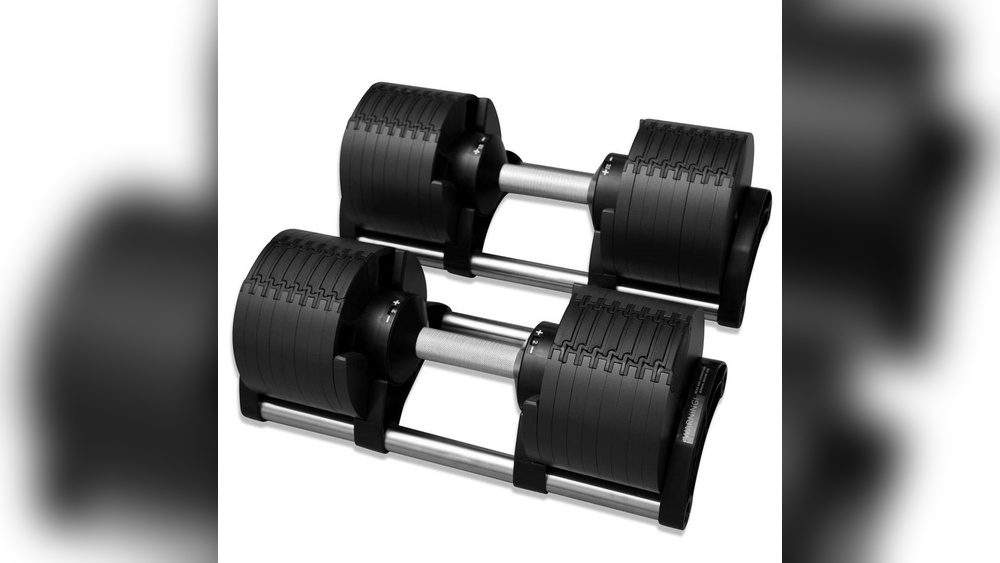
Adjustable dumbbells save space and money. They come with plates that you add or remove. This lets you change weights without buying many pairs. One set can replace five or more fixed pairs. Adjustable dumbbells work well for many exercises. They suit beginners who want to increase weight gradually.
Look for sets with easy-to-use locks. Heavy plastic or metal handles often feel comfortable. Buying adjustable dumbbells might cost more upfront. But they save money long term. Especially if you plan to lift heavier later.
Affordable Fixed Weights
Fixed dumbbells come in set weights. They usually cost less than adjustable ones. Buying a few light pairs fits small budgets well. Fixed weights are simple and durable. No moving parts mean less chance of breakage.
They are good for beginners who want to start with light weight. You can add new pairs as strength grows. Fixed dumbbells also work well for group workouts. Many fitness stores and online shops offer budget-friendly sets.

Credit: www.wikihow.com
Frequently Asked Questions
How Do I Choose The Right Dumbbell Weight To Start?
Start with a weight you can lift comfortably for 12-15 reps. It should challenge muscles without causing strain. Beginners often pick 5-10 lbs for upper body exercises. Adjust weight based on your strength and exercise type.
What Dumbbell Weight Is Best For Beginners?
Beginners should start with 5 to 10 lbs dumbbells. This range helps build strength safely. It allows proper form and reduces injury risk. Increase weight gradually as your muscles get stronger.
How Often Should I Increase Dumbbell Weight?
Increase weight every 2 to 3 weeks if exercises feel easy. Gradual increments help avoid injury and improve strength. Listen to your body and increase only when you can complete sets with good form.
Can I Use The Same Dumbbell Weight For All Exercises?
No, different exercises require different weights. Use lighter weights for smaller muscles like biceps. Heavier weights suit larger muscles like legs or chest. Adjust weight based on exercise and muscle group targeted.
Conclusion
Choosing the right dumbbell weight helps you exercise safely. Start light to learn the correct form and avoid injury. Increase weight slowly as your strength grows. Pay attention to your body’s signals. Rest when you feel pain or tiredness. Consistency matters more than heavy weights at first.
Enjoy your fitness journey step by step. This way, you build strength and confidence over time. Keep going, stay patient, and progress will come.