Are you wondering how much incline to use for your incline dumbbell press? Getting the right angle can make a huge difference in building your upper chest and avoiding injury.
Too little incline, and you might miss targeting the right muscles. Too much, and you could put unnecessary strain on your shoulders. You’ll discover the ideal incline settings that fit your goals and body type. Keep reading to find out how to maximize your gains and get the most from every rep.
Credit: www.liftingitalia.com
Benefits Of Incline Dumbbell Press
The incline dumbbell press offers many benefits for building upper body strength. It works muscles differently than the flat bench press. This exercise adds variety and improves muscle balance.
Using dumbbells allows a greater range of motion. It helps reduce muscle imbalances between arms. The incline angle targets specific chest and shoulder areas.
Targeted Muscle Groups
The incline dumbbell press mainly targets the upper chest muscles. It also works the front shoulder muscles and triceps. This focus helps create a fuller chest appearance.
Improved Upper Chest Development
Incline presses emphasize the upper part of the chest. This area often lags behind in growth. Training at an incline helps build a rounder, stronger upper chest.
Enhanced Shoulder Activation
The incline position increases shoulder muscle engagement. It helps strengthen the front deltoids. Stronger shoulders improve overall pressing power and stability.
Credit: www.muscleandstrength.com
Common Incline Angles Used
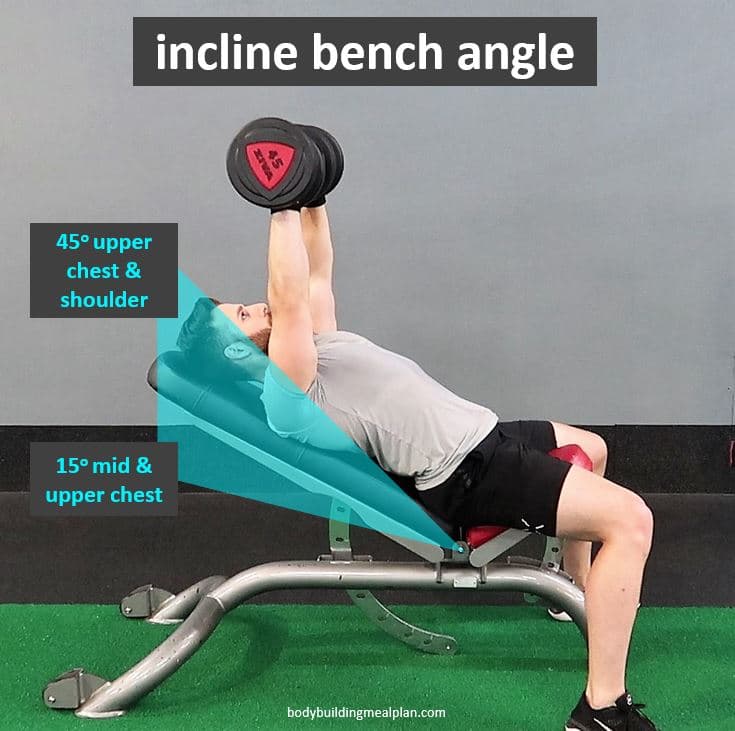
Choosing the right incline angle for the incline dumbbell press changes the muscle focus. Different angles target different parts of the chest. It also affects how much the shoulders and triceps work. Knowing common incline angles helps you pick the best one for your goals.
Most people use angles between 15 and 60 degrees. Each angle has unique benefits and challenges. Here are the common incline angles used for the incline dumbbell press.
15 Degrees
A 15-degree incline is close to flat. It targets the upper chest gently. This angle reduces shoulder strain. It works well for beginners or those with shoulder pain. The press feels natural and easy to control.
30 Degrees
At 30 degrees, the upper chest gets more focus. This angle balances chest and shoulder work. It is popular for building strength and size. The movement still feels comfortable but challenges muscles more.
45 Degrees
A 45-degree incline is the classic choice. It hits the upper chest hard. The shoulders also work more at this angle. It can be tough on some people’s shoulders. Good form is important to avoid injury.
60 Degrees And Beyond
Angles at 60 degrees or higher focus more on shoulders. The chest gets less work here. This angle is like a shoulder press with dumbbells. Use it if you want to train shoulders more than chest. Be careful with heavy weights at this steep angle.
Finding The Perfect Angle
Finding the perfect angle for the incline dumbbell press is key to effective workouts. The right incline targets different parts of the chest. Small changes in angle can change the muscles worked. This makes understanding the best angle important for your fitness goals.
Anatomy Considerations
The incline angle affects which chest muscles get worked. A lower incline, around 15 to 30 degrees, targets the upper chest more. A higher incline, near 45 degrees, also involves the shoulders. Too steep an angle shifts focus away from the chest. Knowing your body’s anatomy helps pick the best angle.
Personal Comfort And Mobility
Comfort matters during the incline dumbbell press. Some angles feel better than others for your shoulders. Limited shoulder mobility can cause pain at high inclines. Choose an angle that lets you lift safely without discomfort. Feel stable and strong throughout the movement.
Experimenting With Different Angles
Try different incline angles to find what works best. Start low and slowly increase the bench angle. Notice which position feels strongest and targets your chest well. Change angles every few weeks to avoid plateaus. Personal experience guides you to the perfect incline.
Impact Of Angle On Muscle Activation
The angle of the bench during an incline dumbbell press changes which muscles work hardest. Small changes in incline can shift the focus between your upper chest and shoulders. This affects how well you build muscle and avoid injury. Understanding this impact helps you train smarter and get better results.
Upper Chest Vs. Shoulders
At a lower incline, around 15 to 30 degrees, the upper chest takes most of the work. This angle targets the clavicular head of the pectoral muscle. As the incline rises above 45 degrees, the shoulders, especially the front deltoids, become more active. Too steep an incline turns the exercise almost into a shoulder press. Choosing the right angle helps focus on the upper chest without overloading the shoulders.
Range Of Motion Differences
Lower inclines allow a longer range of motion for the chest. You can stretch the muscles more deeply and push the weights further up. Higher inclines shorten this range, reducing chest activation. The shorter motion puts more stress on the shoulder joints. Adjusting the incline controls how much the chest muscles stretch and contract during each rep.
Preventing Injury
A steep incline can strain the shoulder joints and tendons. Many injuries happen because people use too much incline or heavy weights. Keeping the angle moderate protects the shoulders and avoids pain. Always use a controlled motion and avoid locking your elbows. Proper bench angle and good form reduce injury risk and improve workout safety.
Tips For Proper Form
Proper form is key to getting the most from the incline dumbbell press. Good form helps you work the right muscles and avoid injury. Follow these simple tips to keep your movements safe and effective.
Small changes in setup, grip, and breathing can make a big difference. Focus on each step for better results.
Bench Setup
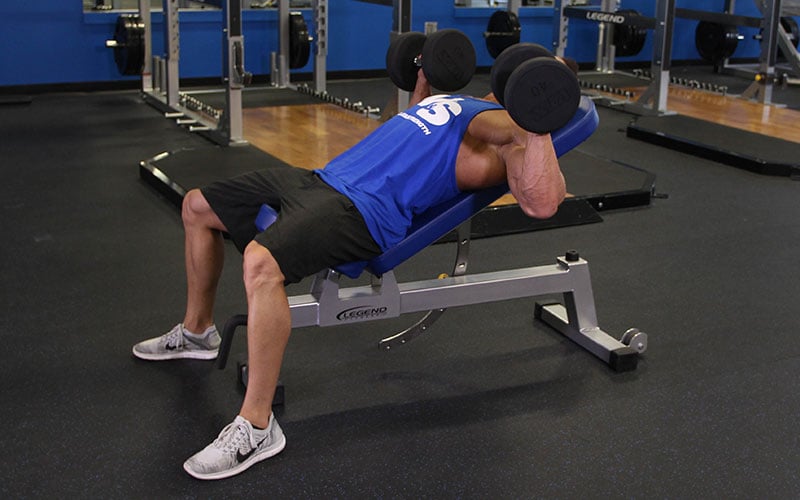
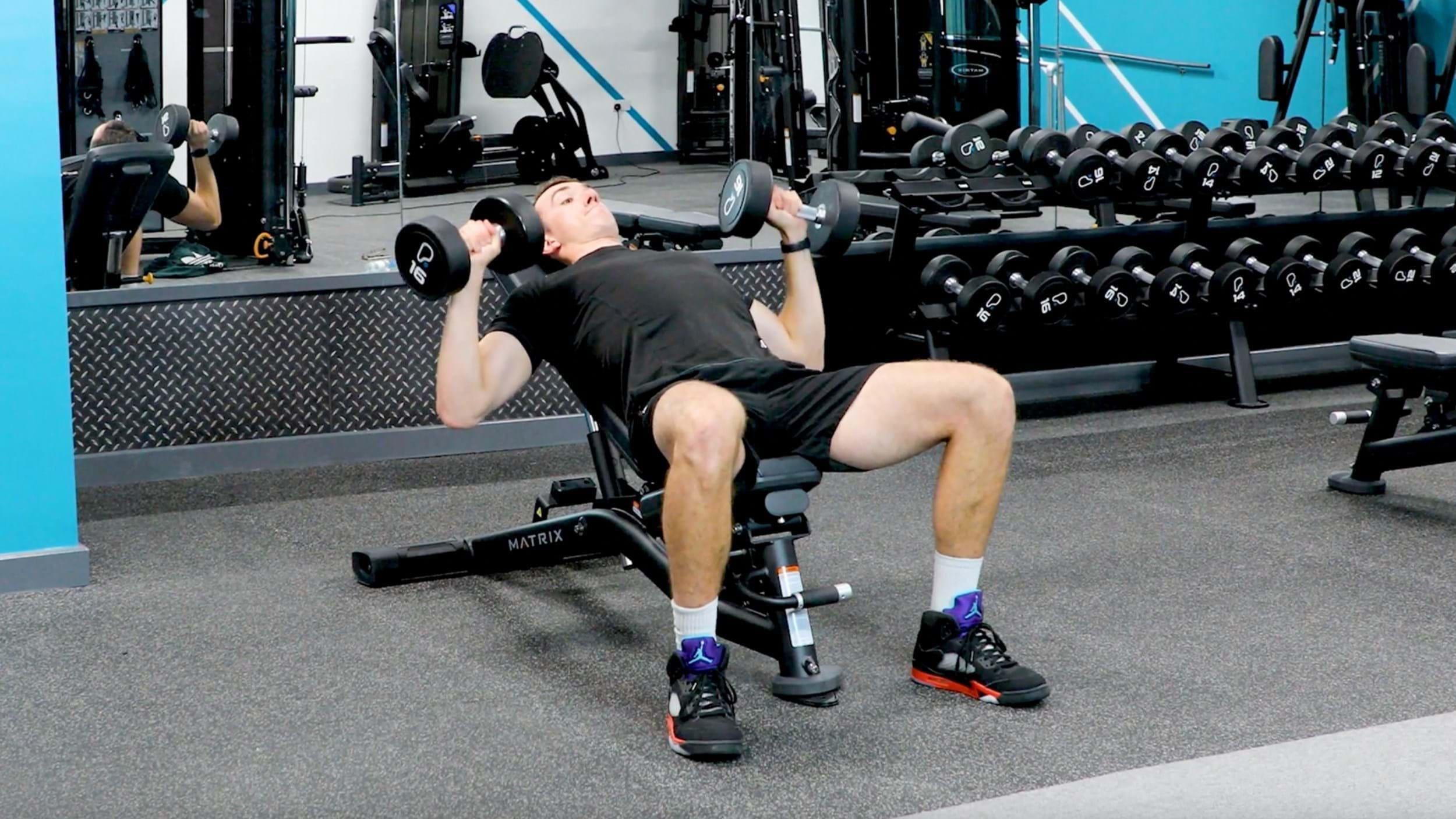
Set the bench at a 30 to 45-degree angle. This angle targets the upper chest well. Too steep can stress your shoulders. Keep your feet flat on the floor. Your back should stay pressed to the bench. This support helps you lift more safely.
Dumbbell Grip And Path
Hold the dumbbells with a neutral grip, palms facing forward. Lower the weights slowly to chest level. Bring the dumbbells down in line with your upper chest. Press up in a controlled arc. Avoid locking your elbows at the top. Keep tension on your muscles throughout.
Breathing And Tempo
Inhale as you lower the dumbbells down. Exhale while pressing the weights up. Use a steady, controlled pace. Pause briefly at the bottom for better muscle stretch. Avoid rushing. This helps build strength and control.
Common Mistakes To Avoid
Avoiding common mistakes during the incline dumbbell press helps you get better results. Mistakes can cause pain and stop muscle growth. Focus on form and position to stay safe and strong. Here are some key mistakes to watch out for.
Too Steep Or Too Flat
Setting the bench too steep targets the shoulders more than the chest. Too flat turns the move into a regular dumbbell press. Aim for a 30 to 45-degree angle. This angle hits the upper chest well without stressing the shoulders.
Elbow Positioning
Keep elbows at about a 45-degree angle to the body. Flaring elbows out too wide puts strain on your shoulders. Holding them too close reduces chest activation. Proper elbow position protects your joints and boosts chest work.
Overarching The Back
Arching your back too much puts pressure on the spine. Keep your back flat against the bench with a slight natural arch. Tighten your core to support your spine. This helps prevent injury and improves lifting power.
Incorporating Incline Dumbbell Press In Workouts
The incline dumbbell press targets the upper chest and shoulders well. It helps build strength and shape in those areas. Adding this exercise to your routine brings variety and balance. It also helps improve overall chest development. Proper planning ensures good results and fewer injuries.
Start with the right warm-up, combine with other chest exercises, and set the right frequency. These steps make your workout efficient and effective. Let’s explore how to do this correctly.
Warm-up Strategies
Always warm up before lifting weights. Begin with light cardio for 5-10 minutes. Follow with dynamic stretches for your shoulders and chest. Use light dumbbells to do a few warm-up presses. This prepares muscles and joints for heavier loads. Warming up reduces risk of injury and improves performance.
Pairing With Other Chest Exercises
Combine the incline dumbbell press with flat and decline presses. This targets the chest from different angles. Add push-ups or cable flys for variety. Mixing exercises helps build strength evenly. It also prevents workout boredom. Choose exercises that fit your goals and equipment.
Frequency And Volume
Train your chest 2-3 times per week for best results. Do 3-4 sets of 8-12 reps per session. Adjust weight to maintain good form. Rest 48 hours between chest workouts to allow recovery. Track your progress and increase weights gradually. Consistency is key for muscle growth and strength.
Credit: www.puregym.com
Frequently Asked Questions
What Is The Ideal Incline Angle For Dumbbell Press?
The ideal incline angle ranges between 30 to 45 degrees. This targets the upper chest effectively while minimizing shoulder strain.
How Does Incline Angle Affect Muscle Activation?
A higher incline angle emphasizes the shoulders more. A lower incline angle focuses more on the upper chest muscles.
Can I Use Different Inclines For Variety?
Yes, varying incline angles targets different upper chest regions. This approach promotes balanced muscle development and prevents plateaus.
Is 45 Degrees Best For Incline Dumbbell Press?
45 degrees is commonly recommended for optimal upper chest activation. It balances muscle engagement and joint comfort well.
Conclusion
Choosing the right incline angle matters for your dumbbell press. A 30 to 45-degree angle targets your upper chest best. Too steep, and your shoulders take over. Keep your form steady and controlled. Adjust the incline to fit your comfort and goals.
Small changes make a big difference in results. Remember to listen to your body during each set. Practice regularly, and you will see progress over time. Stay consistent, and enjoy building a stronger chest safely.