Have you ever picked up a dumbbell bar and wondered, “How much does this actually weigh?” Knowing the exact weight of your dumbbell bar is key to tracking your progress and avoiding injury. Whether you’re just starting out or aiming to boost your workouts, understanding this simple detail can make a big difference.
You’ll discover everything you need to know about dumbbell bar weights—so you can lift smarter, safer, and more confidently. Keep reading to find out how to get the most from every rep!
Types Of Dumbbell Bars
Dumbbell bars come in different types. Each type has a unique weight and design. Knowing the types helps you pick the right bar for your workout. It also tells you how much the bar itself weighs.
Here are the common types of dumbbell bars you will find.
Standard Bars
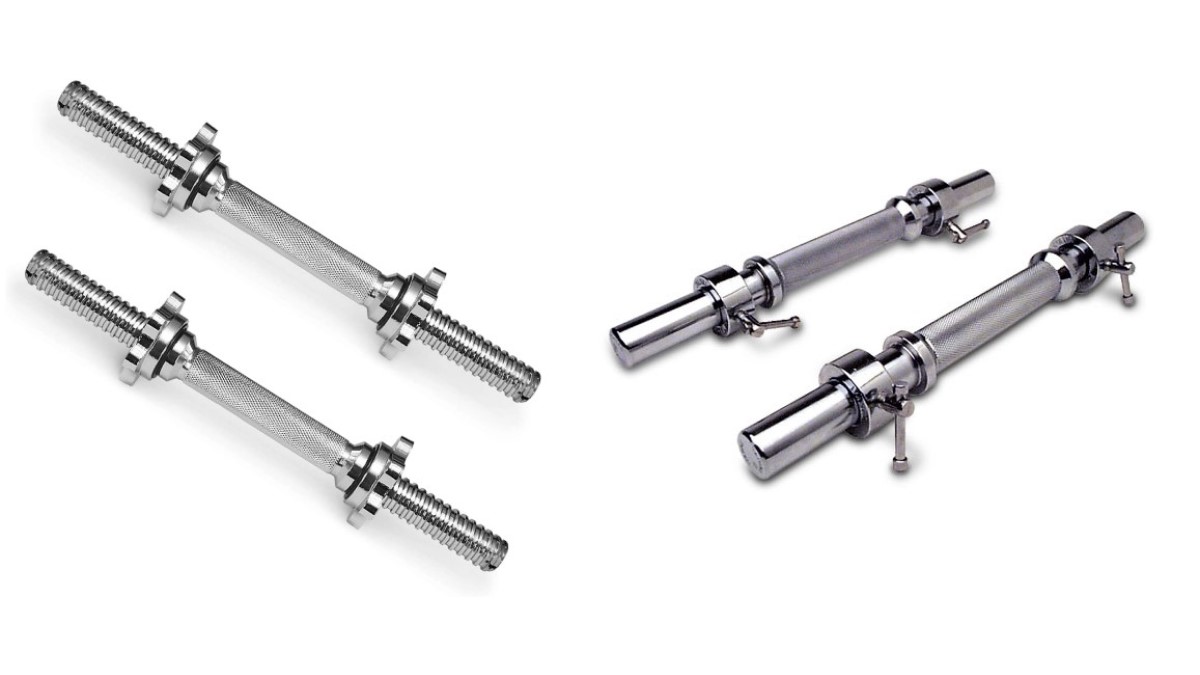
Standard bars are the most basic type. They usually weigh around 2 to 3 pounds. These bars fit small weight plates with a 1-inch hole. They are good for light workouts and beginners.
Olympic Bars
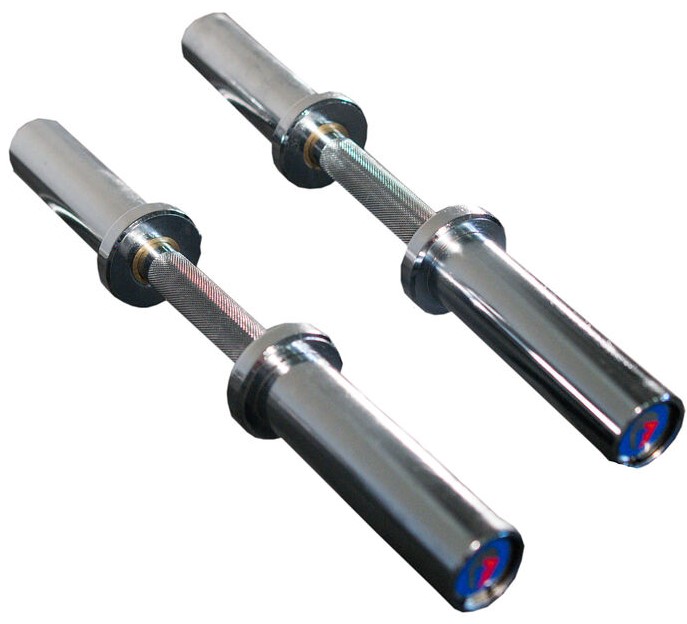
Olympic bars are thicker and heavier. They often weigh about 5 pounds. These bars hold larger plates with a 2-inch hole. They are common in gyms and for serious weightlifting.
Adjustable Bars
Adjustable bars let you change the weight easily. Their weight varies from 2 to 5 pounds. You add or remove plates to adjust the load. These bars offer flexibility for many workout levels.

Credit: barbellstandard.com
Weight Of Standard Dumbbell Bars
Standard dumbbell bars come in different weights depending on their build. Knowing their weight helps you plan your workouts better. It also ensures you handle the right load safely. Most dumbbell bars have a basic weight range that suits many exercises.
Understanding what affects the weight of these bars is useful. It helps you pick the right equipment for your fitness level. The weight also affects how easy it is to adjust your dumbbells.
Material And Design Impact
Most dumbbell bars are made from steel or chrome. Steel bars are heavier and very strong. Chrome bars look shiny but weigh less. Some bars have knurled grips for better hold. This adds a bit to the overall weight.
The design affects weight too. Thicker bars weigh more. Bars with collars to hold plates add extra weight. Some bars have rotating sleeves to reduce wrist strain. These may weigh slightly more than fixed bars.
Common Weight Ranges
Standard dumbbell bars usually weigh between 2 and 5 pounds. Most common bars weigh about 2.5 pounds each. Olympic dumbbell bars are heavier, around 7 pounds. Smaller bars for light workouts can weigh less than 2 pounds.
Choosing the right bar weight depends on your needs. Beginners may prefer lighter bars to start. More advanced users often choose heavier bars for stability. Always consider the bar weight when adding plates for total load.
Weight Of Olympic Dumbbell Bars
Olympic dumbbell bars have a specific weight that sets them apart from other types of bars. Knowing this weight helps you choose the right equipment for your workouts. These bars are designed for serious lifting and have standards that many gyms follow. Understanding their weight is important for tracking progress and safety.
Differences From Standard Bars
Olympic dumbbell bars are thicker and stronger than standard bars. They use larger sleeves to hold heavier plates. Standard bars are usually lighter and smaller in diameter. Olympic bars also have better bearings for smooth rotation. These features make Olympic bars better for heavy lifting. The weight of the bar itself is more consistent with Olympic bars.
Typical Weight Specifications
Most Olympic dumbbell bars weigh around 10 to 15 pounds. This is heavier than standard dumbbell bars that often weigh 5 pounds or less. The exact weight depends on the brand and model. Some bars are designed to be lighter for beginners. Others are heavier to support more weight plates. Knowing the bar weight helps you plan your total lifting load.
Credit: www.tworepcave.com
Adjustable Dumbbell Bars Weight Variations
Adjustable dumbbell bars come in various weight options. These bars let you change the weight plates easily. This flexibility suits different strength levels and exercises. Weight can vary based on size, material, and design. Understanding these factors helps choose the right bar for your workouts.
Effect Of Length And Material
Longer dumbbell bars usually weigh more. The length affects how many plates you can add. Short bars weigh less but hold fewer plates. Material impacts the weight too. Steel bars are heavier and more durable. Aluminum bars are lighter but less strong. Some bars have plastic coatings that add slight weight. The choice depends on your workout needs and preferences.
Popular Models And Their Weights
Standard adjustable dumbbell bars weigh between 2 and 5 pounds. Olympic bars are heavier, often around 5 to 7 pounds. Some compact models weigh as little as 1.5 pounds. Brands like CAP and Bowflex offer popular options. Each model varies in length and material, affecting the weight. Checking the product details before buying ensures the right fit for you.
Factors Affecting Dumbbell Bar Weight
The weight of a dumbbell bar depends on several factors. These factors change how heavy the bar feels during workouts. Knowing these can help choose the right dumbbell bar for your needs. Each factor plays a role in the total weight and how comfortable the bar is to use.
Material Composition
Dumbbell bars come in different materials like steel, chrome, or aluminum. Steel bars are the heaviest and most common. Chrome bars offer a balance of weight and rust resistance. Aluminum bars are lighter but less durable. The material affects the bar’s strength and weight directly.
Bar Length And Diameter
Longer bars weigh more because they use more material. The diameter also matters. Thicker bars add more weight and may feel bulkier. Shorter bars are lighter and easier to handle. Choosing the right length and diameter depends on your grip and workout type.
Additional Features
Some bars include features like knurling, collars, or spin sleeves. Knurling adds texture and weight. Collars secure weights and can add some mass. Spin sleeves allow smooth rotation and might increase overall weight slightly. These features improve performance but also affect the bar’s weight.
How To Measure Your Dumbbell Bar Weight
Knowing the weight of your dumbbell bar is important for tracking your workouts. It helps you understand how much total weight you lift. Measuring the bar itself is simple. You can use tools or check the bar’s details. This section explains two easy ways to find out the weight of your dumbbell bar.
Using A Scale
A scale is the most accurate way to measure your dumbbell bar weight. Place the empty bar on the scale. Make sure the scale is set to pounds or kilograms, depending on your preference. Read the number shown on the scale. This number is the weight of your dumbbell bar alone.
Use a flat, stable surface for the scale. Avoid holding the bar while weighing. This keeps the measurement precise. If you do not have a scale, try the next method.
Estimating Based On Specifications
Most dumbbell bars come with weight details from the maker. Check the product label or manual for the exact weight. Common dumbbell bars usually weigh between 2 and 5 pounds.
Measure the length and thickness of the bar if no label exists. Compare these with standard bars online. This gives a rough estimate of the bar weight. Remember, this method is less exact than using a scale.
Choosing The Right Dumbbell Bar Weight
Picking the right dumbbell bar weight is key for safe and effective workouts. The bar itself adds weight, so knowing its mass helps you plan your exercises well. Choosing a bar that fits your strength and workout style makes lifting easier and more fun.
Different bars have different weights. Some are light and easy to handle. Others are heavier for serious lifters. Think about your fitness level before choosing a bar. The right weight keeps your form good and lowers injury risk.
Matching Fitness Goals
Match the bar weight to your fitness goals. For muscle building, a heavier bar works better. It challenges your muscles more. For toning and endurance, a lighter bar is fine. It allows more reps without strain. Choose a bar that helps reach your specific goals smoothly.
Considering Workout Style
Your workout style affects bar choice. For fast, high-rep workouts, pick a lighter bar. It lets you move quickly and keep good form. For slow, heavy lifting, a sturdier, heavier bar fits best. This supports steady, controlled movements. Think about how you train to find the right bar weight.
Credit: www.tworepcave.com
Frequently Asked Questions
How Much Does A Standard Dumbbell Bar Weigh?
A standard dumbbell bar typically weighs around 5 pounds (2. 27 kg). This weight excludes any added plates and is common for home gyms and light workouts.
Are There Different Weights For Dumbbell Bars?
Yes, dumbbell bars come in various weights. Some weigh as little as 2. 5 pounds, while Olympic bars can weigh up to 15 pounds. It depends on the bar type and brand.
Does The Dumbbell Bar Weight Affect Workouts?
Yes, the bar’s weight influences your total lifting weight. Knowing the bar weight helps you track progress and ensures balanced training for better results.
How To Find The Exact Weight Of My Dumbbell Bar?
Check the manufacturer’s specifications or use a scale. Many bars have the weight stamped on the collar or handle for easy identification.
Conclusion
Dumbbell bars usually weigh between 2 and 5 pounds. Knowing their weight helps you plan workouts well. Different bars suit different exercises and goals. Always check the weight before you buy or use. This small detail can affect your training results.
Choose the right bar for your strength level. Keep your workouts safe and effective. Simple steps lead to steady progress.