Are you wondering how much weight you should be lifting when doing a dumbbell bench press? Finding the right amount can be tricky, but it’s key to building strength without risking injury.
Whether you’re just starting out or looking to push your limits, knowing what counts as a good dumbbell bench press for your body can make all the difference. You’ll discover simple ways to measure your progress and set smart goals that fit your fitness level.
Keep reading to unlock the secrets to lifting smarter and getting stronger, faster.
Dumbbell Bench Press Basics
The dumbbell bench press is a popular exercise for building upper body strength. It uses dumbbells instead of a barbell. This allows for a greater range of motion and helps balance muscle work on both sides. Understanding the basics of this exercise ensures safety and better results.
Starting with proper form, knowing which muscles are targeted, and choosing the right equipment helps you get the most from your workout.
Proper Form And Technique
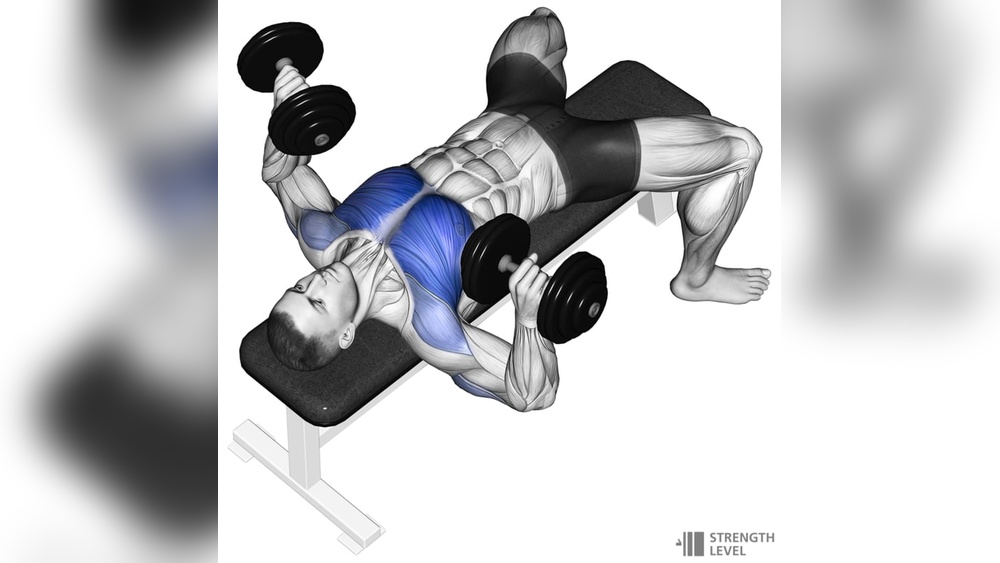
Lie flat on a bench with a dumbbell in each hand. Keep your feet flat on the floor. Hold the dumbbells at chest level with your palms facing forward. Press the dumbbells up until your arms are straight but not locked. Lower the weights slowly back to the start. Keep your back flat and avoid arching. Control your movements to prevent injury.
Muscles Targeted
The dumbbell bench press mainly works the chest muscles. It also engages the shoulders and triceps. Using dumbbells activates smaller stabilizer muscles for better balance. This can improve overall arm and shoulder strength. It is a good exercise for building upper body muscle evenly.
Equipment Selection
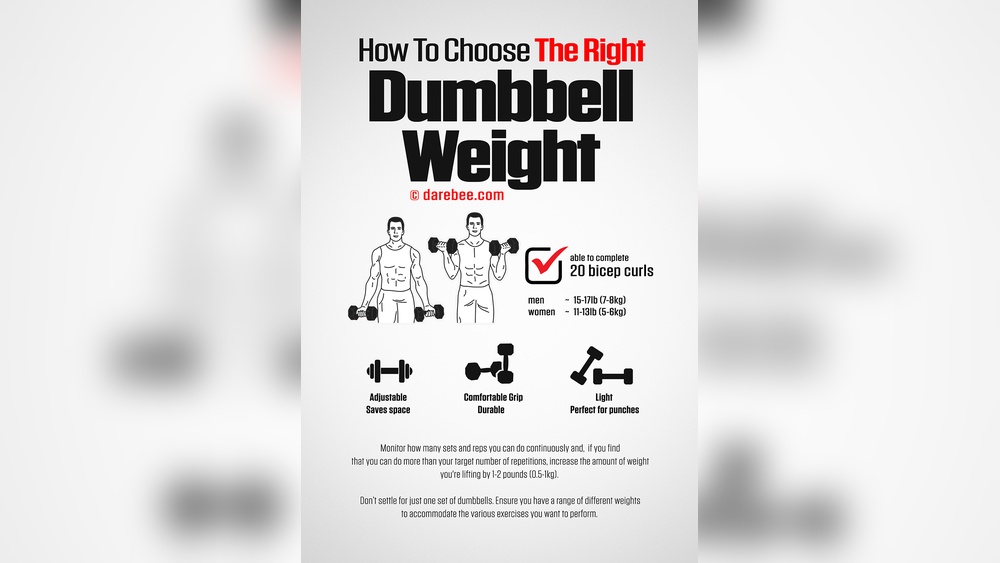
Choose dumbbells that fit your current strength level. Start with lighter weights to learn form. Adjustable dumbbells save space and offer weight variety. A sturdy, flat bench is important for support. Make sure the bench is stable and comfortable. Proper equipment helps prevent injuries and improves workout quality.
Factors Influencing Strength Levels
Strength levels in the dumbbell bench press vary widely. Several key factors shape how much weight a person can lift. Understanding these factors helps set realistic goals. It also guides proper training and progress tracking. Let’s explore the main influences on strength.
Body Weight And Size
Heavier and larger bodies often have more muscle mass. This can lead to higher lifting capacity. Bigger muscles produce more force during the bench press. However, body fat does not contribute to strength. Muscle size and quality matter the most. Smaller individuals might lift less but can still build strength over time.
Training Experience
Beginners usually start with lower weights. Their muscles and nervous system adapt over time. Experienced lifters develop better technique and muscle coordination. This improves their strength and efficiency. Consistent training increases muscle size and endurance. Strength gains slow down after years of training but still happen.
Age And Gender
Strength peaks around the late 20s to early 30s. After this, muscle mass gradually decreases. Older lifters often need more recovery time. Gender also influences strength levels. Men generally have more muscle mass and testosterone. This can make them stronger on average. Women can still develop impressive strength with proper training.
Average Dumbbell Bench Press Weights
Understanding average dumbbell bench press weights helps track progress. It guides setting realistic goals for strength training. Weight expectations differ by experience level and fitness background.
Knowing typical weights lifts for each group makes workouts safer. It encourages steady improvement without risking injury. Below are common weight ranges for different lifter levels.
Beginners
Beginners often start with light dumbbells to learn form. Women may begin with 5 to 15 pounds per dumbbell. Men usually start between 15 and 25 pounds each. Focus on control and steady reps over heavy weights.
Intermediate Lifters
Intermediate lifters build strength with moderate dumbbell weights. Women often press 15 to 30 pounds per dumbbell. Men generally lift between 30 and 50 pounds each. This stage increases muscle endurance and power.
Advanced Lifters
Advanced lifters handle heavier dumbbells with solid technique. Women can bench press 30 to 50 pounds per dumbbell or more. Men typically lift 50 to 80 pounds each or higher. Strength gains come from consistent training and proper recovery.

Credit: strengthlevel.com
Setting Realistic Strength Goals
Setting realistic strength goals is key to success in dumbbell bench press training. Clear goals help keep you motivated and safe. It also prevents frustration and injury. Realistic targets guide your progress in a smart way.
Assessing Current Strength
Start by knowing your current dumbbell bench press strength. Use a weight you can lift with good form for 8 to 12 reps. This helps find your starting point. Write down the weight and reps you complete. This baseline shows where you begin and helps plan your next steps.
Progress Tracking Methods
Track your progress every week or two. Note changes in weight, reps, and sets. Use a workout journal or app to record details. Photos and videos also help see form improvements. Tracking shows small gains that build over time. It keeps you focused and aware of growth.
Adjusting Goals Over Time
Strength gains are not always steady. Some weeks you improve, others you rest or slow down. Adjust your goals based on progress and how you feel. Increase weights gradually to avoid injury. Reset targets if you hit a plateau. Flexible goals keep training effective and enjoyable.
Training Strategies To Improve Press
Training to improve your dumbbell bench press requires smart planning. Focused strategies help build strength and improve your technique. Consistency and proper methods bring steady progress.
Use specific training approaches to increase your dumbbell press weight safely and effectively.
Progressive Overload
Progressive overload means gradually increasing the weight you lift. This challenges your muscles to grow stronger over time. Increase the dumbbell weight or reps little by little. Avoid big jumps to reduce injury risk. Track your progress to know when to add weight or reps.
Volume And Frequency
Volume is the total amount of work done, like sets and reps. Frequency is how often you train the press each week. Balance these to avoid overtraining. Aim for 2-3 sessions per week. Use enough volume to stress muscles but allow time to recover. Rest is key to muscle growth and strength.
Accessory Exercises
Accessory exercises target muscles that support the dumbbell press. Include chest flies, tricep dips, and shoulder presses. Strengthen these muscles to help your main lift. They improve muscle balance and reduce injury risk. Add these exercises 1-2 times weekly for best results.
Credit: learn.athleanx.com
Common Mistakes To Avoid
A good dumbbell bench press can boost strength and muscle growth. Avoid common mistakes to get the best results. These mistakes can cause injuries or slow progress.
Poor Form
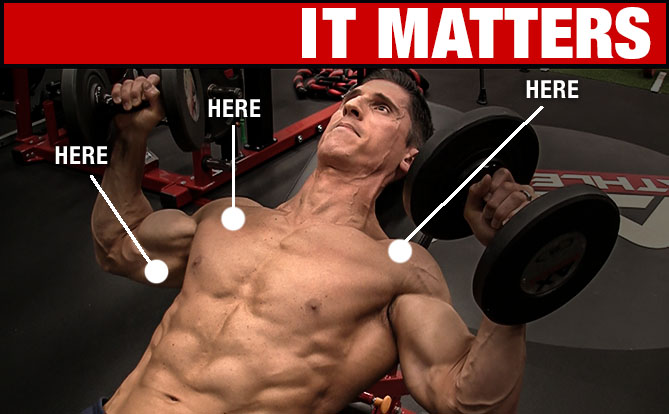
Using poor form reduces the exercise’s effectiveness. Keep your back flat and feet planted firmly. Lower the dumbbells slowly and evenly. Avoid flaring your elbows out too much. Good form protects your shoulders and chest.
Overtraining
Training the dumbbell bench press every day can lead to fatigue. Muscles need time to recover and grow. Rest days help avoid injury and burnout. Balance your workouts with other exercises and rest.
Neglecting Warm-up
Skipping a warm-up increases the risk of injury. Warm muscles perform better and move more easily. Start with light weights or dynamic stretches. Prepare your chest, shoulders, and arms for the workout.
Safety Tips And Injury Prevention
Safety is key when performing the dumbbell bench press. Following simple tips helps avoid injuries and builds strength safely. Knowing how to protect your body allows you to train longer and better.
Spotting Techniques
Having a spotter can keep you safe during heavy lifts. A spotter watches closely and helps if the weights feel too much. Communicate clearly with your spotter before starting. This teamwork reduces risk and boosts confidence.
Proper Warm-up And Cool-down
Start with light exercises to warm your muscles. Warm-ups increase blood flow and prepare joints for lifting. After training, cool down with gentle stretches. This helps muscles recover and lowers soreness.
Listening To Your Body
Pay attention to pain or discomfort during lifts. Stop immediately if something feels wrong. Rest and seek advice if pain continues. Your body signals when it needs care or rest.

Credit: www.youtube.com
Frequently Asked Questions
What Is A Good Dumbbell Bench Press Weight?
A good dumbbell bench press weight depends on your fitness level. Beginners may start with 15-25 lbs per dumbbell. Intermediate lifters often use 40-60 lbs. Advanced lifters may press 70 lbs or more per dumbbell. Always prioritize form and gradual progression for safety.
How Many Reps Define A Good Dumbbell Bench Press?
Performing 8-12 reps per set is standard for strength and muscle growth. Adjust weight so the last reps challenge you but maintain good form. Doing 3-4 sets within this rep range is effective for building strength with dumbbell bench presses.
How To Measure Progress In Dumbbell Bench Press?
Track the weight lifted, reps completed, and sets performed over time. Increasing any of these factors indicates progress. Consistent improvement in these metrics shows strength gains and better muscular endurance with the dumbbell bench press.
What Factors Affect Dumbbell Bench Press Performance?
Key factors include training experience, muscle strength, technique, and consistency. Recovery, nutrition, and overall fitness also influence performance. Proper warm-up and avoiding injury are crucial to maximize dumbbell bench press results.
Conclusion
Choosing a good dumbbell bench press weight depends on your strength and goals. Start with lighter weights to build form and avoid injury. Gradually increase the weight as you gain confidence and muscle. Focus on steady progress, not quick jumps.
Remember, consistency matters most in strength training. Keep track of your lifts to see improvement. Stay patient and enjoy the process. Your ideal dumbbell bench press weight will come with time and practice.