Have you ever wondered how much weight you should be pressing when you do the dumbbell shoulder press? It’s a common question that many people struggle with, whether you’re just starting out or have been training for a while.
Knowing the right amount can help you avoid injury, build strength effectively, and track your progress with confidence. You’ll discover clear guidelines to find your ideal dumbbell weight, so you can push yourself safely and see real results. Ready to take your shoulder workout to the next level?
Keep reading to find out exactly what you need to know.
Dumbbell Shoulder Press Basics
The dumbbell shoulder press is a popular exercise for building strong shoulders. It helps improve upper body strength and stability. Many people use dumbbells because they allow a natural range of motion. This exercise can suit beginners and advanced lifters alike.
Understanding the basics of the dumbbell shoulder press is important. Proper technique helps avoid injury and get the best results. Below are key points about the muscles worked, correct form, and common mistakes to avoid.
Muscles Worked
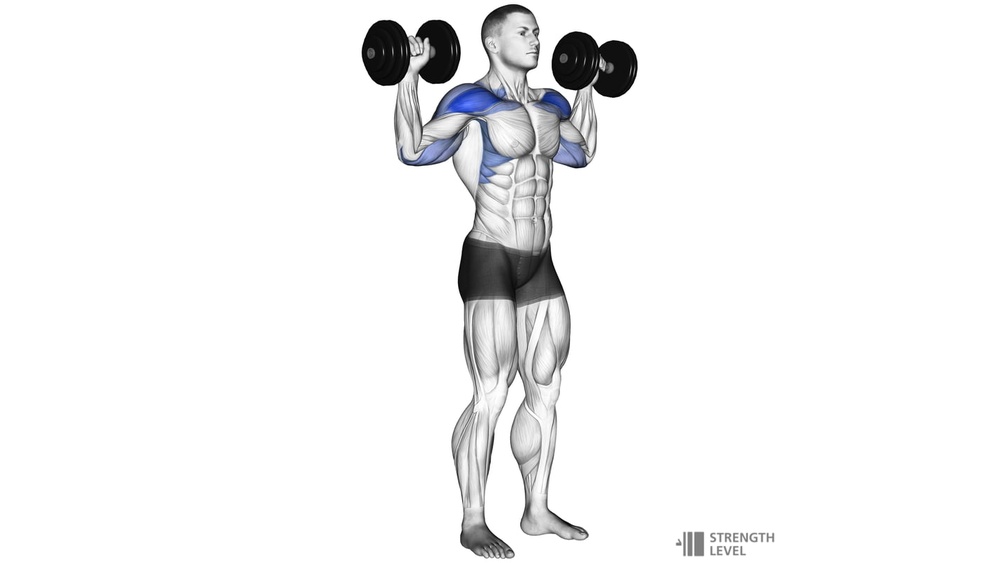
The dumbbell shoulder press mainly targets the deltoid muscles. These are the rounded muscles on the top of your shoulders. It also works the triceps, which are on the back of your upper arms. The trapezius, or upper back muscles, assist in lifting the weights. Core muscles help keep your body stable during the movement.
Proper Form
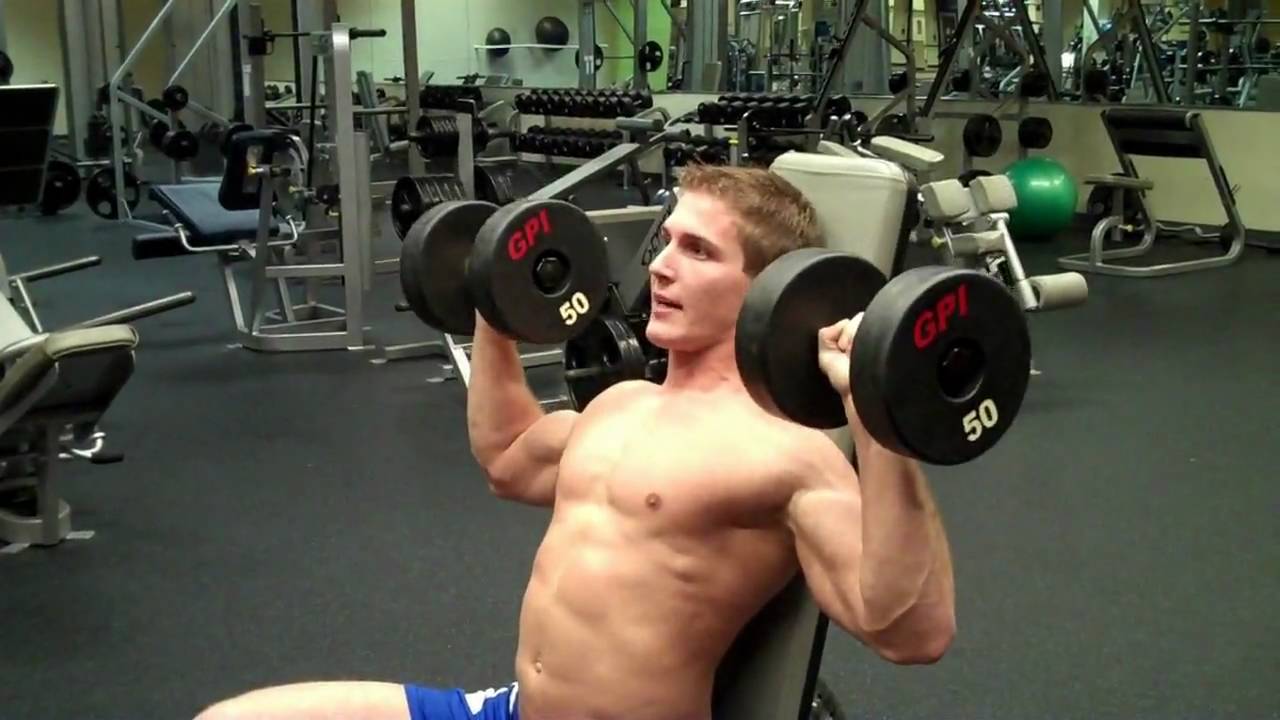
Start by sitting or standing with a dumbbell in each hand. Hold the weights at shoulder height with palms facing forward. Keep your back straight and feet flat on the ground. Press the dumbbells upward until your arms are fully extended. Lower the dumbbells slowly back to the starting position. Keep your movements controlled and steady. Avoid locking your elbows at the top.
Common Mistakes
One common mistake is arching the lower back too much. This can cause strain and injury. Lifting weights that are too heavy leads to poor form. Letting the dumbbells drift forward or backward reduces muscle engagement. Not controlling the lowering phase wastes workout benefits. Holding your breath during the press increases tension. Remember to breathe evenly throughout the exercise.

Credit: www.youtube.com
Factors Affecting Your Dumbbell Press
Many things affect how much weight you can press with dumbbells. Some factors are part of who you are. Others depend on your habits and body. Knowing these helps set real goals. It also helps track your progress better.
Age And Gender
Strength changes with age. Younger people usually lift more. Muscles get smaller and weaker with time. Men often have more muscle than women. This can mean higher dumbbell weights. Women still build strong shoulders too. Age and gender set a natural range for strength.
Training Experience
Beginners start with lighter weights. Their muscles need time to grow. Regular practice helps increase strength. Experienced lifters press heavier dumbbells. Technique also improves over time. Better form means lifting more safely. Training frequency and consistency matter a lot.
Body Weight And Size
Larger bodies often support more weight. More muscle mass helps in pressing dumbbells. Body fat does not add strength. Taller people may have longer arms to move. This can affect pressing power. Your size sets a baseline for possible strength.
Average Dumbbell Shoulder Press Weights
Knowing the average dumbbell shoulder press weights helps track your progress. It also sets realistic goals for your strength training. These averages vary based on experience and fitness level. Let’s explore the typical weights for beginners, intermediates, and advanced lifters.
Beginner Standards
Beginners usually start with light dumbbells to build form and strength. Most can press between 10 to 20 pounds per hand. This range helps avoid injury and improves muscle control. Focus on steady improvement rather than heavy weights at this stage.
Intermediate Levels
Intermediate lifters handle heavier dumbbells with better technique. The average weight ranges from 20 to 40 pounds per hand. This level shows increased muscle endurance and power. Consistent training is key to reaching and maintaining this range.
Advanced Benchmarks
Advanced lifters press significantly heavier dumbbells. They often lift 40 to 60 pounds or more per hand. This strength reflects high muscle development and control. Advanced training includes variations to challenge and grow shoulder muscles further.
Improving Your Dumbbell Shoulder Press
Improving your dumbbell shoulder press requires focused effort and smart training. This lift targets your shoulders and triceps. Building strength here helps with many daily tasks and other exercises.
Consistent practice with the right methods will boost your pressing power. Small changes can lead to big gains over time. Let’s explore ways to improve your dumbbell shoulder press safely and effectively.
Strength Training Tips
Use a full range of motion during every press. Keep your back straight and core tight to avoid injury. Start with lighter weights to perfect your form. Rest well between sets to allow muscle recovery. Use controlled movements instead of rushing through reps. Focus on breathing out as you press the dumbbells up.
Accessory Exercises
Include exercises like lateral raises to strengthen shoulder muscles. Front raises help target the front delts. Tricep dips or pushdowns improve arm strength for pressing. Face pulls build rear shoulder stability. These exercises support your main lift and reduce injury risk.
Progressive Overload Techniques
Increase the dumbbell weight gradually over weeks. Add more sets or reps to challenge muscles. Try slowing down the lowering phase for better muscle control. Use drop sets to push muscles past fatigue. Track your progress to stay motivated and consistent.
Avoiding Injury
Avoiding injury during the dumbbell shoulder press is key. This exercise targets your shoulders but can strain muscles and joints. Taking steps to protect your body helps you train longer and better. Follow safe habits to keep your shoulders strong and pain-free.
Warm-up Routines
Start with light cardio for 5 to 10 minutes. This raises your heart rate and warms muscles. Then, do shoulder circles and arm swings. These move the joints gently. Use light dumbbells or no weight to practice the press. Warm muscles and joints reduce injury risk.
Joint Safety
Keep your wrists straight and aligned with your forearms. Avoid locking your elbows at the top of the lift. Maintain a controlled motion, not jerky or fast. Use weights that match your strength level. Stop if you feel sharp pain or discomfort.
Recovery Strategies
Rest your shoulders between workout days. Use ice packs if you feel soreness. Stretch your shoulder muscles gently after exercise. Sleep well to help muscle repair. Drinking water aids recovery and keeps tissues healthy.
Credit: www.youtube.com
Tracking Your Progress
Tracking your progress is key to improving your dumbbell shoulder press. It helps you see gains over time. Without tracking, you might miss small improvements or plateaus. Keeping track keeps you motivated and focused. It guides you on when to push harder or rest.
Setting Realistic Goals
Start by setting clear, achievable goals. Choose a weight you can lift with good form. Aim to increase this weight slowly over weeks. Small steps lead to steady progress. Avoid setting goals that are too high or too fast. Realistic goals prevent frustration and injury.
Using Training Logs
Write down your workouts in a training log. Include weights, sets, and reps for each session. Note how you feel during each workout. This record shows patterns and progress over time. It helps identify what works best for you. Use a notebook or a simple app on your phone.
Adjusting Your Plan
Review your training log regularly. If progress stalls, change your plan slightly. Add more weight, change reps, or improve your rest time. Listen to your body’s signals to avoid burnout. Adjustments keep your workouts effective and safe. Stay flexible and patient with your progress.

Credit: ericrobertsfitness.com
Frequently Asked Questions
How Much Weight Is Average For Dumbbell Shoulder Press?
The average weight varies by experience. Beginners typically press 15-25 lbs per dumbbell. Intermediate lifters manage 30-40 lbs. Advanced lifters can press 50+ lbs. Strength depends on age, gender, and training consistency.
How To Increase Dumbbell Shoulder Press Strength Safely?
Gradually increase weight and focus on form. Incorporate rest days to avoid injury. Use proper warm-up and controlled movements. Consistent training and nutrition support muscle growth and strength gains.
What Is A Good Dumbbell Shoulder Press For Beginners?
A good starting weight is 10-15 lbs per dumbbell. Focus on mastering form and controlled motion. Avoid heavy weights until technique improves. This prevents injury and builds a strong foundation.
How Often Should I Train Dumbbell Shoulder Press?
Train shoulder press 1-3 times weekly. Allow 48 hours of rest between sessions. Overtraining can cause injury and hinder progress. Balance with other shoulder and upper body exercises.
Conclusion
Knowing how much you should press with dumbbells helps track your progress. Start with light weights to learn the right form. Gradually add weight as you get stronger and more confident. Everyone’s strength grows at a different pace. Focus on steady improvement, not just heavy lifting.
Consistency and good technique matter most for safe workouts. Keep challenging yourself, but listen to your body to avoid injury. Strength will come with time and effort. Stay patient and enjoy the journey to stronger shoulders.