Are you wondering how much weight you should be able to lift when doing the incline dumbbell press? You’re not alone.
Knowing the right amount to press can help you build muscle safely and avoid injury. But it’s not just about lifting heavy—you want to challenge yourself without overdoing it. You’ll discover the factors that determine your ideal incline dumbbell press weight and how to find the perfect balance for your strength and goals.
Keep reading to unlock the secrets to boosting your chest workout effectively.
Credit: www.muscleandstrength.com
Incline Dumbbell Press Basics
The incline dumbbell press is a popular exercise for building upper chest strength. It uses dumbbells and a bench set at an angle. Understanding the basics helps you perform it safely and effectively. This section breaks down the key points to get started.
Targeted Muscles
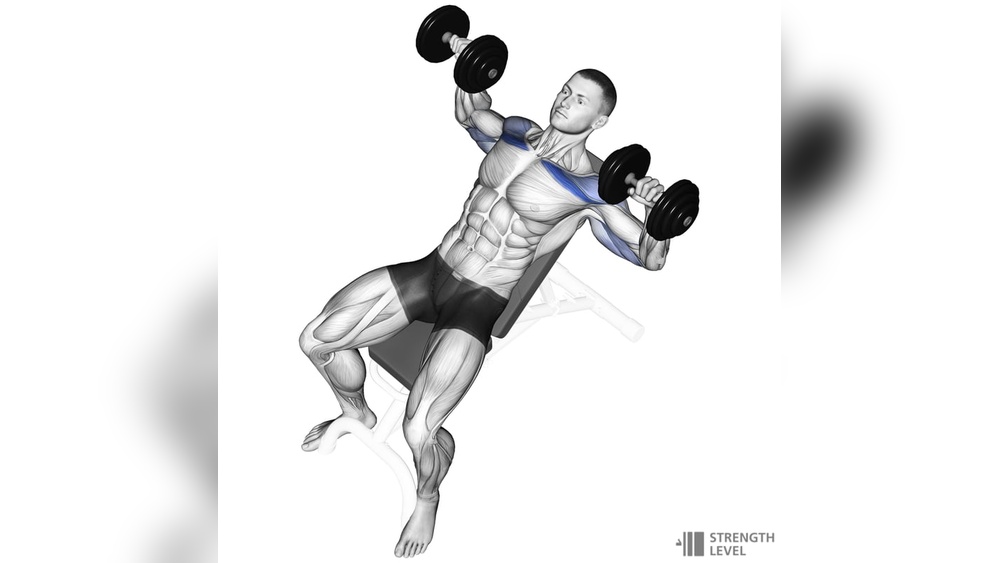
The incline dumbbell press mainly works the upper chest muscles. It also engages the shoulders and triceps. This exercise helps create a balanced, strong upper body. Using dumbbells allows each arm to work independently. This reduces muscle imbalances and improves coordination.
Proper Form
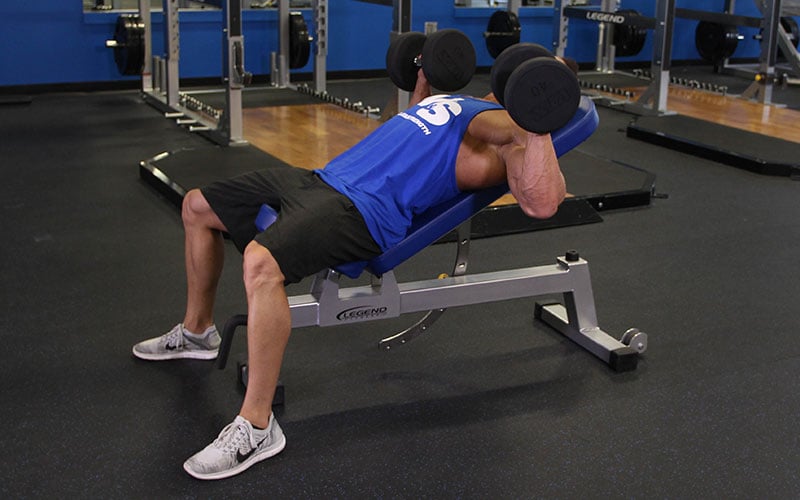
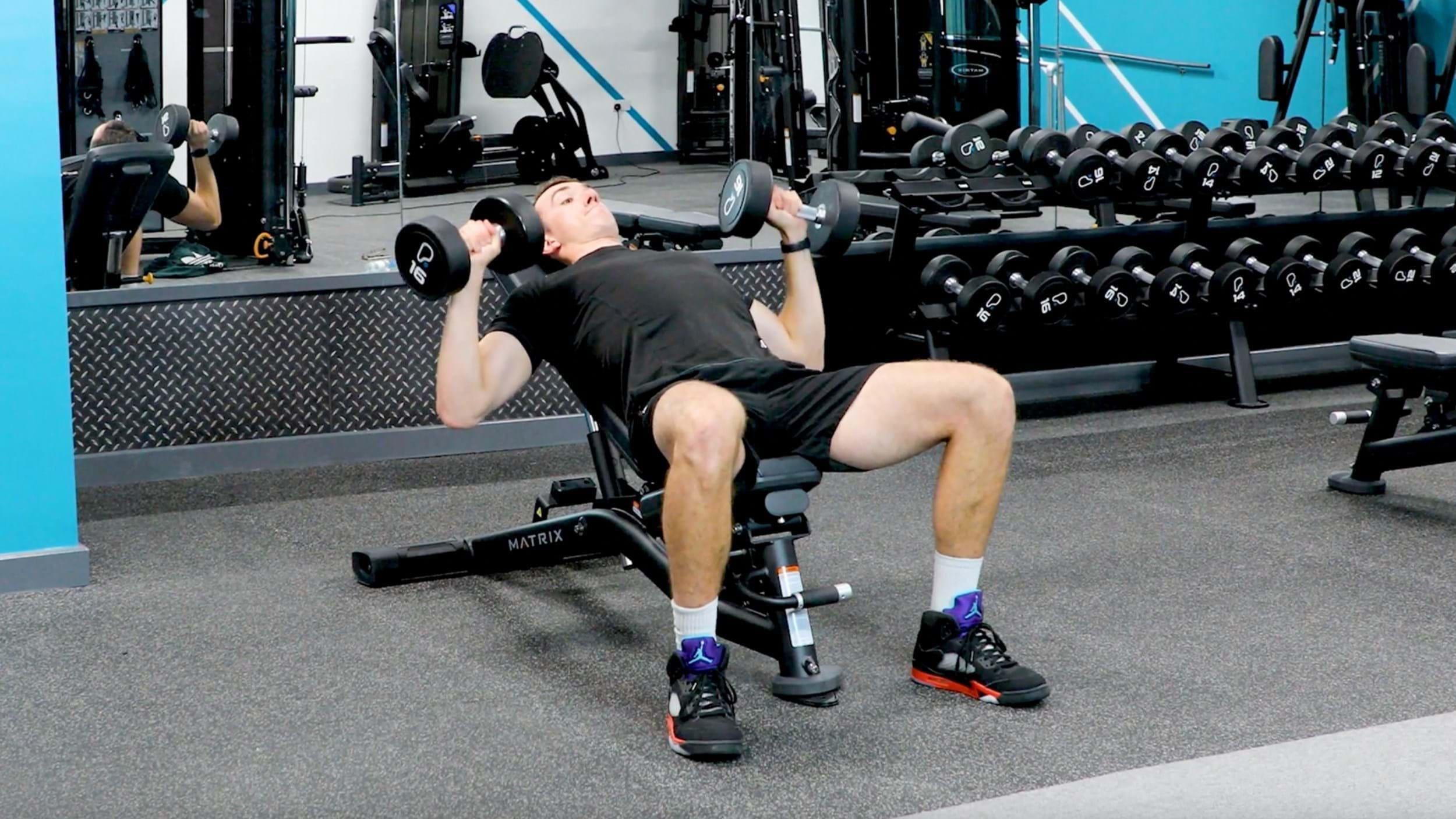
Start by setting the bench at about 30 to 45 degrees. Hold a dumbbell in each hand, palms facing forward. Keep your feet flat on the floor for stability. Slowly press the dumbbells upward until your arms are nearly straight. Lower the weights back down with control. Keep your back pressed against the bench during the movement.
Common Mistakes
Many lifters arch their back too much during the press. This puts strain on the lower back. Avoid flaring your elbows out too wide; it stresses the shoulder joints. Using too much weight often leads to poor form. Lowering the dumbbells too fast reduces muscle engagement. Focus on slow, controlled movements for best results.
Factors Affecting Your Incline Dumbbell Press Weight
Several factors influence how much weight you can lift on the incline dumbbell press. Strength levels differ from person to person. Understanding these factors helps set realistic goals. It also guides you on improving your performance safely. Here are the main factors that affect your incline dumbbell press weight.
Experience Level
Beginners usually start with lighter weights. They focus on learning proper form first. As experience grows, strength and confidence increase. Advanced lifters can handle heavier dumbbells. Experience affects muscle memory and joint stability too. Regular practice improves control and power.
Body Weight And Strength
Body weight often relates to overall strength. Heavier individuals may lift heavier weights. Muscle mass plays a key role here. Stronger muscles generate more force. Lighter people might use lower weights but can still build strength. Strength depends on muscle size and conditioning.
Age And Gender
Age influences muscle strength and recovery. Younger lifters tend to gain strength faster. Older adults may need lighter weights and more rest. Gender also affects strength levels. Men usually have more muscle mass. Women can still build strength but may start with lighter weights. Both can improve with consistent training.
Training Frequency
How often you train impacts your strength gains. Regular sessions help muscles grow stronger. Training too little slows progress. Training too much causes fatigue and injury. Balance is key. Rest days allow muscles to recover and grow. Consistency over time improves your incline dumbbell press weight.
Bench Angle Impact
The angle of the bench during an incline dumbbell press changes how the muscles work. This affects how much weight you can lift and which parts of the chest get the most workout. Small angle changes can make a big difference in your training results.
Common Incline Angles
People often use angles between 15 and 45 degrees for the incline press. The most common settings are 30, 35, and 45 degrees. Lower angles target the upper chest lightly. Higher angles shift the effort toward the shoulders.
How Angle Changes Muscle Activation
At lower angles, the upper chest muscles do most of the work. The shoulders help but play a smaller role. As the bench angle increases, the front shoulders take over more effort. The upper chest works less at steep angles. This shift changes how much weight you can press safely.
Average Weight Benchmarks
Knowing the average weight benchmarks for the incline dumbbell press helps track progress. These benchmarks vary based on experience and strength levels. Understanding where you stand guides your training and goals.
Beginner Standards
Beginners usually start with light weights to learn proper form. For most, 10 to 20 pounds per dumbbell is a good start. Focus on control and technique over heavy lifting. Building a solid base prevents injuries.
Intermediate Goals
Intermediate lifters handle moderate weights with better control. Pressing 25 to 40 pounds per dumbbell is common at this level. Strength and muscle growth become more noticeable. Consistency in training helps reach these goals.
Advanced Targets
Advanced lifters push heavier weights to maximize strength. Lifting 45 pounds or more per dumbbell shows serious progress. Form remains key to avoid injury. Advanced targets require disciplined training and recovery.
Improving Your Incline Dumbbell Press
Improving your incline dumbbell press takes focus and the right approach. This exercise targets your upper chest and shoulders. Strength gains come from consistent effort and smart training. Small changes in your routine can lead to big progress over time.
Progressive Overload Techniques
Progressive overload means gradually lifting heavier weights. Start with a weight you control well. Add small amounts of weight each week. You can also increase the number of reps or sets. Track your progress to stay on target. This forces muscles to adapt and grow stronger.
Accessory Exercises
Accessory exercises support your incline dumbbell press. Focus on strengthening your shoulders, triceps, and upper chest. Try exercises like shoulder presses, tricep dips, and chest flys. These help improve muscle balance and reduce injury risk. Use lighter weights with good form to build strength.
Recovery And Nutrition
Recovery is vital for muscle growth. Get enough sleep each night. Allow 48 hours before training the same muscle again. Eat foods rich in protein to repair muscle tissue. Drink plenty of water to stay hydrated. Rest and nutrition keep your body ready for your next workout.

Credit: strengthlevel.com
Tracking Progress Safely
Tracking progress safely in the incline dumbbell press is key to steady strength gains. It helps avoid injury and keeps motivation high. Knowing how to track safely means understanding your body’s limits and responding to its signals. This section covers simple ways to track progress without harm.
Using Proper Warm-ups
Always start with light warm-ups before heavy lifting. Warm muscles reduce the risk of strains and tears. Begin with a few minutes of light cardio or dynamic stretches. Then, do sets with lighter dumbbells to prepare your shoulders and chest. Proper warm-ups help your muscles work better during the incline press.
Avoiding Overtraining
Rest is as important as exercise. Overtraining can cause pain and reduce strength gains. Keep track of how often you train your chest and shoulders. Give these muscles at least 48 hours to recover before the next session. Listen to your body and stop if you feel sharp or unusual pain.
Signs Of Plateaus
Plateaus happen when strength stops improving. You may lift the same weight for weeks without progress. This is a sign to change your routine. Try different angles, reps, or weights to break the plateau. Tracking your weights and reps helps spot these signs early. Adjustments keep your progress moving forward.
Adjusting Expectations
Adjusting your expectations about how much weight you should lift on the incline dumbbell press is important. Everyone’s strength and progress differ. Setting the right goals helps you stay motivated and avoid injury. Understanding your limits makes training more effective and enjoyable.
Individual Differences
Each person has unique body strength and muscle growth rates. Factors like age, gender, and fitness history affect your lifting ability. Some people may lift heavier weights quickly. Others might progress slowly. This is normal and should not discourage you.
Realistic Goal Setting
Set goals based on your current strength and experience. Start with lighter weights to learn proper form. Increase the weight gradually as you get stronger. Avoid comparing yourself to others at the gym. Focus on steady progress and personal improvement.
Credit: www.puregym.com
Frequently Asked Questions
How Much Weight Is Ideal For Incline Dumbbell Press?
The ideal weight varies by experience and strength. Beginners start with 15-25 lbs per dumbbell. Intermediate lifters may use 30-50 lbs. Advanced users can press 50+ lbs. Focus on form and controlled reps rather than maximum weight for best results.
How To Determine Your Incline Dumbbell Press Weight?
Test with a weight allowing 8-12 reps with good form. If you struggle to complete reps, reduce weight. If reps feel too easy, increase weight. Always prioritize control and muscle engagement over heavy lifting to avoid injury.
What Factors Affect Incline Dumbbell Press Weight?
Factors include your fitness level, training experience, muscle endurance, and body weight. Proper warm-up and recovery also influence lifting capacity. Consistency in training boosts strength and gradually increases your incline dumbbell press weight over time.
Is It Normal To Lift Less On Incline Dumbbell Press?
Yes, incline presses target upper chest and shoulders differently than flat presses. This often results in lifting lighter weights. Focus on muscle activation and controlled motion rather than matching flat bench press weights for balanced development.
Conclusion
Finding the right weight for the incline dumbbell press takes time. Start with lighter weights to learn good form. Slowly increase the weight as your strength improves. Listen to your body to avoid injury. Everyone’s strength grows at a different pace.
Consistency matters more than lifting heavy quickly. Focus on steady progress and good technique. Keep your goals realistic and stay patient. This approach helps build chest muscles safely and effectively.

