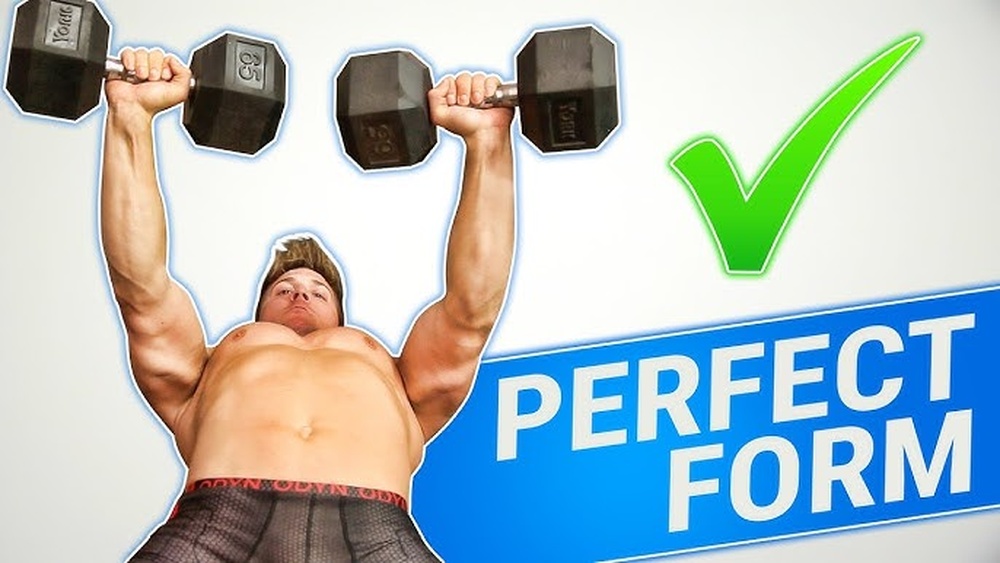
Are you wondering how much weight you should use when dumbbell pressing compared to bench pressing? It’s a common question that can confuse many lifters, whether you’re just starting out or looking to improve your strength routine.
Knowing the right amount can help you avoid injury and get the best results from your workouts. You’ll discover the key differences between these two exercises and learn exactly how to find the right weight for your dumbbell press. Keep reading to unlock the secrets that will boost your gains and make your training smarter and safer.
Dumbbell Press Vs Bench Press
The dumbbell press and bench press are popular exercises for chest strength. Both target the chest, shoulders, and triceps. Yet, they differ in how you perform them and the muscles they activate. Understanding these differences helps decide how much weight to use for each exercise.
Movement Differences
The bench press uses a barbell held with both hands. It moves in a fixed path up and down. The dumbbell press uses two separate weights. Each arm moves independently. This allows more freedom of movement and balance work.
Muscle Activation
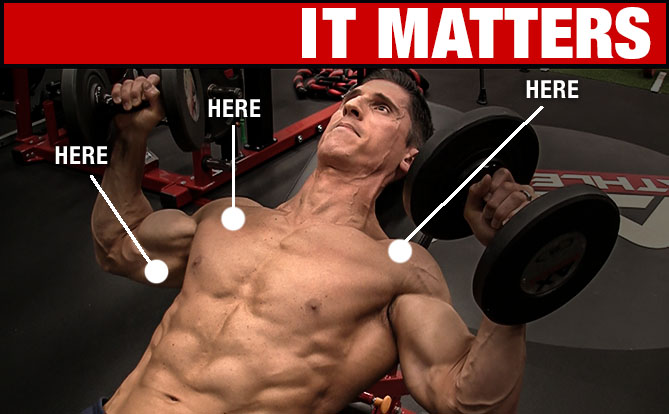
The dumbbell press activates stabilizer muscles more. Each arm works alone to control the weight. The bench press lets you lift heavier weights with both arms together. It focuses more on the chest and triceps.
Range Of Motion
The dumbbell press allows a greater range of motion. Dumbbells move lower than a barbell, stretching the chest more. The bench press limits the motion because the bar hits your chest. More range can improve muscle growth.
Factors Influencing Weight Selection
Choosing the right weight for dumbbell presses and bench presses depends on many factors. These factors affect your strength, safety, and workout quality. Understanding them helps you train better and avoid injury.
Strength Levels
Your current strength determines the weight you can handle. Dumbbell presses usually require less weight than bench presses. This difference happens because dumbbells need more control. Start with lighter weights and increase gradually as you get stronger.
Stabilizer Muscle Engagement
Dumbbell presses activate more stabilizer muscles. These small muscles help balance the weights. Bench presses support the bar, so stabilizers work less. Because stabilizers work harder with dumbbells, use lighter weights to avoid strain.
Injury Considerations
Injuries influence how much weight you should lift. Dumbbells allow a natural arm movement, reducing joint stress. Bench presses fix your arms in one path, which can strain shoulders. Choose weights that feel safe and avoid pain during lifts.
Typical Weight Ratios
Understanding typical weight ratios between dumbbell press and bench press helps set realistic goals. These ratios show how much weight you can lift with dumbbells compared to a barbell. Knowing this helps track progress and plan workouts effectively.
Weights differ because dumbbells require more stability and control. This often means you lift less weight with dumbbells than with a barbell. Let’s explore common ratios and how they change.
Average Dumbbell Press Percentage
On average, dumbbell press weight is about 70% to 85% of bench press weight. This means if you bench press 100 pounds, dumbbells usually total 70 to 85 pounds. The difference comes from the need to balance each dumbbell separately.
Variations By Experience
Beginners often have a larger gap between dumbbell and bench press weights. Stability is harder to control at first. Experienced lifters usually narrow this gap by building strength and coordination. Advanced lifters may press dumbbells closer to their bench press weight.
Gender Differences
Men typically lift heavier weights in both exercises. However, women often show a similar percentage ratio between dumbbell and bench press. Strength levels vary individually, but ratios remain consistent across genders. Training and technique impact these results more than gender alone.
Credit: learn.athleanx.com
Benefits Of Dumbbell Press
Dumbbell press offers many benefits that bench press does not. It allows more natural movement and helps build strength evenly. You can target muscles better and avoid common injuries. This exercise improves your overall fitness in simple ways.
Improved Muscle Balance
Dumbbell press forces each arm to work on its own. This helps fix muscle imbalances between your left and right sides. Balanced muscles improve your posture and reduce weak points. It also makes your strength more even.
Enhanced Joint Mobility
Dumbbells let your arms move freely during the press. This increases the range of motion in your shoulder joints. Better joint mobility lowers stiffness and improves flexibility. You will have smoother and safer movements in daily activities.
Reduced Injury Risk
Dumbbell press reduces strain on your shoulders and wrists. The natural motion lowers the chance of joint pain or injury. You can lift weights safely with less stress on your body. This makes dumbbells a smart choice for long-term training.
Bench Press Advantages
The bench press is a staple in many strength training programs. It offers clear benefits that help build upper body power. Understanding these advantages helps decide how much weight to use compared to the dumbbell press.
This exercise targets the chest, shoulders, and triceps efficiently. It provides a solid foundation for overall strength development. The bench press also allows for better control during lifting, making it safer for heavy loads.
Maximal Strength Development
The bench press lets you lift heavier weights than dumbbells. This promotes greater maximal strength gains. The fixed bar path helps focus all your effort on pushing strength. It builds muscle power faster and more effectively.
Stable Lifting Platform
Lying on a bench offers a steady support base. This stability reduces the need for extra balance muscles. It lets you concentrate on pressing the weight. It lowers injury risk by keeping your body secure during lifts.
Progressive Overload Ease
The bench press makes increasing weight simple and safe. Plates can be added in small increments. This helps track progress clearly over time. It encourages consistent strength improvements without sudden jumps.

Credit: www.brisbanephysiotherapy.com
Training Tips For Both Exercises
Training with dumbbell presses and bench presses builds chest, shoulders, and triceps. Each exercise has unique benefits and challenges. Knowing how to train both safely and effectively helps you gain strength evenly. Focus on good habits to avoid injury and improve results.
Use clear techniques and smart progress to get stronger. Add variations to keep your muscles growing. This section explains key tips for training both exercises well.
Proper Form Techniques
Start with a stable setup. Keep your back flat and feet on the floor. For dumbbell presses, hold the weights with a firm grip. Lower the dumbbells slowly to chest level. Press up without locking your elbows. For bench presses, grip the bar slightly wider than shoulder width. Lower the bar to your chest with control. Push the bar up evenly. Avoid bouncing the weight off your chest. Keep your shoulders down and back throughout.
Weight Progression Strategies
Begin with light weights to learn form. Increase weight in small steps each week. Track your progress to avoid plateaus. Use the same weight for both arms during dumbbell presses. Add weight only when you can complete all reps easily. For bench presses, increase weight only if your form stays solid. Rest well between sets to recover strength. Consistency helps build muscle and avoid injury.
Incorporating Variations
Change angles to target muscles differently. Try incline dumbbell or bench presses to hit upper chest. Use decline presses to work lower chest. Switch grip width to involve different muscle parts. Add pauses at the bottom to increase time under tension. Combine dumbbells and barbell presses in your routine. This variety keeps workouts fresh and effective.
Common Mistakes To Avoid
Many people face common mistakes when deciding how much to dumbbell press compared to bench press. These errors can slow progress and cause injury. Avoiding these pitfalls helps improve strength and safety.
Overloading Dumbbells
Choosing dumbbells that are too heavy is a frequent error. It strains muscles and joints, risking injury. Start with lighter weights to maintain control and proper form. Gradually increase weight as strength grows.
Neglecting Stabilizer Muscles
Dumbbell pressing requires more balance than bench pressing. Ignoring stabilizer muscles weakens performance and increases injury risk. Focus on engaging core and shoulder muscles during the lift. This improves stability and overall strength.
Ignoring Warm-up Routines
Skipping warm-ups leads to muscle strain and poor performance. Warm muscles respond better and reduce injury risk. Spend 5 to 10 minutes warming up with light weights or dynamic stretches before pressing.

Credit: strengthlevel.com
Frequently Asked Questions
How Much Dumbbell Press Weight Equals Bench Press?
Dumbbell press weight is usually 70-80% of bench press weight per arm. This accounts for stability and control challenges when using dumbbells.
Why Is Dumbbell Press Weight Lower Than Bench Press?
Dumbbell press requires more stabilization, engaging smaller muscles. This limits the load compared to bench press, which uses a fixed bar for stability.
Can Dumbbell Press Improve Bench Press Strength?
Yes, dumbbell presses enhance muscle balance and joint stability. This can lead to increased bench press performance by strengthening supporting muscles.
Should I Use Equal Dumbbell Weight On Both Arms?
Yes, using equal weight prevents muscle imbalances. Balanced strength promotes better posture and reduces injury risk during pressing exercises.
Conclusion
Dumbbell press and bench press both build chest strength effectively. Dumbbells allow more movement and work stabilizer muscles more. Bench press helps lift heavier weights with both arms together. Your dumbbell weight should be lighter than your bench press weight.
This helps keep balance and avoid injury. Focus on good form and steady progress. Mix both exercises for best results. Remember, consistency matters most in any workout plan. Choose weights that challenge you but feel safe. Keep pushing forward, and your strength will grow steadily.


