
Are you stuck wondering when and how much to increase your dumbbell weight? You want to get stronger, but lifting the wrong weight can slow your progress or even cause injury.
Finding the right time to add more pounds isn’t just about guessing—it’s about listening to your body and knowing the signs. You’ll discover simple, clear guidelines to help you safely and effectively boost your dumbbell weight. Keep reading to unlock the secret to steady gains and avoid common mistakes that hold many people back.
Your strength journey deserves the right plan, and it starts here.
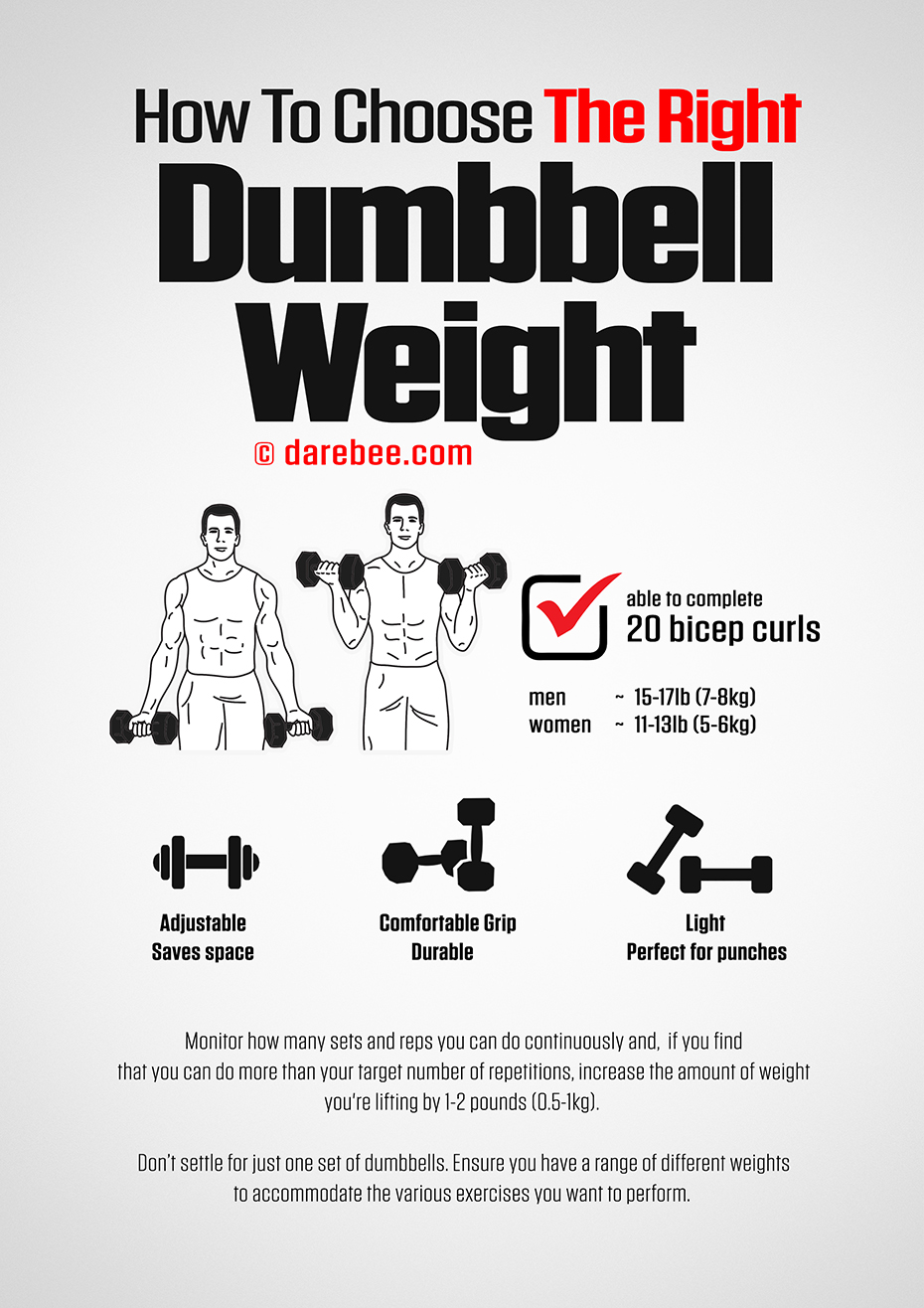
Credit: darebee.com
Signs You Need More Weight
Knowing when to increase dumbbell weight is key for steady muscle growth. Your body adapts to exercises fast. Signs show it’s time to add more weight. Watch closely for these signals during workouts.
When Reps Become Too Easy
Exercises feel effortless after a few sessions. You finish your sets without struggle. If you can do many reps with ease, the weight is too light. Challenging your muscles requires heavier dumbbells.
Lack Of Muscle Fatigue
Fatigue means your muscles worked hard. If muscles feel fresh after a workout, they didn’t get enough stress. Without fatigue, muscles won’t grow stronger. Increase weight to push your limits.
Plateau In Progress
Progress stops or slows down. Strength and size gains become minimal. This plateau means your muscles adapted fully. To break it, raise the dumbbell weight. Keep your gains moving forward.

Credit: www.wikihow.com
Safe Weight Increase Guidelines
Increasing dumbbell weight safely is key to steady progress and injury prevention. It helps your muscles grow without strain. Follow clear guidelines to know when and how much to increase weight. This keeps your workouts effective and safe.
Increment Size Recommendations
Increase dumbbell weight in small steps. Add 2.5 to 5 pounds for upper body exercises. For lower body moves, 5 to 10 pounds is good. Small jumps reduce injury risk and help your muscles adjust. Avoid big weight jumps that cause poor form or pain.
Frequency Of Weight Changes
Change weights every 2 to 4 weeks. This depends on your strength and workout style. If you finish sets easily, it’s time to increase. Avoid increasing weight too often. Your muscles need time to adapt and get stronger.
Listening To Your Body
Pay close attention to how your body feels. Stop if you feel sharp pain or discomfort. Mild muscle soreness is normal after workouts. Rest and recover if soreness lasts more than 3 days. Adjust weight based on your comfort and strength levels.
Factors Affecting Weight Increase
Increasing dumbbell weight is not the same for everyone. Different factors affect how much weight you should add. Understanding these factors helps you progress safely and effectively. Below are key points to consider before changing your dumbbell weight.
Training Experience
Beginners should increase weight slowly. The body needs time to adapt to new stress. Advanced lifters can add weight more often. Their muscles and joints are stronger. Experience helps you know when to increase weight.
Exercise Type
Some exercises allow bigger weight jumps. Compound moves like squats and deadlifts use many muscles. These lifts handle more weight. Isolation exercises, like bicep curls, need smaller increases. They target fewer muscles and are more precise.
Personal Goals
Your goals shape how much weight to add. For strength, increase weight steadily. For muscle size, focus on moderate weight with more reps. Endurance goals require lighter weights and higher reps. Adjust weight to fit what you want to achieve.
Common Mistakes To Avoid
Increasing dumbbell weight is important for progress. Many people make mistakes that slow down results or cause injury. Avoiding common errors helps you get stronger safely. Focus on steady improvement and smart habits.
Increasing Weight Too Quickly
Adding too much weight fast can cause injury. Your muscles and joints need time to adjust. Jumping to heavier dumbbells often leads to poor form. Increase weight in small steps to stay safe. Slow progress lasts longer and builds true strength.
Neglecting Form And Technique
Good form protects your body and improves results. Many ignore technique just to lift heavier. This causes muscle strain and bad habits. Always focus on correct posture and movement. Proper form helps muscles grow evenly and reduces injury risk.
Ignoring Recovery
Muscles need rest to grow stronger. Skipping recovery leads to fatigue and injury. Overtraining slows down progress and causes pain. Take breaks between workouts and sleep well. Recovery is as important as lifting weights.
Tracking Progress Effectively
Tracking progress is key to knowing how much to increase dumbbell weight. It helps you avoid injury and reach goals safely. You learn what works and when to push harder. This section shows simple ways to track your progress effectively.
Using Workout Logs
Write down every workout session. Note the dumbbell weight, reps, and sets. This record shows your strength improvements over time. It also helps spot plateaus early. A workout log keeps you honest and focused.
Assessing Strength Gains
Test your strength regularly. Try lifting heavier dumbbells with good form. If you complete all reps easily, your strength has grown. Pay attention to your muscles’ feeling after workouts. Strength gains tell you when to increase weight.
Adjusting Based On Performance
Increase weight only when you perform well. If your form breaks or reps drop, wait longer. Small jumps in weight work best. Add 2.5 to 5 pounds for most exercises. This approach keeps progress steady and safe.

Credit: www.carolinescircuits.com
Expert Tips For Steady Gains
Building strength with dumbbells needs careful planning. Increasing weight too fast can cause injury. Increasing too slow can stall progress. Experts suggest steady, smart changes. Follow tips to grow safely and keep muscles challenged.
Progressive Overload Strategies
Increase dumbbell weight in small steps. Add 2.5 to 5 pounds at a time. Focus on completing all reps with good form. When sets feel easy, raise the weight. Keep challenging muscles to grow stronger.
Balancing Intensity And Volume
Intensity means weight lifted. Volume means total reps and sets. Balance both for steady gains. Use heavier weights for fewer reps or lighter weights for more reps. Change these to avoid plateaus and keep muscles active.
Incorporating Variety
Change exercises or grip to work muscles differently. Try different angles or speeds. This stops boredom and boosts muscle growth. Variety also helps prevent injury by not overusing one muscle group.
Frequently Asked Questions
How Often Should I Increase Dumbbell Weight?
Increase dumbbell weight every 2-4 weeks. This depends on your strength progress and workout goals. Gradual increments prevent injury and improve gains.
What Is The Ideal Weight Increase For Dumbbells?
Add 5-10% of your current dumbbell weight. Small, consistent increases help maintain proper form and muscle growth. Avoid jumping weights too quickly.
How Do I Know When To Increase Dumbbell Weight?
Increase weight when 12-15 reps feel easy and form is perfect. If your muscles don’t fatigue, it’s time to go heavier.
Can Increasing Dumbbell Weight Too Fast Cause Injury?
Yes, rapid weight increase risks strains and joint pain. Progress slowly to allow muscles and tendons to adapt safely.
Conclusion
Increasing dumbbell weight helps build strength safely and steadily. Small steps prevent injury and keep progress steady. Listen to your body; avoid lifting too fast. Focus on good form rather than heavy weights. Track your progress to know when to add weight.
Rest and recover well to support muscle growth. Consistency matters more than quick gains. Enjoy the process and stay patient with your training.


