Are you wondering how much weight you should use for dumbbell curls to get the best results? Choosing the right weight can be tricky.
Too light, and you won’t challenge your muscles enough. Too heavy, and you risk injury or poor form. The secret lies in finding the perfect balance that pushes your limits without holding you back. You’ll discover simple tips and guidelines to help you pick the ideal dumbbell weight tailored just for you.
Keep reading, and unlock the key to stronger, bigger arms!
Choosing The Right Dumbbell Weight
Choosing the right dumbbell weight depends on your strength and goals. Start with a weight you can lift 8-12 times without pain. Adjust the weight as you get stronger to avoid injury and build muscle.
Factors To Consider
Choosing the right dumbbell weight is key for effective curls. Your current strength matters. Beginners need lighter weights to avoid injury. Your fitness goals also play a role. Build strength or tone muscles? That changes the weight you pick. Pay attention to your form. Too heavy weights can cause poor technique. Finally, think about how many reps you plan to do. More reps usually mean lighter weights.
Starting Light Vs Heavy
Start with a weight that feels easy but challenging. Light weights help you learn the right movement. They reduce the chance of hurting yourself. Heavy weights can tire your muscles fast. They might also cause bad form. Begin light, then increase as you get stronger. This approach helps build steady progress and confidence.
Adjusting Weight Over Time
Your strength will improve with practice. Increase dumbbell weight gradually to keep challenging muscles. If you can do more than 15 reps easily, raise the weight. If you struggle with 8 reps, lower the weight. Always aim for controlled movements. Adjust weight to avoid pain or strain. Regularly changing weight helps you get better results.
Proper Dumbbell Curl Form
Proper dumbbell curl form is key to building arm strength safely and effectively. It helps target the right muscles and prevents injury. Small changes in your technique can make a big difference in results.
Focus on your body position and movement. This focus keeps your workout efficient and your arms growing stronger.
Grip And Stance
Hold the dumbbells with a firm but relaxed grip. Your palms should face forward at the start. Stand with feet shoulder-width apart for balance. Keep your back straight and chest up. This stance supports good posture and control.
Controlled Movement
Lift the dumbbells slowly, focusing on squeezing your biceps. Avoid swinging your arms or using momentum. Lower the weights just as slowly to keep tension on muscles. Controlled movement improves muscle growth and avoids strain.
Common Mistakes To Avoid
Do not swing your body or use your back to lift. Avoid lifting weights that are too heavy and cause poor form. Keep elbows close to your sides and do not let them move forward. Do not lock your wrists or bend your back. These mistakes reduce effectiveness and increase injury risk.
Reps And Sets For Strength
Choosing the right number of reps and sets is key to building strength with dumbbell curls. It helps your muscles grow stronger and avoid injury. Focus on quality over quantity for the best results.
Optimal Repetition Range
For strength, aim for 4 to 6 repetitions per set. This low rep range challenges your muscles to lift heavier weights. Use a weight that feels tough by the last rep but still allows good form.
Balancing Volume And Intensity
Complete 3 to 5 sets of dumbbell curls. This balance keeps your muscles working hard without overdoing it. Increase weight gradually as you get stronger to keep progress steady.
Rest Periods Between Sets
Rest for 1.5 to 3 minutes between sets. This gives your muscles time to recover. Proper rest helps you lift heavier weights with good form for each set.
Progressive Overload Techniques
Progressive overload is key to building strength and muscle with dumbbell curls. It means increasing the challenge over time. This helps your muscles grow and avoid plateaus. There are several ways to apply progressive overload. Each technique pushes your limits safely and effectively.
Increasing Weight Gradually
Start with a weight you can lift comfortably for 8-12 reps. Add small increments as you get stronger. Even a 1-2 pound increase makes a difference. This steady rise forces your muscles to adapt. Avoid big jumps in weight to reduce injury risk. Consistency matters more than heavy lifting.
Varying Tempo And Range
Changing how fast or slow you lift affects muscle tension. Try slowing down the curl on the way down. Hold the dumbbell at the top for a second or two. Use a full range of motion to engage more muscle fibers. These changes make your workouts harder without adding weight. Your muscles stay challenged and grow stronger.
Tracking Your Progress
Keep a workout journal or use an app to record your curls. Note the weight, reps, and sets each session. Review your progress weekly to see improvements. Tracking helps you plan the next workout better. It also keeps you motivated as you see gains. Small wins add up over time.
Signs You Need To Change Weight
Choosing the right weight for dumbbell curls is important for progress and safety. Knowing when to change the weight helps improve your workout. Signs from your body and performance can guide you. Watch for these clear signs to adjust your dumbbells.
Plateauing Strength
Your strength stops improving after several workouts. You can do the same reps without feeling tired. The weight feels too easy and does not challenge your muscles. This means your muscles need a heavier weight to grow. Changing the weight helps break the plateau and builds strength.
Muscle Fatigue And Recovery
Muscle fatigue means your muscles feel very tired or sore after exercise. If soreness lasts more than two days, the weight might be too heavy. On the other hand, no muscle fatigue at all can mean the weight is too light. Find a weight that tires your muscles but allows recovery in time for the next session.
Avoiding Injury Risks
Using too heavy weights can cause poor form and increase injury risk. You might feel sharp pain or discomfort during curls. A sudden drop in performance or joint pain signals a problem. Lower the weight to keep good form and protect your muscles and joints. Safety always comes first in weight training.
Credit: medium.com
Weight Recommendations By Experience
Choosing the right dumbbell weight for curls depends on your experience level. Using the proper weight helps you build strength safely and avoid injury. Weight recommendations change as you progress in your training.
Beginners
Start with light dumbbells to learn proper form. Usually, 5 to 10 pounds works well for most beginners. Focus on slow, controlled movements. This helps build muscle and reduces injury risk. Avoid weights that make you strain or lose form.
Intermediate Lifters
Intermediate lifters can increase their weight to 10 to 20 pounds. By now, your muscles are stronger and more used to curling. Choose a weight that challenges you but still allows good form. You should feel the burn but not pain. Aim for 8 to 12 repetitions per set.
Advanced Lifters
Advanced lifters often use 20 pounds or more for dumbbell curls. Your muscles are stronger and can handle heavier loads. Focus on controlled movement and full range of motion. Increase weight gradually to keep improving strength. Avoid swinging or using momentum to lift the weight.
Incorporating Dumbbell Curls Into Workouts
Dumbbell curls are a great way to build arm strength. Including them in your workout helps improve muscle tone and endurance. To get the best results, use the right weight and combine curls with other exercises. This keeps your routine balanced and effective.
Combining With Other Exercises
Pair dumbbell curls with exercises that target different muscle groups. Try tricep dips, push-ups, or shoulder presses. This mix helps build overall arm strength. It also avoids overworking one muscle. Balanced workouts reduce the risk of injury and improve muscle growth.
Frequency Per Week
Perform dumbbell curls two to three times weekly. This gives muscles enough time to recover and grow. Avoid training the same muscles every day. Rest days are important for muscle repair. Stick to a consistent schedule for better progress.
Balancing Push And Pull Movements
Dumbbell curls are a pull exercise. Balance them with push movements like push-ups or bench presses. This balance keeps muscles strong and flexible. It also improves posture and reduces muscle imbalances. A balanced workout plan supports overall fitness.

Credit: repfitness.com

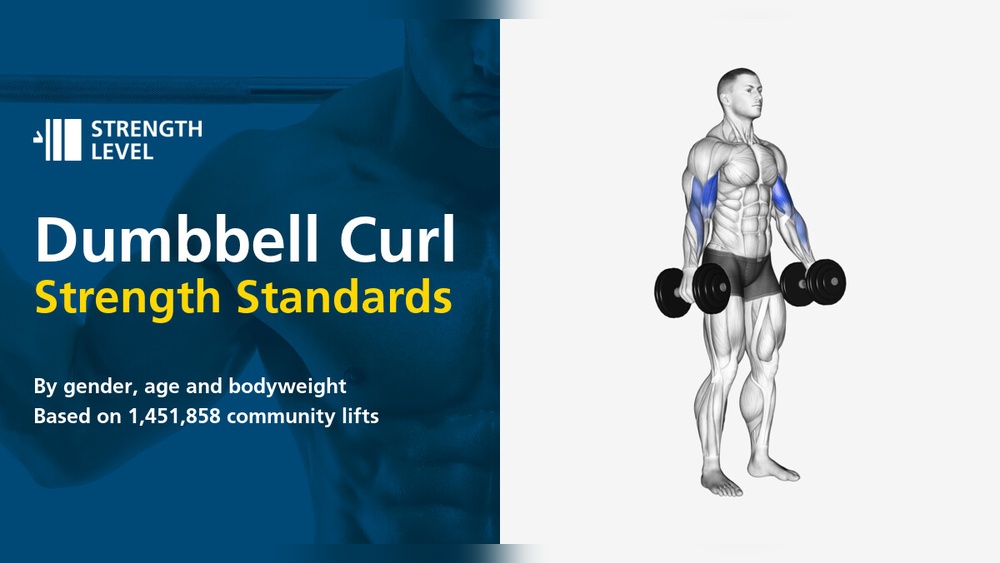
Credit: strengthlevel.com
Frequently Asked Questions
How Much Weight Should I Start With For Dumbbell Curls?
Start with a weight that allows 8-12 reps with proper form. Choose a dumbbell that challenges your muscles but avoids strain or injury.
How To Choose The Right Dumbbell Weight For Curls?
Pick a weight that feels challenging by the last few reps. Increase gradually as your strength improves to ensure continuous muscle growth.
Can I Use Heavy Dumbbells For Bicep Curls Safely?
Yes, but only if you maintain proper form. Using excessively heavy weights can cause injury and reduce exercise effectiveness.
How Often Should I Increase Dumbbell Weight For Curls?
Increase weight every 1-2 weeks or when 12 reps become easy. Progressive overload helps build muscle and improve strength effectively.
Conclusion
Choosing the right dumbbell weight helps build strength safely. Start with lighter weights to learn good form. Gradually increase weight as your muscles grow stronger. Avoid using weights that cause pain or poor posture. Consistency matters more than heavy lifting at first.
Focus on steady progress and listen to your body. This approach makes workouts effective and prevents injury. Keep your goals clear and enjoy the process. Dumbbell curls can improve arm strength with smart weight choices.