Are you wondering how much weight you should use for dumbbell shrugs to get the best results? Choosing the right weight can make a big difference in building strong, defined traps without risking injury.
If you go too light, you might not see progress. Too heavy, and you could strain your muscles or lose proper form. You’ll discover how to find the perfect weight that matches your strength and goals. Keep reading to unlock the secret to maximizing your dumbbell shrugs and transforming your upper body!
Credit: www.strengthlog.com
Benefits Of Dumbbell Shrugs
Dumbbell shrugs are a simple exercise with many benefits. They help build strong muscles in the upper back. This exercise is easy to do and fits well in any workout routine.
Using dumbbells allows better control and balance. Shrugs improve muscle tone and reduce neck tension. They are great for people who sit a lot during the day.
Targeting The Trapezius
Dumbbell shrugs mainly work the trapezius muscles. These muscles run from your neck to your shoulders. Strong traps support your neck and upper back. This helps with lifting and carrying heavy items. Well-developed traps also improve your overall look.
Improving Posture
Regular shrugs help correct poor posture. They strengthen muscles that hold your shoulders back. This prevents slouching and rounded shoulders. Good posture reduces neck and back pain. Standing tall boosts confidence and appearance.
Enhancing Shoulder Strength
Dumbbell shrugs increase shoulder strength and stability. Strong shoulders improve performance in many sports and exercises. They also protect your joints from injury. Building shoulder strength helps with daily activities like lifting objects. This exercise supports overall upper body strength.

Credit: strengthlevel.com
Choosing The Right Weight
Choosing the right weight for dumbbell shrugs is key to building strong traps safely. The correct weight helps you exercise effectively without risking injury. It also keeps your workouts challenging and rewarding. Understanding how to pick the right load can improve your progress and keep you motivated.
Starting With Comfortable Loads
Begin with a weight that feels easy to lift. This helps your muscles get used to the movement. Choose dumbbells you can lift for 12 to 15 reps without pain or strain. The goal is to feel your traps working, not to struggle.
Signs Your Weight Is Too Light Or Heavy
Too light means you finish reps without feeling muscle tension. Your traps should feel tired by the last few reps. Too heavy causes poor form or joint pain. If you swing the weights or shrug unevenly, lower the load. Proper form beats heavy weights every time.
Adjusting Weight For Progress
Increase weight gradually as your traps get stronger. Add small amounts to avoid injury. When you can do 15 reps easily, it’s time to go heavier. Track your progress and challenge your muscles regularly. This keeps your workouts effective and muscles growing.
Proper Shrug Technique
Proper shrug technique is key for effective dumbbell shrugs. It helps target the trapezius muscles correctly and avoids injury. Using the right form maximizes muscle engagement and strength gains. Focus on controlled movements and body alignment. This section covers grip, stance, movement, and breathing tips.
Grip And Stance
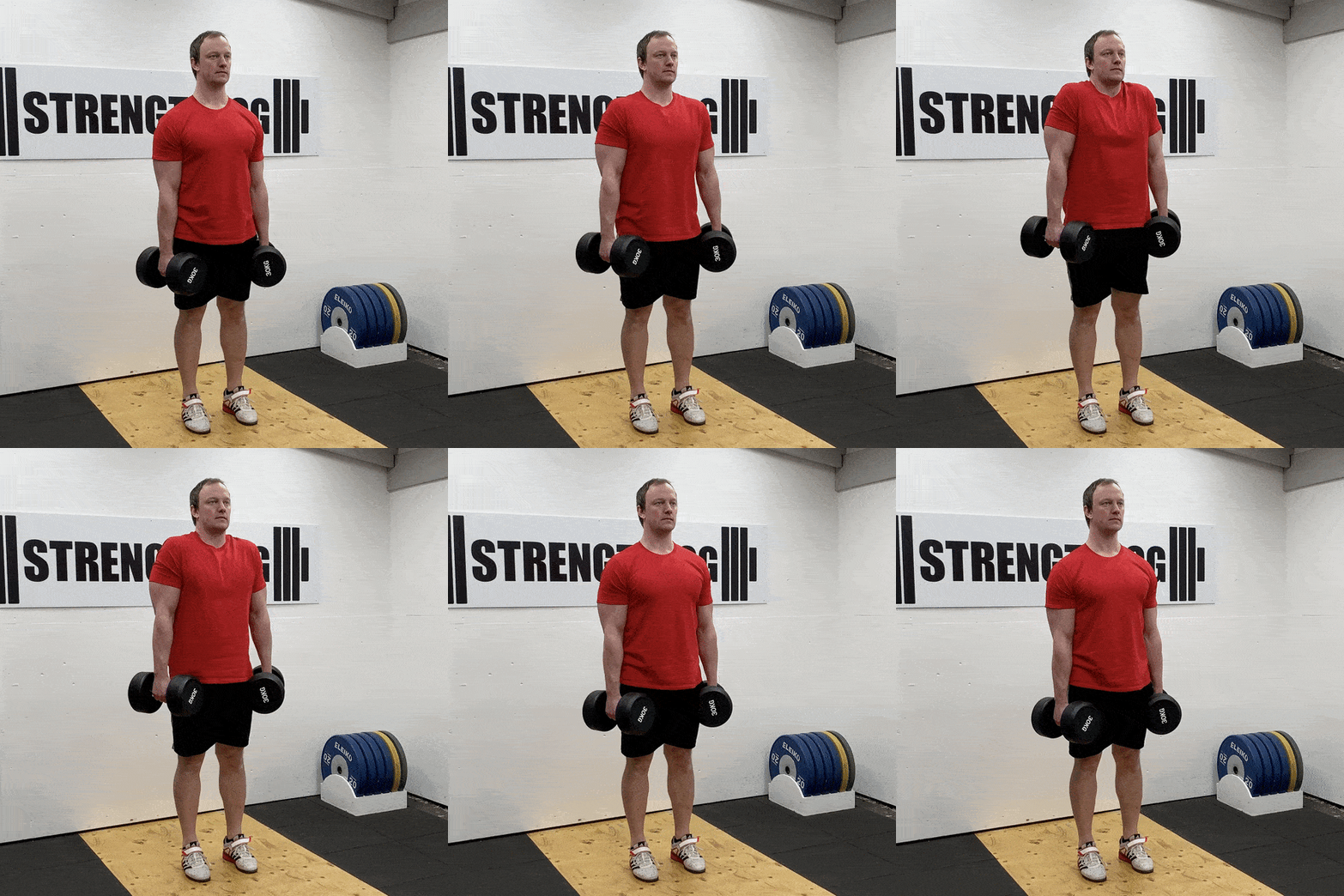
Hold the dumbbells firmly at your sides. Use a neutral grip, palms facing your body. Stand with feet shoulder-width apart. Keep knees slightly bent for balance. Your back should be straight and chest up. This position supports good posture during shrugs.
Movement Execution
Lift your shoulders straight up toward your ears. Avoid rolling or twisting your shoulders. Pause briefly at the top to feel muscle contraction. Lower the dumbbells slowly to the start position. Use a smooth, steady pace to control the movement. This technique reduces risk of strain and improves muscle work.
Breathing Tips
Inhale deeply before you lift your shoulders. Exhale slowly as you raise the dumbbells. Hold your breath briefly at the peak of the shrug. Inhale again as you lower the weights. Proper breathing supports stability and muscle performance.
Maximizing Gains Safely
Maximizing gains safely with dumbbell shrugs means lifting the right weight with good form. Choosing too heavy dumbbells can cause injury and reduce progress. Using too light weights limits muscle growth. The goal is to find a balance that challenges your muscles without risking harm.
Focus on controlled movements and steady progress. Pay attention to how your body feels during and after workouts. This approach helps build strong traps while keeping your shoulders healthy.
Avoiding Common Mistakes
Many lifters raise their shoulders too fast or use momentum. This reduces the work done by the traps and increases injury risk. Keep movements slow and steady. Avoid rolling your shoulders; shrug straight up and down. Using weights too heavy also leads to poor form and strain.
Incorporating Progressive Overload
Progressive overload means gradually increasing the weight or reps over time. Start with a weight you can lift with good form for 12-15 reps. Increase the weight slightly once you can do 15 reps easily. This steady increase helps muscles grow stronger and bigger safely.
Balancing Volume And Recovery
Work the traps 2-3 times per week with enough sets and reps. Avoid training shrugs every day. Muscles need time to recover and grow. Rest days and good sleep are important. Overtraining can cause fatigue and slow progress.
Sample Dumbbell Shrug Workouts
Sample dumbbell shrug workouts help build strong traps and improve posture. These exercises vary by skill level and weight used. Choose a routine that fits your current strength and experience. Focus on form and control for the best results. Here are easy to follow workouts for beginners, intermediate, and advanced lifters.
Beginner Routine
Start with light dumbbells, around 10 to 20 pounds. Perform 3 sets of 12 to 15 reps. Keep your shoulders relaxed and lift straight up. Hold the top position for one second. Lower slowly to avoid injury. Rest for 30 seconds between sets. This routine builds foundation and prepares muscles for heavier loads.
Intermediate Routine
Use moderate weights, about 25 to 40 pounds. Do 4 sets of 10 to 12 reps. Add a slight pause at the peak to increase tension. Focus on smooth and controlled movements. Take 45 seconds rest between sets. This routine challenges your traps and promotes muscle growth. Maintain good posture throughout the exercise.
Advanced Routine
Choose heavy dumbbells, 45 pounds or more. Complete 5 sets of 8 to 10 reps. Use slow, deliberate shrugs and hold for two seconds. Add variations like shrug holds or slow negatives. Rest for 60 seconds between sets. This routine maximizes strength and muscle definition. Always warm up before starting heavy lifts.

Credit: braingain.fit
Frequently Asked Questions
How Much Weight Should Beginners Use For Dumbbell Shrugs?
Beginners should start with light weights, around 10-20 pounds. This helps build proper form and prevents injury. Gradually increase weight as strength improves.
What Is The Ideal Dumbbell Weight For Muscle Growth?
For muscle growth, use a weight that challenges you in 8-12 reps. Typically, this ranges from 30-50 pounds, depending on your strength level.
Can Lifting Too Heavy Dumbbells Harm Shrug Exercises?
Yes, lifting too heavy can cause poor form and neck strain. Use manageable weights to maintain control and maximize trap muscle engagement.
How To Know If Dumbbell Weight Is Too Light?
If you can do over 20 reps easily, the weight is too light. Increase weight to ensure muscle fatigue within 8-12 reps for effectiveness.
Conclusion
Choosing the right weight for dumbbell shrugs matters a lot. Start with a weight you can lift with good form. Gradually increase the weight as your strength grows. Avoid weights that cause pain or poor posture. Focus on controlled movements to get the best results.
Consistency helps build strong and defined traps. Remember, quality beats quantity every time. Keep your workouts safe and effective. Your shoulders will thank you.