
Are you ready to start strength training but unsure about how much weight to lift? Choosing the right dumbbell weight is key to making progress without risking injury.
Picking weights that are too heavy can leave you frustrated and sore, while weights that are too light might not give you the results you want. You’ll discover exactly how to find the perfect dumbbell weight for your beginner workouts.
Keep reading to unlock simple tips that will help you build strength safely and effectively from day one.
Choosing Dumbbells For Beginners
Choosing the right dumbbells is important for beginners. The right weight helps build strength safely. It also keeps workouts effective and fun. Starting with dumbbells that are too heavy can cause injury. Too light, and the exercises may not work well. Understanding different types and factors helps pick the best dumbbells.
Factors To Consider
Start with a weight that feels comfortable but challenging. Beginners often choose dumbbells between 5 to 15 pounds. Consider your fitness level and goals. Think about the exercises you want to do. Adjustable dumbbells allow weight changes as strength grows. Fixed dumbbells are simpler and usually cheaper. Grip size matters too. Choose dumbbells with handles that fit your hands well. Material affects comfort and durability. Neoprene or rubber-coated dumbbells are good for home use. They protect floors and reduce noise.
Types Of Dumbbells
Fixed dumbbells have a set weight and are easy to use. They come in pairs and different weight options. Adjustable dumbbells let you change the weight on one handle. This saves space and money. They are good for many exercises. Vinyl-coated dumbbells are light and colorful. They are great for light workouts and beginners. Metal dumbbells are heavy-duty and last long. They work well for serious strength training. Select a dumbbell type that fits your space and budget.
Starting Weight Recommendations
Choosing the right starting weight for dumbbells is key for beginners. It helps build strength safely. The right weight avoids injuries and boosts confidence. Starting with too heavy weights can cause strain. Too light weights may slow progress. The goal is to find a weight that feels challenging but manageable.
Here are simple weight ranges that suit most beginners. These ranges give a good starting point for women and men. Adjust based on your own strength and comfort.
Women’s Beginner Weight Range
Women new to dumbbells often start between 3 and 8 pounds. Lighter weights help focus on form and control. For exercises like bicep curls or shoulder presses, 5 pounds is common. For leg exercises, women can try 8 to 10 pounds. Choose a weight you can lift for 10 to 15 repetitions. The last few reps should feel a little hard but doable.
Men’s Beginner Weight Range
Men usually start with dumbbells between 8 and 15 pounds. This range suits most upper body exercises. For larger muscles like legs, 15 to 20 pounds works well. Pick a weight that lets you complete 10 to 12 reps. The effort should increase near the end of each set. Avoid weights that cause pain or poor form.
Assessing Your Strength Level
Assessing your strength level is key before choosing dumbbell weights. It helps avoid injuries and ensures steady progress. Knowing your current strength guides you to pick weights that challenge you but feel safe. Start by understanding how much force your muscles can handle. This step makes your workouts more effective and enjoyable.
Simple Strength Tests
Simple strength tests help measure your muscle power. Try lifting a light dumbbell for 10 to 15 repetitions. If you can lift it easily, try a heavier weight. If it feels too hard or painful, choose a lighter one. Another way is to test your grip strength using a handgrip tool or squeezing a tennis ball. These tests give a clear idea of your starting point.
Tracking Progress
Tracking progress shows how your strength improves over time. Keep a workout journal or use an app. Note the weight you lift and the number of sets and reps. Regularly update your records every week. Seeing progress motivates you to keep going. Adjust the dumbbell weight as you get stronger to keep challenging your muscles.

Credit: www.wikihow.com
Adjusting Weight Over Time
Adjusting dumbbell weight is important for steady progress. Beginners start with light weights. Over time, your muscles get stronger. You need to increase weight to keep improving. Moving up in weight challenges your muscles more. This helps build strength and tone your body. Change weights carefully to avoid injury and burnout.
Signs To Increase Weight
You can lift the dumbbells easily for many reps. Your muscles do not feel tired after sets. You finish your workout without much effort. Your form stays strong and steady. You feel ready for a bigger challenge. These signs show it’s time to use heavier weights.
Avoiding Injury
Use proper form to protect joints and muscles. Increase weight slowly, not too fast. Keep control of the dumbbells during each move. Stop if you feel pain or sharp discomfort. Warm up before lifting to prepare your body. Rest between workouts to let muscles recover. Safe lifting prevents injuries and keeps progress steady.
Tips For Effective Dumbbell Workouts
Starting dumbbell workouts can be exciting but also challenging. Using the right tips can make exercises safer and more effective. These tips help beginners build strength and avoid injury.
Focus on warming up and using proper form. These basics improve your workout quality and results.
Warm-up Techniques
Warming up prepares your muscles and joints for exercise. Start with light cardio like walking or jogging for 5 minutes. Follow with dynamic stretches such as arm circles and leg swings. This increases blood flow and reduces injury risk. Warm muscles perform better and feel less sore after workouts.
Proper Form And Technique
Good form protects your body and targets muscles correctly. Begin each exercise slowly to learn the movement. Keep your back straight and avoid locking your joints. Use smooth, controlled motions without rushing. If unsure, watch videos or ask a trainer for guidance. Proper technique builds strength faster and prevents pain.

Credit: www.onepeloton.com
Common Mistakes Beginners Make
Starting with dumbbells can be exciting. Many beginners want quick results. This eagerness can lead to mistakes. These errors may slow progress or cause injury. Understanding common mistakes helps avoid setbacks. Focus on safe and steady growth.
Choosing Too Heavy Weights
Beginners often pick weights that are too heavy. This causes poor form and strain. Lifting heavy weights too soon can hurt muscles. It also increases the chance of injury. Start with lighter weights. Build strength step by step. Correct form matters more than heavy lifting.
Neglecting Rest And Recovery
Rest is a crucial part of training. Many beginners skip rest days. Muscles need time to heal and grow. Without rest, fatigue and soreness increase. Overtraining can lead to burnout and injury. Plan rest days between workouts. Listen to your body’s signals carefully.
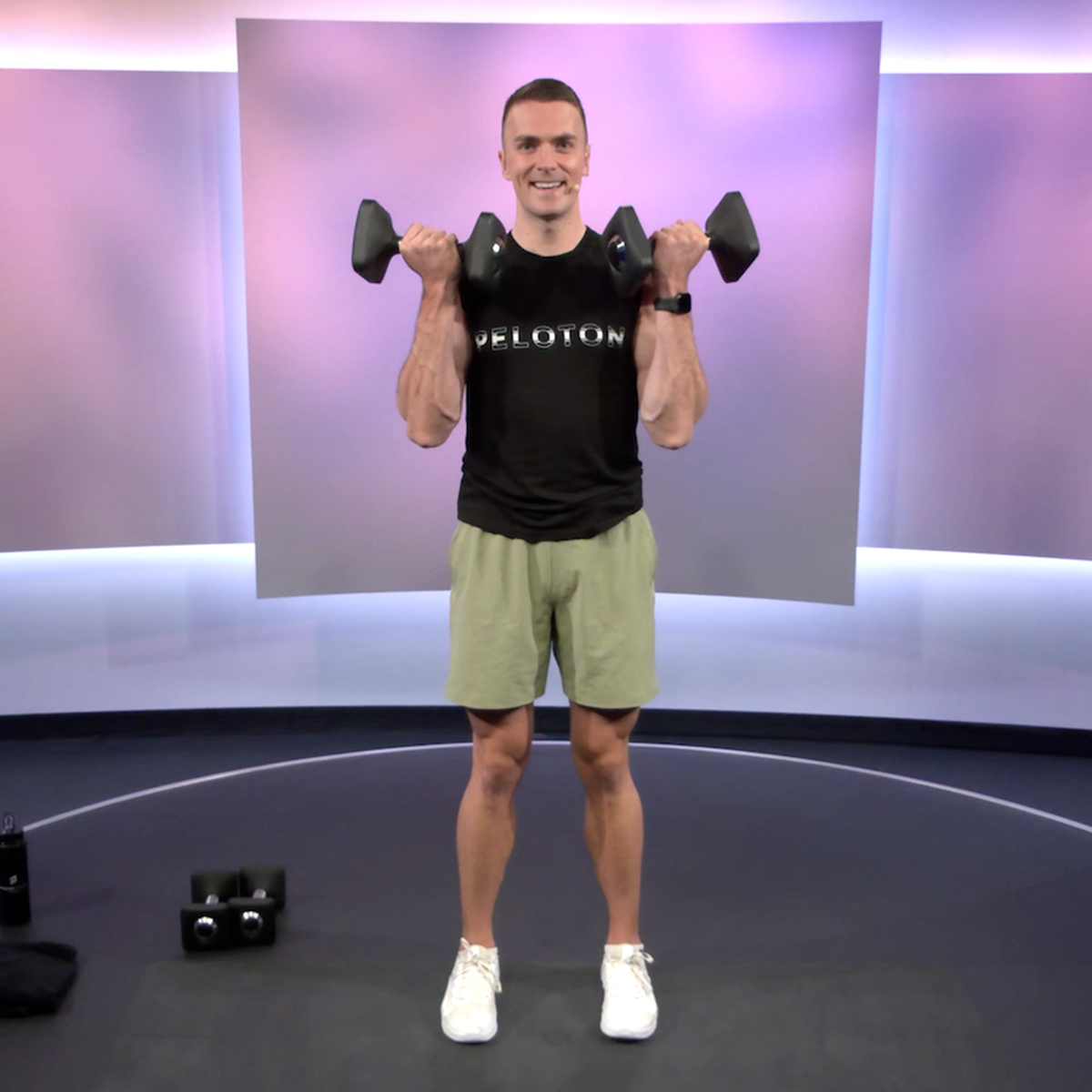
Credit: www.onepeloton.com
Frequently Asked Questions
What Weight Dumbbells Should Beginners Start With?
Beginners should start with light dumbbells, usually 3 to 5 pounds. This weight helps build strength without injury risk. Adjust based on your fitness level and exercise type. Start lighter, then gradually increase as you gain confidence and strength.
How To Choose Dumbbell Weight For Muscle Growth?
Choose a weight challenging enough to complete 8-12 reps with good form. The last reps should feel tough but doable. This range stimulates muscle growth effectively. Avoid weights that cause strain or compromise your technique.
Can Beginners Use Adjustable Dumbbells Safely?
Yes, adjustable dumbbells are safe for beginners if used properly. They offer flexibility to increase weight gradually. Ensure you lock plates securely before exercise. Start with lighter settings and progress based on your strength gains.
How Often Should Beginners Increase Dumbbell Weight?
Increase dumbbell weight every 1-2 weeks, depending on your progress. When exercises feel easy, add 1-2 pounds. Consistent progression helps build strength and prevents plateaus. Listen to your body and avoid rushing increases.
Conclusion
Choosing the right dumbbell weight helps you start strong and safe. Begin with light weights to learn proper form. Increase weight slowly as your muscles grow. Avoid lifting too heavy at first to prevent injury. Consistency matters more than heavy lifting.
Enjoy your progress and stay patient. Keep your workouts simple and steady. This approach builds strength and confidence well. Your body will thank you for smart choices. Keep moving forward, one step at a time.


