Are you ready to start lifting dumbbells but unsure how much weight to pick? Choosing the right weight is crucial—it can make the difference between quick progress and frustrating setbacks.
If you start too heavy, you risk injury and burnout. Go too light, and your muscles won’t get the challenge they need. You’ll discover simple tips to find the perfect starting weight for your dumbbells. By the end, you’ll feel confident and motivated to lift smarter and see results faster.
Keep reading to unlock the key to your strength training success!
Choosing Your First Dumbbells
Choosing your first dumbbells is an important step for any beginner. The right weight helps build strength safely. Picking weights too heavy can cause injury. Too light, and the workout will not be effective. This guide explains how to select the best dumbbells for starting your fitness journey.
Factors To Consider
Consider your current strength level. Think about your fitness goals. Are you training for muscle tone or strength? Your age and any health issues matter. Also, the type of exercises you plan to do affects your choice. Choose dumbbells that feel comfortable in your hands. Start with a weight you can lift with good form.
Common Starting Weights
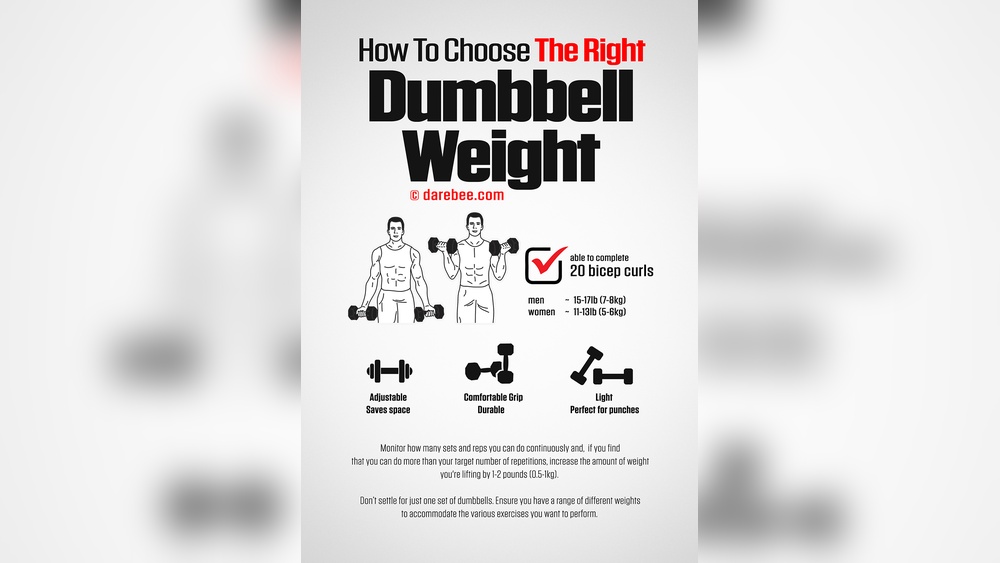
Most beginners start with dumbbells between 5 to 15 pounds. Women often begin with 5 to 8 pounds. Men usually start with 10 to 15 pounds. For lighter workouts, 3 to 5 pounds can work well. Try different weights to find what suits you best. It is normal to need different weights for different exercises.
Credit: trugrit-fitness.com
Assessing Your Current Strength
Assessing your current strength is key before picking dumbbell weights. It helps you avoid injury and build muscle safely. You need to know what your body can handle now. This sets a good base for progress.
Testing your strength is simple and quick. It shows what weight feels right for you. This way, you don’t start too heavy or too light. The goal is to challenge yourself without strain.
Simple Strength Tests
Try lifting a light dumbbell first. Use weights you can lift 8 to 12 times without pain. If the last reps feel hard but doable, the weight is good. Too easy? Pick a heavier dumbbell.
Another test is the arm curl. Hold a dumbbell and curl your arm slowly. Count reps until your muscles tire. This helps find your starting weight for biceps and arms.
Use similar tests for other muscle groups. Shoulder presses and squats with dumbbells work well. These tests guide you to choose weights that match your strength.
When To Adjust Weight
Increase weight if you can do more than 12 reps easily. Your muscles need more challenge to grow. Add small increments to avoid injury and keep steady progress.
Lower weight if you feel sharp pain or cannot keep form. Safety comes first. Good form prevents injuries and works muscles better.
Adjust weights every few weeks. Your strength improves with regular exercise. Keep testing to find the best weight for your current level.
Types Of Dumbbell Exercises For Beginners
Starting with dumbbells can feel confusing. Choosing the right exercises helps build strength safely. Beginners should focus on simple moves targeting different body parts. This approach balances muscle growth and prevents injury. Below are easy dumbbell exercises for beginners. Each type targets a key area of the body.
Upper Body Moves
Upper body exercises strengthen arms, shoulders, and chest. Try dumbbell bicep curls to build arm muscles. Shoulder presses help increase shoulder strength. Dumbbell rows improve back muscles. These moves improve posture and daily activities. Use light weights to start and focus on form.
Lower Body Moves
Lower body workouts focus on legs and glutes. Dumbbell squats are great for leg strength. Lunges with dumbbells improve balance and coordination. Deadlifts target hamstrings and lower back. These exercises help with stability and mobility. Start with low weights and increase slowly.
Full Body Workouts
Full body exercises engage multiple muscle groups at once. Dumbbell thrusters combine squats and shoulder presses. Renegade rows work the back and core together. Dumbbell deadlifts with curls target legs and arms. These moves build strength and burn calories efficiently. Use manageable weights and keep movements controlled.
Progression Strategies
Progression strategies help you build strength safely and effectively. Starting with light dumbbells is smart, but increasing weight over time is key to growth. Progression means making small, steady steps to challenge your muscles without injury. This section explains how to increase weight safely and track your progress.
Increasing Weight Safely
Choose a weight that feels manageable for 10 to 15 repetitions. When you can complete all reps with good form, it’s time to increase the weight. Add small increments, like 2 to 5 pounds, to avoid strain. Avoid jumping too quickly to heavy dumbbells. Listen to your body. Stop if you feel pain. Rest is important between sessions for muscle recovery.
Tracking Your Progress
Keep a simple workout log. Write down the weight, reps, and sets for each exercise. Track how you feel during workouts. Note improvements or difficulties. Review your log weekly to see steady progress. Adjust weights based on your performance. Tracking helps stay motivated and prevents plateaus. It also helps spot when to increase or reduce weight.
Common Mistakes To Avoid
Starting with dumbbells can be exciting but tricky. Many beginners make mistakes that slow progress or cause injury. Avoiding common errors helps build strength safely and fast. Focus on these key points to get the best results from your workouts.
Lifting Too Heavy Too Soon
Choosing dumbbells that are too heavy is a common error. It causes poor control and quick fatigue. This increases injury risk. Start with lighter weights to learn proper movement. Gradually increase weight as your strength improves. Patience leads to better muscle growth and fewer injuries.
Ignoring Proper Form
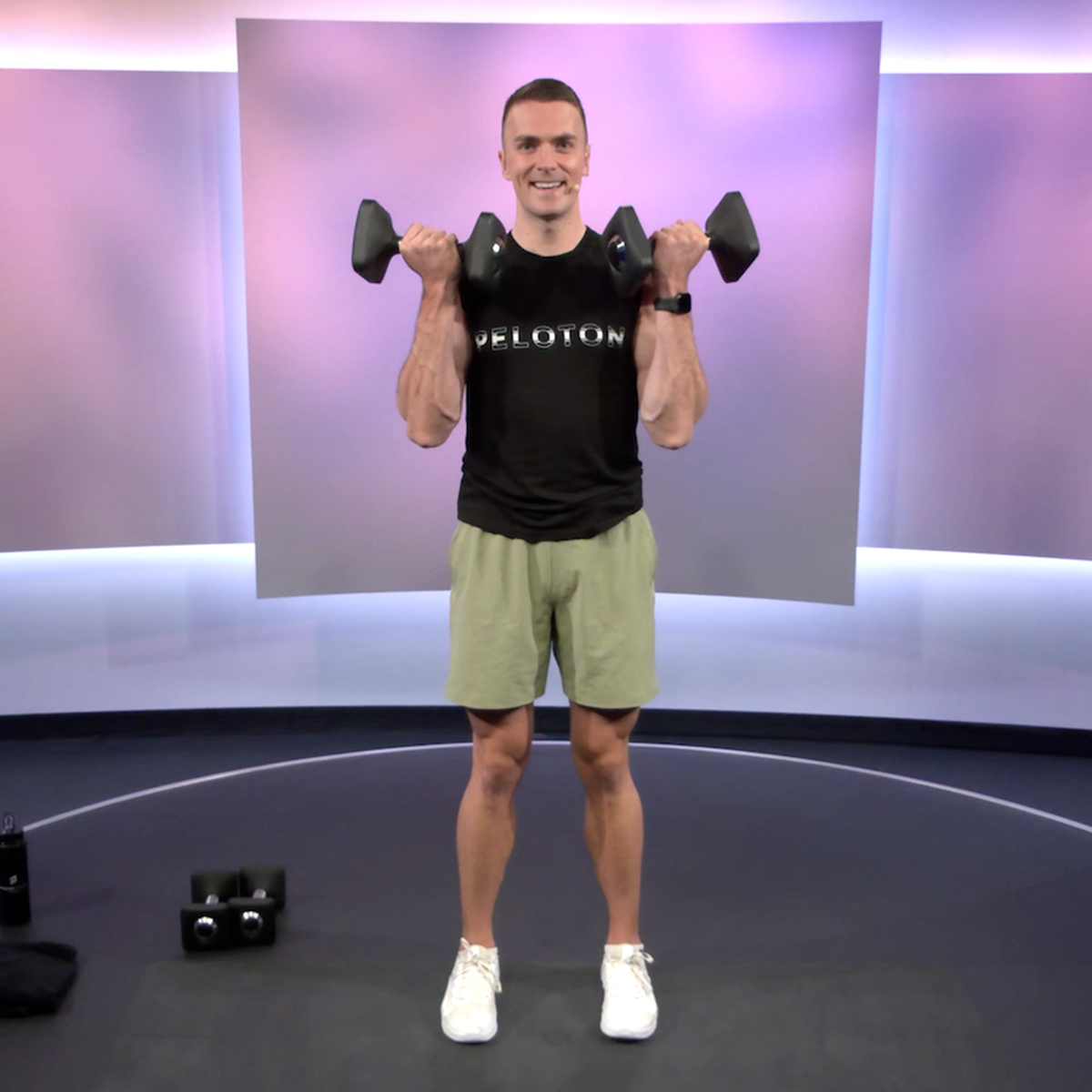
Good form is more important than heavy weights. Poor technique can strain muscles and joints. This slows progress and may cause pain. Watch your posture and movement closely. Use mirrors or ask for help to check form. Correct technique builds strength safely and efficiently.
Credit: www.onepeloton.com
Additional Tips For Success
Starting with dumbbells can be exciting and challenging. Success depends on more than just the weight you choose. Small habits improve your progress and prevent injuries. These extra tips help you stay safe and get better results faster.
Warm-up And Cool-down
Always warm up before lifting weights. A warm-up raises your heart rate and loosens muscles. Try light cardio or dynamic stretches for five to ten minutes. This prepares your body and lowers injury risk.
After your workout, cool down with gentle stretches. Cooling down helps muscles relax and reduces soreness. Spend five minutes stretching the muscles you worked. This aids recovery and keeps you flexible.
Balancing Rest And Workout Days
Your muscles need rest to grow stronger. Avoid working the same muscle groups two days in a row. Plan rest days between workouts or focus on different muscles each day.
Rest also prevents burnout and keeps your energy high. Sleep well and eat healthy to support muscle recovery. Balance workout and rest days for steady progress and fewer injuries.

Credit: www.onepeloton.com
Frequently Asked Questions
How To Choose The Right Dumbbell Weight To Start?
Start with a weight you can lift comfortably 8-12 times. It should challenge muscles without causing strain. Beginners often begin with 5-15 pounds. Adjust based on your strength and exercise type. Proper weight prevents injury and promotes steady progress.
Is 10 Pounds A Good Starting Dumbbell Weight?
Ten pounds is suitable for many beginners, especially for upper body exercises. It offers a balance of challenge and control. However, individual strength levels vary. Test lighter or heavier weights to find your ideal starting point.
Should Beginners Use Adjustable Or Fixed Dumbbells?
Adjustable dumbbells offer versatility and save space. Fixed dumbbells provide simplicity and durability. Beginners benefit from adjustable sets to gradually increase weight. Choose based on budget, workout space, and training goals.
How Often Should I Increase Dumbbell Weight?
Increase weight when you can perform 12-15 reps easily with good form. This usually happens every 2-4 weeks. Progressive overload helps build strength and muscle. Avoid increasing too quickly to prevent injury.
Conclusion
Choosing the right dumbbell weight starts with your strength and goals. Begin with lighter weights to learn the moves safely. Increase weight slowly to avoid injury and build muscle. Listen to your body’s signals during each workout. Consistency matters more than heavy lifting at first.
Stay patient and enjoy the progress you make. This approach helps you stay strong and healthy. Keep challenging yourself, but never rush the process. Your fitness journey is unique—respect your pace.