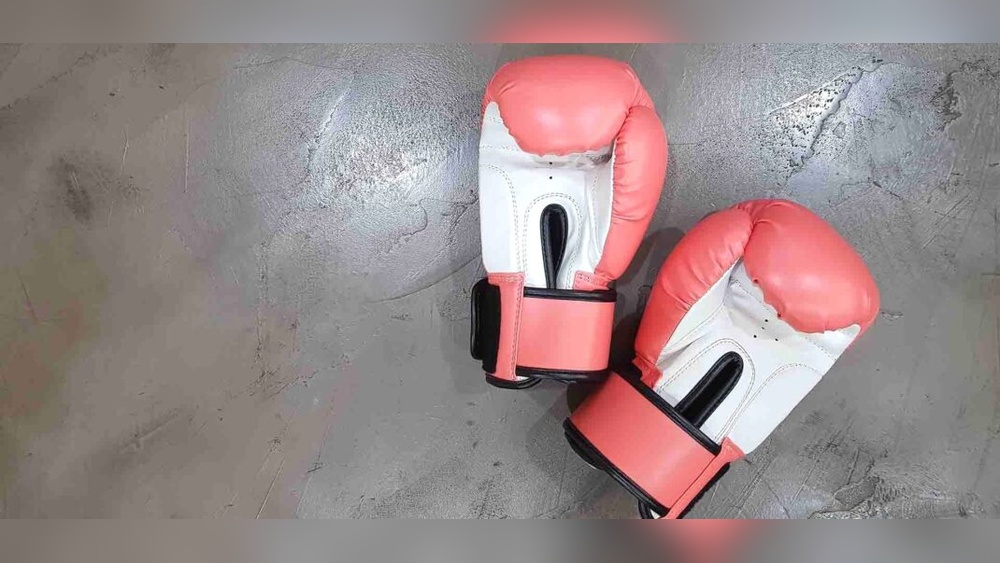
You’ve invested time and effort into training, but have you thought about how often you should replace your boxing gloves? Using worn-out gloves can not only reduce your performance but also increase the risk of injury to your hands and wrists.
Knowing when to upgrade your gloves is essential for staying safe and getting the most out of every punch. You’ll discover clear signs that it’s time to replace your gloves, factors that affect how long they last, and simple tips to extend their life.
Keep reading to protect your hands and boost your boxing game!
Boxing Glove Lifespan
Several factors affect how long boxing gloves last. Understanding these helps you know when to replace them. Gloves that last longer save money and protect your hands better. Let’s explore the main aspects that influence glove durability.
Material Quality
Glove material plays a big role in durability. Genuine leather gloves usually last longer than synthetic ones. Leather resists wear and tear better over time. Synthetic gloves may wear out faster but can be lighter and cheaper. The stitching and finish also affect how well the material holds up.
Construction And Padding
The way gloves are made matters for their lifespan. Good gloves have strong stitching and secure padding. Padding absorbs impact and protects your hands. Over time, padding can compress and lose its cushioning. Gloves with poor padding wear out faster and offer less protection.
Maintenance Practices
Taking care of gloves extends their life. Airing gloves after use prevents moisture buildup and odor. Using hand wraps reduces sweat inside the gloves. Cleaning gloves regularly stops bacteria growth. Neglecting care causes faster material breakdown and bad smells.

Credit: bravose.com
Factors Influencing Durability
Knowing the signs that indicate it’s time to replace your boxing gloves helps keep your hands safe. Gloves wear down over time and lose their protective qualities. Using worn-out gloves can cause injuries or reduce your performance. Watch for clear signs that your gloves need a change.
Padding Deterioration
Padding protects your knuckles and absorbs impact. When the padding feels thin or uneven, it no longer cushions well. You might start feeling hard hits on your hands. This means the foam inside has broken down. Replace gloves as soon as the padding weakens.
Exterior Damage
Check the outside material for cracks, tears, or holes. Damaged gloves expose your hands to injury. Cracks often appear around the knuckles or seams. Rips let sweat inside, speeding up wear. Gloves with visible damage should be replaced quickly.
Persistent Odor
Strong, bad smells show bacteria buildup inside gloves. Even after cleaning, a lasting odor means germs remain. This can cause skin problems and infections. If your gloves smell bad and won’t freshen up, it is time to get new ones.
Loss Of Support And Fit
Good gloves fit snugly and support your wrists well. Over time, gloves can loosen or stretch out. Loose gloves reduce control and increase injury risk. When gloves no longer hold your hands firmly, replace them for safety.
Physical Discomfort During Use
Discomfort or pain while wearing gloves signals problems. Gloves might pinch, slide, or press on painful spots. This can result from worn padding or poor fit. Gloves that cause discomfort should be retired to avoid injuries.
Signs To Replace Gloves
Extending the lifespan of your boxing gloves saves money and keeps you training longer. Proper care helps maintain their shape, padding, and support. Small habits after each session make a big difference. Follow these simple steps to keep your gloves fresh and durable.
Proper Drying Techniques
Always dry your gloves after use to prevent moisture buildup. Remove the gloves from your gym bag immediately. Open the gloves wide to allow air circulation inside. Use a fan or place them in a well-ventilated area. Avoid direct sunlight or heat sources, as they can damage the material. Consider using glove deodorizers or stuffing them with newspaper to absorb moisture quickly.
Regular Cleaning
Wipe the gloves’ surface with a clean, damp cloth after each workout. Use mild soap if necessary to remove sweat and dirt. Avoid soaking or submerging gloves in water. Clean the inside lightly with a cloth and a small amount of rubbing alcohol to kill bacteria. Let the gloves dry completely before storing. Regular cleaning reduces odor and prevents bacteria growth.
Using Hand Wraps
Wear hand wraps during every training session. They absorb sweat and protect the inside of your gloves. Hand wraps keep your gloves cleaner and reduce odor. Change hand wraps regularly and wash them after use. This simple habit extends glove life by minimizing moisture and bacteria inside.
Storage Tips
Store gloves in a cool, dry place away from direct sunlight. Keep them separate from your gym bag and shoes to avoid bad smells. Use a breathable bag or mesh pouch for storage instead of plastic. Keep gloves open to air out between uses. Proper storage maintains glove shape and prevents damage.

Credit: www.fereliboxing.com
Extending Glove Lifespan
Picking durable boxing gloves helps you train longer and safer. Gloves that last reduce the need to replace them often. This saves money and keeps your hands well protected. Focus on quality materials and smart design. They make a big difference in how long gloves last.
Leather Vs Synthetic
Leather gloves usually last longer than synthetic ones. They resist wear and tear better. Leather also molds to your hands over time. Synthetic gloves cost less but may break down faster. Some high-quality synthetics offer good durability too. Choose based on your budget and how often you train.
Glove Purpose And Design
Different gloves serve different needs. Sparring gloves focus on protecting your partner and have softer padding. Heavy bag gloves are built to endure strong hits. Their padding is thicker and tougher. Design also affects durability. Gloves with reinforced stitching and strong closures last longer. Match your gloves to your main activity for best results.
Quality Brands
Trusted brands often deliver better durability. They use higher quality materials and better construction. Investing in reputable gloves reduces early wear. Many top brands test their gloves for strength and comfort. Read reviews and pick brands known for lasting gear. This helps avoid frequent replacements and protects your hands well.

Credit: www.opro.com
Frequently Asked Questions
How Long Do Boxing Gloves Last?
Boxing gloves typically last 1-3 years, depending on use frequency, quality, and care. Replace if padding thins, tears appear, odors persist, or support fades. Proper maintenance, like airing and cleaning, extends glove life.
When Should I Change Boxing Gloves?
Change boxing gloves when padding feels thin or uneven, exterior shows cracks or tears, unpleasant odor persists, fit becomes loose, or hand pain occurs. Proper care and airing them out after use can extend their lifespan. Replace gloves regularly to maintain protection and support.
How Often Do Boxers Get New Gloves?
Boxers replace gloves every 6 to 12 months, depending on use, quality, and maintenance. Replace if padding thins, tears appear, odor persists, or support weakens. Proper care extends glove life.
When Should I Throw Out My Boxing Gloves?
Throw out boxing gloves when padding feels thin or uneven, exterior cracks or tears appear, persistent odor remains, or they lose proper support and fit. Replace gloves to prevent injury and maintain protection during training.
Conclusion
Replacing boxing gloves depends on use, care, and glove type. Check padding often; thin or uneven cushioning means less protection. Look for cracks or tears in the material; these can cause injury. A strong, unpleasant smell signals bacteria buildup, a sign to replace gloves.
Gloves that lose support can increase the risk of hand pain. Take good care by airing gloves and using hand wraps to last longer. Regularly replacing gloves protects your hands and improves training safety. Stay alert to glove condition for the best boxing experience.
