Choosing the right bike lock can feel overwhelming with so many options out there. But it’s one of the most important decisions you’ll make to keep your bike safe.
You want a lock that’s strong, reliable, and fits your lifestyle. This guide will help you cut through the confusion and find the perfect lock that gives you peace of mind every time you leave your bike unattended. Keep reading to discover simple tips that will protect your bike and save you from stress and loss.
Credit: www.youtube.com
Types Of Bike Locks
Choosing the right bike lock helps protect your bike from theft. Different locks offer various levels of security and convenience. Knowing the types of bike locks helps find the best fit for your needs. Here are the main types of bike locks used by many riders.
U-locks
U-locks are strong and hard to break. They have a solid metal bar shaped like the letter “U.” These locks secure your bike frame and wheel to a fixed object. U-locks are heavy but offer excellent protection. They work well in high-theft areas.
Chain Locks
Chain locks use thick metal links to protect your bike. They are flexible and easy to wrap around large objects. Chains come with heavy-duty locks for added security. They are heavier than other locks but very durable. Chains are good for long stops in risky areas.
Cable Locks
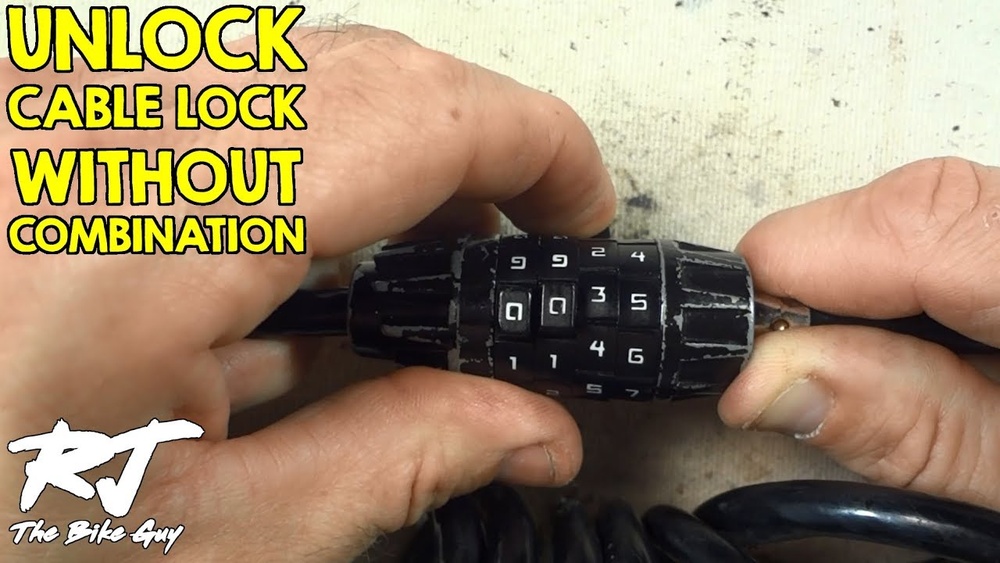
Cable locks are made of braided steel wires covered in plastic. They are light and easy to carry. Cable locks are flexible and fit around many objects. They offer moderate security but can be cut with tools. Best for quick stops in low-risk areas.
Folding Locks
Folding locks combine flexibility and strength. They have metal plates connected with rivets that fold into a compact shape. These locks are easy to carry on your bike frame. Folding locks offer good protection and fit many locking situations. They are lighter than chains but stronger than cables.

Credit: thebestbikelock.com
Factors To Consider
Choosing the right bike lock can protect your bike from theft. Several factors affect how well a lock works and how easy it is to use. Understanding these factors helps you pick a lock that fits your needs and keeps your bike safe.
Security Level
Security level shows how strong the lock is against thieves. Higher security locks use tough materials and smart designs. Look for locks rated by security tests or with good reviews. Strong locks cost more but protect better. Think about where you will park your bike most often.
Weight And Portability
Heavy locks offer better protection but can be hard to carry. Light locks are easy to bring but may be less secure. Choose a lock that balances safety and convenience. Check if the lock comes with a mount or bag for easy transport.
Locking Mechanism
There are many locking types like cable, U-lock, chain, and folding locks. U-locks are very hard to break. Cable locks are flexible but easier to cut. Chains offer strong security but can be heavy. Folding locks fold into small shapes for easy carrying. Pick a mechanism that fits your bike and parking habits.
Weather Resistance
Locks face rain, sun, and cold outside. Weather-resistant locks last longer and work well in all conditions. Look for locks with rust-proof coatings and sealed keyholes. This stops damage and keeps the lock working smoothly.
Choosing The Right Lock For Your Needs
Choosing the right bike lock depends on your riding habits and the bike’s value. Different situations need different levels of security. A good lock protects your bike and gives peace of mind. Consider where you park and how long your bike stays there. This helps decide the best lock type for your needs.
Commuter Bikes
Commuter bikes face daily use in busy areas. A U-lock is a solid choice for these bikes. It offers strong protection and is easy to carry. Combine it with a cable lock for extra security. Focus on locks that resist cutting and picking. Choose lightweight locks for quick, everyday use.
High-value Bikes
High-value bikes need the strongest locks available. Heavy-duty U-locks or chain locks work best here. Look for locks with hardened steel and complex locking mechanisms. Use more than one lock to cover frame and wheels. Secure your bike in well-lit, busy places to reduce risk.
Quick Stops
For short stops, lightweight locks are practical. Cable locks or folding locks fit this need well. They offer basic protection and are easy to carry. Keep in mind, these locks are less secure. Use them only in low-risk areas or for brief moments.
Long-term Parking
Long-term parking requires the most secure locks. Heavy chains or thick U-locks are best for these situations. Look for locks that resist cutting tools and picking. Lock your bike to a solid, immovable object. Consider adding a cover to keep your bike hidden.
Tips For Using Bike Locks Effectively
Using a bike lock correctly helps keep your bike safe. Small mistakes can make your lock useless. Follow these tips to use bike locks well. Protect your bike every time you park it.
Proper Locking Techniques
Always lock your bike frame, not just the wheels. Secure both the frame and the back wheel to a fixed object. Avoid locking only the front wheel; it is easy to remove. Use a U-lock or heavy chain for stronger security. Keep the lock off the ground to prevent leverage attacks.
Where To Secure Your Bike
Choose solid, immovable objects to lock your bike. Look for bike racks or metal poles firmly attached to the ground. Avoid trees, wooden posts, or loose objects. Make sure the object is tall enough to fit your bike and lock. Pick a well-lit and busy area for parking.
Combining Locks
Use two types of locks to increase security. A U-lock and a cable lock work well together. Lock the frame and one wheel with the U-lock. Use the cable lock for the other wheel or accessories. Thieves avoid bikes with multiple locks because they take more time.
Regular Maintenance
Check your lock often for rust or damage. Clean the lock and oil the keyhole to keep it smooth. Replace the lock if it becomes hard to open. A well-maintained lock stays reliable and harder to break. Always test your lock before leaving your bike.
Common Mistakes To Avoid
Choosing the right bike lock is important, but avoiding common mistakes matters more. Many cyclists lose bikes due to simple errors. Understanding these mistakes helps keep your bike safe. Here are common errors to watch out for.
Using Weak Locks
Cheap locks offer poor protection. Thieves break them quickly. Avoid thin cables or small combination locks. Invest in strong, heavy-duty locks. They resist cutting and picking better.
Locking To Unsecure Objects
Locking your bike to flimsy objects is risky. Thin poles or trees can be cut or broken. Always choose solid, fixed structures like metal racks or poles. This stops thieves from taking your bike and the lock.
Ignoring Lock Condition
Old or damaged locks fail often. Rust, broken keys, or loose parts make locks easy to open. Check your lock regularly. Replace it if you see any damage or signs of wear.
Leaving Bikes Unattended For Long
Leaving your bike unlocked or unattended too long increases risk. Thieves watch for easy targets. Always lock your bike, even for short stops. Stay near your bike when possible for extra safety.

Credit: thebestbikelock.com
Frequently Asked Questions
What Type Of Bike Lock Is Most Secure?
U-locks offer the best security due to their strong metal and resistant design. Chain locks are flexible but can be heavy. Cable locks are lightweight but easier to cut. Choose based on your security needs and convenience.
How To Choose The Right Size Bike Lock?
Select a lock that fits your bike frame and a secure object easily. Too short locks limit what you can secure. Longer locks offer flexibility but may be bulky. Measure your bike and locking spots before buying.
Are Combination Locks Safer Than Key Locks?
Combination locks avoid key loss but can be less secure if codes are simple. Key locks provide strong security but risk key misplacement. Choose based on your preference for convenience and security.
Can A Heavy Lock Improve Bike Security?
Heavier locks often use stronger materials, deterring thieves. However, weight can reduce portability and convenience. Balance security needs with how much weight you can carry comfortably.
Conclusion
Choosing the right bike lock helps keep your bike safe. Think about where you park and how long you leave it. Strong locks take more time for thieves to break. Don’t forget to check lock size and weight. A good lock fits your needs and budget.
Always lock your bike to a fixed object. Simple steps can save your bike from theft. Stay smart, stay safe, and enjoy your ride.