When you put on your boxing gloves, how tight should they really be? It’s a simple question, but getting the answer right can make all the difference to your training, comfort, and performance.
If your gloves are too loose, your hand can slide around, making punches weaker and risking injury. Too tight, and you might feel pain, numbness, or limited movement—none of which help you in the ring. You want that perfect balance: snug enough to feel secure and supported, but comfortable enough to move freely.
You’ll discover exactly how tight your boxing gloves should be, how to spot a good fit, and tips to make sure your gloves protect you without holding you back. Keep reading to find out how to get the most from every punch.
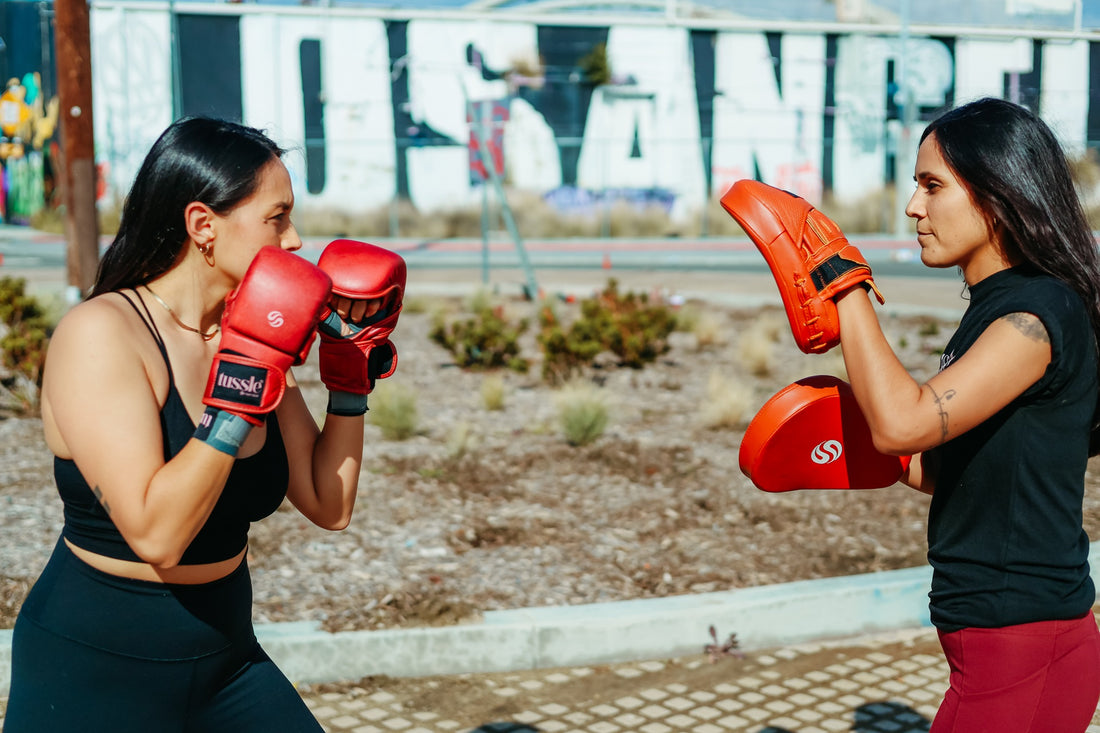
Credit: www.tusslegear.com
Ideal Glove Fit
Finding the ideal glove fit is key to both comfort and safety in boxing. Gloves must feel secure without squeezing too hard. A proper fit helps protect your hands and wrists during training or matches. Gloves that are too loose can shift, causing injury. Gloves that are too tight can cut off circulation and hurt your performance.
Choosing the right fit means balancing snugness with comfort. Each part of your hand should feel supported but free to move naturally. Let’s explore what makes the ideal glove fit with a focus on snugness, finger positioning, and wrist support.
Snug But Comfortable
Your gloves should feel snug, like a firm handshake. They must not pinch or cause pain anywhere on your hand. A tight fit stops the glove from sliding during punches. Yet, you need some space to avoid numbness or tingling. Gloves that are too loose may cause friction and blisters. A comfortable snugness protects your hands without squeezing too hard.
Finger Positioning
Your fingers should reach the top of the glove without curling or cramping. There should be no extra space inside for your fingers to move around. Proper finger positioning helps maintain a strong fist. It also reduces the risk of finger injuries. Gloves that are too tight can make it hard to close your fist. Gloves that are too loose fail to provide enough control.
Wrist Support
The wrist strap must be tight enough to hold your glove in place. Good wrist support reduces the chance of sprains or twists. It also improves the power and accuracy of your punches. Avoid straps that are too tight and cause pain or block blood flow. A secure but comfortable wrist strap keeps your glove stable. This stability is crucial for safe and effective boxing.

Credit: www.smai.com.au
Signs Of Proper Fit
Finding the right fit for your boxing gloves is key to comfort and performance. Properly fitting gloves protect your hands and wrists during training or a match. Signs of a proper fit help you know if your gloves are snug without being too tight or loose. These signs ensure safety and ease of movement.
Fingers Touch The Top
Your fingers should lightly touch the top inside the glove. This means the glove is snug but not cramped. There should be no extra space for your hand to slide around. If fingers feel squished or too loose, the gloves need adjustment.
Secure Wrist Strap
The wrist strap must hold the glove firmly in place. It should feel tight enough to stop the glove from moving. Avoid straps that pinch or cut off circulation. A secure wrist strap protects your wrist from injury during punches.
Comfort And Support
Comfort is vital when wearing boxing gloves. The glove should feel supportive but not cause pain. No sharp pressure points or tight spots should be felt. Comfortable gloves allow longer training without discomfort or distraction.
Full Range Of Motion
You must be able to make a full fist easily inside the glove. Gloves should not limit your hand movements or cause pain. A full range of motion helps maintain proper technique and power in punches. Properly fitting gloves give freedom to move naturally.
Signs Of Poor Fit
Wearing boxing gloves that do not fit well can harm your performance and cause injury. Recognizing signs of a poor fit helps prevent discomfort and damage. Gloves that are too tight or too loose each have distinct symptoms. Knowing these signs ensures you maintain safety and comfort during training or matches.
Too Tight Symptoms
Gloves that are too tight cause tingling or numbness in your fingers. Your hand may feel painful or cramped. Making a full fist becomes difficult or impossible. You might see deep red marks on your skin after removing gloves. Blood flow restriction leads to cold or pale hands. These symptoms signal the need for a looser fit.
Too Loose Problems
Loose gloves shift during punches, reducing control and power. Your hand may slide inside the glove, causing blisters. Lack of support increases the risk of wrist injuries. Loose gloves can cause your knuckles to hit the glove’s interior. This leads to bruising and discomfort. Always avoid gloves that feel baggy or unstable.
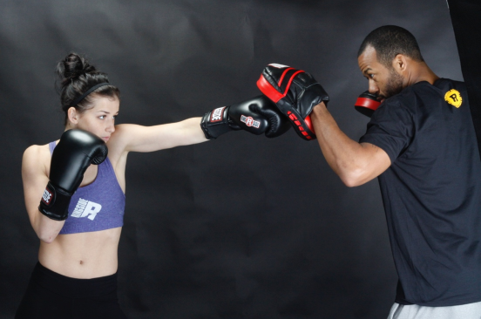
Credit: blog.ringside.com
Choosing The Right Size
Choosing the right size boxing gloves is key for comfort and performance. Gloves that fit well protect your hands and wrists during training. Too loose gloves can cause injury, while too tight gloves reduce blood flow and cause pain. Find a size that feels snug but allows movement. Understanding glove fit helps you train longer and safer.
Try Gloves With Wraps
Always try boxing gloves on with hand wraps. Wraps add extra padding and affect glove fit. Gloves that feel perfect without wraps may become too tight once wrapped. Wearing wraps helps you select gloves that fit your wrapped hand comfortably. This step prevents buying gloves that are too small or tight after wrapping.
Allow For Break-in Period
New boxing gloves feel stiff and tight at first. They loosen slightly after use. This break-in period lets the glove material soften and mold to your hand shape. Expect gloves to feel snug initially, but not painful. Don’t buy gloves that feel too tight thinking they will stretch a lot. A slight break-in adjustment is normal.
Consider Glove Style
Different glove styles fit differently. Training gloves, sparring gloves, and bag gloves vary in padding and shape. Some styles offer more wrist support, others prioritize flexibility. Choose glove style based on your training needs and hand size. Trying various styles can help find the best fit for comfort and protection.
Tips For Wearing Gloves
Wearing boxing gloves correctly improves comfort and performance. Proper use helps avoid injuries and extends glove life. These tips focus on how to wear your gloves right for the best fit and protection.
Follow these simple steps to get the most from your boxing gloves every time you train or compete.
Proper Hand Wrapping
Start with clean, dry hands. Wrap your hands firmly but not too tight. Use hand wraps to protect your knuckles and support your wrists. Cover the knuckles, fingers, and wrists well. Proper wrapping prevents injuries and keeps gloves fitting snugly. Avoid loose or uneven wraps that cause discomfort.
Adjusting Wrist Straps
Fasten wrist straps securely for good support. Tighten straps enough to keep gloves stable during punches. Do not over-tighten; avoid cutting off circulation. Straps should feel firm but comfortable. Check straps often to maintain a safe fit throughout your session.
Maintaining Glove Shape
Keep gloves dry and aired out after use. Store them in a cool, dry place to avoid odor and damage. Use glove deodorizers or stuff with paper to maintain shape. Proper care prevents gloves from becoming loose or misshapen. Well-maintained gloves fit better and last longer.
Common Glove Fit Mistakes
Choosing the right fit for your boxing gloves can be tricky. Many boxers make mistakes that cause discomfort or injury. These common glove fit errors affect performance and safety. Understanding them helps you find the perfect balance between snug and too tight.
Over-tightening
Many boxers pull the straps too tight, thinking it will improve support. Over-tightening cuts off blood flow and causes numbness. It also limits wrist movement, increasing injury risk. Gloves should be firm but never painful or restrictive.
Ignoring Comfort
Comfort is key for long training sessions and fights. Some ignore how gloves feel, focusing only on tightness. Uncomfortable gloves distract you and reduce focus. A good fit feels natural, with no sharp pressure or pinching points.
Skipping Fit Tests
Trying gloves on once is not enough. Skipping repeated fit tests leads to wrong sizing. Hands swell during workouts, so gloves must still fit well afterward. Test gloves with hand wraps and after light exercise to ensure proper fit all the time.
Frequently Asked Questions
Should Your Boxing Gloves Be Tight?
Boxing gloves should fit snugly without restricting circulation or causing pain. Fingers should touch the glove top comfortably. Tighten wrist straps to secure gloves without cutting off blood flow. Ensure full fist movement and no numbness for the best fit and support during boxing.
Why Is Mike Tyson Using 14 Oz Gloves?
Mike Tyson uses 14 oz gloves for better hand protection and to reduce injury risk during training and sparring sessions.
Should Gloves Be Super Tight Or A Little Loose?
Gloves should fit snugly without cutting off circulation or causing pain. Fingers should reach the top comfortably. The wrist strap must secure the glove without pinching. Avoid gloves that feel too tight or too loose to ensure proper support and movement.
Should I Spar With 14 Or 16 Oz Gloves?
Choose 14 oz gloves for faster, lighter sparring and 16 oz gloves for better protection and conditioning. Match glove weight to training goals.
Conclusion
Finding the right tightness for boxing gloves is key to safe training. Gloves should feel snug without pain or numbness. Your fingers should touch the top but not feel cramped. The wrist strap must hold the glove firmly without cutting off blood flow.
Proper fit improves comfort, support, and hand movement. Avoid gloves that are too loose or too tight. Take time to try on gloves with hand wraps before buying. This simple step keeps your hands safe and helps you perform better in the ring.