Are you struggling to feel your chest working during the incline dumbbell press? You’re not alone.
Many people find their shoulders or triceps taking over, leaving the chest under-activated and missing out on gains. But what if you could unlock the full power of your chest every time you lift? You’ll discover simple, effective techniques to activate your chest muscles more deeply and get the most from your incline dumbbell press.
Ready to transform your workout and build a stronger, more defined chest? Let’s dive in.
Benefits Of Incline Dumbbell Press
The incline dumbbell press is a powerful exercise for building your upper chest. It targets muscles differently than flat presses. This helps create a fuller, stronger chest shape. Many lifters add it to their routine to improve strength and muscle balance.
Besides muscle growth, the incline dumbbell press enhances shoulder stability. It also improves pressing power for other lifts. Training with dumbbells allows a greater range of motion and better muscle control.
Improves Upper Chest Development
This exercise focuses on the upper part of the chest. It creates a balanced look by filling out the upper chest muscles. Dumbbells allow each side to work independently. This reduces muscle imbalances and promotes even growth.
Enhances Shoulder Strength And Stability
Incline presses engage the front shoulder muscles. This builds strength and stability in the shoulder joint. Strong shoulders reduce injury risk. They help with other pressing and lifting movements.
Increases Range Of Motion
Dumbbells allow your arms to move more freely than a barbell. This increases the range of motion during the press. Greater motion means better muscle activation. It also improves flexibility over time.
Improves Muscle Symmetry And Control
Using dumbbells requires each arm to lift independently. This helps fix strength differences between sides. It also trains your body to control muscles better. Improved control leads to safer and more effective workouts.
Credit: www.youtube.com
Chest Muscle Anatomy
Activating the chest during an incline dumbbell press targets the upper chest muscles effectively. Focus on a controlled motion and keep your elbows at a 45-degree angle. This helps engage the chest fibers more than the shoulders or triceps.
Overview Of Chest Muscles
The chest muscles are key for pressing movements. They help push weights and move your arms forward. The main chest muscle is the pectoralis major. It covers the upper front of your chest. This muscle has two parts that work together.
Pectoralis Major: Clavicular And Sternal Heads
The upper part is called the clavicular head. It attaches to the collarbone. This part lifts your arms upward and forward. The lower part is the sternal head. It attaches to the sternum or breastbone. This part helps bring your arms down and across your body.
Pectoralis Minor And Supporting Muscles
Under the pectoralis major lies the pectoralis minor. It helps move the shoulder blade. This muscle supports chest movements but does not press weights directly. Other muscles like the deltoids and triceps assist during pressing exercises.
Proper Setup And Positioning
Proper setup and positioning are key to activating the chest muscles during the incline dumbbell press. This ensures you target the upper chest effectively. It also reduces strain on your shoulders and prevents injury. Small adjustments can make a big difference in your workout results.
Focus on bench angle, dumbbell weight, and body alignment. These factors help you maintain control and balance. They also improve muscle engagement throughout the movement.
Choosing The Right Bench Angle
Set the bench between 30 and 45 degrees. This angle targets the upper chest better than flat or steep positions. Too steep shifts focus to the shoulders. Too flat lessens upper chest activation. Adjust the angle until you feel the tension on your chest during the press.
Selecting Appropriate Dumbbell Weight
Pick a weight that challenges your chest without risking form. Start with lighter dumbbells to find your control. Gradually increase weight as you build strength. Avoid weights that cause you to use momentum. Proper weight helps maintain a smooth and steady movement.
Foot Placement And Body Alignment
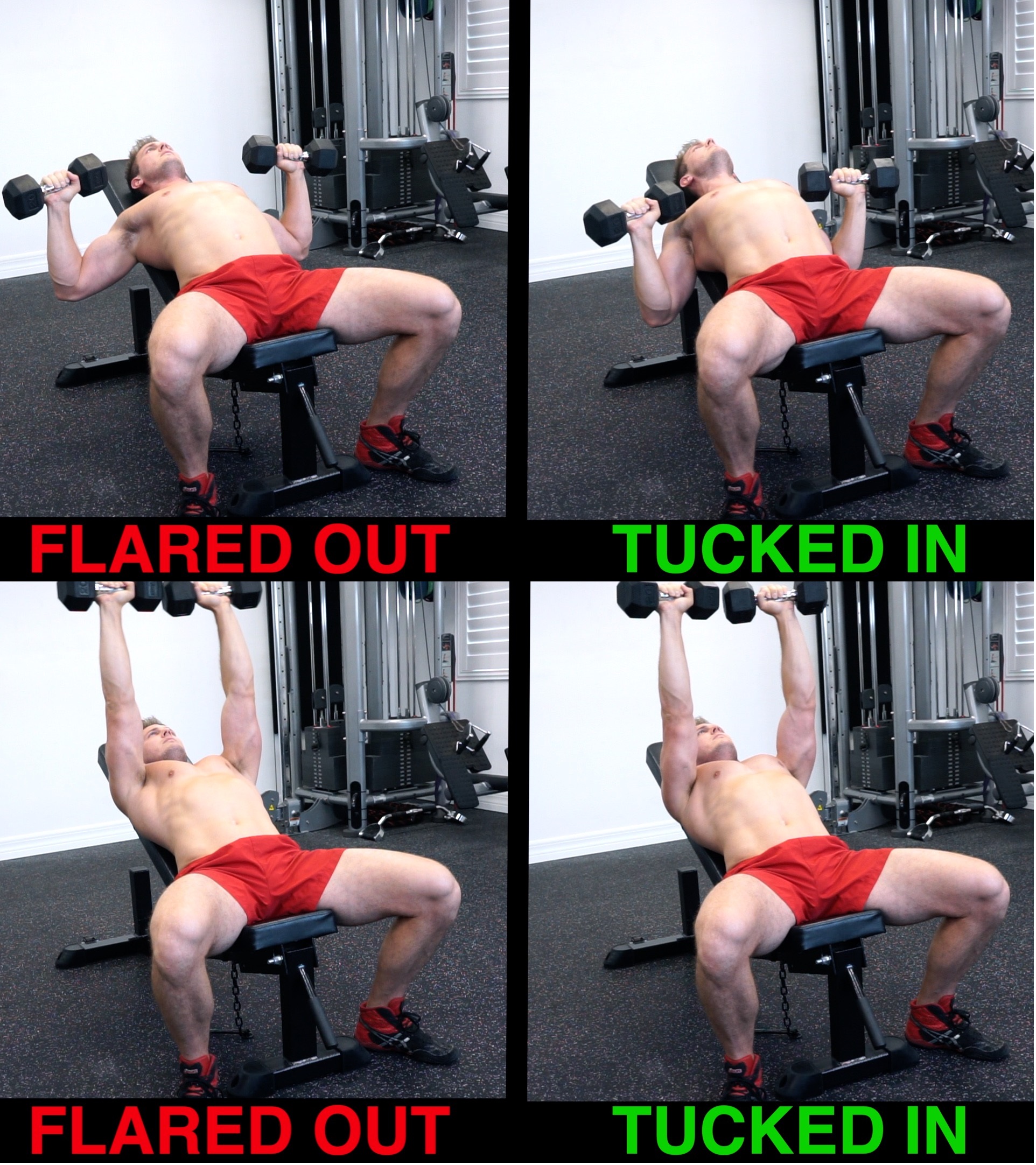
Keep your feet flat on the floor for stability. Position them shoulder-width apart. Press your back firmly against the bench. Maintain a slight arch in your lower back. Keep your shoulder blades squeezed together. Proper alignment supports the chest and protects your joints.
Credit: muscularstrength.com
Optimal Grip And Hand Placement
Optimal grip and hand placement are key to activating your chest during the incline dumbbell press. Proper positioning helps target the upper chest muscles effectively. It also reduces stress on your shoulders and wrists.
Small changes in grip width and hand angle can change how your chest works. Finding the right setup lets you push more weight safely. It also improves muscle growth over time.
Choose The Right Grip Width
Hold the dumbbells so your hands are slightly wider than shoulder-width. This position puts tension on the chest muscles. A grip too wide shifts work to your shoulders. A grip too narrow stresses your triceps.
Keep Wrists Straight
Keep your wrists neutral and stable throughout the movement. Avoid bending or twisting your wrists. Straight wrists allow better force transfer. They also prevent joint pain or injury.
Align Dumbbells Over Chest
Start with dumbbells aligned over the upper chest area. This angle targets the clavicular head of the pectoral muscles. It maximizes chest activation during pressing. Avoid letting dumbbells drift too far forward or backward.
Use A Slightly Angled Hand Position
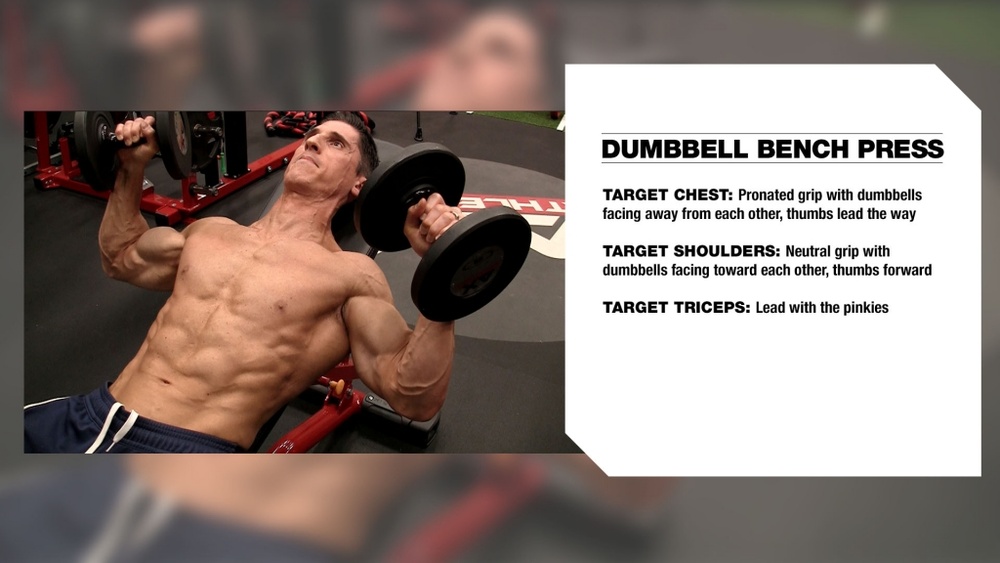
Turn your palms slightly inward, about 10 to 15 degrees. This natural hand angle reduces shoulder strain. It also helps engage the chest fibers better. Keep your grip firm but relaxed.
Step-by-step Activation Technique
Activating the chest muscles during the incline dumbbell press is key for better results. Follow these steps carefully to engage your chest fully. This technique helps you focus on the right muscles and avoid strain.
Starting Position
Sit on an incline bench set at about 30 to 45 degrees. Hold a dumbbell in each hand with a neutral grip. Keep your feet flat on the floor for stability. Pull your shoulder blades back and down. This position prepares your chest for the movement.
Controlled Dumbbell Descent
Lower the dumbbells slowly towards your upper chest. Keep your elbows at about a 45-degree angle from your body. Move with control to avoid using momentum. Feel your chest muscles stretching as the weights go down. This deep stretch activates more muscle fibers.
Explosive Pressing Motion
Press the dumbbells upward with power. Push through your chest, not just your arms. Keep your wrists straight and aligned with your forearms. The speed should be fast but controlled. This motion recruits your chest muscles effectively.
Maintaining Tension On Chest
Do not lock your elbows at the top of the press. Hold a slight bend to keep tension on your chest. Avoid resting the weights between reps. Keep your chest muscles engaged throughout the set. This constant tension promotes muscle growth and strength.
Common Mistakes To Avoid
Activating the chest during the incline dumbbell press requires correct form. Many people make common mistakes that reduce chest engagement. Avoiding these errors helps you build strength and prevent injury. Focus on proper technique for better results.
Overusing Shoulders
Many lifters push with their shoulders instead of the chest. This takes the effort away from your chest muscles. To fix this, keep your shoulders back and down. Imagine squeezing your chest as you press the dumbbells up. This small change directs the work to your chest.
Elbow Positioning Errors
Elbows too wide or too close can reduce chest activation. Keep your elbows at about a 45-degree angle from your body. This position puts the most tension on your chest muscles. Avoid flaring elbows straight out or tucking them too tightly.
Arching Lower Back Excessively
A slight arch in your lower back is normal. Excessive arching can strain your spine and reduce chest work. Keep your core tight and your back pressed gently against the bench. This keeps your body stable and focuses the effort on your chest.
Breathing And Tempo Tips
Breathing and tempo are key to activating your chest during the incline dumbbell press. Proper breathing supports muscle engagement and strength. Controlled tempo helps you focus on the chest muscles, not just moving the weights.
Following the right breathing pattern and tempo can improve your workout quality. It also reduces the risk of injury and helps you lift more effectively.
Correct Breathing Pattern
Inhale deeply before lowering the dumbbells. This fills your lungs and stabilizes your core. Exhale forcefully as you push the dumbbells up. This breath out helps you generate more power. Avoid holding your breath, as it can cause tension and dizziness.
Controlled Lowering Phase
Lower the dumbbells slowly to feel the chest stretch. Take about 2 to 3 seconds to bring the weights down. This slow movement increases muscle tension and activates more fibers. Avoid dropping the dumbbells quickly. It reduces muscle work and increases injury risk.
Explosive Pressing Phase
Push the dumbbells up with steady speed. Use about 1 second to press the weights. This controlled force helps engage the chest muscles fully. Avoid jerking or rushing the movement. Focus on smooth, powerful presses.
Pause At The Top
Hold the dumbbells briefly at the top of the press. A 1-second pause increases muscle activation. It ensures you use chest muscles, not momentum. Keep your arms slightly bent to protect the joints. This pause improves strength and control.
Supplementary Exercises For Chest Activation
Supplementary exercises help improve chest activation during the incline dumbbell press. They target the chest muscles from different angles. This builds strength and improves muscle control. These exercises prepare your chest for better performance in pressing movements.
Cable Fly Variations
Cable fly exercises engage the chest muscles deeply. Adjusting the cable height targets different chest areas. Low cable flys focus on the upper chest, supporting incline presses. Keep a slight bend in your elbows for safety. Move slowly to keep tension on the chest throughout.
Push-up Modifications
Push-ups are simple but effective for chest activation. Try incline push-ups to mimic the incline press angle. Use a bench or step to raise your hands. This shifts focus to the upper chest muscles. Keep your body straight and lower yourself with control.
Pec Deck Machine Use
The pec deck machine isolates the chest muscles well. Sit with your back against the pad and adjust the handles. Bring your hands together slowly, squeezing your chest at the top. This exercise increases mind-muscle connection. It prepares the chest for better activation in presses.
Tracking Progress And Adjustments
Tracking progress and making adjustments are key to activating your chest during the incline dumbbell press. Without tracking, you may not know if your efforts are effective. Adjustments help you improve form and increase strength safely. This section explains how to track progress and make the right changes.
Keep A Workout Log
Write down your sets, reps, and weights each session. Note how your chest feels during the press. Tracking these details shows your progress over time. It highlights strength gains and any plateaus. A simple notebook or app works well for logging.
Watch Your Form Closely
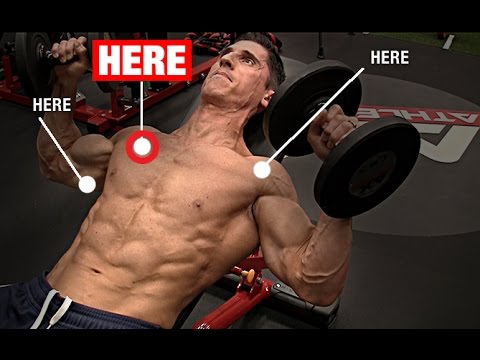
Use a mirror or record yourself pressing. Check if your chest muscles are working, not your shoulders or arms. Poor form can limit chest activation and cause injuries. Correct form means steady elbow position and controlled movement. Adjust your technique as needed to target the chest.
Adjust Weight And Reps Gradually
Increase weights slowly to avoid strain. Lower reps with heavier weights build strength. Higher reps with moderate weights improve endurance. Changing sets, reps, or weights helps your chest grow. Listen to your body and avoid pushing too hard.
Evaluate Muscle Feedback
Feel the muscle working during each press. Tightness or mild soreness means the chest is engaged. Sharp pain signals a problem. Adjust your angle or grip if pain occurs. Muscle feedback guides your adjustments for better results.
Credit: www.youtube.com
Frequently Asked Questions
How Do I Properly Activate Chest Muscles In Incline Dumbbell Press?
To activate chest muscles, focus on squeezing your pecs during the press. Maintain a controlled motion and avoid using momentum. Position your elbows at about 45 degrees to your torso for optimal chest engagement.
What Is The Ideal Incline Angle For Chest Activation?
An incline angle of 30 to 45 degrees best targets the upper chest. Too steep an angle shifts emphasis to shoulders, reducing chest activation. Adjust the bench accordingly for maximum pec engagement.
Should I Use Lighter Weights To Activate Chest Better?
Yes, lighter weights help maintain proper form and muscle focus. Using too heavy weights can involve other muscles and reduce chest activation. Prioritize controlled movements over heavy lifting for better chest engagement.
How Does Grip Width Affect Chest Activation In Incline Press?
A grip slightly wider than shoulder width maximizes chest muscle involvement. Too narrow a grip shifts focus to triceps, while too wide may strain shoulders. Find a comfortable grip to optimize pec activation.
Conclusion
Activating your chest during the incline dumbbell press takes focus and practice. Keep your shoulder blades pulled back and down. Press the weights up while squeezing your chest muscles. Control each movement and avoid using momentum. Small adjustments can make a big difference.
Train consistently and pay attention to form. Your chest will grow stronger over time. Stay patient and keep working hard. This approach helps build a well-shaped chest safely. Simple steps lead to better results. Keep these tips in mind for your next workout.