Are your fixed dumbbells feeling too light for your workouts? You’re not alone.
Many fitness enthusiasts hit a plateau because their weights don’t challenge them enough. But what if you could easily add weight to your fixed dumbbells without buying a whole new set? You’ll discover simple, effective ways to boost your dumbbells’ weight safely and affordably.
Keep reading to unlock the secrets that will help you push harder, grow stronger, and get better results every time you train.
Benefits Of Adding Weight To Dumbbells
Adding weight to fixed dumbbells can improve your workout in many ways. It helps you build strength more effectively. Increasing weight challenges your muscles to work harder. This leads to better muscle growth and tone. It also keeps your exercise routine from becoming too easy or boring.
Using heavier dumbbells improves your endurance and stamina. You can perform more reps or sets as your muscles grow stronger. This makes daily tasks easier and boosts overall fitness. Adding weight also helps prevent plateaus in your progress. Your body adapts to new challenges and keeps improving.
Increased Muscle Strength
Adding weight forces muscles to grow stronger. Heavier loads make muscles work harder. This leads to faster strength gains. Stronger muscles improve your overall body power. Daily activities become easier with more strength.
Enhanced Muscle Tone And Size
More weight helps muscles become firmer and bigger. Lifting heavier dumbbells stimulates muscle fibers. This causes muscles to grow in size and shape. Better muscle tone improves your appearance and confidence.
Improved Workout Efficiency
Adding weight makes workouts more effective. Your body burns more calories with heavier dumbbells. You get better results in less time. This saves time and increases workout benefits.
Prevention Of Fitness Plateaus
Changing weights avoids workout boredom. Your muscles face new challenges regularly. This stops progress from slowing down. Continuous improvement keeps motivation high.
Better Bone Health
Weight training strengthens bones too. Heavier dumbbells increase bone density. Stronger bones reduce the risk of fractures. This is important for long-term health.
Assessing Your Current Dumbbells
Before adding weight to fixed dumbbells, start by checking their current condition. Knowing your dumbbells well helps you avoid damage and choose the best way to increase weight. This step makes your workout safer and more effective.
Material And Construction
Look closely at the material of your dumbbells. Some are made of cast iron, others of steel or coated with rubber. Each material has a different strength and weight limit. Check for any cracks or wear. The construction affects how much extra weight the dumbbells can hold safely.
Maximum Weight Capacity
Find out the maximum weight your dumbbells can handle. This information is often on the dumbbell or in the product manual. Exceeding this limit can break the dumbbell or cause injury. Knowing this limit helps you plan how much extra weight to add safely.
Safe Weight Addition Methods
Adding weight to fixed dumbbells safely helps improve your workout. It lets you increase strength without buying new equipment. Choose methods that keep your hands and floor safe. Use materials that stay secure during exercise. Here are simple and safe ways to add weight.
Using Weight Plates
Weight plates are a common way to add mass. Slide plates onto the dumbbell handle if possible. Use collars or clamps to hold plates tightly. Avoid loose plates that can slip off. This method keeps weight balanced and stable. It works well if your dumbbells have adjustable handles.
Attaching Sandbags
Sandbags add extra weight without changing dumbbell shape. Wrap small sandbags around the dumbbell handle. Use strong straps or tape to secure them. Make sure sandbags do not block your grip. Sandbags are soft, reducing injury risk if dropped. Check bags often to avoid leaks or damage.
Adding Water Or Sand Bottles
Fill small bottles with water or sand for extra weight. Tape or tie bottles to the dumbbell handle. Use bottles with tight caps to prevent spills. This method is cheap and adjustable. Change water or sand to increase or reduce weight. Keep bottles steady to avoid imbalance during lifts.
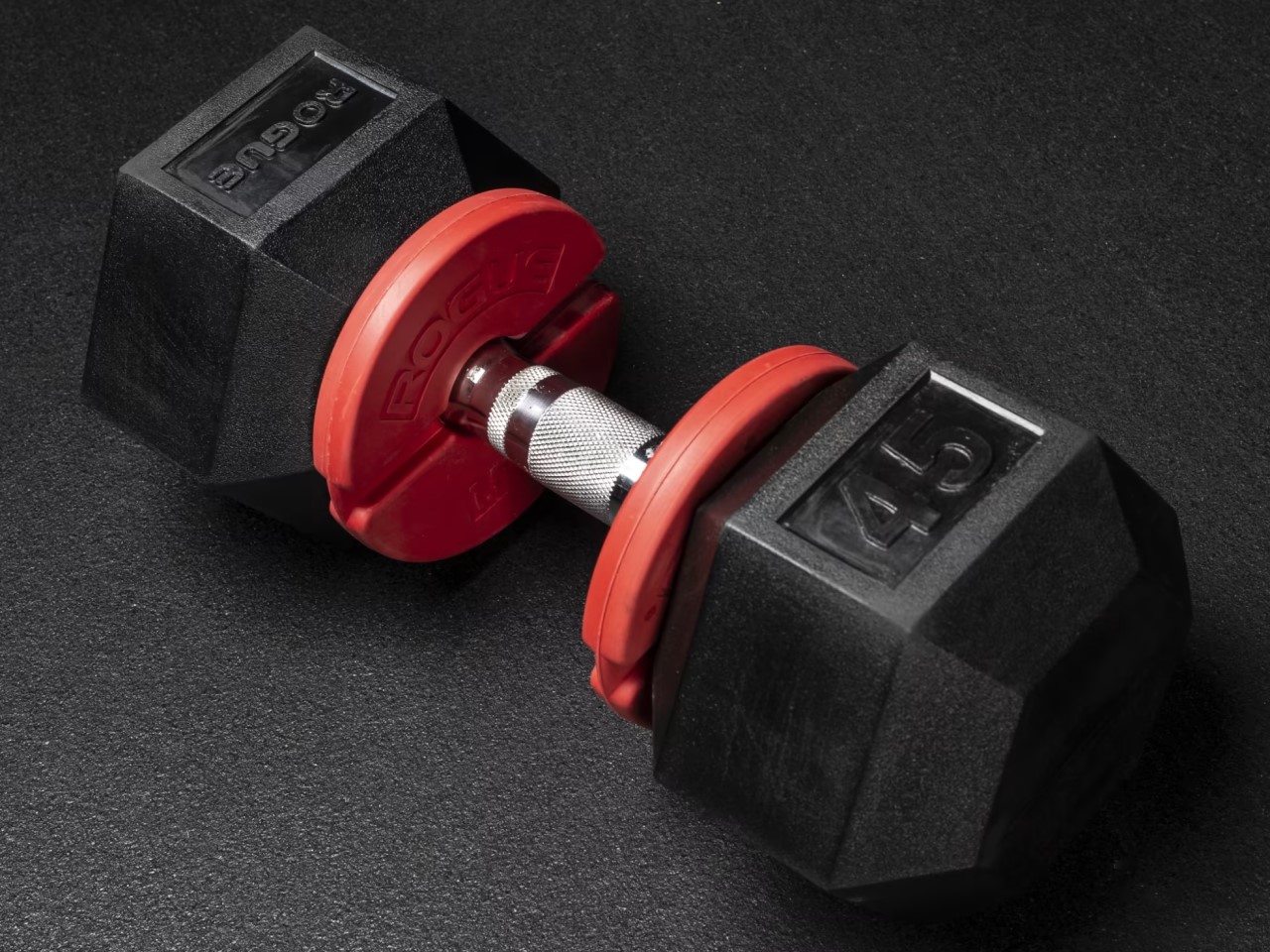
Credit: www.tworepcave.com
Diy Weight Increases With Household Items
Increasing the weight of fixed dumbbells can be simple and cost-effective. Household items offer easy solutions to make your dumbbells heavier. These DIY methods help you customize your workout without extra purchases.
Filling Hollow Handles
Many fixed dumbbells have hollow handles. Fill these spaces with heavy materials like sand, gravel, or small metal pieces. Use a funnel or tape to keep the material inside. This method adds weight while keeping balance and grip.
Using Tape And Adhesives
Wrap your dumbbell handles or ends with strong tape. Duct tape or athletic tape works well. Attach small weights or metal washers using glue or double-sided tape. This approach increases weight and keeps items secure during exercise.
Wrapping With Weighted Bands
Weighted bands or resistance bands can wrap around dumbbells. Wrap tightly to add resistance and weight. These bands also improve grip and control. They are easy to remove and adjust for different workouts.
Tools And Materials Needed
Adding weight to fixed dumbbells needs specific tools and materials. These help you safely increase your dumbbells’ weight. Having the right items makes the process easier and more secure.
Prepare everything before you start. This saves time and avoids mistakes. Below are the essential tools and materials required for this task.
Weight Plates
Weight plates are the main material to add extra load. Choose plates that fit your dumbbell handles. Usually, small plates work best for fixed dumbbells. Metal or rubber-coated plates provide good durability.
Clamp Collars Or Spin Locks
Clamp collars keep weight plates firmly on the dumbbell handle. They prevent plates from sliding during exercises. Spin locks are a common type of collar for dumbbells. Make sure they fit your dumbbell size.
Adjustable Dumbbell Handles
Some fixed dumbbells can be modified using adjustable handles. These handles allow you to add or remove plates easily. Check if your dumbbells support handle replacement. This option offers more flexibility in weight adjustment.
Wrench Or Screwdriver
A wrench or screwdriver is needed to tighten clamp collars or remove parts. Choose the tool that fits the screws or bolts on your dumbbells. Proper tightening ensures safety during workouts.
Protective Gloves
Wear protective gloves to avoid hand injuries. Gloves improve grip and protect skin from sharp edges. This small step helps keep your hands safe and comfortable.
Step-by-step Guide For Adding Weight
Adding weight to fixed dumbbells lets you increase your workout’s challenge. Follow this guide to do it safely and correctly. Each step ensures your dumbbells stay secure and stable for effective training.
Preparing The Dumbbells
Start by cleaning the dumbbells. Remove any dust or sweat. This helps new weights stick better if using adhesive. Check for any damage or loose parts. Tighten screws or bolts before adding weight. Choose a flat, stable surface to work on.
Securing Additional Weight
Select weights that fit your dumbbell handles. Use weight plates with holes matching the dumbbell size. Slide the plates onto the handle carefully. Use collars or clamps to lock the plates in place. Tighten them firmly but avoid over-tightening. Wrap tape around the handle and plates for extra security, if needed.
Testing Stability And Safety
Lift the dumbbells slowly to test balance. Shake them gently to check for movement. If plates shift, tighten the clamps again. Do a few light lifts to ensure everything stays in place. Avoid using dumbbells if weights feel loose. Safety first to prevent injury during workouts.
Maintenance And Safety Tips
Maintaining fixed dumbbells and using them safely is important. Proper care helps the dumbbells last longer. It also keeps you safe during workouts. Follow these simple tips to protect your equipment and yourself.
Regular Inspections
Check dumbbells often for any signs of wear. Look for cracks, loose parts, or rust. Small problems can become big issues if ignored. Tighten screws and bolts to keep everything secure. Clean the dumbbells after each use to prevent dirt buildup.
Avoiding Damage
Store dumbbells in a dry place to stop rust. Avoid dropping them on hard floors. Use rubber mats to protect both the weights and the floor. Don’t overload dumbbells beyond their fixed weight limit. Handle the weights gently to keep them in good shape.
Safe Lifting Practices
Lift dumbbells with a straight back and bent knees. Keep control of the weight at all times. Don’t rush through your exercises. Use slow, steady movements to avoid injury. Stop immediately if you feel pain or discomfort. Always warm up before lifting to prepare your muscles.

Credit: www.youtube.com
Alternatives To Modifying Fixed Dumbbells
Adding weight to fixed dumbbells can be tricky and sometimes unsafe. Many people want a simple way to increase their workout weight. Instead of changing your fixed dumbbells, try these easy alternatives. They offer safe and effective ways to boost your strength training.
Adjustable Dumbbells
Adjustable dumbbells let you change the weight quickly. You can add or remove plates to fit your strength level. This flexibility saves space and money over buying many dumbbells. They are perfect for home gyms and small spaces.
Buying Heavier Dumbbells
Buying heavier dumbbells is a direct way to increase weight. Start with a few pairs of different weights. This method helps you progress safely and steadily. It also avoids the risk of damaging your current dumbbells.
Using Resistance Bands
Resistance bands add extra challenge without changing dumbbells. Wrap bands around the handles or your body for more tension. They are lightweight and easy to carry anywhere. Bands also improve muscle strength and flexibility.

Credit: fitness.stackexchange.com
Frequently Asked Questions
How Can I Safely Add Weight To Fixed Dumbbells?
To safely add weight, use weighted plates or wraps designed for dumbbells. Secure them firmly to avoid slippage. Always check the dumbbell’s weight limit and balance before use. Avoid makeshift attachments that can cause injury or damage.
What Tools Are Needed To Increase Dumbbell Weight?
You typically need weighted plates, collars or clamps, and sometimes adhesive wraps. These tools ensure added weights stay secure during workouts. Avoid using loose items that can fall off and cause accidents.
Can Fixed Dumbbells Be Permanently Modified For More Weight?
Most fixed dumbbells are not designed for permanent weight changes. Modifying them can damage the dumbbell or void warranties. Using add-on weights or adjustable dumbbells is a safer, more flexible option.
Are There Alternatives To Adding Weight To Fixed Dumbbells?
Yes, consider adjustable dumbbells or heavier fixed sets. Resistance bands can also increase workout intensity. These alternatives offer safer and more versatile options for strength progression.
Conclusion
Adding weight to fixed dumbbells can improve your strength over time. Small changes make a big difference in your workout. Use safe and simple methods to increase the load. Always check that the added weight stays secure during exercises. Consistency matters more than heavy weights at once.
Keep your routine steady and increase weight slowly. This way, you avoid injury and build muscle safely. Your fitness will grow with patience and care. Stay focused and enjoy every step of progress.