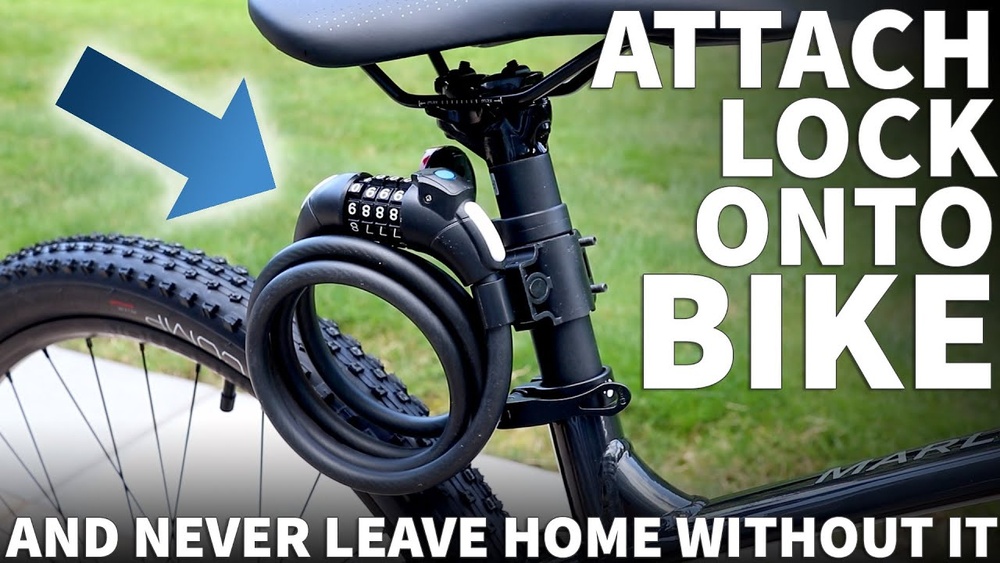
You want to keep your bike safe, but attaching a cable lock can seem tricky if you’re not sure how to do it right. The good news?
It’s easier than you think. Knowing exactly how to secure your bike with a cable lock gives you peace of mind and protects your ride from theft. In this guide, you’ll learn simple steps to attach your cable lock quickly and effectively.
Keep reading to make sure your bike stays where it belongs—right by your side.

Credit: thebestbikelock.com
Choosing The Right Cable Lock
Choosing the right cable lock is key to protecting your bike. A good lock keeps thieves away and gives you peace of mind. Picking the right lock depends on several factors. The type, material, thickness, length, and flexibility all matter. Understanding these will help you make a smart choice.
Types Of Cable Locks
There are several types of cable locks. Coil locks are flexible and easy to carry. Straight cable locks offer more length and can secure multiple parts. Some locks have combination codes, while others use keys. Choose one that fits your security needs and convenience.
Material And Thickness
Cable locks come in different materials like steel or braided wire. Thicker cables are harder to cut. Steel cables with layers of protective coating last longer and resist rust. A thicker lock usually means better security. Avoid thin cables that thieves can easily cut.
Length And Flexibility
The length of the cable affects where you can lock your bike. Longer cables reach around poles or multiple bikes. Flexibility helps you wrap the cable tightly. But very long cables can be bulky to carry. Pick a length that suits your daily use and storage needs.
Preparing Your Bike
Preparing your bike is the first step before attaching a cable lock. A well-prepared bike makes locking easier and more secure. Taking time to prepare helps protect your bike from theft. Follow these simple steps to get your bike ready.
Selecting A Secure Location
Choose a place that is visible and busy. Thieves avoid crowded areas where they might be seen. Look for bike racks or sturdy poles. Avoid soft or weak surfaces. A good location adds extra protection to your bike.
Cleaning The Frame
Wipe down the bike frame with a cloth. Remove dirt, dust, and grease from the locking area. A clean frame helps the lock fit better. It also prevents scratches and damage to your bike. Clean surfaces make the lock last longer.
Identifying Lock Points
Find strong parts of your bike to lock. The frame and wheels are the best choices. Avoid locking only the front wheel, as it can be removed. Look for metal parts that do not move. Secure lock points keep your bike safe and stable.
Attaching The Cable Lock
Attaching the cable lock to your bike is a key step to keep it safe. Do it right to stop thieves from stealing your bike. Follow these simple steps to secure your bike with a cable lock.
Wrapping Around The Frame And Wheel
Start by wrapping the cable lock around your bike frame. Make sure to include the rear wheel inside the loop. This prevents the wheel from being stolen separately. Keep the cable tight and close to the frame. Loose cables are easier to cut or remove.
Securing To A Fixed Object
Choose a strong fixed object like a bike rack or pole. Wrap the cable lock around this object and your bike frame. The object must be solid and hard to move. Avoid trees or loose fences that can be damaged or removed. The goal is to make it very hard to take your bike away.
Locking Mechanism Tips
Place the locking mechanism in a spot that is hard to reach. This makes it difficult for thieves to tamper with. Double-check that the lock clicks securely. Test it by pulling the cable firmly. Always keep the key or combination code safe and easy to find.
Maximizing Security
Maximizing security when attaching a cable lock to your bike is crucial. A well-secured bike lowers the risk of theft. Small steps can make a big difference in protection. Follow these simple tips to keep your bike safe.
Avoiding Ground Contact
Keep the lock off the ground. Locks touching the ground can be cut easily. Position the lock high on the frame or around a sturdy object. This makes cutting or breaking harder for thieves.
Using Multiple Locks
Use more than one lock for better security. Combine a cable lock with a U-lock or chain lock. Lock both the frame and wheels. Multiple locks slow down thieves and increase protection.
Regular Lock Maintenance
Check your lock regularly for damage or rust. Clean and lubricate the lock mechanism to keep it smooth. A well-maintained lock is harder to break and lasts longer.
Common Mistakes To Avoid
Protecting your bike with a cable lock needs careful attention. Many cyclists make simple mistakes that reduce the lock’s effectiveness. Avoiding these errors can save your bike from theft. Here are some common mistakes to watch out for.
Locking Only The Wheel
Locking just the wheel leaves the rest of the bike free to steal. Thieves can easily detach the wheel and take the frame. Always lock the frame and at least one wheel to a solid object. This method keeps the entire bike secure and harder to steal.
Choosing Weak Lock Points
Not all bike racks or poles are safe. Some are easy to cut or move. Avoid locking your bike to thin posts or objects that can be lifted. Look for strong, fixed metal racks or thick poles. The stronger the lock point, the better your bike stays safe.
Ignoring Lock Wear And Tear
Locks wear out over time. Rust, frayed cables, and broken parts reduce security. Check your lock regularly for damage. Replace the lock if it shows signs of wear. A strong, well-maintained lock protects your bike better and lasts longer.

Credit: thebestbikelock.com
Additional Security Measures
Attaching a cable lock to your bike is important, but extra steps can boost your bike’s safety. These additional security measures help protect your bike from theft. They add layers of protection beyond just locking.
Using Gps Trackers
GPS trackers help you find your bike if it gets stolen. Small devices attach easily to your bike frame. They send location data to your phone or computer. This feature gives peace of mind and a chance to recover your bike fast.
Registering Your Bike
Registering your bike with local or online databases helps prove ownership. It creates a record that can assist police in recovery. Registration often includes entering your bike’s serial number and description. This step makes it harder for thieves to sell your bike.
Insurance Options
Bike insurance covers theft and damage costs. Policies vary but usually offer financial protection. Some insurance plans cover replacement or repair expenses. Check options that fit your needs and budget. Insurance adds security beyond physical locks and tracking.

Credit: www.youtube.com
Frequently Asked Questions
How Do I Secure A Cable Lock To My Bike Frame?
Attach the cable lock tightly around the bike frame and a sturdy object. Ensure the lock passes through both the frame and rear wheel for maximum security.
Can Cable Locks Protect Both Wheels And Frame?
Yes, cable locks can secure both wheels and frame if threaded properly. Loop the cable through the frame and wheels to prevent theft.
What’s The Best Place To Attach A Bike Cable Lock?
Attach the lock to a fixed, immovable object like a bike rack or pole. Avoid weak or easily cuttable objects for better protection.
How Tight Should A Cable Lock Be On A Bike?
The cable lock should be snug but not overly tight. It should prevent movement and deter thieves while avoiding damage to the bike.
Conclusion
Attaching a cable lock to your bike keeps it safe and secure. Choose a strong lock and wrap it tightly around the frame. Always lock your bike to a fixed object. Remember to lock both the frame and wheels for better protection.
Practice these steps every time you park your bike. Small efforts can prevent big losses. Stay safe and enjoy your rides without worry.


