Do you want bigger, stronger shoulders that make your upper body stand out? Building broad shoulders not only improves your look but also boosts your confidence and strength.
The best part? You don’t need fancy gym machines or heavy barbells to get there. With just a pair of dumbbells and the right moves, you can sculpt powerful shoulders right at home or anywhere you choose. Keep reading, and you’ll discover simple, effective exercises that will help you build those big shoulders faster than you thought possible.
Your journey to a stronger, more impressive physique starts here.
Benefits Of Dumbbell Shoulder Training
Dumbbell shoulder training offers many advantages for building strong and big shoulders.
Dumbbells allow a greater range of motion than machines or barbells. This helps activate more muscle fibers.
Using dumbbells also improves muscle balance. Each side works independently, reducing strength gaps.
This training style increases shoulder stability. It engages smaller muscles that support joint health.
Dumbbell exercises are versatile. You can perform many movements targeting different shoulder parts.
Improved Muscle Activation
Dumbbells require more control during lifts. This activates more muscle fibers across the shoulder.
Free movement allows natural shoulder paths. This helps engage the deltoid muscles fully.
Better Muscle Balance
Each arm lifts separately. This prevents one side from dominating the other.
Muscle imbalances reduce injury risk and improve overall strength.
Increased Joint Stability
Dumbbell exercises strengthen smaller stabilizer muscles. These muscles protect shoulder joints.
Strong stabilizers help keep shoulders healthy and reduce pain.
Versatility And Convenience
Dumbbells fit many exercises like presses, raises, and rotations.
They work well at home or in the gym with limited space.
Essential Shoulder Muscles To Target
Building big shoulders requires focusing on key muscles. Targeting the right muscles helps shape strong, broad shoulders. Dumbbells are perfect tools for this purpose. They allow controlled, balanced workouts for these muscles.
Understanding which muscles to work is crucial. This section explains the main shoulder muscles to target with dumbbells. Knowing these muscles guides your exercise choices.
Deltoid Muscle Breakdown
The deltoid is the main shoulder muscle. It has three parts: front, middle, and rear. Each part helps move your arm differently. The front deltoid lifts the arm forward. The middle deltoid lifts the arm to the side. The rear deltoid pulls the arm backward. Training all three parts creates round, full shoulders.
Supporting Shoulder Muscles
Supporting muscles stabilize and protect your shoulder joint. The rotator cuff is a group of four small muscles. They keep your shoulder steady during movement. The trapezius muscle helps lift and rotate your shoulder blade. Strengthening these muscles improves shoulder stability and helps prevent injury.
Key Dumbbell Exercises For Shoulder Growth
Building big shoulders requires focused exercises using dumbbells. Dumbbells allow more control and a full range of motion. This helps target all parts of the shoulder muscles. The following exercises are key for shoulder growth. They work the front, side, and rear deltoids effectively. Perform these moves regularly for balanced and strong shoulders.
Overhead Dumbbell Press
The overhead dumbbell press is a classic shoulder builder. Sit or stand with a dumbbell in each hand. Press the weights straight up until your arms are fully extended. Lower them slowly to shoulder level. This exercise targets the front and side deltoids. It also engages the triceps and upper chest.
Lateral Raises
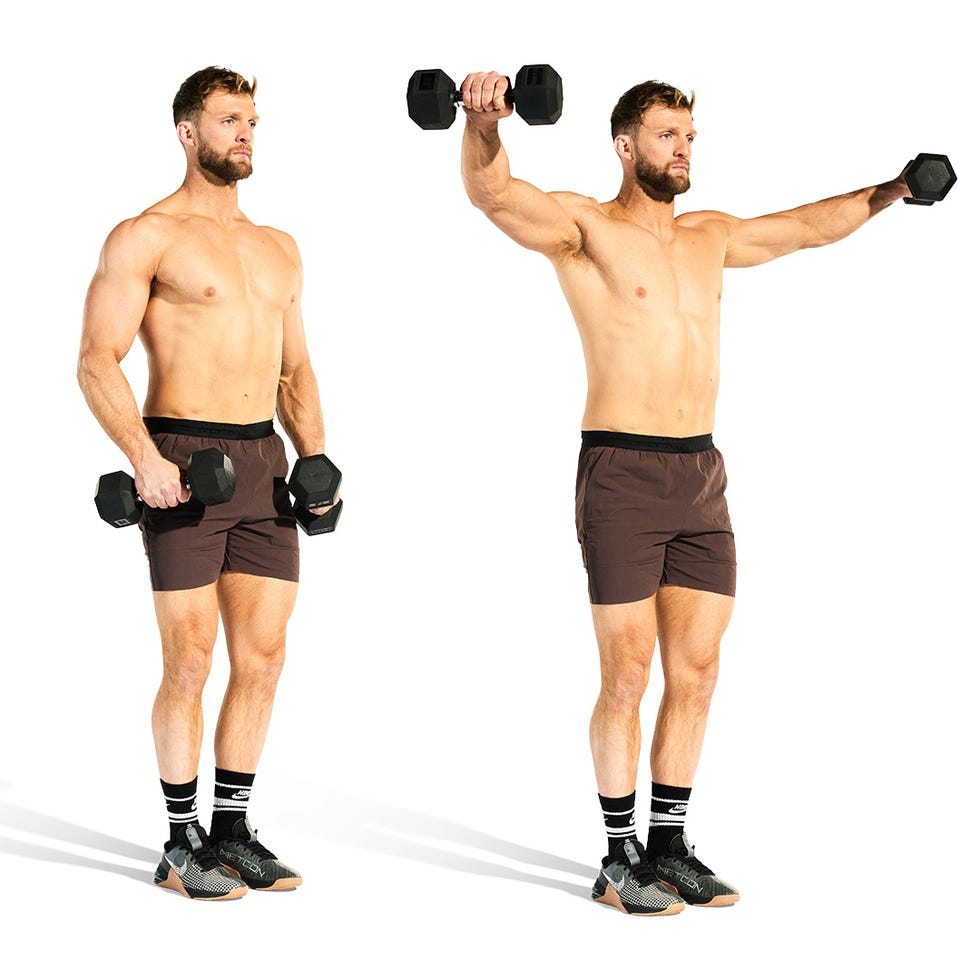
Lateral raises focus on the side deltoids. Hold a dumbbell in each hand at your sides. Lift the weights out to the sides until your arms are parallel to the floor. Keep a slight bend in your elbows. This move widens your shoulders and improves overall shape.
Front Raises
Front raises target the front part of the shoulders. Hold one dumbbell with both hands or a dumbbell in each hand. Lift the dumbbell(s) straight in front of you to shoulder height. Lower them down slowly. This exercise helps develop the front deltoids for a strong, defined look.
Reverse Flyes
Reverse flyes work the rear deltoids and upper back. Bend slightly at the hips with dumbbells in hand. Raise your arms out to the sides, squeezing the shoulder blades together. Keep a slight bend in the elbows. This exercise improves posture and balances shoulder development.
Arnold Press
The Arnold press adds rotation to the overhead press. Start with dumbbells in front of your shoulders, palms facing you. As you press the weights up, rotate your palms to face forward. Lower the dumbbells back with the reverse motion. This exercise hits all three heads of the deltoid muscle.

Credit: www.youtube.com
Proper Form And Technique Tips
Proper form and technique are crucial when building big shoulders with dumbbells. They help prevent injuries and ensure each muscle gets the right workout. Using dumbbells the right way makes your shoulder muscles grow stronger and more balanced. This section explains key tips to keep your form perfect and your workouts safe.
Maintaining Posture
Stand tall with your chest up and shoulders back. Keep your spine straight and avoid leaning forward or backward. Tighten your core muscles to support your back. Good posture helps target the shoulder muscles better and reduces strain on your joints. Always check your body position before lifting dumbbells.
Controlling Movement
Lift dumbbells slowly and with control. Avoid fast or jerky motions. Moving slowly increases muscle tension and improves strength gains. Lower the weights carefully to keep muscles engaged. Controlled movement also lowers the risk of injury. Focus on smooth, steady lifts for the best results.
Avoiding Common Mistakes
Do not use weights that are too heavy. This can cause poor form and injuries. Avoid shrugging your shoulders or swinging dumbbells. Keep your elbows slightly bent and stable. Do not arch your back or lock your joints. Fix these mistakes early to build shoulders safely and effectively.
Creating An Effective Shoulder Workout Plan
Creating an effective shoulder workout plan is key to building big, strong shoulders with dumbbells. A good plan targets all parts of the shoulder muscle. It helps you train safely and avoid injury. A clear plan keeps your workouts focused and productive. Follow these steps to design a shoulder workout that works well for you.
Exercise Selection
Choose exercises that hit all three shoulder heads: front, side, and rear. Dumbbell shoulder press works the front and side delts. Lateral raises target the side delts for width. Bent-over reverse flyes focus on the rear delts. Include compound and isolation moves for balanced growth. Pick exercises you can do with good form and control.
Sets And Reps Strategy
Use 3 to 4 sets per exercise. Aim for 8 to 12 reps to build muscle size. Keep the weight challenging but manageable. Increase weight slowly as you get stronger. Consistency in sets and reps helps your muscles grow steadily. Avoid lifting too heavy to prevent poor form and injury.
Rest And Recovery
Rest between sets for 60 to 90 seconds. This allows muscles to recover enough to perform well. Give your shoulders 48 hours of rest before training them again. Sleep well and eat enough protein to help muscle repair. Recovery is as important as training for bigger shoulders.

Credit: bymed.com.ar
Progressive Overload For Bigger Shoulders
Building bigger shoulders requires more than just lifting dumbbells. Progressive overload is key to making your shoulder muscles grow. This means gradually increasing the weight, reps, or sets over time. Your muscles face new challenges and adapt by getting stronger and bigger.
Without progressive overload, your muscles will stop growing. They need constant new stress to improve. This method helps avoid plateaus and keeps your workouts effective.
What Is Progressive Overload?
Progressive overload means slowly increasing workout demands. You can add more weight to dumbbells. Or increase how many reps you do. Another way is to add more sets to your routine.
The goal is to push your muscles beyond their current limits. This forces them to repair and grow. Consistency in adding more challenge is important.
How To Apply Progressive Overload With Dumbbells
Start with a weight you can lift with good form. Track the reps and sets you complete. Every week, try to add a little more weight or extra reps. Even small increases can lead to big gains.
Focus on shoulder exercises like dumbbell presses, lateral raises, and front raises. Increase the weight only when you can complete all sets easily.
Signs You Should Increase Weight Or Reps
You feel the exercises are no longer hard. Your muscles do not feel tired after a workout. You can finish your usual sets without struggle. These signs mean it is time to increase weight or reps.
Gradual increases prevent injury. They also ensure steady muscle growth. Keep challenging your shoulders step by step.
Nutrition For Muscle Growth
Nutrition plays a key role in building big shoulders with dumbbells. Eating the right foods helps your muscles grow stronger and larger. Without good nutrition, your workouts will not show the best results. Focus on eating balanced meals that support muscle repair and growth.
Protein Intake
Protein is the building block of muscles. Eating enough protein helps repair muscle fibers after exercise. Choose lean sources like chicken, fish, eggs, and beans. Aim for 1.2 to 2 grams of protein per kilogram of body weight daily. Spread protein intake evenly across meals for better absorption.
Caloric Surplus
Building muscle requires extra calories. Eating more calories than you burn creates a caloric surplus. This surplus gives your body energy to grow muscle. Focus on nutrient-rich foods like whole grains, healthy fats, and vegetables. Avoid too many empty calories from sugary or processed foods.
Hydration
Water keeps your muscles working well. Staying hydrated helps prevent cramps and fatigue. Drink water before, during, and after workouts. Aim for at least 8 cups of water daily. Hydration supports nutrient delivery to muscles and speeds recovery.
Credit: www.menshealth.com
Preventing Shoulder Injuries
Building big shoulders with dumbbells requires care to avoid injuries. Shoulder joints are complex and can get hurt easily. Taking steps to protect them helps maintain strength and progress. Injury prevention keeps workouts safe and effective.
Warm-up Routines
Start every session with a warm-up. Warm muscles move better and resist injury. Use light dumbbells or no weights at all. Do arm circles, shoulder shrugs, and light presses. Spend 5 to 10 minutes warming up. This prepares your body for heavier lifts.
Stretching And Mobility
Stretching keeps your shoulder muscles flexible. Perform stretches before and after workouts. Focus on the chest, back, and shoulder areas. Use gentle movements to increase range of motion. Mobility exercises improve joint health and reduce stiffness. Consistent stretching helps prevent strains.
Listening To Your Body
Pay attention to pain or discomfort during exercises. Sharp or persistent pain signals a problem. Stop or reduce weight if you feel pain. Rest and recover if your shoulders feel sore. Avoid pushing through pain to protect your joints. Your body guides safe training and long-term gains.
Frequently Asked Questions
What Are The Best Dumbbell Exercises For Big Shoulders?
Best dumbbell exercises include shoulder presses, lateral raises, front raises, and bent-over reverse flyes. These target all shoulder muscles effectively.
How Often Should I Train Shoulders With Dumbbells?
Train shoulders 2-3 times per week with rest days in between. This allows muscles to recover and grow stronger.
Can Dumbbells Build Bigger Shoulders Faster Than Machines?
Dumbbells improve muscle balance and activate stabilizer muscles better than machines. They help build bigger shoulders effectively with proper form.
What Is The Ideal Dumbbell Weight For Shoulder Workouts?
Choose a weight that allows 8-12 reps with good form. Increase weight progressively to challenge muscles and promote growth.
Conclusion
Building big shoulders with dumbbells takes time and patience. Use the right exercises and focus on form. Start with lighter weights and increase slowly. Stay consistent and train your shoulders twice a week. Rest enough between workouts to help muscles grow.
Eating healthy supports your muscle gains. Track your progress to stay motivated. Small steps lead to strong, broad shoulders. Keep pushing, and results will come.