If you want to build muscle but don’t have access to a full gym, dumbbells are your best friends. You might wonder, “Can I really get stronger and bigger using just dumbbells?” The answer is a clear yes.
With the right approach, you can challenge your muscles, avoid plateaus, and see real growth—all from the comfort of your home or wherever you are. This guide will show you exactly how to use dumbbells effectively, which exercises to focus on, and how to keep pushing your limits safely.
Ready to transform your body and gain muscle with just a simple pair of dumbbells? Keep reading to unlock the secrets that will make your workouts smarter and more powerful.
Dumbbells For Muscle Growth
Dumbbells are a simple tool to build muscle effectively. They allow you to work many muscles in your body. Using dumbbells helps improve strength and size.
You can train at home or in the gym with just dumbbells. They offer variety and challenge your muscles in new ways. This makes them ideal for muscle growth.
Progressive Overload Basics
Progressive overload means making your muscles work harder over time. You can do this by increasing the dumbbell weight. Another way is to add more repetitions per set.
Slowing down the lowering phase of the exercise also helps. This increases muscle tension, which encourages growth. Keep track of your progress to keep improving.
Benefits Of Dumbbell Training
Dumbbells improve muscle balance by working each side independently. This prevents one side from becoming stronger than the other. They also allow a greater range of motion than machines.
You can target muscles from different angles with dumbbells. This leads to better muscle development. Dumbbell exercises often engage stabilizer muscles, improving overall strength.

Credit: 8cv.org
Key Muscle Groups To Target
Targeting the right muscle groups is essential for building muscle effectively with dumbbells. Focused workouts help develop strength and shape your body evenly. Dumbbells offer versatility to engage various muscles through different movements.
Concentrate on both lower and upper body muscle groups for balanced growth. Combining these exercises ensures you work major muscles and smaller stabilizers.
Lower Body Moves
Lower body exercises build strong legs and glutes. Goblet squats target quads, hamstrings, and glutes simultaneously. Lunges help improve balance and work the same muscles with a focus on stability. Split squats isolate the legs for focused strength. Romanian deadlifts activate hamstrings and glutes. Dumbbell deadlifts strengthen the entire posterior chain. These moves improve power and muscle size in your lower body.
Upper Body Moves
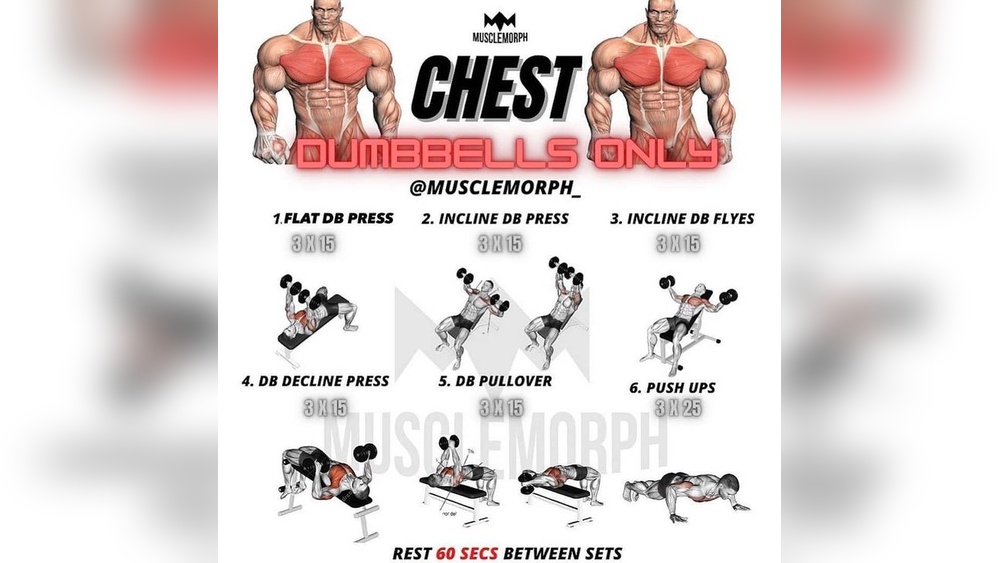
Upper body workouts focus on chest, back, shoulders, and arms. Dumbbell bench presses develop chest and triceps strength. Overhead presses strengthen shoulders and triceps. Bent-over rows target the upper back and biceps. Dumbbell pullovers work the lats and chest. Waiter curls isolate the biceps. Floor presses with dumbbells focus on the triceps. These exercises create muscle balance and enhance upper body power.
Compound Dumbbell Exercises
Compound dumbbell exercises target multiple muscle groups at the same time. These movements build strength and muscle efficiently. Using dumbbells adds balance and stability challenges. This helps activate more muscle fibers for better growth. Focus on controlled movements and proper form. Keep your core tight and maintain good posture during each exercise.
Goblet Squats And Lunges
Goblet squats work your quads, glutes, and core together. Hold a dumbbell close to your chest. Squat down by pushing your hips back and bending your knees. Keep your chest up and back straight. Lunges also target the legs and glutes. Step forward with one leg and lower your body until both knees are bent at 90 degrees. Hold dumbbells at your sides for added resistance. These exercises improve balance and leg strength.
Dumbbell Bench Press And Rows
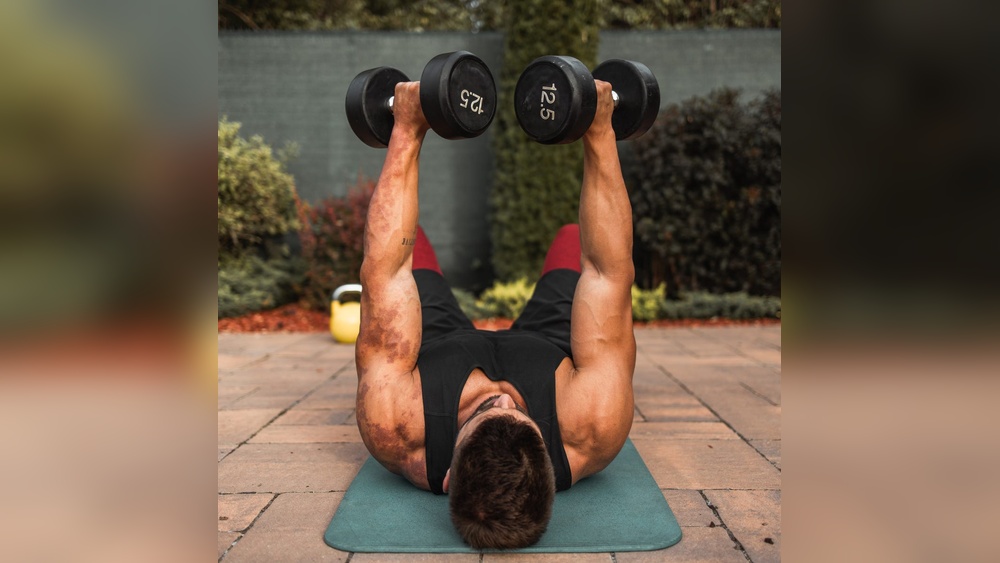
The dumbbell bench press builds your chest, shoulders, and triceps. Lie on a bench or floor and press the dumbbells upward. Lower them slowly to your chest. Dumbbell rows work your upper back and biceps. Bend at the hips with a flat back and pull the dumbbells toward your waist. Keep your elbows close to your body. Both exercises improve upper body strength and muscle mass.
Overhead Press Variations
Overhead presses strengthen your shoulders and triceps. Stand or sit with dumbbells at shoulder height. Press them straight overhead until your arms are fully extended. Lower the weights with control. Try variations like the Arnold press or seated overhead press to target different shoulder muscles. Overhead presses build strong, rounded shoulders and improve upper body stability.
Isolation Exercises With Dumbbells
Isolation exercises with dumbbells focus on one muscle at a time. These moves help develop muscle shape and strength precisely. Using dumbbells allows a natural range of motion. This reduces stress on joints and improves muscle engagement. Isolation exercises complement compound movements for balanced muscle growth. They are perfect for targeting smaller muscle groups. Here are key isolation exercises for arms and shoulders.
Biceps Focused Moves
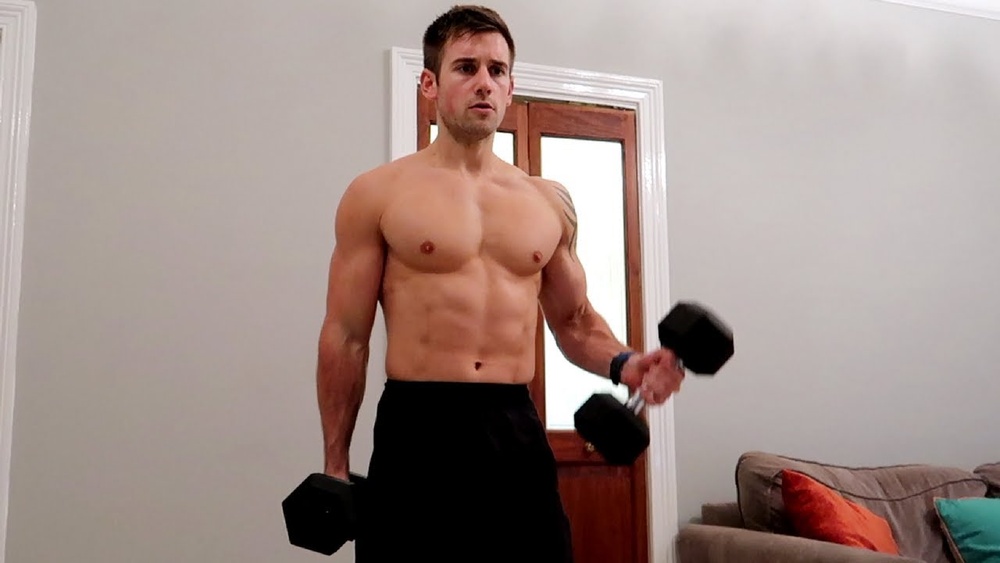
Dumbbell bicep curls are classic and effective. Hold the dumbbells with palms facing forward. Curl the weights up, squeezing the biceps at the top. Perform slow and controlled reps for better muscle activation. Hammer curls target the brachialis muscle, adding arm thickness. Keep elbows close to the body and move only the forearms. Concentration curls isolate each bicep separately. Sit down and rest your elbow on your thigh. Curl the dumbbell slowly, focusing on muscle contraction.
Triceps Targeting Exercises
Dumbbell overhead triceps extensions isolate the triceps well. Hold one dumbbell with both hands behind your head. Extend your arms fully, then lower the dumbbell slowly. Keep elbows fixed to avoid shoulder strain. Dumbbell kickbacks also target the triceps. Bend forward slightly and keep your upper arms still. Push the dumbbells back by straightening your arms. Perform these exercises with controlled movements to engage the triceps deeply.
Shoulder Isolation
Shoulder lateral raises target the side deltoids effectively. Lift dumbbells out to the side with a slight bend in elbows. Raise until your arms are parallel to the floor, then lower slowly. Front raises focus on the front delts. Lift dumbbells straight in front of you to shoulder height. Reverse flyes isolate the rear deltoids. Bend forward and lift dumbbells out to the side, squeezing shoulder blades. These moves help shape and strengthen your shoulders evenly.
Exercise Variations And Angles
Exercise variations and angles play a crucial role in building muscle with dumbbells. Adjusting the way you perform exercises targets muscles differently. This approach helps to develop balanced strength and size. It also prevents boredom and plateaus in your workout.
Small changes in grip or elbow position can make a big difference. You can also add new movements to hit muscles from unique angles. These tweaks keep your muscles adapting and growing.
Changing Grip And Elbow Positions
Changing your grip changes the muscle focus. A neutral grip targets different parts of the arm than a supinated or pronated grip. For example, a hammer curl uses a neutral grip to work the brachialis muscle more.
Elbow position also shifts muscle emphasis. Keeping elbows close to your body targets the biceps brachii. Moving elbows outward activates the brachialis and forearm muscles more. These small shifts add variety and challenge to your routine.
Incorporating Pullover Movements
Dumbbell pullovers work the chest, lats, and triceps depending on your form. This exercise stretches and contracts muscles in a unique way. Changing the elbow angle during pullovers can shift focus from chest to back or arms.
Pullovers also improve shoulder mobility and expand the rib cage. Adding them to your workout gives you a fuller range of motion. It helps build muscle in areas often missed by standard presses or rows.
Workout Structure Tips
Structuring your dumbbell workout correctly is crucial for building muscle efficiently. A well-planned routine helps target muscles effectively and promotes steady progress. Changing your workout structure can keep your muscles guessing and stimulate growth.
Focus on how you organize sets, reps, and intensity to maximize results. These tips will guide you to structure your workouts better and avoid common training pitfalls.
Switching Up Sets And Reps
Vary the number of sets and repetitions regularly. For example, try doing 3 sets of 12 reps one week, then 4 sets of 8 reps the next. This change challenges your muscles differently and encourages growth. Using both higher reps with lighter weights and lower reps with heavier weights builds strength and endurance.
Preventing Plateaus
Muscle growth slows if you repeat the same routine too long. Avoid plateaus by changing exercises, weights, or rest times. Add small weight increases each week. Try different angles or grips with your dumbbells. These variations keep your muscles adapting and prevent progress stalls.
Balancing Volume And Intensity
Volume means total work done, like sets and reps combined. Intensity is how hard you work, often related to weight used. Balance both for best results. Too much volume with low intensity may cause fatigue. High intensity with low volume may limit muscle growth. Aim for moderate volume and challenging weights that push your limits safely.
Nutrition For Muscle Gains
Nutrition plays a crucial role in building muscle with dumbbells. It fuels your body and helps repair muscles after workouts. Eating the right foods can speed up muscle growth and improve strength. Focus on balanced meals that support your training efforts.
Protein Intake Guidelines
Protein is the building block of muscle. Aim for 1.2 to 2.0 grams of protein per kilogram of body weight daily. Choose lean sources like chicken, fish, eggs, and plant-based options. Spread your protein intake across meals to support muscle repair and growth.
Calorie Needs For Growth
Muscle growth requires extra calories. Consume more calories than you burn to create a calorie surplus. Focus on nutrient-dense foods like whole grains, healthy fats, and vegetables. Track your intake to ensure steady progress without gaining excess fat.
Hydration And Recovery
Water supports muscle function and recovery. Drink at least 8 cups of water daily, more if you exercise intensely. Proper hydration reduces muscle cramps and improves performance. Combine water with rest and sleep to help muscles recover and grow stronger.

Credit: www.youtube.com
Rest And Recovery
Rest and recovery play a vital role in building muscle with dumbbells. Your muscles need time to heal and grow stronger after workouts. Without proper rest, your progress may slow down or stop.
Muscle fibers experience tiny tears during exercise. Rest allows these fibers to repair and become thicker. This process helps increase muscle size and strength over time.
Sleep Importance
Sleep is crucial for muscle growth and overall health. During deep sleep, the body releases growth hormone. This hormone supports muscle repair and protein synthesis.
Aim for 7 to 9 hours of quality sleep each night. Lack of sleep can reduce your energy and slow down recovery. Good sleep helps improve workout performance and muscle gains.
Rest Days And Muscle Repair
Taking rest days is essential to avoid overtraining and injury. Rest days give your muscles time to rebuild and strengthen. Plan at least one or two rest days per week.
On rest days, avoid intense exercise. Light activities like walking or stretching can help blood flow and reduce stiffness. Proper rest supports consistent progress in muscle building.
Sample Dumbbell Workout Plan
Building muscle with dumbbells requires a clear plan. A sample dumbbell workout plan helps structure your sessions. It covers all major muscle groups efficiently. This plan suits beginners and intermediate trainees. Consistency and proper form matter most for results.
Full Body Routine
This routine works all muscles in one session. Start with goblet squats for legs and glutes. Follow with dumbbell bench presses for chest strength. Add bent-over rows to target your back. Include overhead presses to build shoulder muscles. Finish with bicep curls and tricep extensions. Perform 3 sets of 8-12 reps per exercise. Rest for 60 seconds between sets. Train three times per week on non-consecutive days.
Upper-lower Split
This split separates upper and lower body workouts. On upper days, do dumbbell bench presses, rows, overhead presses, and arm exercises. On lower days, focus on goblet squats, lunges, Romanian deadlifts, and hip thrusts. Perform 3-4 sets of 8-12 reps for each exercise. Train four days per week alternating between upper and lower sessions. This split allows more focus and recovery for each muscle group.
Progression Strategies
Progression is key for muscle growth. Increase dumbbell weight gradually as exercises become easier. Add more repetitions within the 8-12 rep range. Slow down the lowering phase of each movement to increase time under tension. Track your workouts to ensure steady progress. Change exercises every 6-8 weeks to avoid plateaus. Consistent progression challenges muscles and promotes growth.

Credit: hollywood-university.com
Frequently Asked Questions
Can I Build Muscle With Dumbbells Only?
Yes, you can build muscle using only dumbbells by progressively increasing weight, reps, and exercise difficulty. Combine workouts with proper nutrition and rest. Focus on compound and isolation exercises to target all muscle groups effectively. Consistency and gradual overload drive muscle growth with dumbbells alone.
What Is The 3 3 3 Rule For Working Out?
The 3-3-3 rule for working out means doing three sets of three different exercises, each with three minutes rest. It helps balance effort and recovery for muscle growth and endurance.
How Long Does It Take To Build Muscles With Dumbbells?
Building muscle with dumbbells typically takes 6 to 8 weeks of consistent training. Progress depends on workout intensity, nutrition, and recovery. Gradually increase weight and repetitions to stimulate growth. Combine dumbbell exercises with proper protein intake and rest for optimal muscle gains.
What Is The 5 4 3 2 1 Workout Method?
The 5 4 3 2 1 workout method involves performing five exercises with descending repetitions: 5 reps, 4 reps, 3 reps, 2 reps, and 1 rep. This structure boosts strength and endurance by progressively increasing intensity while reducing volume.
Conclusion
Building muscle with dumbbells is simple and effective. Use progressive overload by increasing weight or reps regularly. Focus on both compound and isolation exercises for balanced growth. Keep your workouts varied to avoid plateaus and stay motivated. Pair training with good nutrition and rest to support muscle recovery.
Consistency and patience lead to strong, noticeable results over time. Dumbbells offer a flexible way to build muscle anywhere, anytime. Start small, stay steady, and watch your strength grow.