You rely on your bike lock to keep your bike safe, but what if your combination is no longer secure? Changing your bike lock combination is easier than you think, and it gives you peace of mind.
Imagine knowing only you can unlock your bike, no matter where you leave it. In this guide, you’ll learn simple, step-by-step instructions to change your lock’s code quickly and confidently. Keep reading to protect your bike and take control of your lock’s security today.
Credit: vixencomposites.com
Choosing The Right Lock
Choosing the right lock is a key step in keeping your bike safe. The lock you pick affects how easy it is to use and how well it protects your bike. Different locks offer different levels of security and convenience. Knowing the types of locks and their benefits helps you make a smart choice.
Types Of Bike Locks
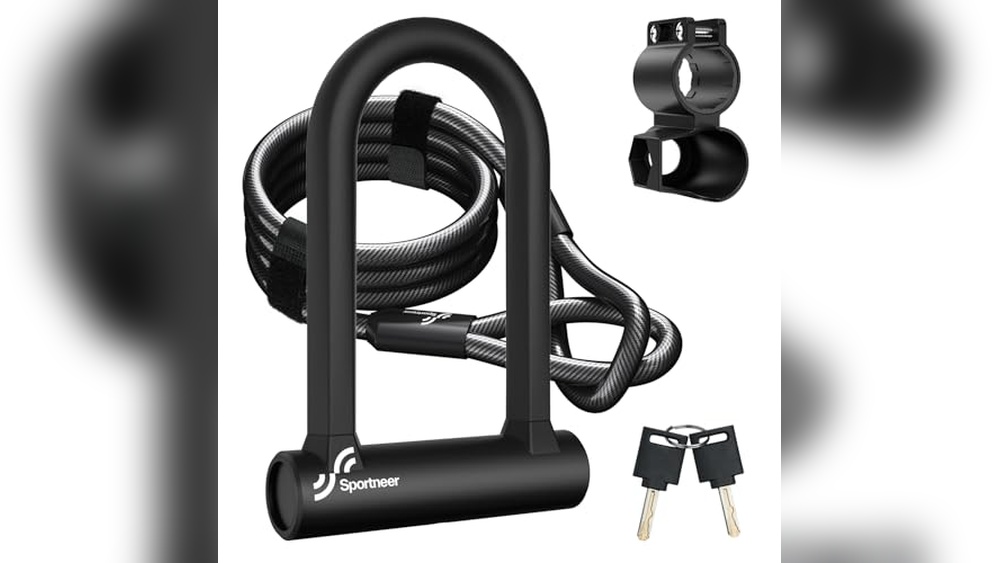
Bike locks come in many forms. U-locks are sturdy and hard to break. They fit around the bike frame and a solid object. Chain locks are flexible and heavy. They wrap around larger objects easily. Cable locks are light and flexible but less secure. Folding locks bend and fold for easy carrying. Each lock type has different strengths for different needs.
Benefits Of Combination Locks
Combination locks use numbers instead of keys. You set your own code to open them. This means no keys to lose or carry. They allow quick access without searching for a key. Changing the combination keeps your bike secure if you worry someone knows your code. Combination locks are simple and reliable for many cyclists.
Preparing To Change The Combination
Before changing your bike lock combination, some preparation is necessary. Proper steps ensure a smooth and secure reset process. Taking time to prepare helps avoid mistakes and keeps your bike safe.
Gathering Necessary Tools
Collect all tools required to change the combination. Most bike locks need a small tool or key to open the reset mechanism. A flashlight might help in low light conditions. Have a pen and paper ready to write down the new combination. Keep everything close to avoid losing important parts.
Checking The Current Combination
Confirm the current combination works perfectly. Test the lock several times to be sure. If you forget the code, changing it becomes impossible. Write the current combination down for safety. Knowing this code is crucial before starting the reset process.
Step-by-step Guide To Changing Your Combination
Changing your bike lock combination is simple and quick. This step-by-step guide helps you update your code safely. Follow each step carefully to keep your bike secure.
Unlocking The Lock
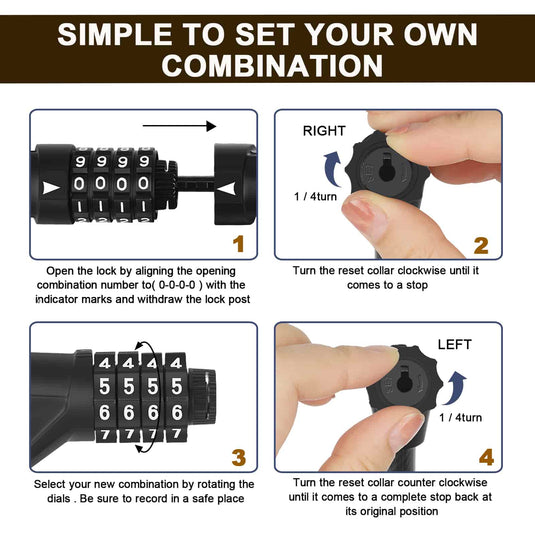
Start by entering your current combination. Turn the dials to the right numbers. Pull the shackle up to open the lock. If it does not open, check the numbers again.
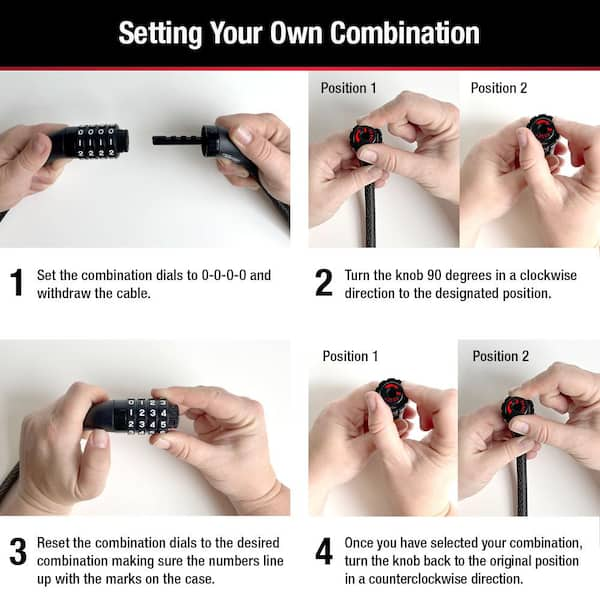
Resetting The Combination
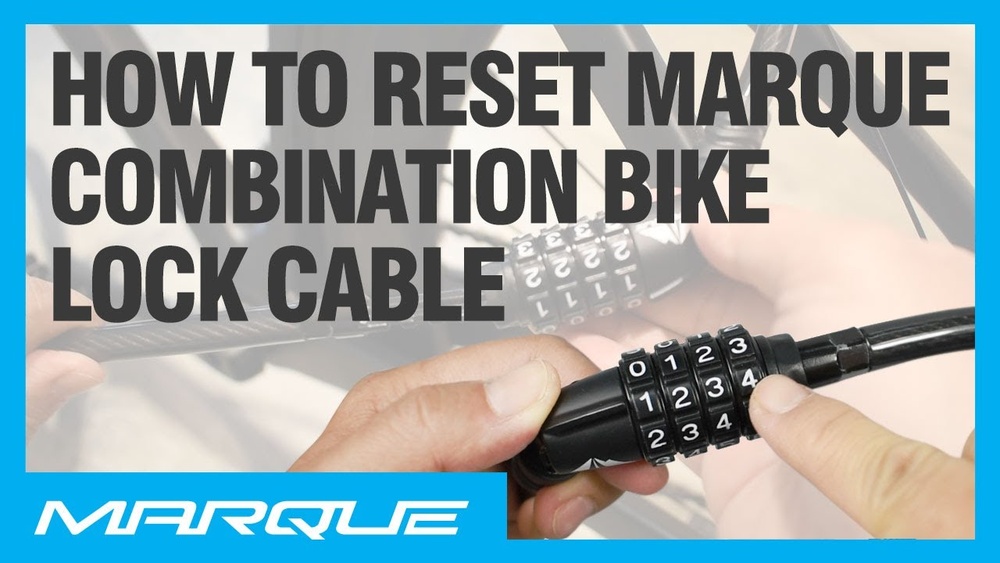
Look for a small reset button or lever on the lock. Press or slide it carefully. This action sets the lock to change mode. Do not release it until you set the new code.
Setting A New Code
Choose a new combination that you can remember easily. Turn the dials to your new numbers. Release the reset button or lever to save the code. Test the new combination by locking and unlocking.
Tips For Creating A Strong Combination
Choosing a strong combination for your bike lock is very important. A good code keeps your bike safe from thieves. Simple codes are easy to guess. Stronger codes make your lock harder to break.
Here are some tips to create a strong combination. These ideas help you pick a safe and easy-to-remember code.
Avoiding Common Number Patterns
Do not use simple patterns like 1234 or 0000. These are the first guesses for thieves. Avoid repeated numbers such as 1111 or 2222. Skip sequences like 2580, which follow keypad lines. These codes are easy to crack quickly. Choose numbers that do not follow a clear order.
Using Memorable But Secure Codes
Pick a code that is easy for you to remember. Use special dates that only you know. Combine parts of different numbers to make a unique code. Avoid using birthdays or anniversaries that others know. Think of a number linked to a personal event. This keeps your code both secure and easy to recall.
Testing Your New Combination
After changing your bike lock combination, testing the new code is vital. It ensures the lock opens smoothly. It helps avoid lockouts and saves frustration later.
Take time to check the new combination several times. This builds confidence that the code works perfectly every time.
Verifying The Code Works
Turn the dials to your new combination. Try opening the lock slowly. Listen for the click or feel the mechanism release.
Repeat this step three to five times. Test the lock from a closed and open position. This confirms the code is set correctly.
Try locking and unlocking with your new code. This practice makes sure the lock functions in all scenarios.
Troubleshooting Common Issues
If the lock does not open, do not panic. Double-check the combination numbers carefully. Ensure each dial lines up exactly.
Try resetting the combination again if needed. Sometimes dials shift slightly during the process.
Inspect the lock for dirt or debris. Clean the mechanism gently to avoid jams.
If problems persist, consult the lock’s manual or contact support. Avoid forcing the lock to prevent damage.

Credit: www.youtube.com
Maintaining Your Bike Lock
Maintaining your bike lock keeps it working well and protects your bike. A well-kept lock lasts longer and stays secure. Small efforts help avoid big problems later. Follow these tips to keep your lock in good shape.
Regular Code Updates
Change your lock combination regularly. This stops others from guessing your code. Pick new numbers that are easy for you to remember. Avoid simple codes like 1234 or 0000. Write down the new code and keep it safe. Changing the code often keeps your bike safer.
Lock Care And Storage
Keep your lock clean and dry. Dirt and water can cause it to rust or jam. Use a soft cloth to wipe it after use. Store the lock in a dry place when not needed. Avoid leaving it outside in bad weather. Proper care helps your lock last longer and work smoothly.
Credit: www.homedepot.com
Frequently Asked Questions
How Do I Reset My Bike Lock Combination?
To reset your bike lock combination, first locate the reset lever or button. Turn it to the reset position, enter your new code, then return the lever to its original position. Test the new combination before locking to ensure it works correctly.
What Tools Are Needed To Change Bike Lock Code?
Most bike locks require no tools to change the code. Simply use the reset lever or button usually found on the lock. Some models might need a small screwdriver. Always check your lock’s instructions for specific details before attempting to change the combination.
Can I Choose Any Combination For My Bike Lock?
Yes, you can choose any combination, but avoid obvious codes like 0000 or 1234. Pick a unique, memorable number to improve security. Ensure the new combination is easy for you to remember but hard for others to guess.
How Often Should I Change My Bike Lock Combination?
Changing your bike lock combination every 6-12 months is recommended. Regular changes enhance security and reduce the risk of unauthorized access. Also, change it immediately if you suspect someone knows your current combination.
Conclusion
Changing your bike lock combination keeps your bike safe and secure. Always remember your new code or write it down somewhere safe. Test the lock a few times to make sure it works smoothly. Regularly updating your combination helps protect your bike from theft.
Taking a few minutes now can save you trouble later. Keep your bike protected and enjoy your rides with peace of mind.