Choosing the right boxing glove size is more important than you might think. If your gloves are too big, you risk losing control and power in your punches.
If they’re too small, you could hurt your hands or wrists during training. So, how do you find the perfect fit that keeps you comfortable, protected, and ready to perform your best? This guide will walk you through simple steps to measure your hand, understand glove weights, and select the glove size that matches your training style and body weight.
Keep reading to make sure your gloves work for you—not against you.
Measuring Your Hand
Measuring your hand is the first step to finding the right boxing glove size. Proper measurement helps you choose gloves that fit well and protect your hands. It also improves comfort and performance during training or sparring. You can measure your hand using simple tools like a tape measure or string. Including hand wraps in the measurement ensures a realistic fit since wraps add extra thickness.
Using A Tape Measure
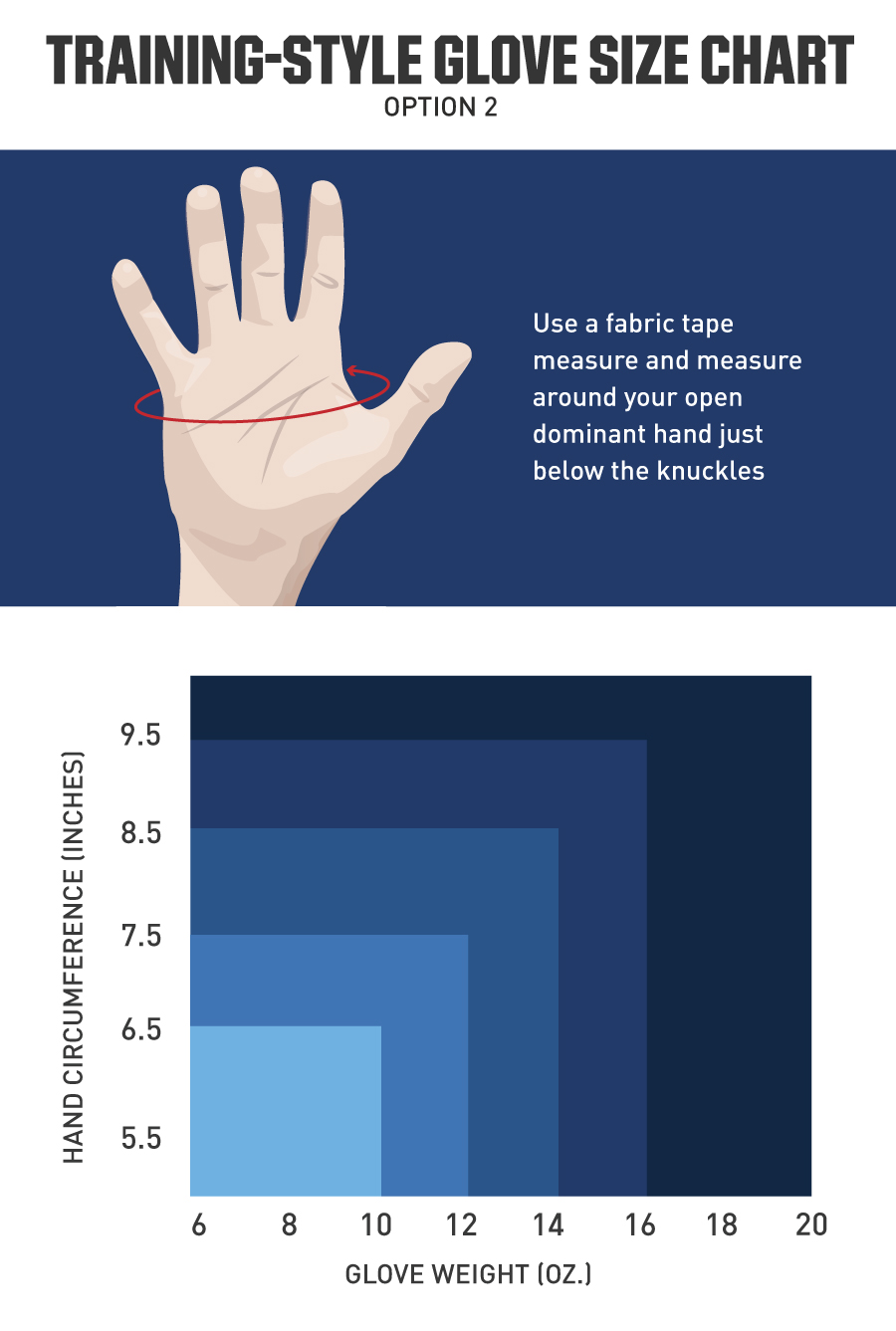
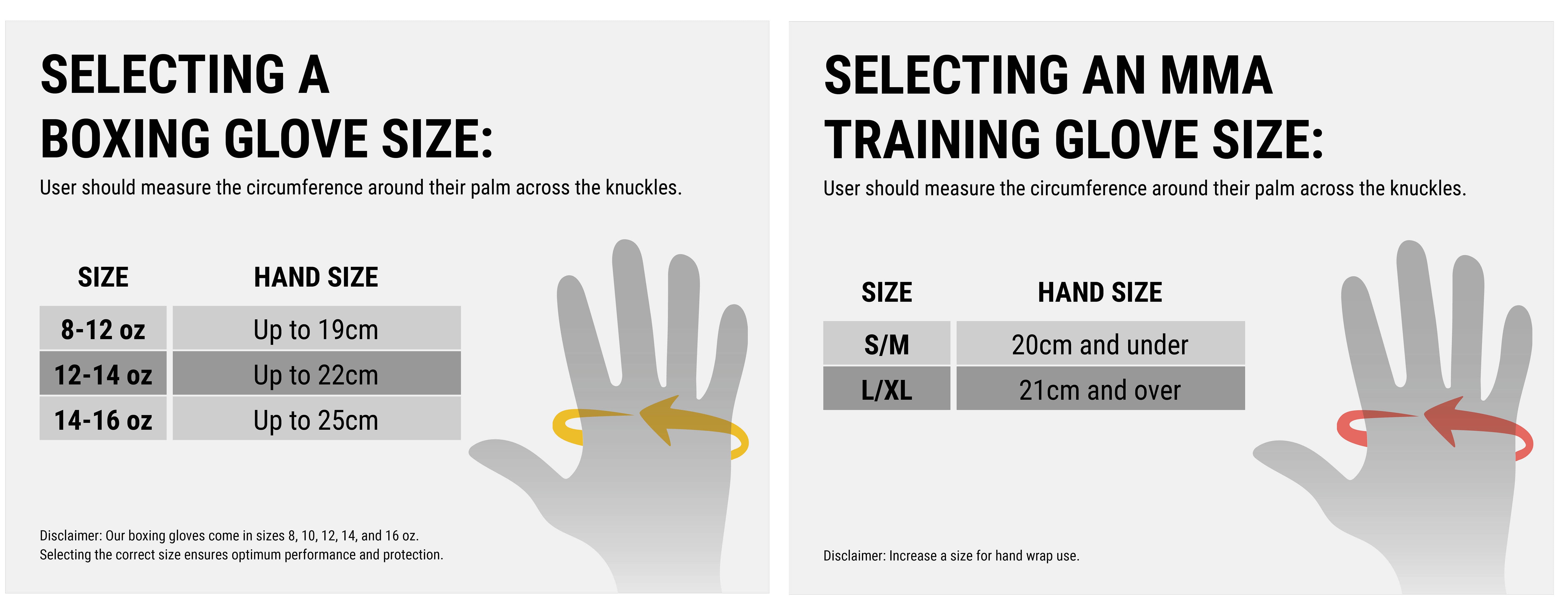
Use a soft fabric tape measure for the most accurate results. Wrap it around your dominant hand just below the knuckles. Do not include your thumb in the measurement. Keep the tape snug but not too tight. Note the measurement in inches or centimeters. This number helps you match your hand size with the correct glove size chart.
Measuring With A String
If you do not have a tape measure, use a piece of string. Wrap the string around your hand below the knuckles. Mark the point where the string overlaps. Lay the string flat against a ruler or measuring tape. Record the length in inches or centimeters. This method works well and gives you a quick estimate of your hand size.
Including Hand Wraps
Hand wraps add about one inch to your hand size. Wrap your hand as you would for training or sparring. Then measure your wrapped hand using a tape measure or string. This measurement shows the actual space your hand will take inside the glove. Choosing gloves based on wrapped hand size ensures a comfortable and secure fit. Do not skip this step if you plan to wear wraps regularly.
Credit: www.dickssportinggoods.com
Weight And Glove Size
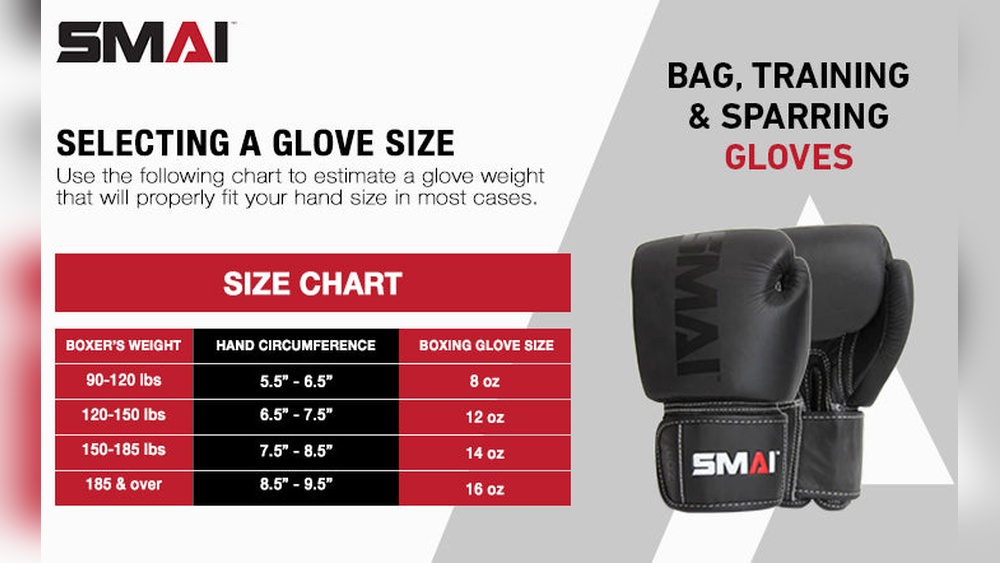
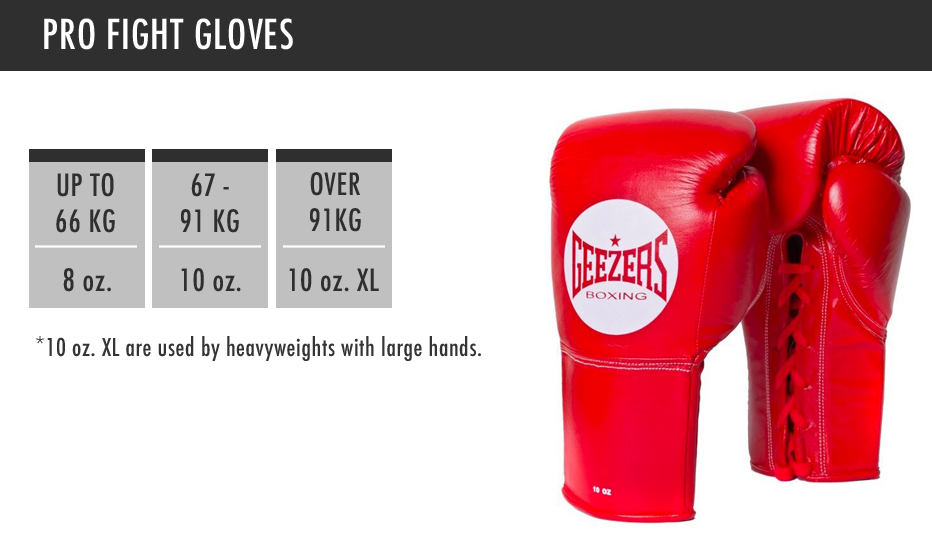
Choosing the right boxing glove size depends largely on your body weight. Gloves come in different weights measured in ounces (oz), indicating the amount of padding inside. Selecting the correct size protects your hands and your opponent. It also improves comfort and performance during training or fighting.
Glove Sizes By Body Weight
Heavier individuals usually need larger gloves with more padding. For example, if you weigh under 120 pounds, 10 oz gloves might work well. People between 120 and 150 pounds often use 12 oz gloves. Those weighing 150 to 180 pounds may need 14 oz gloves. For weights above 180 pounds, 16 oz gloves provide better protection. These sizes help absorb impact and reduce injury risks.
Adjusting For Training Type
Training type affects glove size choice. For bag work or heavy bag training, smaller gloves with less padding are preferred. They offer more speed and better feedback from punches. Sparring requires larger gloves, usually 14 oz or 16 oz, to protect both fighters. Some boxers use 12 oz gloves for general training or mitt work. Always choose gloves that fit snugly and allow wrist support.
Choosing Gloves For Training
Choosing the right gloves for training is crucial in boxing. Different training activities need different types of gloves. Picking the correct glove size and type helps protect your hands and improves your performance. Gloves that fit well reduce the risk of injuries and make your training more comfortable.
Bag And Pad Work
Gloves for bag and pad work focus on protecting your hands. They are usually lighter and more flexible. Choose gloves that feel snug but allow good wrist support. These gloves help you hit the bag with power while reducing impact on your knuckles.
Smaller gloves, such as 12 or 14 ounces, are common for bag work. They let you move faster and maintain good technique. Always test the gloves with hand wraps to check the fit.
Sparring Gloves
Sparring gloves need extra padding to protect both you and your partner. They are heavier than bag gloves. Usually, sparring gloves range from 16 to 18 ounces. This weight helps absorb the force of punches during practice fights.
Choose gloves that feel secure and comfortable. They should cover your whole hand and wrist well. Good wrist support is important to avoid injuries during sparring.
All-purpose Gloves
All-purpose gloves are designed for mixed training. They work for bag work, pad work, and light sparring. These gloves offer a balance between protection and flexibility. Usually, 14 or 16-ounce gloves fit this category.
They are a good choice if you want one glove for many training types. The fit should be snug, with enough padding to protect your knuckles and wrists. Try the gloves on with hand wraps for the best fit.
Fit And Comfort Tips
Choosing the right boxing glove size goes beyond just measurements. Fit and comfort play a big role in your performance and safety. Gloves that feel good help protect your hands and let you train longer. Consider how the gloves feel on your fingers, wrist, and overall hand. This section shares simple tips to ensure your gloves fit well and feel comfortable.
Snugness And Finger Placement
The gloves should fit snugly without squeezing your hand. Your fingers must reach the top of the glove but stay relaxed. Avoid gloves that cramp your fingers or leave too much space. A good fit lets you make a proper fist without pain or pressure points. Try the gloves on with hand wraps to check the real fit.
Wrist Strap Fit
The wrist strap keeps your gloves secure during punching. It should feel tight enough to support your wrist but not cut off blood flow. A well-fitted strap prevents wrist injuries and improves stability. Adjust the strap so the glove does not move around. Make sure you can still move your wrist comfortably.
Avoiding Slippage
Slipping gloves reduce your control and can cause injury. Test the gloves by shaking your hand and punching lightly. The gloves should stay firmly in place without sliding. If the gloves slip, try a smaller size or tighter wrist strap. Good grip inside the glove is also important to avoid slippage.
Glove Weight And Benefits
Choosing the right glove weight plays a big role in boxing training and performance. Different weights offer unique benefits that suit specific training goals. Selecting gloves based on weight helps improve speed, protection, strength, and endurance.
Understanding the benefits of glove weight can guide you to better training results. Gloves range from lightweight to heavy, each serving a distinct purpose in the ring or gym.
Lightweight Gloves For Speed
Lightweight gloves usually weigh between 8 to 12 ounces. They allow faster hand movements and quick punches. These gloves improve your reaction time and help sharpen your technique. Fighters use them mostly for bag work and speed drills.
Heavier Gloves For Protection
Heavier gloves weigh 14 ounces or more. They provide extra padding to protect your hands and wrists. These gloves are ideal for sparring sessions. The added weight cushions impacts and reduces the risk of injury during practice.
Building Strength And Endurance
Training with heavier gloves builds muscle strength and stamina. The extra weight forces your arms to work harder. Over time, your endurance improves, making it easier to fight longer rounds. This type of training supports overall fitness and power development.
Credit: www.marex.no
Additional Sizing Considerations
Choosing the right boxing glove size is more than just measuring your hand. Several additional factors affect comfort and performance. These factors help you find gloves that protect your hands and improve your training experience.
Beginner Recommendations
Beginners benefit from gloves with extra padding. Gloves weighing 14 to 16 ounces offer good protection. They reduce the risk of injuries during practice. Starting with slightly larger gloves helps build hand strength and technique safely.
Choose gloves that feel comfortable without being too loose. Avoid very tight gloves, which can restrict movement. A good fit helps beginners focus on learning proper form.
Adjusting For Hand Shape
Hand shape varies from person to person. Some have wider palms or longer fingers. Gloves designed for narrow or wide hands provide better comfort. Try to find gloves that match your hand shape closely.
If you have wide hands, look for gloves with a roomy palm area. For narrow hands, gloves with a snug fit prevent slipping. Proper fit around fingers and thumb helps avoid discomfort and injury.
Trying Gloves On
Always try gloves on before buying. Wear your usual hand wraps for accurate sizing. Check that your fingers fit comfortably inside. They should reach the top without bending or crowding.
Test the wrist strap to ensure it feels secure but not tight. Move your hand around to check flexibility and grip. Gloves that slip or pinch cause distractions during training.
Credit: backseatmafia.com
Frequently Asked Questions
How Do You Know Your Boxing Glove Size?
Measure your dominant hand’s circumference below the knuckles using a tape. Choose glove ounces based on body weight and training type. Try gloves with hand wraps for a snug, comfortable fit without finger squeeze or wrist slip.
Should I Get 12oz Or 14oz Boxing Gloves?
Choose 12oz gloves for speed, agility, and bag work. Select 14oz gloves for more padding and sparring protection. Consider hand size, weight, and training type to ensure a snug, comfortable fit with wraps.
Why Is Tyson Using 14 Oz Gloves?
Tyson uses 14 oz gloves for balanced protection and power during training and sparring. These gloves offer optimal padding and wrist support.
Do I Want 8oz Or 10oz Boxing Gloves?
Choose 8oz gloves for speed, agility, and bag work. Opt for 10oz gloves for better padding and sparring protection. Consider your hand size, weight, and training type to decide. Always try gloves with wraps for a snug, comfortable fit.
Conclusion
Choosing the right boxing glove size protects your hands and improves performance. Measure your dominant hand carefully and consider your body weight. Always try gloves on with hand wraps for the best fit. Remember, heavier gloves offer more padding for sparring, while lighter gloves suit bag work.
A snug fit keeps your fingers comfortable and wrists secure. Proper gloves make training safer and more effective. Take your time selecting the size that feels right. Your hands will thank you during every punch.


