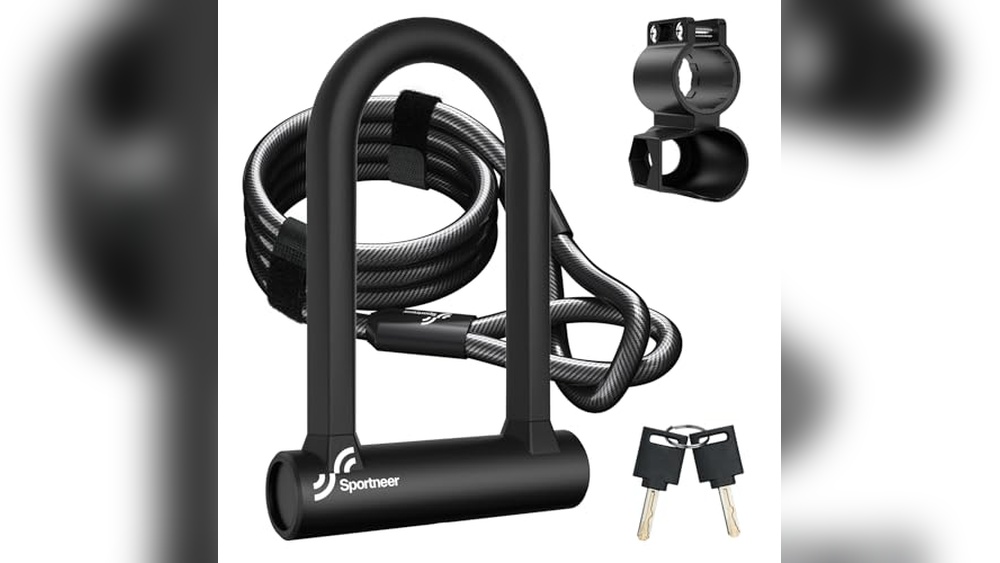
You know how frustrating it is to leave your bike locked up and worry if it will still be there when you come back. Choosing the right bike lock isn’t just about picking the first one you see—it’s about protecting your ride and your peace of mind.
But with so many options out there, how do you find a lock that’s strong, reliable, and fits your needs? Keep reading, and you’ll discover simple tips that help you pick the best bike lock to keep your bike safe every time you park it.
Types Of Bike Locks
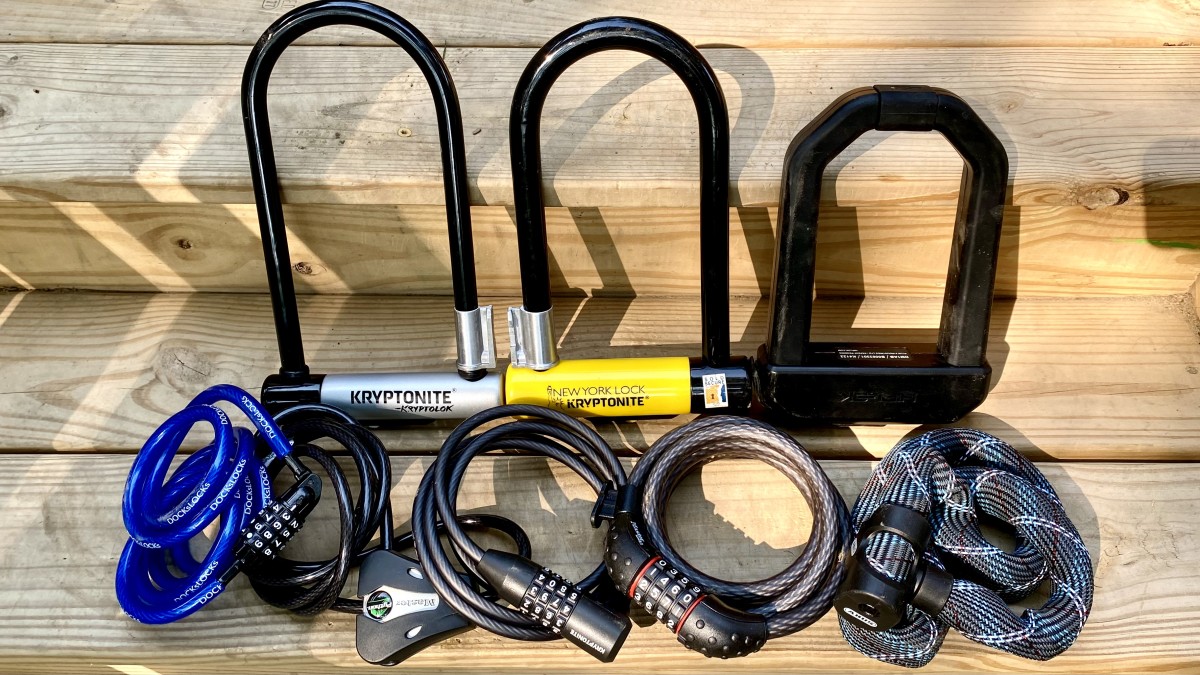
Choosing the right bike lock is key to keeping your bike safe. Different locks offer different levels of security and convenience. Knowing the types helps you pick the best one for your needs. Here are the main types of bike locks you should know about.
U-locks
U-locks have a solid metal bar shaped like a “U”. They are strong and hard to cut. Most thieves avoid these locks because they are tough. These locks work well for locking your bike to fixed objects. They come in various sizes and weights.
Chain Locks
Chain locks use thick metal links to secure your bike. They are flexible and can wrap around larger objects. High-quality chains have hardened steel links. They are heavy but offer good protection. Choose chains with strong locks for better security.
Folding Locks
Folding locks fold into a compact shape for easy carrying. They combine flexibility with strength. These locks use metal plates connected by rivets. Folding locks are lighter than chains but still tough. They suit riders who want a balance of security and portability.
Cable Locks
Cable locks are made from braided steel covered in plastic. They are light and easy to carry. These locks are best for short stops or low-risk areas. Cable locks offer less protection against cutting tools. Use them with other locks for better security.
Security Ratings And Standards
Security ratings and standards help measure a bike lock’s strength. These ratings show how well a lock can stop thieves. Choosing a lock with the right rating protects your bike better. Knowing these ratings helps you pick a lock that fits your needs and budget.
What Security Ratings Mean
Security ratings tell how strong a bike lock is. Tests check the lock’s resistance to cutting, picking, and breaking. Higher ratings mean tougher locks. Common rating systems include Sold Secure and ART. They use stars or levels to show strength. A lock with three stars is stronger than one with one star.
Choosing High-rated Locks
Pick locks with high security ratings for better protection. Strong locks cost more but keep your bike safer. Match the rating to your bike’s value and where you park. In busy areas, use locks with top ratings. For low-risk places, medium ratings may work. Always buy locks tested by trusted organizations.
Material And Build Quality
The material and build quality of a bike lock affect its strength and durability. A strong lock protects your bike from theft. Weak materials break easily, making your bike unsafe. Choose a lock built to last and resist cutting or picking tools. Understanding steel grades and locking mechanisms helps in picking the right lock.
Steel Grades
Steel is the main material in most bike locks. Different steel grades offer different strength levels. Hardened steel is tough and resists cutting tools. Soft steel bends or breaks quickly under pressure. Look for locks made with high-grade steel for better protection. Some locks list the steel grade in their description. This helps you compare strength before buying.
Locking Mechanisms
The locking mechanism decides how secure the lock is. Some locks use simple pin tumblers, easy to pick. Others have disc detainer or complex systems, harder to open without a key. Choose locks with secure mechanisms to stop thieves. Some models offer double locking, which holds both ends firmly. A reliable mechanism keeps your bike safe longer.
Credit: www.outdoorgearlab.com
Size And Weight Considerations
Choosing the right size and weight for a bike lock matters a lot. It affects how easy it is to carry and how well it protects your bike. A lock too heavy can be hard to bring everywhere. Too small, and it might not cover enough parts of your bike. Finding the right balance helps keep your bike safe and your ride comfortable.
Portability
Portability means how easy it is to carry your bike lock. Heavy locks can slow you down. They might make your ride less fun. Small locks fit in bags or attach to the bike frame. Some locks come with holders or straps for easy carrying. Choose a lock you can carry without trouble. This way, you will always have it ready.
Locking Area Coverage
Locking area coverage is how much of your bike the lock can secure. Bigger locks cover more parts. They can lock both the frame and wheels. Small locks might only secure one part. Think about where you park your bike. If you park in busy places, a larger lock helps. It makes stealing much harder.
Ease Of Use
Ease of use is a key factor in choosing a good bike lock. A lock that is simple to operate saves time and reduces hassle. It encourages frequent use, which helps keep your bike safe. Consider how fast and easy it is to lock and unlock your bike. Also, think about the type of locking mechanism that suits you best.
Locking And Unlocking Speed
Fast locking and unlocking matter, especially in busy places. Some locks open with one hand quickly. Others take more time and effort. Choose a lock that fits your routine. If you use your bike often, speed is important. A slow lock can be frustrating and might tempt you to skip locking.
Key Vs Combination
Key locks use a physical key to open. They are simple but you must keep the key safe. Losing the key means trouble. Combination locks use numbers to open without keys. You don’t need to carry anything extra. Remember your code well. Some people find combinations easier; others prefer keys. Pick what feels easier for your daily use.

Credit: thebestbikelock.com
Price And Value
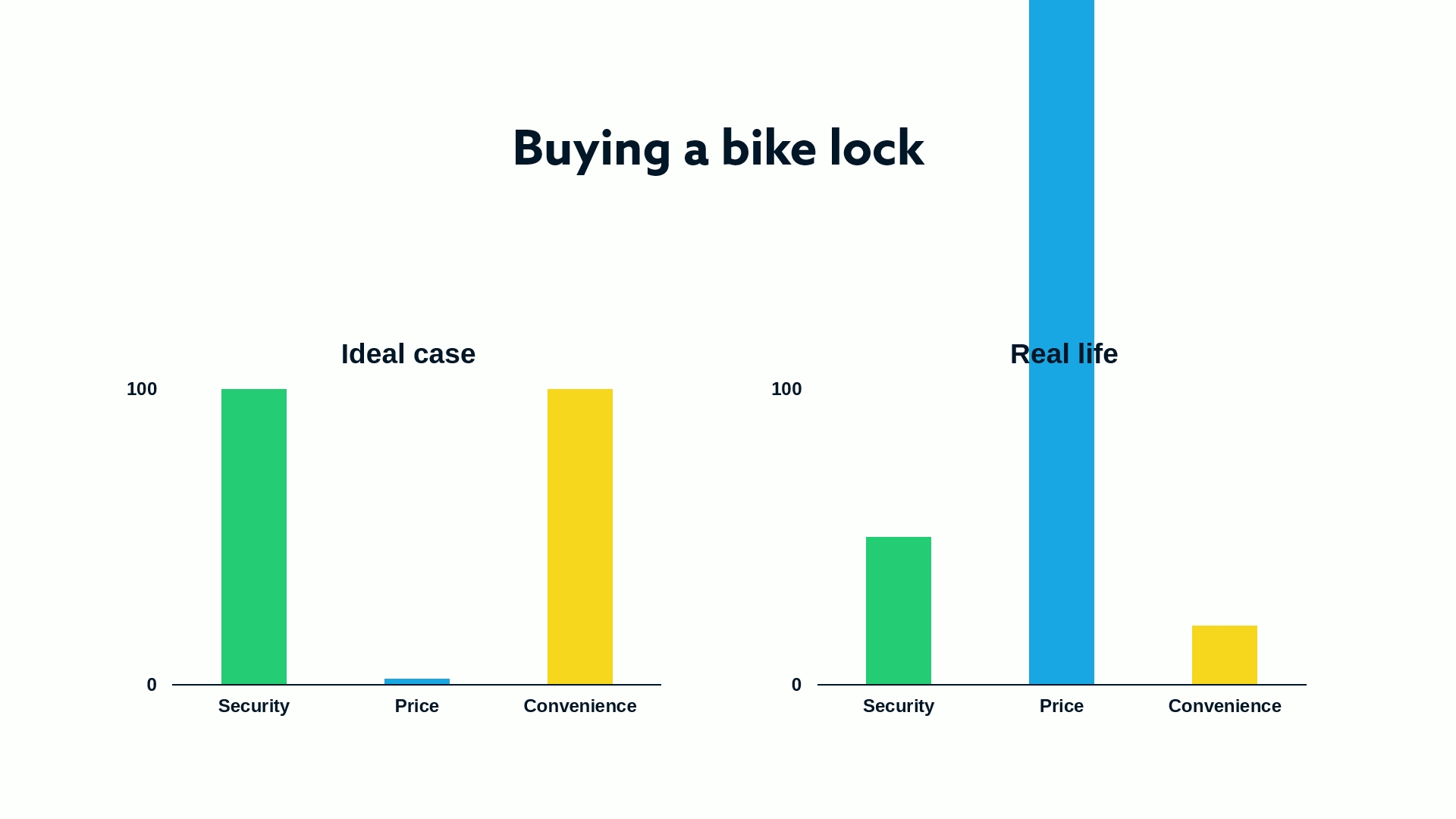
Choosing the right bike lock means thinking about price and value. A cheap lock may save money now. But it might not protect your bike well. A very expensive lock might offer strong security. Yet, it may not fit your budget or needs. Understanding price and value helps find the best lock for you.
Balancing Cost And Security
Good bike locks come in many price ranges. Cheaper locks often use lighter materials. They work for short stops in safe areas. More expensive locks use hardened steel or heavy chains. These resist cutting and picking better. Think about where you park your bike. More risk means spending more on a lock. Less risk can allow a simpler lock. Balance how much you pay with how safe you want to be.
Long-term Investment
Buying a bike lock is a long-term choice. A strong lock lasts many years without breaking. It protects your bike from theft. This saves money in the long run. Replacing a stolen bike costs more than a good lock. Spending a bit more at first can avoid big losses later. Choose a lock that fits your budget and keeps your bike safe for years.
Additional Security Tips
Choosing a good bike lock is only part of protecting your bike. Using smart security habits helps keep your bike safe. Small actions can make a big difference in stopping theft. Here are some extra tips to add security beyond the lock itself.
Proper Locking Techniques
Lock your bike frame and wheels to a solid object. Avoid locking only the wheel. Use a U-lock or heavy chain for better security. Place the lock high and tight. This makes it harder to cut or break. Remove any quick-release parts or secure them with extra locks. Check your lock regularly for wear or damage. Always lock your bike, even for a short stop.
Choosing Secure Parking Spots
Park in well-lit, busy areas. Thieves prefer dark or hidden spots. Use bike racks or designated parking zones. Avoid isolated or quiet places. Look for spots with security cameras. Secure locations reduce theft chances. Lock your bike where many people pass by. The more visible, the safer your bike stays.
Credit: bikefair.org
Frequently Asked Questions
What Types Of Bike Locks Offer The Best Security?
U-locks and chain locks provide strong protection due to their sturdy materials. Cable locks are less secure but lightweight. Choose based on your bike’s value and theft risk.
How Do I Choose The Right Lock Size?
Select a lock that fits your bike frame and a fixed object comfortably. Avoid locks too large or too small, as they reduce security and convenience.
Are Heavier Bike Locks More Secure?
Generally, heavier locks use stronger materials, enhancing security. However, balance weight with portability to ensure you can carry it easily on rides.
Should I Consider Lock Resistance Ratings?
Yes, lock ratings indicate toughness against cutting and picking. Look for locks with high security ratings for better protection against theft.
Conclusion
Choosing the right bike lock helps protect your bike every day. Strong materials and good designs keep thieves away. Size and weight matter for your comfort. Always pick a lock that fits your needs and budget. Remember, a good lock gives peace of mind.
Stay safe and enjoy your rides without worry.