Choosing the right size boxing gloves can make a huge difference in your training and performance. If your gloves are too big or too small, you risk injury and won’t get the support you need.
You might feel uncomfortable, or your punches may not land as effectively. But don’t worry—this guide will help you find the perfect fit. By the end, you’ll know exactly what to look for, so you can protect your hands and boost your confidence in the ring.
Keep reading, because getting this right is the first step to becoming a stronger, smarter boxer.
Glove Sizes Explained
Choosing the right size boxing gloves is key for comfort and safety. Gloves come in different weights and sizes. Understanding these helps pick the perfect pair. It also improves your boxing experience.
Here is a simple guide to glove sizes and their effects.
Weight And Measurement Units
Boxing gloves are measured in ounces (oz). This number shows the glove’s weight. Common weights range from 8 oz to 20 oz. Lighter gloves are for competition. Heavier gloves are for training and protection.
Some gloves use small, medium, or large sizes. These relate to the glove’s weight and fit. Always check the ounces to know the exact size.
Common Glove Sizes
Kids usually use 6 oz or 8 oz gloves. Women often wear 8 oz or 10 oz gloves. Men mostly choose 12 oz, 14 oz, or 16 oz gloves. Larger gloves protect hands better but feel heavier.
Choose gloves based on your weight and boxing style. Beginners might prefer heavier gloves for more padding.
Size Impact On Performance
Smaller gloves feel lighter and allow faster punches. They offer less padding and can increase injury risk. Bigger gloves protect hands and wrists better. They also slow down punches a bit.
Right glove size keeps your hands safe and improves your training. Comfort and protection should guide your choice.

Credit: www.smai.com.au
Factors To Consider
Choosing the right size boxing gloves matters a lot. It affects comfort, safety, and performance. Several factors help find the best fit for your needs. Understanding these can guide you to a better choice.
Each factor plays a role in how gloves feel and work during training or fights.
Purpose Of Gloves
Gloves serve different roles. Some are for training, others for competition. Training gloves often have more padding to protect your hands during long sessions. Competition gloves are lighter to increase speed and impact.
Knowing why you need gloves helps pick the right size and weight. It also affects durability and protection levels.
Hand Size And Weight
Your hand size determines the glove size. Gloves come in sizes like small, medium, and large. Measure your hand width and length for a good match. Weight also matters; heavier gloves offer more padding and protection.
Choosing gloves too big or too small can cause discomfort or injury. Proper fit keeps your hands safe and comfortable.
Training Vs Competition
Training gloves are usually heavier, ranging from 14 to 16 ounces. They protect your hands and wrists during long workouts. Competition gloves are lighter, often 8 to 10 ounces, to allow faster punches.
Training gloves focus on safety and comfort. Competition gloves focus on speed and precision. Select gloves based on your activity to improve performance and safety.
Choosing By Weight
Choosing boxing gloves by weight helps match gloves to your training needs. Weight affects protection, speed, and comfort during use. Gloves come in different weights, usually measured in ounces (oz). Pick the right weight for your skill level and training style.
Lightweight Gloves
Lightweight gloves usually weigh 8 to 10 ounces. They offer less padding and feel lighter on your hands. These gloves help improve hand speed and technique. Use them for competition or speed drills. Not ideal for heavy bag work or sparring due to lower protection.
Medium Weight Gloves
Medium gloves weigh between 12 and 14 ounces. They balance protection and mobility. Good choice for beginners and intermediate boxers. Suitable for bag work, mitt drills, and light sparring. They protect hands and wrists without feeling too heavy.
Heavyweight Gloves
Heavy gloves weigh 16 ounces or more. They provide extra padding and hand protection. Best for intense sparring and heavy bag training. These gloves slow hand speed slightly but reduce injury risk. Ideal for boxers who want more safety during practice.

Credit: www.dickssportinggoods.com
Material And Padding
Choosing the right size boxing gloves means paying attention to the material and padding. These parts affect how the gloves feel and how well they protect your hands. The right material and padding make your gloves last longer and keep you comfortable during training.
Leather Vs Synthetic
Leather gloves are strong and last a long time. They feel soft and fit well after some use. Synthetic gloves cost less and are easier to clean. They are lighter but may not last as long as leather ones. Choose based on your budget and how often you train.
Types Of Padding
Gloves use different padding like foam or gel. Foam padding absorbs shock well and keeps your hands safe. Gel padding spreads out the impact, giving extra protection. Some gloves mix foam and gel for better comfort. Padding affects how your punches feel and how well your hands stay safe.
Durability And Comfort
Durability depends on the material and stitching quality. Leather gloves usually last longer and resist wear. Synthetic gloves might wear out faster but can be lighter. Comfort comes from padding and glove design. Good padding means less pain and better hand support. Try gloves to find the best fit for your comfort and protection.
Fitting Tips
Choosing the right size boxing gloves is important for safety and performance. Proper fitting gloves protect your hands and wrists from injury. They also help you punch with more power and control. Use these fitting tips to find gloves that feel just right.
Measuring Your Hand
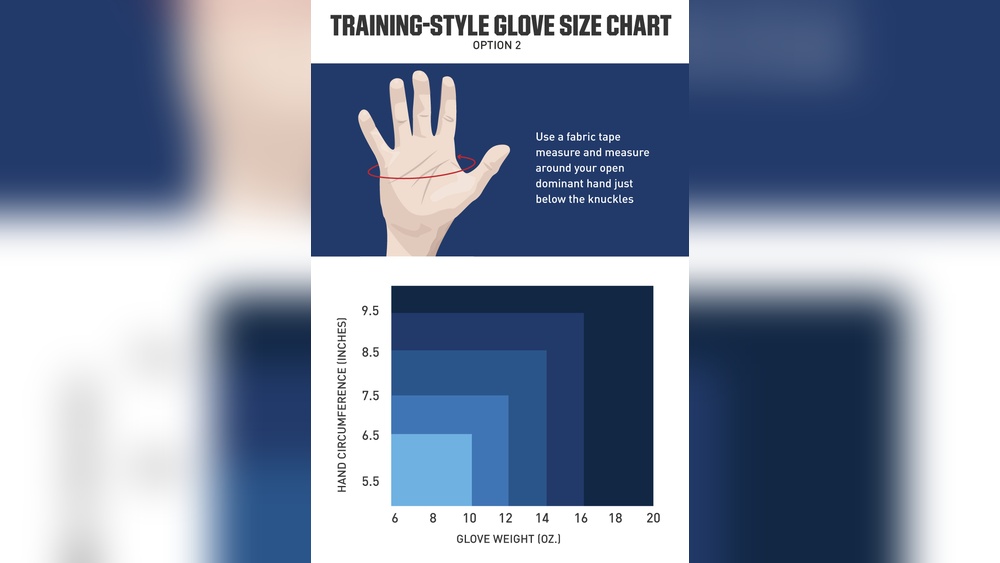
Start by measuring your hand size. Use a soft tape measure around the widest part of your palm. Avoid including your thumb. Note the number in inches or centimeters. This measurement helps you pick the correct glove size. Different brands may have slightly different size charts. Check the chart before buying.
Trying Gloves On
Put the gloves on to test the fit. Your fingers should reach the end without being cramped. The gloves should feel snug but not tight. Move your fingers and make a fist. The gloves must not squeeze your hand or cut off circulation. Try different sizes if unsure. Walk around and shadow box to feel the gloves in action.
Adjusting For Comfort
Adjust the gloves using the wrist straps or laces. Secure the straps firmly to support your wrist. Avoid making it too tight to stop blood flow. Use hand wraps inside for extra padding and comfort. Make sure the gloves do not shift during punches. Comfort helps you train longer and avoid injuries.
Brand And Budget
Choosing the right size boxing gloves depends on the brand and your budget. Different brands offer gloves with various fits and qualities. Your budget helps narrow down options that suit your needs and comfort. Balancing quality and price ensures you get good gloves without overspending.
Top Brands To Consider
Some brands have a strong reputation for quality gloves. Everlast, Title, and Ringside are popular choices. These brands offer gloves for beginners and pros. They focus on comfort, durability, and protection. Choosing a trusted brand reduces the risk of poor glove performance.
Price Ranges
Boxing gloves come in different price ranges. Budget gloves start around $20 to $40. Mid-range gloves cost between $50 and $100. High-end gloves can go above $150. Price often reflects glove materials and craftsmanship. Decide your budget before shopping to filter options easily.
Value For Money
Value means getting the best quality for your price. Sometimes mid-range gloves offer better durability than cheap ones. Look for gloves with good padding and wrist support. Check reviews to find gloves that last long and feel comfortable. Spending a little more can save money later on replacements.
Maintenance And Care
Taking care of your boxing gloves helps keep them safe and fresh. Gloves can get sweaty and dirty after training. Proper maintenance stops bad smells and damage. This keeps gloves comfortable and lasts longer. Follow simple steps to clean and store gloves well.
Cleaning Gloves
Wipe gloves with a damp cloth after each use. Use mild soap and water for tough stains. Avoid soaking gloves in water. Let gloves air dry completely before storing. Use a clean towel to remove sweat inside. This stops bacteria and odor buildup.
Storage Tips
Store gloves in a cool, dry place away from sunlight. Avoid leaving gloves in gym bags for days. Use a glove deodorizer or stuff with newspaper to absorb moisture. Keep gloves open to allow air flow. Proper storage prevents mold and keeps gloves fresh.
Extending Glove Life
Rotate gloves if you train often to reduce wear. Use hand wraps to protect gloves from sweat. Avoid hitting hard surfaces that damage padding. Regular cleaning and good storage increase glove lifespan. Well-maintained gloves save money and improve training comfort.

Credit: www.smai.com
Frequently Asked Questions
What Size Boxing Gloves Should Beginners Use?
Beginners should start with 12-14 oz gloves. These provide enough padding for protection and control. They balance weight and comfort well for training.
How Do I Measure My Hand For Boxing Gloves?
Measure your hand circumference around the knuckles. Use a tape measure snugly without stretching. This size guides you to choose the correct glove weight.
Why Does Glove Weight Matter In Boxing?
Glove weight affects protection, speed, and endurance. Heavier gloves offer more padding but can slow punches. Lighter gloves improve speed but reduce impact absorption.
Can I Use The Same Gloves For Sparring And Bag Work?
No, sparring requires more padding to protect partners. Bag gloves are often lighter and less padded. Use specific gloves to ensure safety and durability.
Conclusion
Choosing the right size boxing gloves protects your hands and improves performance. Gloves that fit well feel comfortable and secure. Too big or too small gloves cause problems during training or matches. Consider your weight, hand size, and glove type when buying.
Try on different sizes before deciding. Good gloves help you train longer and prevent injuries. Take time to find the right fit. Your hands will thank you. Keep practicing and enjoy boxing safely.