You’ve invested in a great bike, and now you want to keep it safe. But how do you lock your bike correctly to stop thieves in their tracks?
A simple mistake can cost you your ride. You’ll learn easy, effective steps to lock your bike the right way every time. Follow these tips, and you’ll feel confident leaving your bike anywhere without worry. Keep reading to protect your bike like a pro.

Credit: nolalibrary.org
Choosing The Right Lock
Choosing the right lock is key to keeping your bike safe. A good lock stops thieves and protects your bike. It is important to pick a lock that fits your needs and budget. The right lock gives peace of mind and saves money from theft.
Types Of Bike Locks
There are several types of bike locks. U-locks are shaped like a “U” and made of metal. Cable locks use a flexible steel cable. Chain locks are heavy chains with a lock. Folding locks fold into a small size for easy carry. Each type has its own use and strength.
Pros And Cons Of Each Lock
U-locks are strong and hard to cut. But they can be heavy and limit locking options. Cable locks are light and flexible. They are easy to carry but less secure. Chain locks offer good security if thick and strong. They are heavy and can be hard to carry. Folding locks are compact and easy to carry. They offer moderate security but can be expensive.
Recommended Security Levels
Low security locks suit low-risk areas or short stops. Medium security locks work well for moderate risk places. High security locks are best for high-risk areas or expensive bikes. Always match your lock’s security to the area and value of your bike. Use a lock with a good rating from trusted sources.
Credit: registry.ru.ac.ke
Locking Techniques
Locking a bike correctly is crucial for keeping it safe. Using the right techniques makes theft much harder. Focus on how you lock the bike, not just what lock you use. Proper methods protect your bike better in busy or quiet places.
Securing The Frame And Wheels
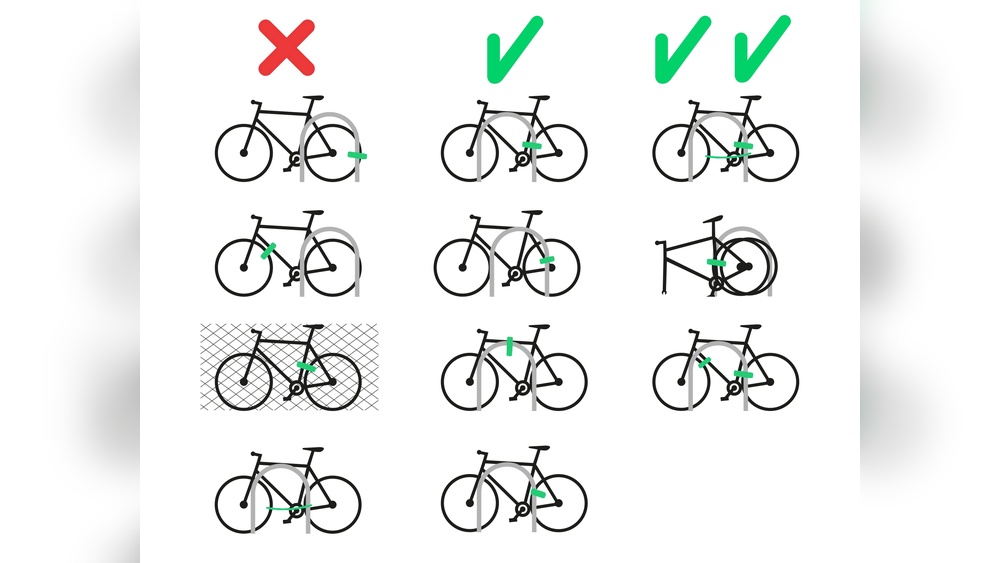
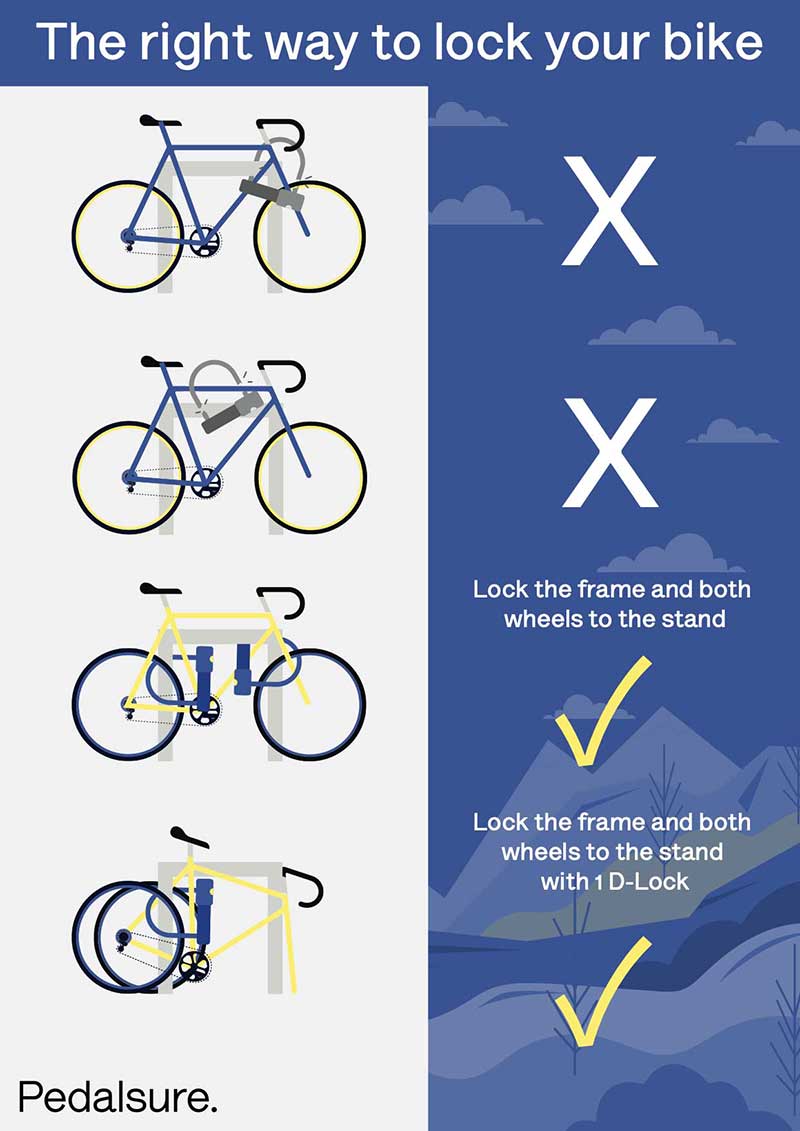
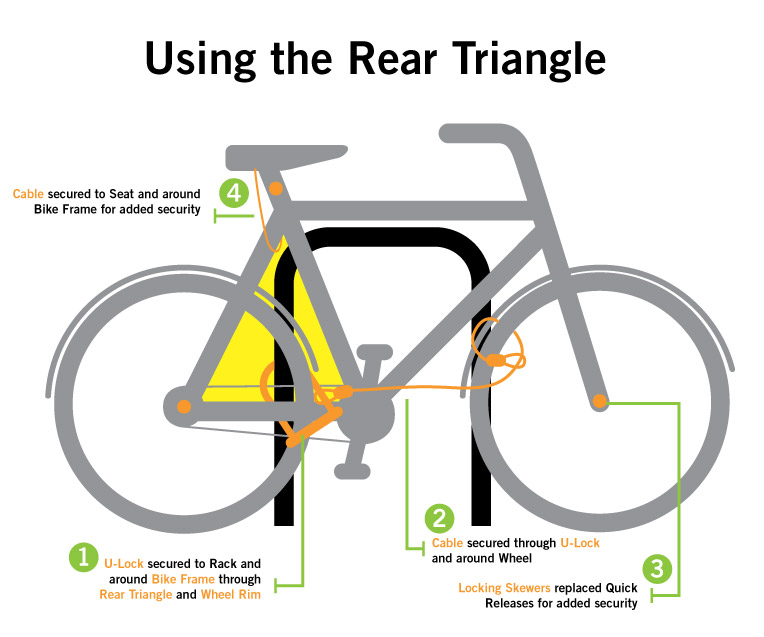
Always lock the bike frame to the object. The frame is the strongest part of the bike. If you only lock the wheels, thieves can remove the frame and take it. Use a lock that fits around the frame and at least one wheel. This prevents parts from being stolen separately. For extra safety, lock both wheels if you have two locks.
Using Fixed Objects
Choose a solid, fixed object to lock your bike. Look for a bike rack, pole, or fence that cannot be moved. Avoid locking to trees or objects that can be cut or lifted. The object should be tall enough to keep the bike off the ground. This stops thieves from lifting the bike and breaking the lock.
Avoiding Common Mistakes
Do not lock your bike in a dark or hidden spot. Thieves like quiet places. Avoid using cheap or thin locks that break easily. Do not lock only the front or back wheel. Avoid locking your bike to objects that move or can be cut. Check the lock’s position. It should be off the ground and hard to access with tools.
Best Places To Lock Your Bike
Choosing the right place to lock your bike is very important. A good spot keeps your bike safe and hard to steal. Some places are better than others for locking your bike. Picking the best spot helps protect your bike from theft.
High-traffic Areas
Lock your bike where many people pass by. Crowds can stop thieves from trying to steal. Busy streets, outside shops, or near schools work well. The more people around, the safer your bike stays.
Well-lit Spots
Pick places with bright lights at night. Thieves avoid light because they can be seen. Street lamps, parking lots, and entrances with lights are good choices. Light makes your bike more visible and safer.
Avoiding Isolated Locations
Do not lock your bike in empty or hidden spots. Dark alleys, behind buildings, or quiet parks are risky. These places give thieves time and space to steal. Always pick places where people can see your bike.
Additional Security Measures
Securing your bike goes beyond just locking it. Extra steps can greatly reduce theft risks. These added measures give you more peace of mind and protect your investment.
Using Multiple Locks
Use two different locks to secure your bike. One lock can secure the frame to a fixed object. The other can lock the wheels or seat. Thieves find it harder to break two locks than one. Choose locks made of strong materials like hardened steel.
Removing Accessories
Take off accessories that can be easily stolen. Items like lights, GPS devices, and bags should come with you. Leaving these items on the bike makes it a tempting target. Keep your accessories safe by carrying them or storing them indoors.
Registering Your Bike
Register your bike with a local or online database. This helps police identify your bike if it gets stolen. Registration also shows that you own the bike. Keep a record of your bike’s details, such as serial number and photos. This simple step can aid in recovery and discourage theft.
Maintenance Tips For Locks
Keeping your bike lock in good condition helps protect your bike better. Regular care makes locks last longer and work smoothly. Simple steps can avoid problems and save money. Check your lock often to spot any issues early.
Cleaning And Lubrication
Dirt and dust can stop your lock from working well. Clean the lock with a soft cloth to remove grime. Use a small brush to clear tight spots. Apply a little lubricant inside the keyhole and moving parts. This keeps the lock smooth and easy to open. Avoid oil-based lubricants that attract dirt. Use a dry or graphite lubricant instead.
Inspecting For Damage
Look closely at your lock for cracks or rust. Check if the shackle bends or the body is loose. Rust weakens metal and can break the lock. Test the key or combination to see if it turns easily. Any stiffness or difficulty means a problem. Catch damage early to prevent lock failure.
Replacing Old Locks
Locks wear out over time and lose strength. Replace locks that show rust, cracks, or heavy wear. Old locks might not secure your bike properly. Choose a new lock with good security ratings. A fresh lock gives better protection and peace of mind.
Credit: www.arloren.com
Frequently Asked Questions
How Do I Choose The Best Lock For My Bike?
Choose a U-lock or heavy-duty chain lock for strong security. Avoid cable locks alone. Consider lock size and resistance to cutting tools. A high-quality lock deters thieves effectively and protects your bike in public areas.
Where Is The Safest Place To Lock A Bike?
Lock your bike to a solid, immovable object like a bike rack or sturdy pole. Avoid isolated or poorly lit areas. Choose locations with high foot traffic and surveillance to reduce theft risk. Always secure both frame and wheels.
How Should I Position The Lock On My Bike?
Lock the frame and at least one wheel to the fixed object. Position the lock off the ground and fill as much lock space as possible. This makes it harder to use leverage tools and prevents thieves from easily breaking the lock.
Can I Use Multiple Locks For Better Security?
Yes, using two different lock types increases security. Combine a U-lock with a cable lock to secure wheels and frame separately. This dual approach deters thieves by requiring more time and tools to steal your bike.
Conclusion
Securing your bike properly saves you from theft and stress. Use a strong lock and fix it tightly to a solid object. Lock both the frame and wheels whenever possible. Choose well-lit, busy places to park your bike. Always check your lock before leaving your bike alone.
Small steps keep your bike safe every day. Stay alert and protect your ride with care. Your bike deserves the best security you can give.