
Struggling to open your bike lock because you forgot the 4-digit code? You’re not alone, and it can be really frustrating.
But don’t worry—there are simple, step-by-step ways to crack that code without damaging your lock. You’ll discover easy techniques that anyone can try, even if you’re not a tech expert. Keep reading, and you’ll soon have your bike unlocked and ready to ride again.
Choosing The Right Lock
Choosing the right lock is important for bike security and ease of use. The lock should fit your needs and protect your bike well. Understanding different types of locks and their security levels helps you make a smart choice.
Types Of 4 Digit Bike Locks
There are three common types of 4 digit bike locks. Cable locks use a flexible steel cable covered in plastic. They are light and easy to carry but less secure.
Chain locks have strong metal links. They are heavier but offer better protection. You can wrap them around bigger objects.
U-locks are shaped like a “U” and made from solid metal. They are very strong and hard to break. Many cyclists prefer U-locks for high security.
Security Levels To Consider
Not all locks provide the same level of security. Check the lock’s thickness and material strength. Thicker and harder metals resist cutting and picking better.
Consider the lock’s rating or grade. Higher grades mean better security against theft. Look for locks tested and approved by security organizations.
Think about where you park your bike. In high-risk areas, use the strongest lock available. For low-risk places, a moderate lock might be enough.
Common Code Patterns
Common code patterns make cracking a 4 digit bike lock easier. Many people choose simple, easy-to-remember codes. These codes follow predictable rules or repeat digits. Understanding these patterns helps you try likely combinations faster.
Frequently Used Combinations
Many use birth years or important dates. For example, 1990 or 2001 are popular. Some choose sequences like 1234 or 0000. Others pick repeated numbers like 1111 or 2222. These common codes appear often in locks.
Try these combinations first if you want to guess a lock code. They save time and often work because people prefer easy codes.
Avoiding Obvious Choices
Avoid obvious codes to keep your lock safe. Don’t pick simple sequences like 1234 or 4321. Avoid repeated numbers such as 5555 or 9999. These codes are the first to try for someone guessing.
Choose random codes with no pattern. Mix numbers that don’t relate to dates or repeated digits. This makes your lock harder to guess and keeps your bike secure.
Manual Trial Techniques
Manual trial techniques help to open a 4-digit bike lock without special tools. These methods rely on patience and careful testing of possible codes. They work best if you stay calm and focused.
This section covers two main ways to try codes by hand. You can test numbers one by one or listen closely for small sounds. Both methods can guide you to the right code.
Systematic Code Testing
Systematic code testing means trying every possible number in order. Start from 0000 and go up to 9999. This method takes time but guarantees success eventually.
Write down where you stop to avoid repeating codes. Move slowly and turn the dial gently. This helps to notice changes in resistance or feel.
This approach works best in quiet places where you can focus. Keep your hands steady and be patient. The right combination will open the lock.
Listening For Clicks And Feedback
Listening for clicks means paying attention to small sounds while turning the dials. Each correct number might make a soft click or change in feel.
Turn each wheel slowly and listen carefully. Stop and turn back if you hear or feel something different. These signals hint at the right digit.
This technique needs a quiet environment and good hearing. It works well with locks that have tactile or sound feedback. Try repeating the process for each dial.
Using Feel And Sound
Using feel and sound is a simple way to find the right code on a 4-digit bike lock. This method uses your hands and ears to notice small changes. It does not need tools or special skills. You only need patience and attention to detail.
By turning the dials slowly, you can sense tiny differences. Listening closely helps find the clicks or soft sounds the lock makes. These clues tell you if a number is correct or not. This technique works well for many common bike locks.
Detecting Subtle Differences
Hold the lock firmly. Turn each dial slowly and carefully. Pay attention to how the dial feels. Some numbers will feel smoother or tighter. Others may have a small pause or click. These are the subtle differences you need.
Listen closely as you turn the dials. A soft click or change in sound means something important. This sound often shows the right number is near. Keep track of these changes for each dial. Small changes guide you to the correct code.
Identifying The Correct Digits
Focus on one dial at a time. Turn it slowly and feel for resistance or clicks. Mark the numbers that feel different. Test these numbers by moving to the next dial.
Repeat this process for all four dials. The correct digits will feel smoother or produce a sound. Try the combination with these digits. This method increases your chance to crack the code.
Tools To Aid Cracking
Cracking a 4-digit code bike lock requires the right tools. These tools help you see and feel the lock’s inner workings. They make the process easier and faster. Without tools, guessing each number can take a long time. Use simple tools that improve your chances of finding the correct code.
Magnifying Glass
A magnifying glass helps you see small details on the lock. It makes the numbers and tiny marks clearer. These marks can show which digits are set correctly. Look closely at the dials to spot scratches or wear. These signs point to the right numbers. The magnifying glass is a simple tool that improves your accuracy.
Tension Wrenches
Tension wrenches apply gentle pressure on the lock’s shackle or dial. This pressure helps you feel when a number clicks into place. It works like holding the lock steady while you try each code. The right tension lets you sense subtle movements inside. This feedback guides you to the correct combination. Tension wrenches are essential for a smooth cracking process.
Credit: www.reddit.com
Legal And Ethical Considerations
Understanding the legal and ethical rules is important before trying to crack a 4 digit bike lock. Not all situations allow you to break a lock. Doing so without permission can lead to trouble with the law. It is important to act responsibly and respect others’ property.
Following the law keeps you safe and helps maintain trust with others. Ethical behavior shows respect for the owner’s rights and helps avoid conflicts. Always think carefully before attempting to open a lock that is not yours.
When Cracking Is Permitted
Cracking a bike lock is allowed only in certain cases. For example, if you forgot your own code and need to get your bike. Another case is when the bike is legally yours and you lost the key or code. Sometimes, owners ask for help to open their lock. In these situations, breaking the code is legal.
Never try to open a lock on a bike that does not belong to you. Doing so can be seen as theft or vandalism. Always make sure you have clear permission or ownership before proceeding.
Respecting Property Rights
Respecting property rights means you do not damage or steal what belongs to others. A bike is personal property and must be treated with care. Trying to crack a lock without permission shows disrespect and is illegal. Always ask the owner or authorities if you are unsure.
Respect helps build trust and avoids problems. It protects you from legal trouble and keeps your conscience clear. Remember, respecting others’ property is a key part of good behavior.
Preventive Tips
Preventing your bike lock code from being cracked is important. Simple steps can keep your bike safe. These tips help protect your lock and keep thieves away.
Setting Strong Codes
Choose a code that is hard to guess. Avoid simple patterns like “0000” or “1234”. Use numbers that only you can remember. Change your code regularly to stay safe. Do not share your code with others. Keep your code private and secure at all times.
Regular Lock Maintenance
Check your lock often for signs of damage. Clean it to remove dirt and dust. Use oil to keep the mechanism smooth. A well-maintained lock works better and lasts longer. Fix small problems before they become big. Regular care keeps your lock strong and reliable.
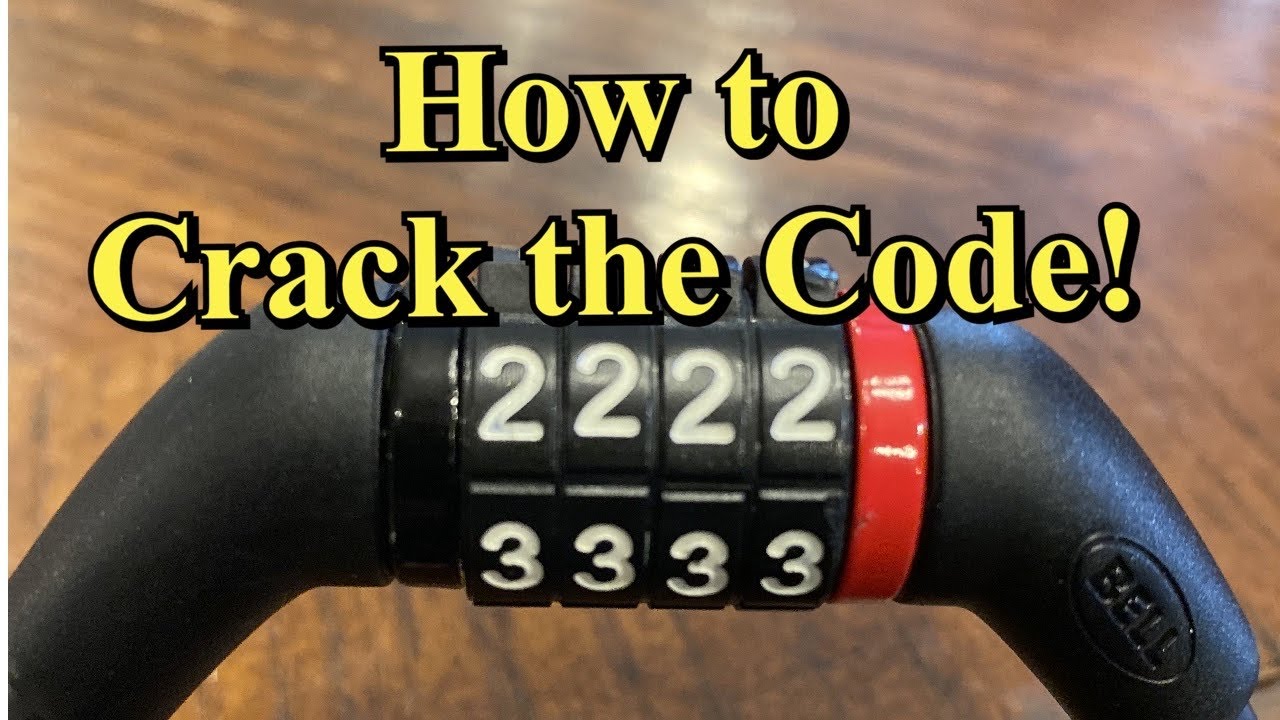
Credit: www.youtube.com

Credit: www.amazon.com
Frequently Asked Questions
How Do I Start Cracking A 4 Digit Bike Lock?
Begin by understanding the lock’s mechanism. Slowly rotate each digit from 0000 to 9999. Listen for subtle clicks or resistance changes to identify the correct code.
Can I Crack A 4 Digit Lock Without Tools?
Yes, you can crack it by manually trying all combinations. This method is time-consuming but requires no special tools or skills.
How Long Does It Take To Crack A 4 Digit Bike Lock?
On average, cracking a 4 digit lock manually takes about 30 minutes to an hour. The time varies based on patience and lock quality.
Is It Legal To Crack A Bike Lock?
Only crack locks you own or have permission to unlock. Unauthorized attempts to open locks are illegal and punishable by law.
Conclusion
Cracking a 4-digit bike lock takes patience and focus. Try each number step by step. Notice any small clicks or changes. Stay calm and keep trying different combinations. This method can save time and stress. Always respect others’ property and use this knowledge responsibly.
Practice on your own lock first. Soon, you will understand how these locks work. Keep your bike safe, but know how to solve simple problems. Easy and steady wins the race.


