If you’ve ever found yourself stuck with a wire bike lock that just won’t budge, you know how frustrating it can be. Maybe you lost the key, or the lock is damaged beyond repair.
Whatever the reason, knowing how to cut a wire bike lock safely and effectively can save you time and stress. In this guide, you’ll discover the best tools and techniques to get through that stubborn cable without causing damage to your bike or yourself.
Keep reading, because the right method could make all the difference when you need to free your ride quickly and securely.
Types Of Wire Bike Locks
Wire bike locks come in different types. Each type offers a certain level of protection and flexibility. Understanding these types helps to know how they can be cut or broken.
Cable Locks
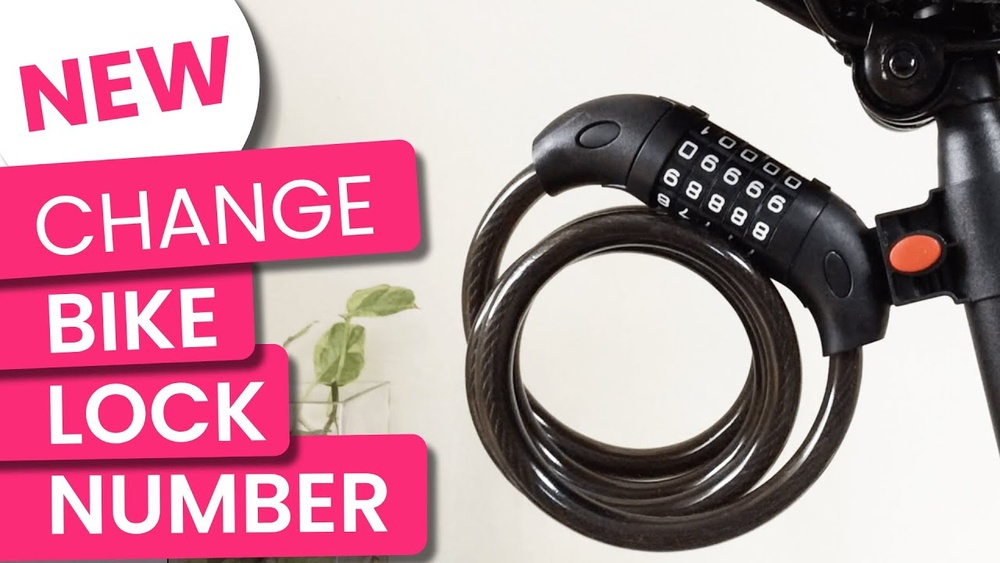
Cable locks are made of thin steel wires twisted together. They are flexible and easy to carry. Many cyclists use them for short stops. These locks can be cut quickly with wire cutters or bolt croppers. Their thin strands make them less secure than other types.
Steel Cable Locks
Steel cable locks have thicker and stronger steel inside. They offer better protection against cutting tools. These locks can resist simple wire cutters but not heavy-duty tools. Steel cables often have multiple layers to increase strength. They are heavier but more secure than basic cable locks.
Coated Wire Locks
Coated wire locks have a plastic or rubber layer around the steel cable. This coating protects the cable from weather and scratches. It also helps to avoid damage to your bike’s paint. The coating does not make the lock harder to cut. Cutting tools can still reach the steel wires inside easily.

Credit: www.youtube.com
Common Tools For Cutting
Cutting a wire bike lock requires the right tools. Different tools work better on different lock types. Knowing which tool to use saves time and effort. The strength and thickness of the lock also matter. Here are the common tools used for cutting wire bike locks.
Bolt Cutters
Bolt cutters are strong and easy to use. They have long handles for extra leverage. They can cut through thick cables and chains. Bolt cutters work best on medium-strength locks. They are portable and do not need power. However, some hardened locks may resist bolt cutters.
Wire Cutters
Wire cutters are smaller and lighter than bolt cutters. They are good for thin wire locks. Wire cutters cut quickly with minimal effort. They are easy to carry in a toolbox or pocket. Wire cutters are not effective on thick or hardened locks. Use them for light-duty locks only.
Cordless Grinders
Cordless grinders use a spinning blade to cut locks. They work on almost any lock type. These grinders are fast and powerful. Cordless grinders need batteries to operate. They can cut through metal quickly but create sparks. Safety gear like gloves and glasses is important.
Sawzall And Abrasive Blades
Sawzall is a type of reciprocating saw. It uses abrasive blades to cut metal. This tool handles thick and tough locks well. Sawzall blades wear out faster than grinder discs. It is heavier and less portable than bolt cutters. Sawzall cuts slowly but can handle strong locks.
Safety Gear To Use
Cutting a wire bike lock involves risks. Proper safety gear protects you from injuries. Using the right equipment reduces accidents and keeps you safe. Prepare well before starting any cutting work.
Gloves
Wear sturdy gloves to protect your hands. Cutting tools can slip or cause sharp edges. Gloves provide a firm grip and shield your skin. Choose gloves that fit well and allow good movement.
Safety Glasses
Use safety glasses to protect your eyes. Cutting wire can send small pieces flying. Glasses stop debris from hitting your eyes. Make sure they fit snugly and cover your entire eye area.
Protective Clothing
Wear long sleeves and durable clothing to protect your skin. Sparks or sharp wire ends can cause cuts or burns. Avoid loose clothes that may catch on tools. Choose thick fabrics to reduce injury risks.
Step-by-step Cutting Methods
Cutting a wire bike lock requires the right tools and clear steps. This guide shows simple methods to remove the lock safely and efficiently. Each technique suits different lock types and tools you might have. Follow these step-by-step cutting methods to handle your wire bike lock properly.
Using Bolt Cutters
Bolt cutters are strong tools designed to cut thick cables and locks. Place the lock cable between the jaws of the bolt cutters. Squeeze the handles firmly and steadily. The sharp blades will cut through the wire strands. This method works best on thinner cable locks. Always wear safety glasses to protect your eyes from flying metal pieces.
Cutting With Wire Cutters
Wire cutters are smaller and easier to handle. They fit well for thin wire locks or cables. Position the wire cutters on the cable and apply steady pressure. Cut strand by strand if needed. This method takes more time but is quieter than bolt cutters. Use gloves to protect your hands from sharp ends.
Grinding With A Cordless Grinder
A cordless grinder works well on thick or hardened wire locks. Secure the lock firmly to avoid movement. Hold the grinder’s cutting disc against the lock cable. Apply gentle pressure and move the grinder slowly. The disc will wear through the metal. Always wear gloves, safety glasses, and a mask to protect from sparks and dust.
Using A Sawzall For Heavy Locks
A Sawzall, or reciprocating saw, handles heavy-duty locks. Fit a metal-cutting blade on the Sawzall. Clamp the lock cable securely before starting. Turn on the Sawzall and cut the cable slowly. This tool cuts through thick locks quickly. Keep the blade steady and wear protective gear for safety.
Tips For Efficient Cutting
Cutting a wire bike lock requires more than just brute force. Efficiency matters to save time and effort. Following key tips makes the job smoother and safer. Focus on the right tools, grip, and handling heat to cut quickly.
Choosing The Right Tool
Select a tool designed for cutting metal cables. Bolt cutters work best on thick cables. For thinner wires, heavy-duty wire cutters or cable cutters are enough. Avoid using scissors or pliers as they may break or slip. Quality tools reduce effort and prevent damage.
Proper Grip And Positioning
Hold the tool firmly to avoid slipping. Position the cutting blades directly on the cable, near the lock’s weakest point. Cut at a right angle to maximize pressure. Keep your hands steady and clear of the cutting area. Good grip and positioning improve control and safety.
Managing Heat And Sparks
Cutting metal creates heat and sparks. Wear safety gloves and eye protection. Work in an open space to avoid fire hazards. Take breaks if the tool or cable gets too hot. Proper handling of heat protects you and preserves the tool’s life.
Credit: www.reddit.com
Preventing Damage And Injuries
Cutting a wire bike lock requires care to avoid damage and injuries. Sharp edges from the cut wire can cause cuts or scratches. Small metal pieces may fly off and cause harm. A clean, organized workspace reduces risks. Follow safety steps to protect yourself and others.
Handling Sharp Edges
Wire locks create jagged edges after cutting. Always wear thick gloves to protect your hands. Avoid touching the cut ends directly. Use a file or sandpaper to smooth sharp points. This lowers the chance of cuts or punctures.
Avoiding Metal Debris
Cutting wire locks produces tiny metal shards. These pieces can hurt your eyes or skin. Wear safety goggles to shield your eyes. Clear the area of metal bits after cutting. Dispose of debris safely to prevent accidents.
Working In A Safe Environment
Choose a well-lit, open space for cutting. Keep children and pets away from the area. Use tools designed for wire cutting to reduce effort. Keep a first aid kit nearby in case of injury. Staying alert helps avoid mistakes and injuries.
Legal And Ethical Considerations
Cutting a wire bike lock raises important legal and ethical issues. Understanding these can help you avoid trouble and respect others’ property. Always consider the reasons and the context before taking action. Law and ethics guide responsible behavior in such situations.
When Cutting A Lock Is Permissible
Cutting a bike lock is allowed only if you own the bike or have permission. Lost keys or broken locks can justify cutting the lock. Authorities may also cut locks during investigations or emergencies. Doing so without consent may be illegal and cause penalties.
Avoiding Theft And Property Damage
Cutting a lock to steal a bike is theft and punishable by law. Respect for others’ property is essential. Never cut a lock on someone else’s bike without permission. Damaging property can lead to fines or criminal charges. Always seek legal ways to solve lock problems.
Alternatives To Cutting
Cutting a wire bike lock is not the only option to access your bike. Many alternatives exist that avoid damage and save time. These methods are safer and keep your lock intact. Explore these easy ways to handle a locked bike without cutting.
Lock Picking Basics
Lock picking uses tools to open a lock without keys. It requires patience and some skill to feel the pins inside. A basic lock pick set is affordable and small. Practice on old locks before trying on your bike lock. This method works best on simple locks.
Using Spare Keys
Always keep a spare key in a safe place. A spare key saves you from cutting or breaking the lock. Check with friends or family if they have a copy. Some locks come with multiple keys. Label them and store them carefully for emergencies.
Professional Locksmith Services
Locksmiths offer expert help to open locked bike locks. They have tools and skills to unlock without damage. Calling a locksmith is faster and safer than cutting. Many locksmiths provide mobile service to your location. This option may cost more but protects your lock and bike.
Maintaining Bike Security
Keeping your bike safe is a top priority. Thieves often target bikes with weak locks. Maintaining bike security means using the right lock and locking it properly. Regular checks help spot any damage early. This section covers ways to improve your bike’s protection.
Choosing Stronger Locks
Pick locks made of tough materials like hardened steel. Avoid thin cable locks; they cut easily. U-locks and chain locks offer better security. Look for locks with high safety ratings. A strong lock can deter most thieves quickly.
Best Practices For Locking
Always lock your bike to a solid, immovable object. Secure both the frame and the wheels. Place the lock high off the ground to make cutting harder. Avoid locking your bike in isolated or poorly lit areas. Use more than one type of lock for added safety.
Regular Lock Inspection
Check your lock often for signs of wear or damage. Look for rust, cracks, or loose parts. Test the lock mechanism to ensure it works smoothly. Replace your lock if it shows weakness or damage. A well-maintained lock protects your bike better.

Credit: www.youtube.com
Frequently Asked Questions
Are Cable Bike Locks Easy To Cut?
Cable bike locks are easy to cut with common tools like cable cutters or bolt croppers. Their thin strands offer little resistance. Avoid relying solely on cable locks for high security.
Will A Grinder Cut A Cable Lock?
Yes, a grinder can cut a cable lock quickly by grinding through its metal strands. Use safety gear to protect yourself.
What To Use To Cut Bike Cable Housing?
Use sharp cable cutters or wire strippers to cut bike cable housing cleanly and easily. Avoid dull tools to prevent fraying.
What Is The Best Tool To Cut A Lock?
The best tool to cut a lock is a right-angle grinder with a razor wheel. It cuts quickly and efficiently. Bolt cutters work for thinner locks but struggle with hardened steel. An abrasive sawzall blade also cuts padlocks but is slower and less convenient.
Conclusion
Cutting a wire bike lock takes the right tools and careful steps. Use strong wire cutters or a cordless grinder for best results. Always wear safety gear to protect your eyes and hands. Remember, some locks are harder to cut than others.
Practice caution and patience during the process. This knowledge helps in emergencies or removing old locks. Stay safe and choose the right method to avoid damage. With these tips, cutting a wire bike lock becomes manageable and clear.