Have you ever faced the frustration of an old bike lock that just won’t budge? Maybe you lost the key, or the lock has rusted shut over time.
Whatever the reason, cutting off that stubborn lock can feel like a tough challenge. But don’t worry—you’re in the right place. You’ll discover simple, effective ways to cut off your old bike lock safely and quickly. Stick with me, and by the end, you’ll have the confidence and know-how to free your bike without hassle.
Let’s get started!
Tools Needed
Cutting off an old bike lock needs the right tools. Choosing the correct tool makes the job easier and safer. Each tool works best in different situations. Knowing their uses helps you pick the right one for your lock.
Bolt Cutters
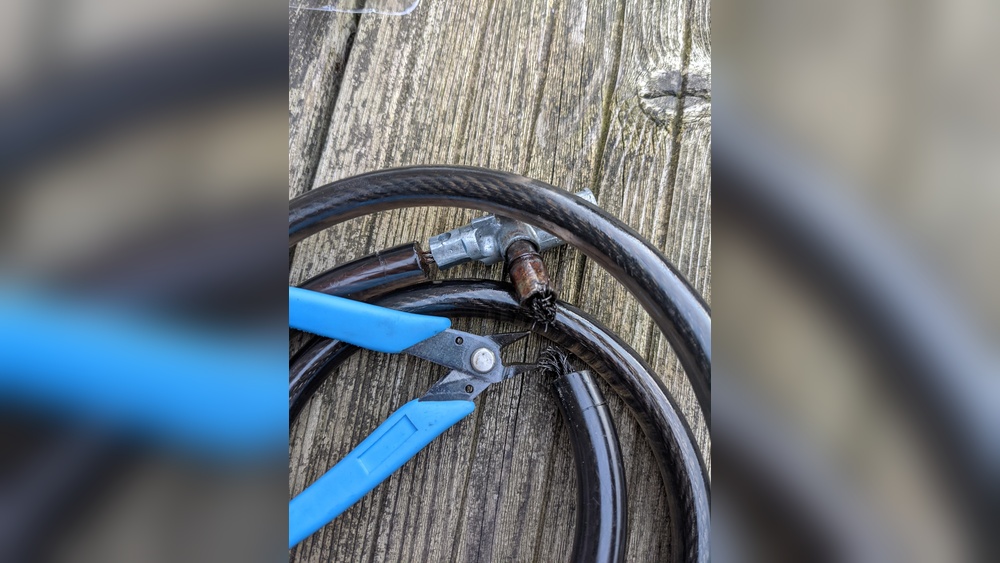
Bolt cutters are strong and easy to use. They cut through thin metal locks quickly. Their long handles give good leverage. Bolt cutters work best on cable locks and thin chains.
Angle Grinder
An angle grinder is powerful and fast. It uses a spinning disc to cut metal. This tool works well on thick locks and chains. Use it with care to avoid damage and injury.
Hacksaw
A hacksaw is a hand tool with a fine blade. It cuts slowly but works on many lock types. It is quiet and does not need power. Good for small jobs or soft metal locks.
Safety Gear
Safety gear protects you during cutting. Wear gloves to protect your hands. Use safety glasses to shield your eyes. Long sleeves and sturdy shoes add extra safety.
Credit: www.youtube.com
Assessing The Lock
Before cutting off an old bike lock, you must assess it carefully. This step helps you choose the right tools and methods. Knowing the lock’s details saves time and effort. It also ensures safety during the process.
Type Of Lock
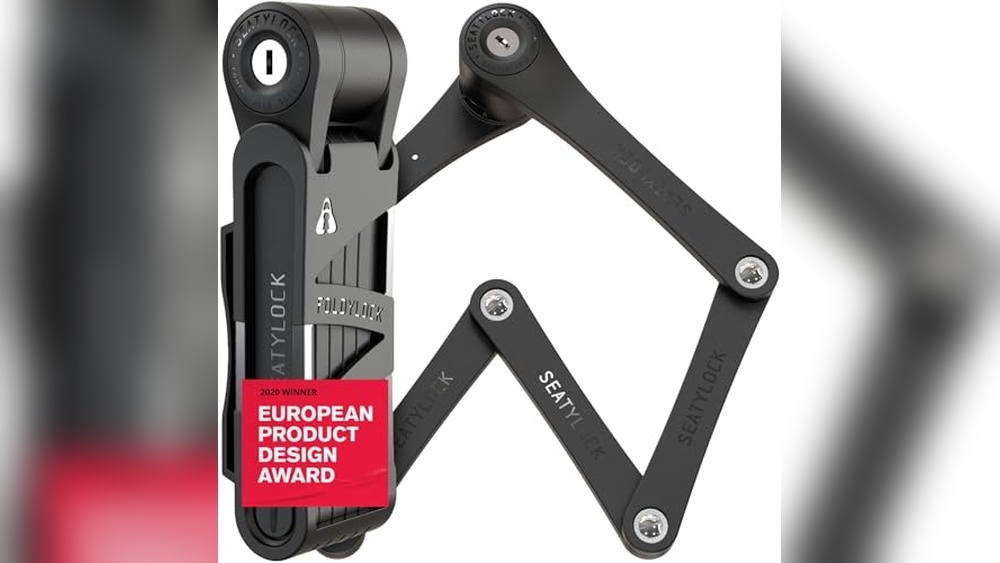
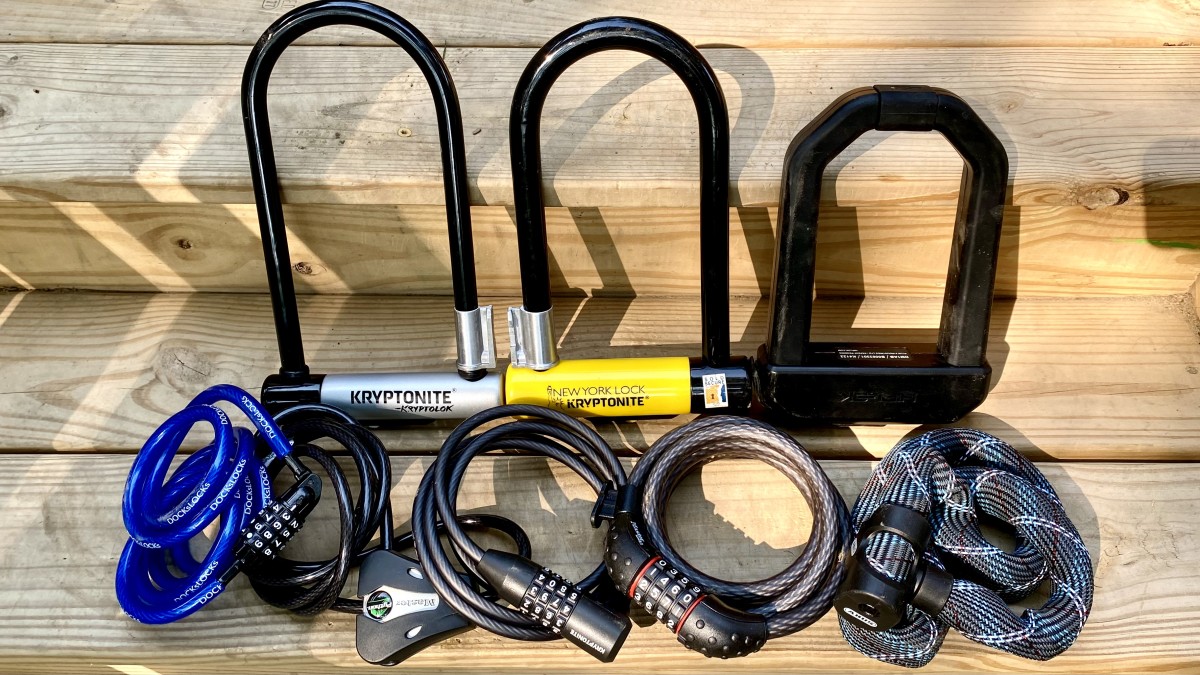
Identify the lock type first. Common types include U-locks, chain locks, and cable locks. Each type has a different cutting method. U-locks are usually harder to cut than cable locks. Knowing the type guides your approach.
Material And Thickness
Check what material the lock is made of. Most locks use steel, but some have hardened or alloy steel. Thickness matters a lot. Thicker locks need stronger tools. Thin locks may be cut with bolt cutters or a hacksaw.
Lock Condition
Look at the lock’s condition next. Rusty or old locks may break easier. Sometimes the lock mechanism is weak. A damaged lock can be removed faster. Assess condition to pick the best cutting technique.
Preparing To Cut
Preparing to cut an old bike lock is an important step. It sets the stage for a smooth and safe cutting process. This part focuses on steadying the bike, placing the lock correctly, and taking safety steps. Proper preparation saves time and avoids accidents.
Securing The Bike
First, keep the bike still. Use a bike stand or lean it against a wall. Make sure it won’t move while cutting. A moving bike can cause mistakes or injury. Tighten the brakes or block the wheels if needed. A stable bike means safer and easier cutting.
Positioning The Lock
Place the lock so the cutting tool fits well. Find the thinnest part of the lock. This spot is easier to cut through. Make sure the lock is away from the bike frame. Clear access helps the tool work better. Proper lock placement speeds up the cutting process.
Safety Precautions
Wear safety glasses to protect your eyes. Gloves protect your hands from sharp edges. Keep bystanders at a safe distance. Check the cutting tool before use. Make sure it works well and is sharp. Safety prevents injuries and makes the job smoother.
Credit: www.outdoorgearlab.com
Cutting Techniques
Cutting off an old bike lock requires the right technique and tools. Choosing the best cutting method saves time and effort. Safety is key during the process. Below are common cutting techniques for removing old bike locks.
Using Bolt Cutters Effectively
Bolt cutters are strong and easy to use. Position the jaws around the lock’s shackle. Apply steady pressure with both hands. Use your body weight for better force. Repeat if the lock does not cut on the first try. Bolt cutters work best on thinner shackles.
Operating An Angle Grinder
An angle grinder cuts through thick locks fast. Secure the bike and lock before starting. Hold the grinder firmly and wear safety gear. Cut along the lock’s weakest point. Avoid cutting too long to prevent damage. Sparks and noise will be intense but normal.
Hacksaw Tips
A hacksaw is slower but useful without power tools. Choose a blade with fine teeth for metal. Saw back and forth with even strokes. Keep the blade straight to avoid bending. Patience is important for this method. Regular breaks help reduce blade heat.
After Cutting The Lock
After cutting the old bike lock, some important steps follow. These steps help keep your bike safe and ready to use. Take time to clean and check everything carefully. This ensures your bike stays in good shape and ready for a new lock.
Removing Lock Debris
Cutting a lock creates small metal pieces. These pieces can fall on your bike and ground. Use a brush or cloth to clear the debris. Check the area around the cut. Remove all sharp bits to avoid injury or damage.
Inspecting Bike Damage
Look closely at the bike frame near the lock. Cutting tools may leave marks or scratches. Check for dents or cracks that could weaken the frame. Fix small damage soon to stop it from getting worse. If damage is severe, seek professional help.
Choosing A New Lock
Pick a new lock that fits your needs and budget. Choose one with strong materials and a good lock system. Think about where you park your bike most often. A better lock means better protection against theft. Replace the old lock quickly to keep your bike secure.

Credit: www.youtube.com
Preventing Future Lock Issues
Old bike locks can cause frustration and waste time. Preventing future lock issues saves effort and keeps your bike safe. Small steps help your lock last longer and work smoothly every day. Follow these tips to avoid problems and protect your ride.
Regular Maintenance
Clean your lock regularly to remove dirt and dust. Use a soft brush or cloth for cleaning. Apply lubricant to the keyhole and moving parts. This stops rust and keeps the lock working easily. Check for any damage or wear often. Fix small problems before they become big.
Lock Storage Tips
Store your lock in a dry place when not in use. Avoid leaving it outside in rain or snow. Moisture can cause rust and damage the lock. Keep the lock off the ground to avoid dirt buildup. Use a lock cover or plastic bag for extra protection. Proper storage helps the lock last longer and work well.
Upgrading Lock Security
Choose a lock with strong materials like hardened steel. Look for locks with good reviews for durability and security. Consider newer lock designs that resist cutting and picking. Replace old locks that show signs of wear or damage. A better lock keeps your bike safer and reduces future problems.
Frequently Asked Questions
How Can I Safely Cut Off An Old Bike Lock?
Use bolt cutters or an angle grinder for safety. Wear protective gear like gloves and goggles. Ensure the bike is stable to avoid accidents. Cutting slowly and carefully prevents damage to the bike and injury.
What Tools Are Best To Cut An Old Bike Lock?
Bolt cutters, angle grinders, and hacksaws work well. Bolt cutters are ideal for thinner locks. Angle grinders handle thick, hardened locks efficiently. Always choose tools based on the lock’s material and thickness.
Can I Cut A Bike Lock Without Damaging My Bike?
Yes, by using proper tools and techniques. Position the cutting tool carefully to avoid contact with the frame. Use protective padding if needed. Taking your time ensures the bike remains unharmed during lock removal.
Is It Legal To Cut Off A Bike Lock?
Cutting a bike lock you own is legal. Cutting others’ locks without permission is illegal and considered theft. Always ensure you have ownership or permission before cutting any bike lock to avoid legal issues.
Conclusion
Cutting off an old bike lock takes patience and the right tools. Always choose safety first and wear protective gear. Take your time to avoid damaging your bike. Using the proper method makes the job easier and faster. Remember, practice helps you get better at this task.
Stay calm and focused during the process. Now you know how to handle old bike locks safely. Keep these tips in mind for future use. Your bike will be free and ready to ride again. Simple steps make a tough job manageable.