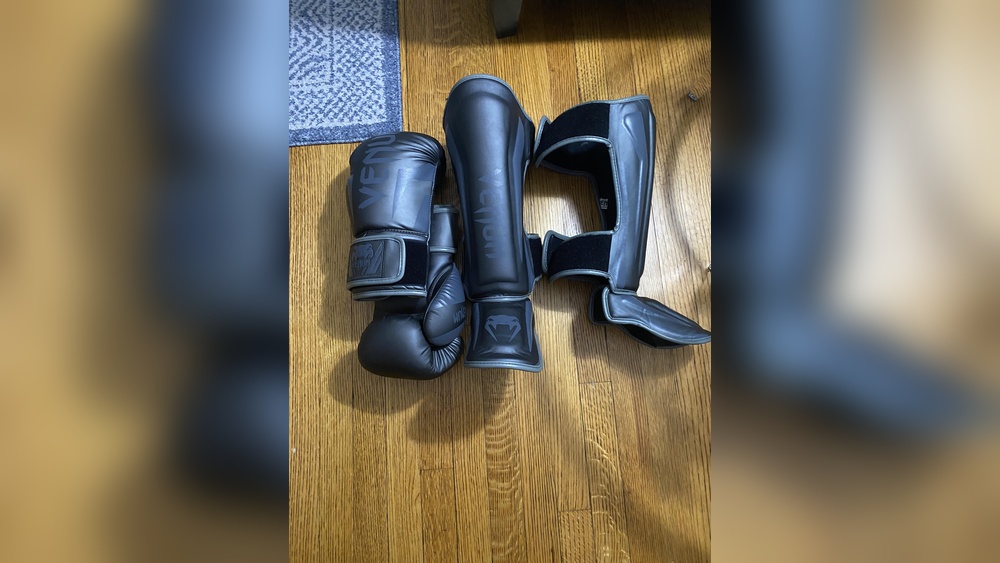
Choosing the right boxing glove size is more important than you might think. If your gloves are too big, you lose control and risk injury.
Too small, and your hands won’t get the protection they need. You want gloves that fit snugly but still feel comfortable, especially when you’re wearing hand wraps. In this guide, you’ll learn exactly how to measure your hand, understand the different glove weights, and pick the perfect size for your training style—whether it’s sparring, bag work, or competition.
Keep reading to make sure your gloves work for you, not against you.

Credit: www.smai.com
Measuring Your Hand
Measuring your hand is the first step to finding the right boxing glove size. It helps ensure comfort and protection during training or matches. The key measurement is the circumference of your hand, taken around the knuckles. This measurement works with size charts to pick the best glove weight and fit for your needs.
Using A Measuring Tape
Take a flexible measuring tape and wrap it around your dominant hand. Place it just below the knuckles, excluding the thumb. Keep the tape snug but not tight. Note the number where the tape meets its end. This number is your hand circumference in inches or centimeters.
Using A String And Ruler
If you don’t have a measuring tape, use a piece of string. Wrap the string around your hand below the knuckles. Mark the point where the string overlaps. Lay the string flat and measure the length with a ruler. This gives the same hand circumference measurement as a tape.
Measuring Without Hand Wraps
Always measure your bare hand without wraps. Hand wraps add bulk and change the size. Gloves should fit snugly over wraps, so get the base measurement first. Later, try gloves on with wraps to check comfort and fit.
Accuracy Tips
Measure your hand more than once for consistency. Use the dominant hand as it’s usually larger. Avoid measuring too tightly or loosely. Stand still and relax your hand while measuring. Write down your measurement immediately to avoid forgetting.
Choosing Glove Weight
Choosing the right glove weight is essential for comfort and safety in boxing. Gloves come in different weights, measured in ounces (oz). The weight affects protection, speed, and endurance during training or fights. Selecting the proper weight depends on your experience and the type of boxing activity you will do.
Weights For Beginners
Beginners should start with gloves weighing between 12 to 16 ounces. These gloves offer good padding to protect your hands and your partner. Heavier gloves slow down punches, helping new boxers learn control and technique. Using proper weight reduces the risk of injury while building strength.
Weights For Sparring
Sparring requires gloves with extra padding to protect both fighters. Gloves usually range from 14 to 18 ounces for sparring. Heavier gloves absorb more impact, lowering the chance of cuts or bruises. Choose gloves that feel comfortable and allow you to move naturally during sparring sessions.
Weights For Bag And Pad Work
For hitting bags or pads, lighter gloves of 10 to 12 ounces are common. These gloves are less bulky and help improve speed and technique. Using lighter gloves increases wrist flexibility and helps develop faster punches. However, they offer less protection, so avoid hard impacts without wraps.
Matching Body Weight To Glove Weight
Body weight helps guide the right glove size. Manufacturers often provide charts linking body weight to glove ounces. For example, a person weighing 120-150 pounds might use 12-ounce gloves. Heavier boxers may need 16-ounce gloves or more for better protection. Always check the chart and try gloves with wraps for the best fit.
Factors Affecting Glove Size
Choosing the right boxing glove size depends on several key factors. These factors ensure your gloves fit well and protect your hands during training. Understanding what affects glove size helps you pick the best gloves for your needs. Consider your training type, the use of hand wraps, how the gloves should fit, and how gloves change over time.
Intended Training Use
Different training styles need different glove sizes. Bag work often requires lighter gloves to improve speed. Sparring needs heavier gloves for extra padding and safety. Competition gloves are usually lighter for faster punches. Knowing your training purpose guides your glove weight and size choice.
Role Of Hand Wraps
Hand wraps add extra bulk to your hands. Always measure your hand size with wraps on. Gloves that fit well without wraps may feel too tight once wrapped. Wearing wraps inside gloves protects your wrists and knuckles. This must be factored in when choosing glove size.
Glove Fit: Snug But Comfortable
Your gloves should feel snug but not tight. A tight fit can reduce blood flow and cause discomfort. Loose gloves reduce protection and control. Aim for a comfortable fit that supports your hand movement. Gloves should hold your hand firmly without pain.
Glove Stretch Over Time
Boxing gloves stretch and soften with use. New gloves might feel tight at first. Expect slight loosening after regular training sessions. Buying gloves that fit well initially ensures they remain comfortable later. Avoid gloves that feel too loose from the start.
Using Size Charts
Using size charts is a simple way to find your perfect boxing glove size. These charts help match your hand and body measurements to the right glove weight. Size charts take the guesswork out of buying gloves online or in stores. They also guide you to a comfortable and safe fit, which protects your hands during training or fights.
Hand Circumference And Size Correlation
Measure your hand circumference around the knuckles with a tape. This number shows how big your gloves should be. Most size charts list hand measurements next to glove sizes. For example, a hand circumference of 7 to 8 inches usually fits a 12-ounce glove. Smaller hands need lighter gloves, while larger hands need heavier ones. This ensures good hand protection and comfort.
Body Weight And Glove Size Charts
Body weight is another key factor in glove sizing. Many charts connect your weight to glove ounces. Heavier people often use gloves between 14 and 16 ounces. Lighter people can use gloves from 8 to 12 ounces. This helps balance protection and speed. The right glove size based on weight reduces hand injuries and improves performance.
Manufacturer Variations
Different brands may have slight differences in glove sizes. One brand’s medium could fit like another’s small. Always check the specific size chart for the brand you want. Reading reviews can help see if gloves run big or small. Trying gloves on, if possible, is the best way to confirm the fit. Don’t assume all gloves of the same size are equal.
Trying Gloves On
Trying on boxing gloves is the best way to check their size and comfort. It helps you feel how the gloves fit your hand and wrist. Gloves can feel different depending on the brand and style. Testing them on lets you find the right pair for your training needs. Wear your hand wraps while trying gloves for a true fit.
Testing Fit With Hand Wraps
Always wear your hand wraps before trying on gloves. Wraps add extra padding and change how gloves fit. Gloves should feel snug but not tight with wraps on. You should still move your fingers easily. Check for any pinching or loose spots. Good fit means your hand feels secure inside the glove.
Checking Comfort And Mobility
Move your hand inside the gloves to test comfort. Make a fist and open your hand fully. Gloves should allow easy movement without pain. The wrist strap should hold firmly without cutting off circulation. Try punching motions to see if gloves stay in place. Proper mobility helps avoid injuries during training.
Adjusting For Different Brands
Each brand sizes gloves slightly differently. One brand’s medium might feel like a small in another. Try on gloves from several brands before buying. Don’t buy just by size number alone. Pay attention to how they fit your hand shape. Adjust your size choice based on comfort and fit, not just labels.

Credit: www.everlastboxing.com.au
Common Mistakes To Avoid
Choosing the right boxing glove size can feel tricky. Many make avoidable mistakes that hurt comfort and performance. Knowing these common errors helps you pick gloves that protect your hands well and last longer.
Focus on the fit, use, and measurements. Avoid rushing the process or guessing your size. Careful steps lead to better training and fewer injuries.
Choosing Gloves Too Tight Or Loose
Gloves that are too tight restrict blood flow and cause discomfort. They also limit hand movement during punches. On the other hand, loose gloves slide around and reduce control. Loose gloves increase injury risk from poor wrist support. Always aim for a snug fit without pain. Remember, gloves will loosen slightly after use.
Ignoring Intended Use
Boxing gloves differ by activity: bag work, sparring, or competition. Using the wrong gloves affects safety and training quality. For example, light gloves are good for bag work but risky in sparring. Heavier gloves provide better padding for sparring sessions. Choose gloves based on your training goals for the best results.
Skipping Hand Measurement
Many skip measuring their hands and guess glove size. This leads to poor fit and discomfort. Use a tape to measure around your knuckles without wraps. Compare the measurement with a size chart from the brand. Measuring ensures the gloves fit your hand shape and size well. Always measure both hands since one may be bigger.

Credit: www.ringside.com
Frequently Asked Questions
How Do I Know What Size Boxing Gloves I Need?
Measure your hand’s circumference around the knuckles without wraps. Use a size chart based on your weight and training type. Gloves should fit snugly with wraps but not too tight, allowing comfort and protection during use.
Should I Get 12oz Or 14oz Boxing Gloves?
Choose 12oz gloves for bag work or beginners. Opt for 14oz gloves for sparring to ensure better protection and cushioning.
Do I Want 8oz Or 10oz Boxing Gloves?
Choose 8oz gloves for lighter bag work or competitions. Pick 10oz gloves for sparring and better hand protection during training.
Why Is Tyson Using 14 Oz Gloves?
Tyson uses 14 oz gloves for better hand protection and optimal balance during training and sparring sessions.
Conclusion
Choosing the right boxing glove size protects your hands and improves performance. Measure your hand around the knuckles carefully. Use a size chart that matches your weight and training type. Gloves should fit snugly with hand wraps but never feel too tight.
Remember, different activities need different glove weights. Trying gloves on before buying helps ensure a good fit. This simple process keeps your hands safe and comfortable during every session. Take your time to find the best size and enjoy your boxing experience.