Are you ready to bring some sporty fun to your drawing skills? Learning how to draw cartoon boxing gloves is easier than you think, and it’s a great way to add energy and personality to your artwork.
Whether you want to create a playful character, design a cool sports logo, or just have fun sketching, these gloves are a perfect starting point. In this guide, you’ll discover simple, step-by-step instructions that will help you draw your own cartoon boxing gloves quickly and confidently.
So grab your pencil, and let’s punch up your drawing game together!

Credit: www.freepik.com
Materials Needed
Before you start drawing cartoon boxing gloves, gather the right materials. Having proper supplies makes drawing easier and more fun. Use tools that help you create clean lines and smooth shapes. Choose the right paper to hold your pencil marks well. Optional coloring supplies can bring life and vibrance to your drawing. Below are the key materials you need to get started.
Drawing Tools
Use a good quality pencil for sketching. Mechanical pencils or regular graphite pencils work well. Keep an eraser handy to fix mistakes. A sharpener keeps your pencil tip fine for details. Black ink pens or fineliners help outline the final drawing. Choose pens with different thicknesses for variety in lines.
Paper Selection
Pick smooth, white drawing paper for clear lines. Avoid rough or too thin paper to prevent tearing. A4 or letter size works well for practice. Heavier paper holds ink better if you plan to use pens. You can also use sketchbooks designed for pencil drawings.
Optional Coloring Supplies
Colored pencils add soft, controlled color to your gloves. Markers provide bold and bright colors. Watercolors create smooth color blends but need thick paper. Use blending tools like colorless blenders or cotton swabs for smooth shades. Choose supplies based on your preferred coloring style.

Credit: www.shutterstock.com
Basic Shapes
Drawing cartoon boxing gloves starts with simple shapes. Basic shapes help create the glove’s form and structure. They make the drawing easier to build step-by-step. Focus on circles, ovals, and curves first. These shapes form the main parts of the glove. This method keeps the drawing balanced and clear.
Sketching The Glove Outline
Begin by drawing a large oval for the main body of the glove. This oval represents the padded part that covers the knuckles. Keep the lines light to allow changes later. Add a gentle curve on one side to show the glove’s rounded shape. This curve suggests the glove’s soft and puffy look. Avoid sharp angles to keep the cartoon style smooth and friendly.
Adding The Palm And Thumb Shapes
Next, sketch the palm area with a smaller oval overlapping the main body. This shows where the hand fits inside the glove. Draw a curved shape extending from the palm for the thumb. The thumb shape should be smaller and rounder to match the cartoon style. Position it slightly away from the main oval to create space. This step gives the glove its full, three-dimensional look.
Detailing The Glove
Detailing the glove brings your cartoon boxing gloves to life. It adds depth and character. Small elements make the gloves look more realistic and fun.
Focus on key parts like the finger pads and wrist strap. These details highlight the glove’s shape and function. Simple lines and shapes work best for cartoons.
Drawing The Finger Pads
Start by sketching small oval shapes where the fingers would press inside. These pads show where the glove cushions the knuckles. Draw them slightly raised to give a soft look.
Use curved lines to connect the pads to the main glove body. Keep the shapes rounded to keep the cartoon style gentle. Add a few short lines for stitching or seams to show texture.
Adding The Wrist Strap
Draw a thick band around the glove’s wrist area. This strap secures the glove and adds balance to your drawing. Use straight or slightly curved lines to shape the strap.
Add a small rectangle or circle for the strap’s fastening part. It can be a velcro patch or buckle. Draw a few short lines to suggest stitching or folds on the strap.
Make the wrist strap slightly wider than the glove’s wrist. This contrast makes it stand out clearly. Keep the lines clean and simple for a cartoon feel.
Refining Lines
Refining the lines of your cartoon boxing gloves brings your drawing to life. It sharpens the shapes and clarifies the design. This step makes your gloves look polished and professional. Focus on cleaning up rough sketches and adding smoothness to every curve. Precision in this phase enhances the overall appeal of your artwork.
Smoothing Edges
Start by erasing stray marks and overlapping lines. Use a clean, steady hand to redraw the outlines. Make the edges soft but clear to avoid a jagged look. Rounded corners suit cartoon gloves better than sharp angles. This technique gives the gloves a friendly and approachable feel. Take your time to create smooth, flowing lines for each part.
Enhancing The Contours
Contours add depth and dimension to your gloves. Darken key lines to emphasize the shape and volume. Highlight curves where the glove bends or folds. Use thicker lines on the outer edges and thinner ones inside. This contrast creates a sense of light and shadow. It also helps the gloves pop out from the page. Add small details like stitching or wrinkles for extra realism.
Adding Texture
Adding texture to your cartoon boxing gloves makes them look real and lively. Texture shows the glove’s material and the way it bends. It creates depth and interest in your drawing. Simple lines and shapes bring the gloves to life. Focus on small details like stitches and folds. These details make your gloves unique and fun to draw.
Creating Stitching Lines
Start by drawing small, evenly spaced lines along the glove’s edges. These lines represent stitches holding the glove together. Use short, straight marks to keep it neat and clear. Draw stitching around the thumb and wrist areas. Keep the lines consistent in size and distance. Stitching adds a handmade feel and shows the glove’s structure.
Drawing Wrinkles And Folds
Wrinkles and folds show where the glove bends and moves. Draw curved lines inside the glove’s main shape. Place them near the knuckles and wrist where the glove flexes. Use soft, short strokes to keep wrinkles subtle. Avoid overcrowding the drawing with too many lines. Wrinkles give a sense of softness and use, making the glove look worn and real.
Coloring Techniques
Coloring techniques bring cartoon boxing gloves to life. They add depth and personality to your drawing. Careful coloring makes your gloves look more realistic and fun.
Use simple steps to choose colors and add shading. These techniques help create a bold and clear cartoon style. Keep your colors bright and clean for the best effect.
Choosing Colors
Pick colors that stand out and fit the cartoon style. Red is a popular choice for boxing gloves. It shows strength and energy.
Try using one main color and one or two shades. This keeps your drawing simple yet lively. Avoid using too many colors to keep the focus clear.
Consider using colors that match the mood. Bright colors work well for a playful look. Darker colors add a serious tone.
Shading And Highlights
Shading gives your gloves a 3D look. Add darker shades on the edges and folds. This shows curves and depth.
Use soft strokes for shading to blend smoothly. Highlights add shine and make the gloves look new.
Place highlights where light would hit, like the top or rounded parts. White or light colors work best for highlights.
Balance shading and highlights for a natural look. This creates a polished and eye-catching cartoon glove.
Final Touches
After completing the main shapes and details of your cartoon boxing gloves, it’s time to enhance the drawing. Final touches bring life and depth to your artwork. This step makes your gloves look more realistic and polished. Focus on shadows and cleaning up lines for a neat finish.
Adding Shadows
Shadows give your gloves a three-dimensional feel. Decide where the light source is coming from. Shade the opposite sides of the gloves to show depth. Use soft, light strokes for subtle shadows. Darker areas show folds and curves. Shadows under the gloves help them stand out from the page. Blending the shadows gently makes the gloves look smooth and round.
Cleaning Up The Drawing
Erase any extra pencil marks around the gloves carefully. Clean lines make the drawing clearer and more professional. Fix small mistakes and sharpen the glove edges. Outline key parts with a fine pen or darker pencil. This highlights the shape and details. Make sure the gloves’ stitching and seams are visible but not messy. A tidy drawing is easier to color later and looks better overall.
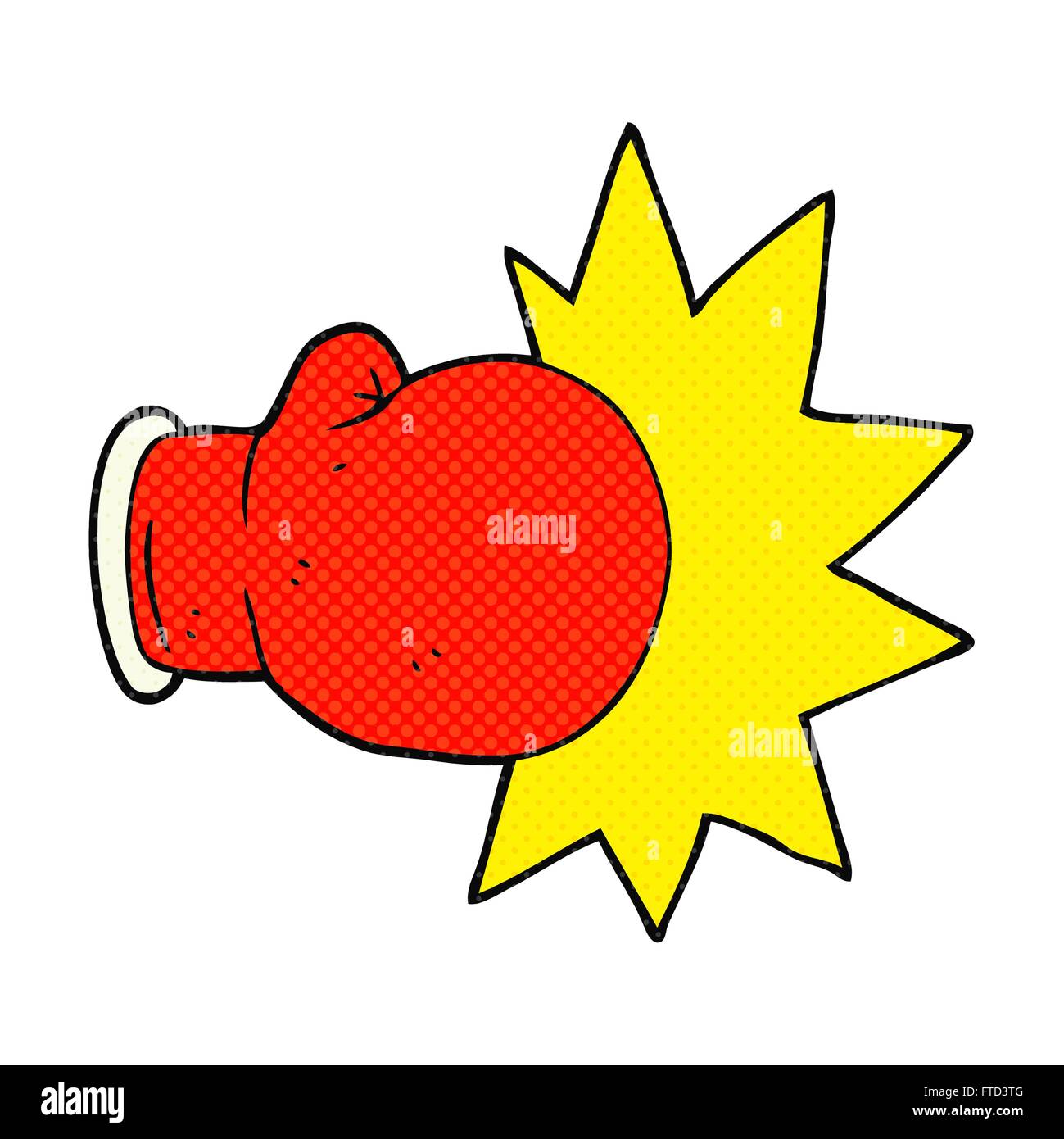
Credit: www.alamy.com
Frequently Asked Questions
How To Draw A Simple Boxing Glove?
Start by sketching a rounded, potato chip-like shape for the glove’s main body. Add curved lines for fingers and thumb. Draw the wrist strap at the bottom. Outline smoothly and erase extra lines. Shade or color to finish your simple boxing glove drawing.
What Gloves Did Mike Tyson Wear?
Mike Tyson wore Everlast gloves during his prime fights. Recently, he uses Venum Tyson Pro Competition gloves for training and exhibitions.
How To Choose A Boxing Glove For A 13 Year Old Boy?
Choose gloves weighing 8-10 oz for comfort and protection. Select durable material like leather or synthetic leather. Ensure proper fit with wrist support and padding for safety.
Why Do Boxers Bite Their Gloves?
Boxers bite their gloves to relieve stress, focus their mind, and boost confidence before or during fights.
Conclusion
Drawing cartoon boxing gloves can be simple and fun. Practice each step slowly to improve your skills. Use basic shapes to create a clear outline first. Add details like stitching and padding for realism. Color your gloves with bright shades to make them pop.
Keep practicing, and your drawings will look better each time. Enjoy the creative process and share your art with friends. Drawing is a great way to express your imagination. Keep your tools ready and draw whenever inspiration strikes.


