You want to keep your bike safe, but fastening your bike lock properly can be tricky. If the lock isn’t attached the right way, it won’t protect your bike when you leave it unattended.
In this guide, you’ll learn simple, effective steps to fasten your bike lock securely. By the end, you’ll feel confident that your bike is locked up tight and ready to stay safe wherever you go. Keep reading to discover how to lock your bike like a pro and avoid common mistakes that put your ride at risk.

Credit: www.amazon.com
Choosing The Right Bike Lock
Choosing the right bike lock is key to protecting your bike. A good lock stops thieves and gives you peace. Picking the right one depends on where you park and how long you leave your bike. Different locks suit different needs. It pays to know the options and what fits your bike best.
Below, find details on types of bike locks and important factors to consider. This helps you make a smart choice and keep your bike safe.
Types Of Bike Locks
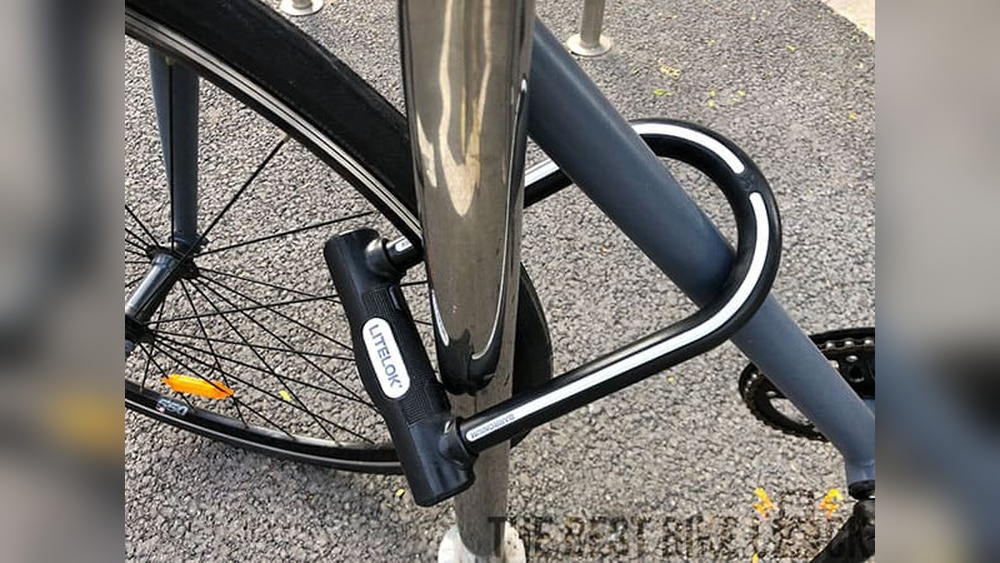
U-locks are strong and tough. They resist cutting and are hard to break. They work well for locking your frame and wheel to a fixed object.
Chain locks use thick metal links. They give flexibility and are heavy but offer good security. Look for hardened steel chains with a strong lock.
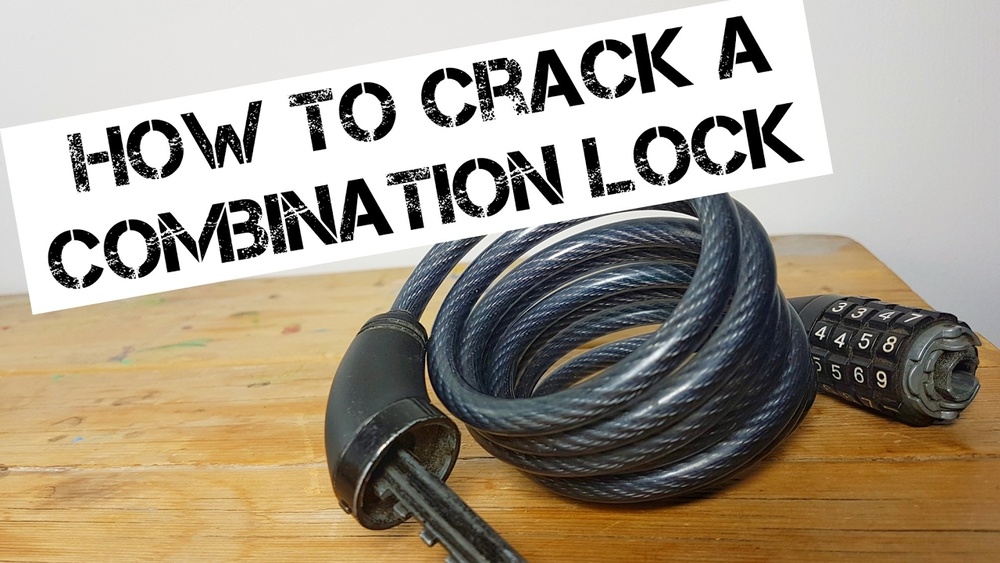
Cable locks are light and easy to carry. They are less secure but useful for low-risk areas or short stops. They work best with a U-lock for extra safety.
Folding locks fold into a small size. They balance security and portability. They are harder to cut than cables but lighter than chains.
Factors To Consider
Think about where you park your bike most often. Busy, well-lit places need a lighter lock. Dark or isolated spots require a heavy-duty lock.
Consider how long your bike stays locked. Short stops allow simpler locks. Long hours need stronger protection.
Weight matters if you carry the lock on your bike or in a bag. Heavy locks protect better but add bulk.
Check the lock size. It must fit around your bike frame and the object you lock it to. Too small or too large can cause problems.
Price varies widely. Higher cost often means better security. Set a budget but aim for quality over cheap options.
Preparing Your Bike And Lock
Preparing your bike and lock is an important first step. It makes sure your lock works well and fits your bike properly. Taking time to prepare keeps your bike safe and avoids problems later. Follow these simple steps before fastening your lock.
Clean And Inspect The Lock
Start by cleaning your bike lock. Dirt and rust can stop it from working smoothly. Use a cloth and some water to wipe the lock. Check the lock for any damage, like cracks or bent parts. Make sure the key or combination works easily. A clean and checked lock is stronger and safer.
Select The Best Location On The Bike
Pick a spot on your bike that is steady and easy to reach. The frame is usually the best place to attach the lock. Avoid thin parts like spokes or quick-release wheels. Choose a place that keeps the lock tight and does not move much. This helps keep your bike safe and the lock secure.
Step-by-step Lock Attachment
Attaching a bike lock correctly is key to keeping your bike safe. Follow these clear steps to secure your bike quickly and effectively. Each part of the lock matters. Proper placement and technique reduce theft risk.
Learn how to position the lock, secure the frame and wheels, and apply locking methods for the best protection.
Positioning The Lock
Start by choosing a sturdy, fixed object to lock your bike. Position the lock so it fits around both the object and your bike frame. Avoid placing the lock too high or too low. It should be easy to reach but hard to tamper with. Keep the lock away from the ground to prevent dirt and moisture.
Securing The Frame And Wheels
Lock the main frame first. The frame is the strongest part of your bike. Then secure at least one wheel to the frame with the lock. This stops thieves from removing the wheel and taking the bike. If possible, use a second lock to secure the other wheel. Always lock parts together tightly to prevent easy removal.
Locking Techniques For Maximum Security
Insert the lock through the frame and wheel. Avoid locking only the wheel or the seat. Pull the lock tight to reduce space for tools. Turn the key or combination slowly to ensure it locks fully. Check the lock by shaking the bike gently. A solid lock means better protection. Cover the lock with a protective sleeve to reduce weather damage.

Credit: arloren.com
Tips For Quick Locking
Locking your bike quickly saves time and avoids hassle. It also keeps your bike safe. Using smart methods can speed up the process. Here are some simple tips to lock your bike fast and secure.
Practice And Familiarity
Practice locking your bike often. Know where each part of your lock goes. This builds speed and confidence. Try locking your bike at home several times. This helps you work fast in public.
Familiarity with your lock reduces fumbling. Your hands move quicker with each try. It becomes almost automatic. This way, you spend less time locking and more time riding.
Using Lock Mounts
Lock mounts keep your lock close to your bike. They save time by making the lock easy to reach. Mounts attach to the frame or seat post. No need to dig in bags or pockets.
Choose a mount that fits your lock. A good mount holds the lock firmly. This avoids noise and damage while riding. Quick access means quick locking every time.
Shortcut Techniques Without Compromising Security
Use shortcuts that do not weaken your lock. Slide the lock through the frame and a fixed object. Skip locking the wheel if your lock is strong enough. Make sure the lock fits tightly.
Avoid loose locking which can invite thieves. Tight and simple locking takes less time. It keeps your bike safe while saving effort. Practice these methods until they feel natural.
Common Mistakes To Avoid
Securing your bike properly is key to keeping it safe. Many riders make simple errors that reduce lock effectiveness. Avoiding these common mistakes helps protect your bike better.
Loose Lock Attachment
Attaching the lock loosely gives thieves an easy chance. The lock should fit tightly around the frame and the bike rack. A loose lock can be wiggled or cut more easily. Check the lock after fastening to ensure it does not move.
Ignoring Vulnerable Points
Focus on locking the frame and one wheel, not just any part. Thieves often target weak spots like quick-release wheels or seat posts. Secure these parts or remove quick-release items before locking. Protecting the main frame is crucial to stop theft.
Using Damaged Locks
Old or broken locks are easy targets. Cracks, rust, or faulty mechanisms reduce lock strength. Replace locks that show signs of damage. A strong, well-maintained lock offers better security and peace of mind.

Credit: www.reddit.com
Maintaining Your Bike Lock
Maintaining your bike lock helps keep it working well for a long time. Dirt and rust can stop the lock from opening easily. Regular care saves money and protects your bike better. Follow simple steps to keep your lock strong and smooth.
Regular Cleaning
Remove dirt and dust from the lock surface often. Use a soft cloth or brush to clean the lock. Avoid water inside the lock to stop rust. Clean the keyhole carefully to avoid blockages. Clean locks work smoothly and last longer.
Lubricating The Lock Mechanism
Use a light lubricant made for locks. Apply a small amount inside the keyhole and shackle. Move the key or shackle to spread the oil. Lubrication stops parts from sticking or jamming. Do this every few months for best results.
Checking For Wear And Tear
Look closely for rust, cracks, or damage on the lock. Test the lock and key to check smoothness. Replace the lock if parts are broken or too worn. A weak lock cannot protect your bike well. Regular checks keep your bike safe.
Frequently Asked Questions
How Do I Secure A Bike Lock To The Frame?
Attach the lock to the bike frame and a fixed object. Ensure it passes through the frame and one wheel for maximum security. This prevents easy theft by locking critical parts together.
What Is The Best Spot To Fasten A Bike Lock?
Lock your bike to a sturdy, immovable object like a bike rack. Choose a location that is visible and well-lit to deter thieves. Avoid locking to weak or removable objects.
How Tight Should A Bike Lock Be Fastened?
Fasten the lock snugly with minimal slack. A tight lock makes it harder for thieves to insert tools and pry it open. Avoid overly tight locking that can damage the bike frame.
Can I Fasten A Bike Lock Without Removing Wheels?
Yes, lock through the frame and one wheel if removing wheels is inconvenient. However, removing the front wheel and locking it with the frame increases security. Use a lock long enough to secure both wheels.
Conclusion
Fastening your bike lock correctly keeps your bike safe and secure. Choose a strong lock and attach it tightly to the frame. Lock your bike to a fixed, sturdy object. Double-check the lock before leaving your bike. Practice these steps regularly for better protection.
Simple habits can stop theft and give peace of mind. Keep your bike safe every time you park. Small efforts make a big difference in bike security.