Have you ever stood frustrated in front of your bike lock, completely stuck because you forgot the combination? It happens to the best of us.
But don’t worry—you can crack that lock without stress or expensive help. Imagine the relief of getting your bike free quickly and easily. In this guide, you’ll discover simple, effective ways to figure out your combination bike lock. Keep reading, and you’ll be back on the road before you know it.
Types Of Combination Bike Locks
Combination bike locks come in different types. Each type has its own way to protect your bike. Knowing the types helps you choose the right lock. It also makes it easier to figure out the combination if needed.
Dial Locks
Dial locks have a rotating dial with numbers. You turn the dial to the right number in the sequence. Each number aligns to open the lock. These locks are strong and do not use keys. They are common on older bikes and some gym lockers.
Cable Locks
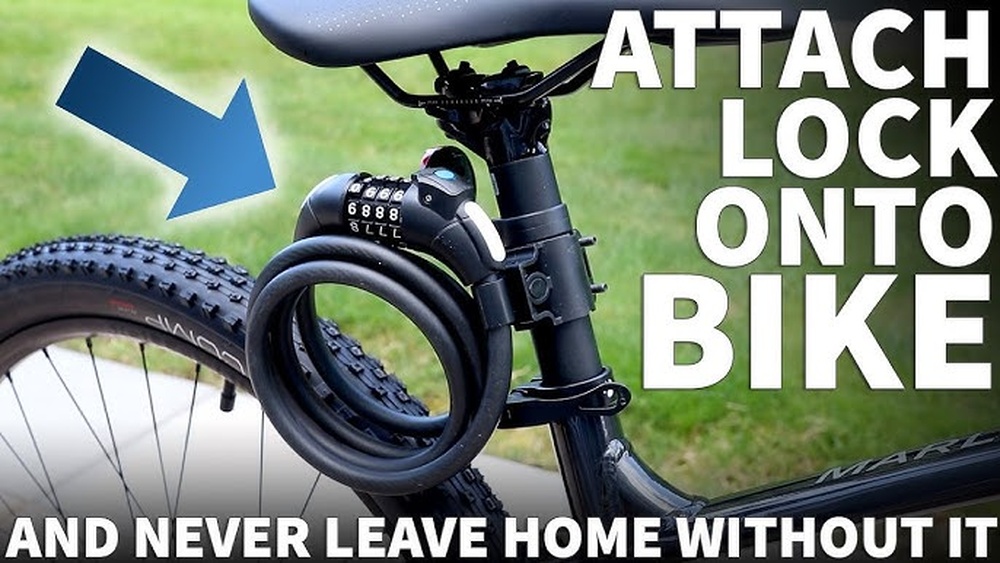
Cable locks use a flexible steel cable covered in plastic. The cable loops around the bike and a fixed object. The lock part has a combination dial or buttons. These locks are light and easy to carry. They are good for short stops in safe areas.
U-locks
U-locks are shaped like a big letter U. They use a thick metal bar and a locking mechanism. Some use a combination code instead of keys. U-locks are very strong and hard to break. They fit around the bike frame and a solid object.

Credit: lock-picking.wonderhowto.com
Tools Needed
Figuring out a combination bike lock requires some simple tools. These tools help you find the right numbers without damage. Knowing what to use makes the process easier and faster.
Basic Tools
A few basic tools can help start the job. A flashlight is useful to see the numbers clearly. A pen and paper help to note down attempts. Patience is key, so keep these tools handy.
Optional Aids
Some extra aids can speed up the process. A small mirror can help view hard-to-see angles. A magnet might assist with certain lock types. These aids are not needed but can be helpful.
Preparing The Lock
Preparing the lock is the first step in figuring out a combination bike lock. It helps you understand how the lock works. This step makes the process easier and saves time. Follow these simple actions before trying to open the lock.
Inspecting The Lock
Look closely at the lock. Check for any signs of damage or wear. Make sure the numbers on the dials are clear and easy to read. Notice if the lock feels stiff or smooth when you turn the dials. This can give clues about how it works. A clean, well-maintained lock is easier to work with.
Setting Starting Point
Set all the dials to zero or any known position. This will be your starting point. It helps keep track of your attempts. Turning the dials in order from this point is important. Remember the starting point clearly. It allows you to return and try different combinations without confusion.
Step-by-step Unlocking Method
Figuring out a combination bike lock can seem tricky. The step-by-step unlocking method breaks it down into easy actions. Follow each step slowly and carefully. This method helps you find the correct numbers on the dial. Concentrate on the small details as you work.
Turning The Dial
Start by turning the dial to the right. Spin it at least three full turns. This resets the lock. Then, slowly turn the dial to the right again. Stop at the first number of your combination. Turning the dial carefully helps avoid mistakes. Stay patient and steady.
Listening For Clicks
Listen closely for subtle clicks as you turn the dial. Each click may mean the lock is recognizing a number. Turn the dial slowly to catch these sounds. The clicks guide you to the right numbers. Don’t rush. Quiet surroundings help hear the clicks better.
Noting Number Feedback
Pay attention to how the dial feels at each number. Sometimes the dial will feel tighter or looser. This feedback is important. It shows you are near a correct number. Mark these numbers in your mind or on paper. Use this feedback to confirm your combination.
Common Techniques To Try
Figuring out a combination bike lock can seem tough. Many people feel stuck and unsure where to start. Trying common techniques can help you open the lock without damage. These methods focus on simple steps anyone can try. They rely on patience and close attention to the lock’s details.
Sequential Number Testing
Start with the simplest method: testing numbers in order. Turn the dial slowly from 0 to 39. Stop at each number and try to pull the lock. This method takes time but often works. It covers all possible combinations step by step.
Mark your starting point to avoid confusion. Write down numbers you try. This keeps the process organized. Sequential number testing helps you avoid random guessing.
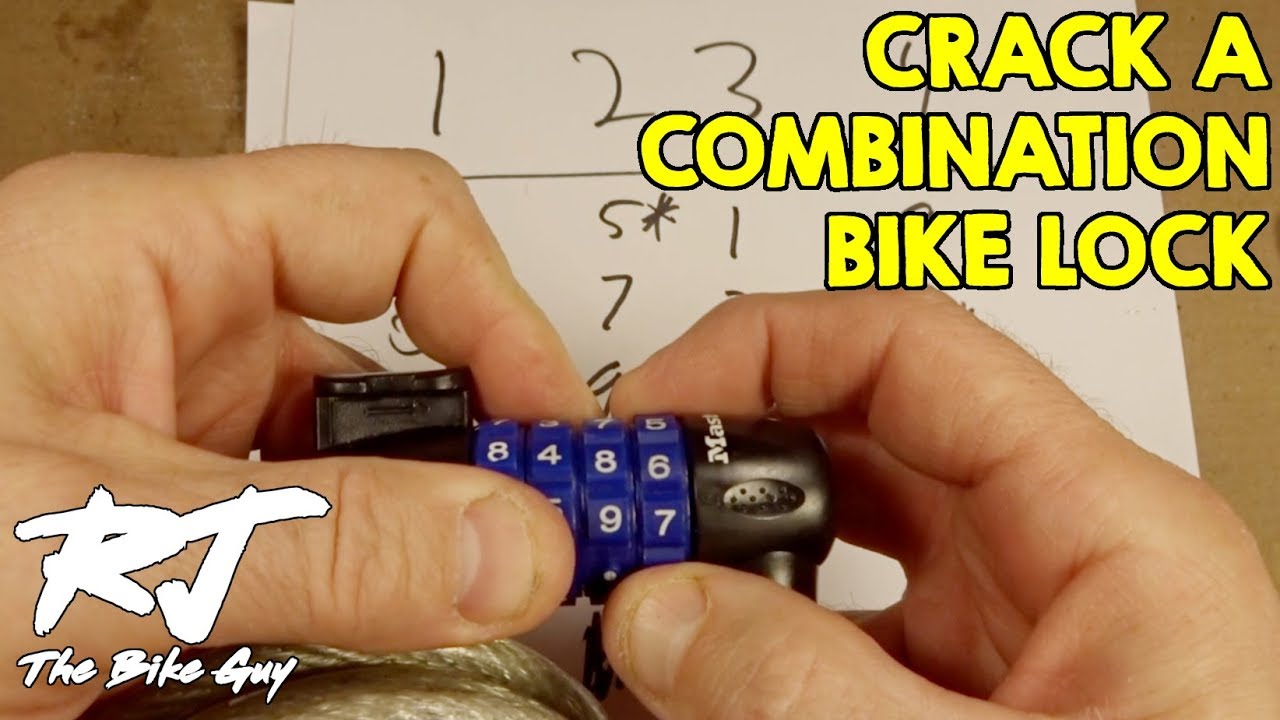
Feel And Sound Approach
Use your senses to detect small changes. Slowly turn the dial while gently pulling the lock. Listen for clicks or slight noises. Feel for a soft give or less resistance. These clues may hint at the correct number.
This method needs patience and a quiet place. The feel and sound approach uses subtle signals from the lock. It often works best on worn or older locks.
Using Visual Clues
Look closely at the lock’s dial and body. Check for scratches, worn numbers, or marks. These signs may show the correct combination. Use a flashlight to see details better.
Some locks show tiny scratches on the right numbers. Others may have faded paint on used digits. Visual clues give hints without guesswork.
Credit: www.youtube.com
Tips For Faster Unlocking
Figuring out a combination bike lock can take time and focus. Using smart methods can make the process quicker. Small changes in your approach help you find the right numbers faster.
These tips will guide you through careful steps and smart habits. They keep you calm and organized during the search. This way, you avoid frustration and save effort.
Patience And Persistence
Stay calm and work slowly but surely. Rushing often leads to mistakes and confusion. Try each number carefully and listen for small clicks or changes.
Keep trying even if progress seems slow. Persistence often pays off. A steady pace beats random guessing every time.
Marking Progress
Use a small mark or note to track numbers you tested. This helps avoid repeating the same tries. A simple paper or phone note works well.
Marking progress saves time and keeps you organized. You can focus on new numbers without worry.
Avoiding Common Mistakes
Do not skip numbers or spin the dial too fast. Skipping can miss the right combination. Fast spinning may cause you to lose track.
Watch for false clicks or noises. Not all sounds mean the right number. Learn to tell the difference by paying close attention.
When To Seek Professional Help
Trying to open a combination bike lock can be frustrating. Sometimes, your efforts might not work, or the lock may be damaged. Knowing when to stop and ask for help saves time and stress. Professionals have the right tools and skills to handle tricky locks safely.
Signs You Should Stop
If the lock does not open after several attempts, pause. Forcing it might break the lock or damage your bike. Strange sounds or stiffness in the lock are warning signs. Scratching or bending the lock can make it harder to fix later. If you feel confused or stuck, step back and rethink your approach.
Finding A Locksmith
Choose a locksmith with experience in bike locks. Check online reviews or ask for recommendations from friends. Look for someone who can come quickly and work without damage. A professional locksmith uses tools that protect your bike and lock. Always confirm the locksmith’s credentials before hiring. Calling a pro can save your bike and your time.
Preventing Future Lockouts
Locking your bike protects it from theft. Forgetting the combination wastes time and causes stress. Preventing future lockouts saves you trouble and keeps your bike secure. Simple habits can help you avoid these problems. Here are some easy ways to keep your combination safe and accessible.
Recording Your Combination
Write down your lock’s combination in a safe place. Use a small notebook or a note app on your phone. Avoid storing it where others can see. Keep the record private but easy for you to find. This method helps you quickly check the code if you forget.
Using Smart Locks
Try smart bike locks with digital keys or apps. These locks use Bluetooth or codes saved on your phone. You do not need to remember numbers. They alert you if someone tries to break in. Smart locks add convenience and reduce chances of lockouts.
Setting Easy-to-remember Codes
Choose combinations that are easy to recall but hard to guess. Use birthdays, favorite numbers, or patterns on the lock dial. Avoid common sequences like 1-2-3-4 or 0-0-0-0. Simple codes save memory effort but keep your bike safe.

Credit: www.ebay.com
Frequently Asked Questions
How Do You Reset A Combination Bike Lock?
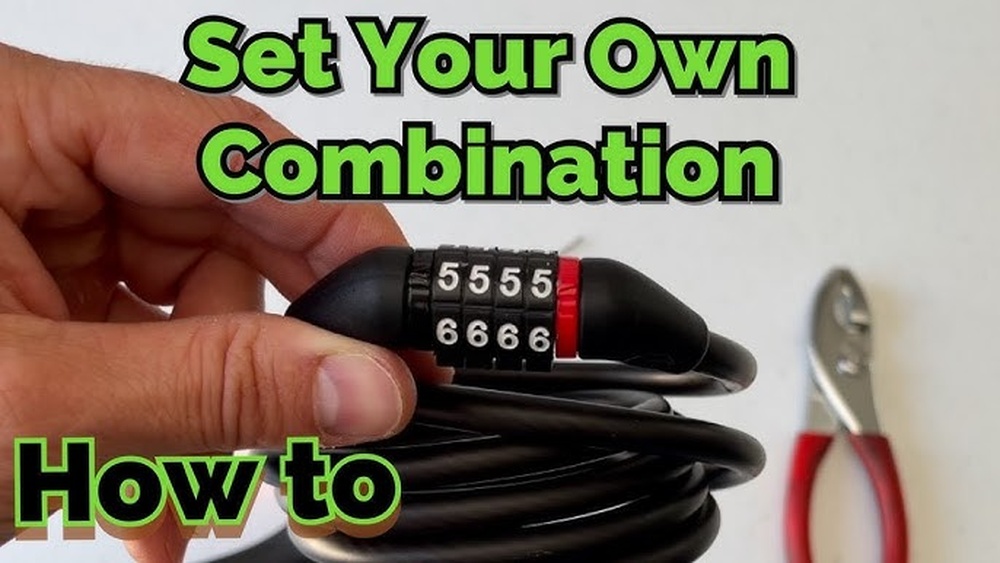
To reset a combination bike lock, align the dials to the current code. Then, pull up or press the reset lever. Set your new combination and return the lever to its original position. Always test the new code before locking.
What Is The Easiest Way To Crack A Combination Bike Lock?
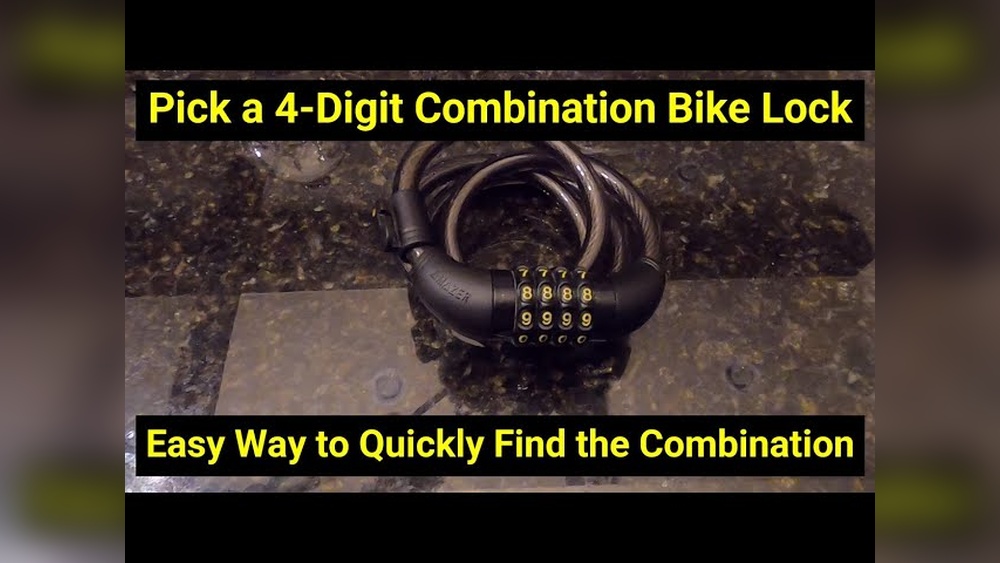
The easiest way is to try all combinations systematically. Start from 0000 and move up. Listen for subtle clicks or resistance changes. This method is time-consuming but effective if you forget the code.
Can I Change My Bike Lock Combination Anytime?
Yes, most combination bike locks allow you to change the code. Follow the manufacturer’s instructions carefully. Typically, you need to open the lock first, then use a reset mechanism to set a new code.
How Do I Find The Default Code For A New Bike Lock?
The default code is usually set to 0000 or 1234. Check the instruction manual or packaging for specifics. If unavailable, contact the manufacturer or retailer for assistance.
Conclusion
Figuring out a combination bike lock takes patience and practice. Start by turning the dial slowly and watch for clicks or resistance. Keep track of the numbers you try. Stay calm and focused during the process. Once you find the right sequence, the lock will open easily.
This skill helps keep your bike safe without stress. Remember, careful steps make the task simple and quick. Try these tips, and you will succeed.