Are you struggling to find the right size boxing gloves that fit comfortably and protect your hands? Choosing the correct glove size is more important than you might think—it affects your performance, safety, and overall training experience.
If your gloves are too big, they can slip and cause injury. If they’re too small, they’ll squeeze your hands and limit your movement. In this guide, you’ll learn simple, practical steps to measure your hand and pick the perfect glove size for your weight and training goals.
Keep reading to make sure your gloves work with you, not against you.
Credit: www.dickssportinggoods.com
Boxing Glove Basics
Choosing the right boxing gloves starts with understanding the basics. Gloves protect your hands and your opponent during training and fights. Different gloves serve various purposes, so knowing the types and sizes helps you select the best fit. Proper gloves improve comfort and performance.
Boxing glove size depends on many factors. Weight, padding, and hand size all affect your choice. Gloves that are too big or too small can cause injury. Learning the basics makes finding the right gloves easier and safer.
Types Of Boxing Gloves
There are several types of boxing gloves for different uses. Training gloves are designed for daily practice and heavy bag work. They offer good padding and wrist support.
Sparring gloves provide extra padding to protect both you and your partner. These gloves reduce the impact of punches during practice fights.
Competition gloves are lighter and less padded. They allow faster punches but offer less protection. These gloves are used in official matches.
Weight Vs Size
Boxing gloves are measured in ounces, which indicates their weight and padding. Common weights range from 8 oz to 16 oz. Lighter gloves have less padding and are used for competition or speed training.
Heavier gloves have more padding, making them ideal for sparring and protection. Your body weight and training style guide your glove weight choice. For example, a heavier person often needs heavier gloves for safety.
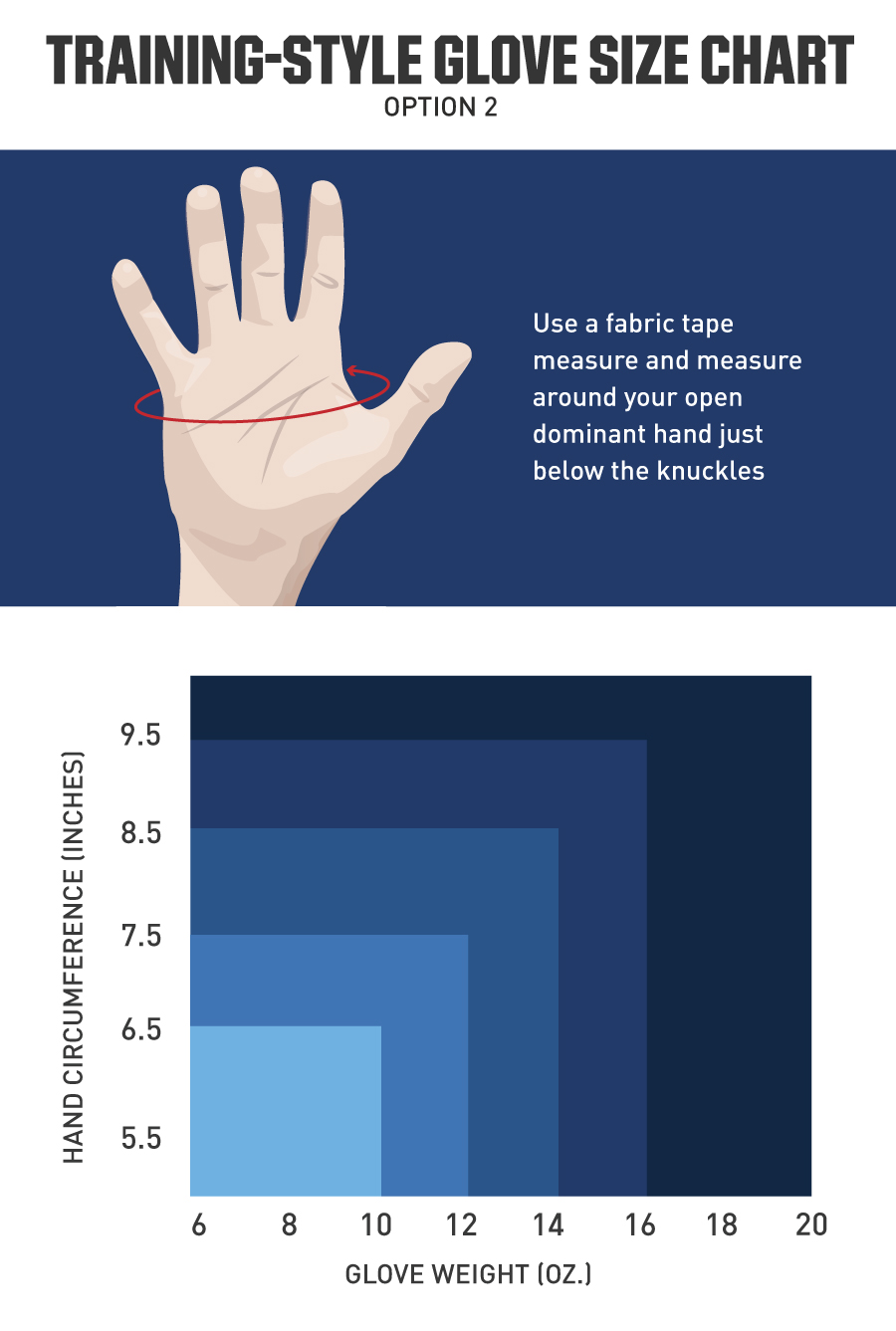
Size refers to the glove’s fit on your hand. Measure your hand circumference below the knuckles to find the right size. A good fit should feel snug without squeezing your hand too tightly.
Measuring Your Hand
Measuring your hand is a key step to find the right size boxing gloves. Accurate measurement ensures comfort and protection during training. It helps you select gloves that fit your hand shape and size well. This section explains simple ways to measure your hand properly.
Using A Tape Measure
Start with a soft fabric tape measure. Wrap it around your dominant hand’s knuckles, excluding the thumb. Keep the tape snug but not tight. Note the measurement in inches or centimeters. This number helps choose glove size charts. Most brands use hand circumference as a size guide.
Alternative Methods
If you lack a tape measure, use a string or strip of paper. Wrap it around the knuckles like a tape. Mark where the string overlaps. Lay the string flat and measure with a ruler. This method provides a close estimate of your hand size. It works well for quick measurements.
Importance Of Hand Wraps
Always measure your hand with hand wraps on. Hand wraps add padding and change hand size slightly. Measuring with wraps gives a better fit for gloves during training. Gloves should fit snugly over the wraps, not too tight or loose. This practice protects your wrists and knuckles.
Choosing Glove Weight
Choosing the right glove weight is key to effective boxing training. The glove weight affects your speed, power, and protection. Different activities require different glove weights. Picking the right one helps improve your skills and keeps you safe.
For Bag Work
Bag work needs lighter gloves. Usually, 10 to 12-ounce gloves work best. They let you punch fast and build endurance. Lighter gloves reduce hand fatigue during long sessions. They also help improve your technique and speed.
For Sparring
Sparring calls for heavier gloves. Gloves weighing 14 to 16 ounces offer more padding. This padding protects both you and your partner. Heavier gloves slow punches slightly, helping avoid injuries. They also help build strength and stamina over time.
All-purpose Gloves
All-purpose gloves suit various training types. Gloves around 12 to 14 ounces balance speed and protection. They work for bag work, pad work, and light sparring. These gloves offer good versatility for many boxers.
Sizing By Body Weight
Choosing the right size boxing gloves is important for comfort and safety. One simple way to find your glove size is by using your body weight. This method helps match glove weight (in ounces) to your size, ensuring good protection and performance. Properly sized gloves protect your hands and your training partner’s hands during workouts and sparring sessions.
Weight-based Size Guide
Boxing gloves come in different ounce sizes, often ranging from 8 oz to 20 oz. The size you need depends mostly on your body weight. Here is a basic guide:
- Under 120 lbs: 8-10 oz gloves
- 120-150 lbs: 12 oz gloves
- 150-180 lbs: 14 oz gloves
- Over 180 lbs: 16-18 oz gloves
Smaller gloves are lighter and better for speed and bag work. Heavier gloves offer more padding, which is good for sparring and protection.
Adjusting For Training Type
Your training style affects glove size choice. For heavy bag workouts, lighter gloves help with faster punches and endurance. For sparring, heavier gloves provide extra padding to reduce injury risk. General training often uses gloves between 12 and 16 oz for a balance of protection and speed. Always pick gloves that fit your training needs and body weight for best results.
Fit And Comfort Tips
Finding boxing gloves that fit well and feel comfortable is key for effective training. Gloves that fit right protect your hands and wrists from injury. They also improve your performance by allowing natural movement. This section shares simple tips to help you choose gloves that feel just right on your hands.
Snug Vs Loose Fit
Boxing gloves should fit snug, not tight or loose. A snug fit keeps your hand stable inside the glove. Loose gloves cause your hand to move, risking injury. Your fingers should not feel cramped or squeezed. There should be enough room to make a fist comfortably. A glove that is too tight or too loose can distract you while training.
Trying Gloves On
Always try gloves on before buying. Wear the hand wraps you use for training. This gives the true feel of the glove fit. Move your fingers and make a fist several times. Check if the glove feels secure around your wrist. Test the glove’s padding by lightly punching the air. This helps you judge comfort and protection. Walk around with the gloves on to sense the weight and balance.
Handling Between Sizes
If you are between two sizes, choose based on glove use. For sparring, pick the larger size for more padding. For bag work, a smaller size can offer better control. Consider the glove brand, as sizes may vary slightly. Use hand wraps to fill extra space if the gloves feel loose. Avoid gloves that are too tight, which can reduce blood flow. When in doubt, try both sizes to find the best comfort.

Credit: www.smai.com
Material And Padding
Choosing the right boxing gloves means paying close attention to their material and padding. These two factors affect comfort, protection, and durability. The padding absorbs impact, protecting your hands and your sparring partner. The material influences how long the gloves last and how they feel during use.
Types Of Padding
Boxing gloves use different types of padding. Foam padding is common and offers good shock absorption. It helps reduce hand injuries during training or fights.
Gel padding provides extra comfort and better impact distribution. It molds to your hand shape, giving more protection and support.
Cotton padding is soft but wears out faster. It is less common but can add extra comfort for light training.
Some gloves combine foam and gel padding. This mix balances protection and comfort for various training styles.
Glove Material Options
Leather gloves are durable and last longer. They allow your hands to breathe, reducing sweat and odor. Leather is often the best choice for serious boxers.
Synthetic leather gloves cost less but wear out faster. They are a good option for beginners or casual users.
Vinyl gloves are the cheapest and least durable. They suit light use or occasional workouts.
Look for gloves with quality stitching and lining. This improves comfort and extends glove life.
Glove Maintenance
Proper glove maintenance extends the life of your boxing gloves. It keeps them clean, fresh, and comfortable for every session. Taking care of your gloves also prevents bad odors and bacteria buildup. Simple daily habits help preserve your investment and improve your training experience.
Cleaning Tips
Wipe your gloves inside and out after each use. Use a clean, damp cloth to remove sweat and dirt. Avoid soaking gloves in water or using harsh chemicals. Let gloves air dry completely before storing. Use glove deodorizer sprays or place dryer sheets inside to reduce odor. Clean gloves regularly to prevent bacteria and mold growth.
Storage Advice
Store gloves in a cool, dry place away from direct sunlight. Avoid leaving gloves in your gym bag for long periods. Use a breathable bag or open space to allow air circulation. Keep gloves separated to avoid crushing or deforming them. Proper storage maintains glove shape and prevents material damage over time.

Credit: www.dickssportinggoods.com
Common Mistakes To Avoid
Choosing the right size boxing gloves is crucial for comfort and safety. Many beginners make simple mistakes that affect their training and performance. Avoiding these common errors helps ensure gloves fit well and protect your hands properly. Below are frequent pitfalls to watch out for.
Ignoring Proper Fit
Some boxers pick gloves that feel loose or too tight. Gloves must fit snugly but not squeeze your hand. Loose gloves increase injury risk during punches. Tight gloves cause discomfort and limit movement. Always try gloves on and test your hand movement. Proper fit improves control and reduces hand fatigue.
Choosing Based On Style Alone
Gloves come in many styles and colors. Choosing only by style looks cool but can be wrong for your needs. Different gloves suit bag work, sparring, or competitions. Each purpose requires a specific size and padding. Focus on glove function first. Style should be a secondary choice after fit and purpose.
Frequently Asked Questions
How Do I Know My Boxing Glove Size?
Measure your dominant hand’s circumference below the knuckles with a tape. Match your weight and training type to glove ounces. Try gloves with hand wraps for a snug fit, choosing smaller for tightness or larger for comfort.
Should I Get 12oz Or 14oz Boxing Gloves?
Choose 12oz gloves for speed, bag work, and agility. Opt for 14oz gloves for sparring, better protection, and endurance building. Consider your weight and training type for the best fit. Always try gloves on with hand wraps to ensure comfort and snugness.
Do I Want 8oz Or 10oz Boxing Gloves?
Choose 8oz gloves for speed and bag work. Pick 10oz gloves for sparring and better hand protection. Match gloves to your weight and training.
Is Xl Boxing Gloves 16 Oz?
XL boxing gloves are not always 16 oz. Glove weight depends on brand and purpose, ranging from 8 oz to 20 oz. Always check specific product details.
Conclusion
Choosing the right boxing gloves improves comfort and safety. Measure your hand and consider your training type. Heavier gloves protect more but feel slower. Lighter gloves help with speed but offer less padding. Try different sizes before making a final choice.
Proper fit helps prevent injuries during workouts. Remember, good gloves support your progress in boxing. Keep these tips in mind for the best experience. Your hands will thank you every time you train.