
Have you ever stood in front of your old bike, staring at the lock, completely unsure of the combination? It’s frustrating, isn’t it?
You know your bike is waiting, but without that combo, it feels like a mystery you can’t solve. What if you could crack that code yourself, without calling a locksmith or buying a new lock? You’ll discover simple, effective ways to find the combo for your old bike lock.
Keep reading, and you’ll soon have the freedom to unlock your bike and ride away.

Credit: www.reddit.com
Types Of Old Bike Locks
Old bike locks come in many types. Knowing the type helps find the combo or key. Each lock has different designs and parts. Understanding these makes opening the lock easier.
Some old locks look simple but hide complex mechanisms. Others are built strong with heavy materials. Learning about these types saves time and effort.
Common Lock Designs
Old bike locks often follow a few common designs. The U-lock is one popular type. It has a U-shaped metal bar and a locking mechanism. Chain locks use heavy chains and a padlock. Cable locks have a flexible metal cable covered in plastic.
Combination locks use rotating dials or discs. You must align the correct numbers or letters. Some older locks have keyholes but also combination options. Recognizing these designs helps identify the lock type quickly.
Materials And Mechanisms
Most old locks use steel or iron for strength. Some have brass or nickel parts to avoid rust. Inside, mechanisms vary a lot. Pin tumbler systems use pins that match the key. Disc tumbler locks have rotating discs controlled by the combo.
Springs and levers are common inside older locks. These move when the right combo or key fits. Understanding the materials and mechanisms guides safe attempts to open the lock. It also helps avoid damage during the process.
Gathering Tools And Materials
Gathering the right tools and materials is the first step to find the combo for an old bike lock. It makes the process easier and faster. Having everything ready prevents frustration and saves time. Below are the key items and safety tips to prepare before starting.
Essential Items Needed
Start with a small flashlight to see the lock clearly. A pen and paper help to note down any numbers or patterns. Use a tension wrench or a flathead screwdriver to gently turn the lock dial. A set of lock picks or a shim may come in handy for tricky locks. Gloves protect your hands from dirt and minor cuts. A magnifying glass helps spot tiny marks or scratches on the lock.
Safety Precautions
Always work in a well-lit area to avoid mistakes. Wear gloves to protect your skin from sharp edges. Avoid forcing the lock dial to prevent damage. Keep tools away from children and pets. Take breaks if you feel tired to stay focused. Handle lock picks carefully to avoid injury or breaking the lock mechanism.
Inspecting The Lock
Inspecting the lock is the first step to find the combo for an old bike lock. This helps you gather important details about the lock. These details can guide you in recovering or guessing the combination. Start with a careful look at the lock’s surface and structure. Small marks or numbers can be very helpful. Also, check if the lock shows signs of wear or damage. These signs might give clues about how the lock was used or if it has been tampered with.
Checking For Model Numbers
Look closely at the lock for any model numbers. These numbers are often printed or engraved on the lock body. Model numbers help identify the lock brand and type. You can use this information to find manuals or guides online. These guides sometimes list default combinations or tips for resetting the lock. If the number is hard to see, try cleaning the lock gently. Use a soft cloth to remove dirt or rust.
Identifying Wear And Damage
Check the lock for signs of wear or damage. Worn areas might show where the lock is most used. Damage could mean the lock was forced or tampered with. Look for scratches, dents, or rust spots. These may affect how the lock works. Sometimes, worn numbers on the dials hint at common positions in the combo. Rust can make the lock stiff. Clean and lubricate it carefully to test if it moves smoothly.
Credit: www.youtube.com
Basic Methods To Find The Combo
Finding the combination for an old bike lock can be simple with a few basic methods. These techniques do not need special tools. They rely on your senses and patience. Understanding the lock’s mechanics helps a lot. Start slow and pay close attention to small changes. This approach often leads to success.
Listening For Clicks
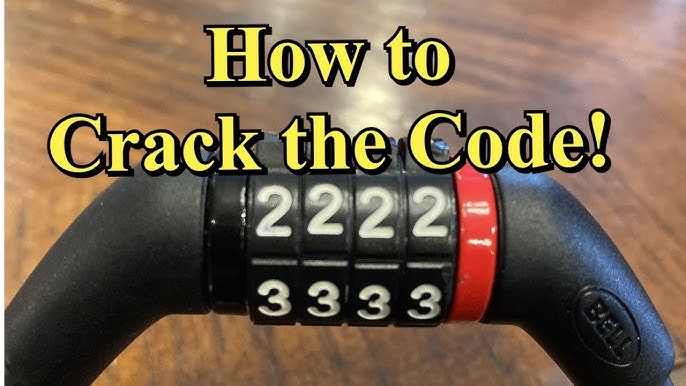
Turn the dial slowly while holding the lock close to your ear. You may hear soft clicks at certain numbers. Each click can mean the correct number for that part of the combo. Stop and note the number when a click sounds clear. Repeat this for each number in the sequence. This method works best in quiet places.
Feeling For Resistance
Turn the dial gently and notice any resistance or stickiness. The lock may feel tighter at correct numbers. Move the dial slowly back and forth to sense these changes. Mark the numbers where resistance appears. These points often form the combination. This method needs patience and a steady hand.
Using Trial And Error Efficiently
Trying to find the combination for an old bike lock can take time. Using trial and error efficiently saves effort and frustration. It helps you test numbers in a smart way, reducing the total tries. Follow simple steps to stay organized and quick.
Organizing Number Sequences
Start by writing down all possible numbers. Arrange them in order from lowest to highest. This way, you will not repeat any number twice. Break the total numbers into smaller groups for easy handling. Keep track of which sequences you have tried. Use a notebook or a simple chart to mark tested numbers.
Tips To Speed Up The Process
Turn the dial slowly and listen for subtle clicks. These sounds may hint at the correct number. Avoid skipping numbers to prevent missing the combination. Use your finger to feel for resistance on the dial. Take short breaks to stay focused and avoid mistakes. Stay patient and keep your testing method steady.
Advanced Techniques
Advanced techniques help reveal the combination of an old bike lock. These methods need patience and careful handling. They go beyond simple guessing and use smart tools and tricks. Let’s explore some effective ways to try.
Applying Lubricants
Lubricants make the lock’s mechanism smoother. Use a small amount of oil or spray designed for locks. This reduces friction inside the lock. It helps you feel the subtle clicks as you turn the dial.
Turn the dial slowly while listening and feeling for slight changes. These changes can hint at the right numbers. Lubrication also protects the lock from rust and wear.
Using Magnets Or Tools
Magnets can affect parts inside some old locks. Place a strong magnet near the lock body. Slowly turn the dial and watch for any movement or sound changes. These clues guide you toward the combo.
Special tools, like tension wrenches or picks, can help too. Use gentle pressure to detect the lock’s internal clicks. Tools require practice but can be very helpful.
When To Seek Professional Help
Trying to find the combination for an old bike lock can be frustrating. Sometimes, it is best to know when to stop and ask for help. This saves time and prevents damage to your lock or bike.
Signs You Should Stop
If you have tried many times without success, it is a clear sign. Forcing the lock can break it or harm your bike. If the lock feels stuck or rusty, it might need special tools. Feeling stressed or impatient? Taking a break or seeking help is smart. Continuing to guess endlessly may waste your effort and cause more harm.
Finding A Locksmith
A locksmith has the right tools and skills to open old locks safely. They can help without damaging your bike or lock. Look for a local locksmith with good reviews. Ask if they have experience with bike locks. Hiring a professional can save time and stress. It also keeps your bike safe and secure.
Preventing Future Lock Issues
Old bike locks can be tricky if you lose the combination. Avoid future problems by taking simple steps now. Protect your lock and keep it working well. Small actions can save time and frustration later.
Recording Your Combination
Write down your lock combination clearly. Keep the note somewhere safe and easy to find. Avoid storing it on your phone only. A paper copy works well as a backup. This prevents forgetting or losing your code. Check the note often to make sure it is legible.
Maintaining Your Lock
Clean your lock regularly to stop dirt build-up. Use a soft brush or cloth for cleaning. Apply a little lubricant inside the lock mechanism. This keeps the parts moving smoothly. Avoid harsh chemicals that could damage the lock. Store the bike in a dry place to prevent rust. Regular care helps your lock last longer and work better.

Credit: www.ebay.com
Frequently Asked Questions
How Can I Find The Combo Of An Old Bike Lock?
To find the combo, try common combinations like 0000 or 1234 first. If unsuccessful, slowly rotate each dial while applying tension to feel the correct numbers.
Is It Possible To Reset A Bike Lock Combination?
Most bike locks don’t allow resetting without the current combo. Check the lock’s manual or contact the manufacturer for specific reset instructions if available.
What Tools Help In Opening A Bike Lock Without The Combo?
You can use lock picking tools, shim kits, or bolt cutters. Use these only if you own the lock or have permission, as improper use is illegal.
Can I Guess The Combination Based On The Lock’s Age?
Yes, older locks often use simple combos like repetitive numbers or sequences. Start with easy patterns before trying complex combinations.
Conclusion
Finding the combo for an old bike lock takes patience and care. Try common number patterns or personal dates. Feel the lock’s clicks as you turn each dial. Small steps lead to success. Keep calm and test each possibility carefully.
This simple method often helps you find the right code. With time and focus, you can open your bike lock safely. Don’t rush; every try brings you closer to the solution. Your old bike will be ready to ride again soon.


