Choosing the right boxing glove size can feel confusing, especially if you’re just starting out or upgrading your gear. But getting the perfect fit is crucial—not only for your comfort but also for your safety and performance in the ring.
You don’t want gloves that are too tight and cut off circulation, or gloves that are too loose and compromise your punches. In this guide, you’ll learn simple, step-by-step methods to measure your hand and match your size with the right glove weight.
By the end, you’ll know exactly what to look for so you can train harder, punch smarter, and protect your hands every time you step into the gym. Keep reading to find your ideal boxing glove size and take your training to the next level!
Measuring Your Hand
Finding the right boxing glove size starts with measuring your hand correctly. Accurate measurement ensures comfort, protection, and better performance during training or fights. There are simple ways to measure your hand at home using common tools.
Using A Tape Measure
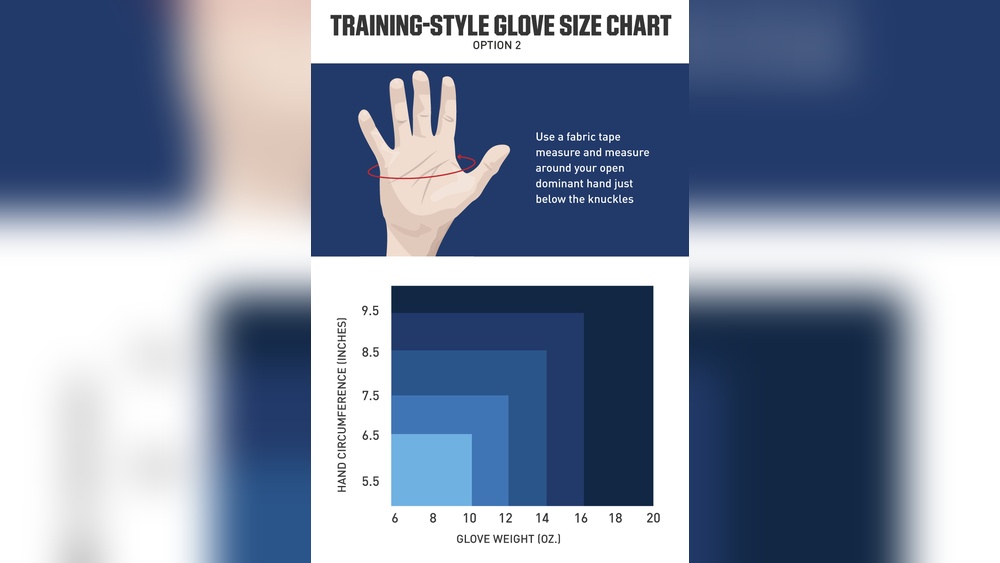
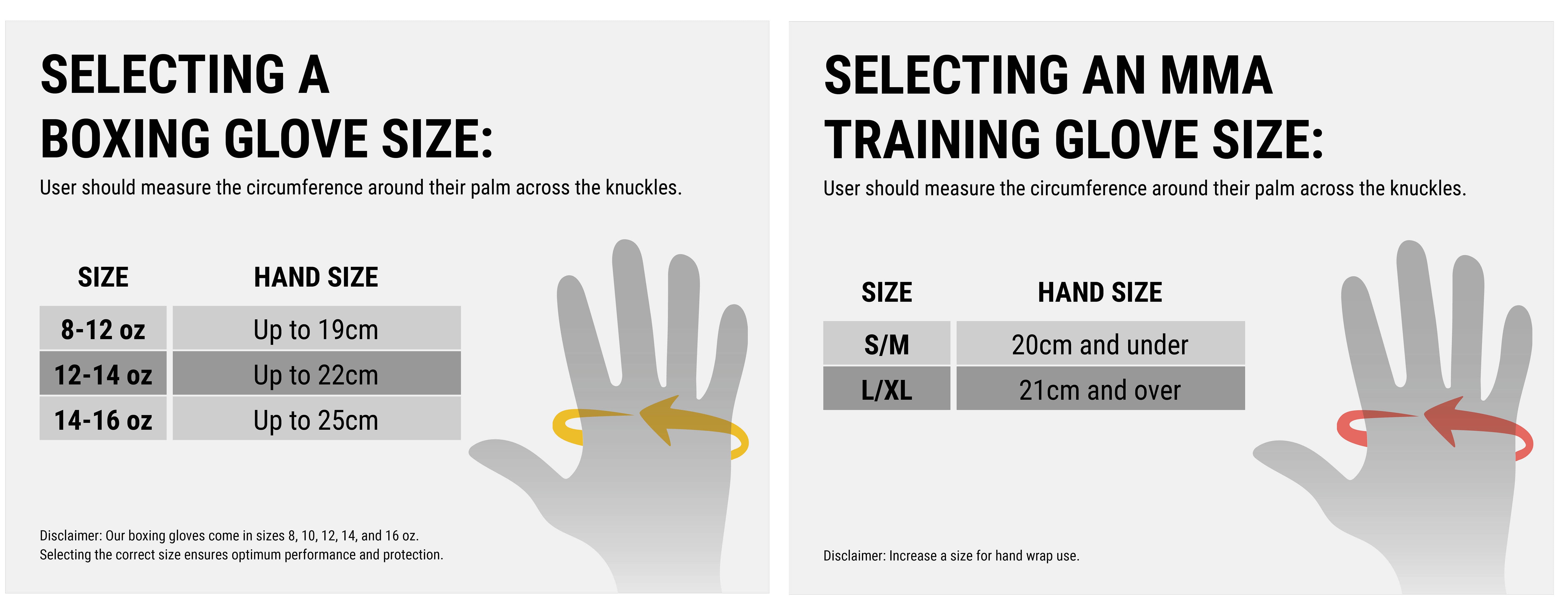
Wrap a soft tape measure around the widest part of your hand. This is usually just below the knuckles, excluding the thumb. Keep the tape snug but not tight. Note the measurement in inches or centimeters. This number helps determine your glove size.
Measuring With String
If you do not have a tape measure, use a piece of string or thread. Wrap it around your hand at the knuckles. Mark where the string overlaps. Lay the string flat on a ruler to get the length. This method gives a close estimate of your hand size.
Including Hand Wraps
Some boxers wear hand wraps under gloves. Measure your hand while wearing wraps for a more accurate size. Wrap your hand as you would before boxing. Then, measure around the knuckles with a tape or string. This helps choose gloves that fit over the wraps comfortably.

Credit: www.smai.com
Weight And Glove Size
Choosing the correct boxing glove size depends heavily on your weight. Weight affects the glove’s fit and protection. Gloves that fit well reduce injury risk and improve performance. Understanding how your body weight links to glove size helps you pick the right gloves.
Body Weight Considerations
Your body weight is a key factor in selecting glove size. Heavier boxers need larger gloves for better hand and wrist support. Lighter boxers often use smaller gloves for agility and speed. Always match glove size with your weight for comfort and safety.
Training Type Impact
Training style also changes glove size choice. For heavy bag work, smaller gloves with less padding work well. Sparring needs bigger gloves to protect both you and your partner. Competition gloves are usually lighter and smaller to allow faster punches.
General Weight Guidelines
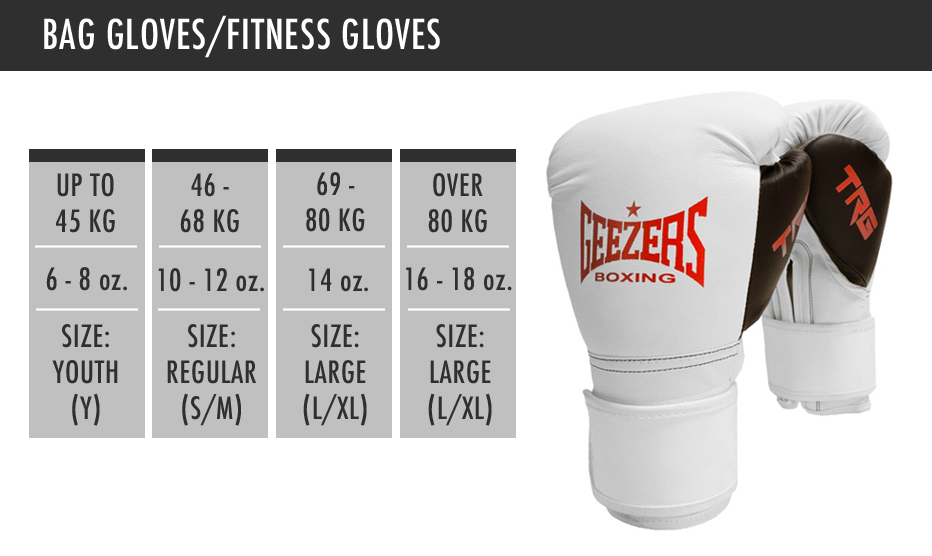
- Under 120 lbs: 8-10 oz gloves
- 120-150 lbs: 10-12 oz gloves
- 150-180 lbs: 12-14 oz gloves
- Over 180 lbs: 14-16 oz gloves
These guidelines help find a good starting point for glove size. Adjust based on hand size and training needs. Proper glove weight ensures better protection and performance.
Ounce System Explained
The ounce system is key to understanding boxing glove sizes. Gloves come in different weights measured in ounces (oz). These numbers tell you about the glove’s weight and padding thickness. This system helps boxers pick gloves that fit their needs and style.
What Does Ounces Mean
The ounce number shows the glove’s weight, not just size. It indicates how much padding is inside. A higher ounce means heavier gloves with more padding. A lower ounce means lighter gloves with less padding. For example, 8 oz gloves are lighter than 16 oz gloves.
Padding Differences
Gloves with more ounces have thicker padding. More padding means better hand protection. It also helps protect your sparring partner. Gloves with fewer ounces have thinner padding. These gloves feel lighter and offer more speed but less protection.
Choosing Based On Usage
Pick gloves based on your boxing use. For training and sparring, heavier gloves like 14 oz or 16 oz are safer. For competition, lighter gloves such as 8 oz or 10 oz are common. Beginners should choose gloves with more padding for safety. Professionals may select gloves based on their weight class and rules.
Types Of Training Gloves
Boxing gloves come in different types for various training needs. Choosing the right type helps protect your hands and improves your training. Knowing the differences makes selecting easier. Here are common types of training gloves.
Bag And Pad Work Gloves
These gloves are designed for hitting heavy bags and pads. They have firm padding to protect your knuckles. They are lighter than sparring gloves to allow faster punches. Bag gloves focus on durability and impact absorption. Using the right glove reduces hand injuries during intense workouts.
Sparring Gloves
Sparring gloves offer extra padding for safety during partner practice. They protect both you and your sparring partner from hard impacts. These gloves are usually heavier to slow down punches. The soft padding reduces the risk of cuts and bruises. Wearing sparring gloves helps build good technique safely.
All-round Gloves
All-round gloves are versatile for various training types. They balance padding and weight for bag work and light sparring. These gloves suit beginners and casual boxers. They offer good hand protection without being too bulky. All-round gloves are a practical choice for mixed training sessions.
Fitting Tips
Choosing the right boxing glove size means more than just measuring your hand. Proper fitting ensures safety and better performance. Follow these fitting tips to make sure your gloves feel right and protect your hands well.
Snugness And Comfort
Your gloves should fit snugly without squeezing too hard. Tight gloves can cut off blood flow and cause discomfort. Loose gloves may shift and offer less protection. Try on gloves with hand wraps to check how they feel during movement. Comfort helps you focus on training and avoid injuries.
Finger And Thumb Placement
Ensure your fingers fit naturally inside the glove. They should not feel cramped or too loose. The thumb must rest comfortably without bending awkwardly. Proper thumb placement prevents sprains and keeps your hand safe. Gloves with attached thumbs are best for added support and injury prevention.
Wrist Strap Adjustment
Adjust the wrist strap firmly to support your wrist. The strap should hold the glove in place without restricting blood flow. Good wrist support reduces the risk of sprains and improves punching power. Test the strap by making a fist and moving your wrist to find the best tightness.
Common Sizing Charts
Choosing the right boxing glove size ensures comfort and protection during training or fights. Common sizing charts help you pick gloves that fit well. These charts use simple measurements like hand size and body weight to guide your choice. Understanding these charts avoids guessing and improves your boxing experience.
Hand Circumference To Glove Size
Measure around your hand’s widest part, usually above the knuckles. Use a tape measure for accuracy. Match your hand circumference to the glove size chart. For example, a 7-inch hand may fit a 10 oz glove. This method works well for beginners and those wanting a snug fit.
Weight-based Charts
Boxing gloves also come in different weights measured in ounces (oz). These weights relate to glove size and padding thickness. Lighter gloves (8-10 oz) suit competition and speed work. Heavier gloves (12-16 oz) provide more padding for sparring and protection. Check your body weight against the chart to find the right glove weight.
Brand Variations
Different brands may size gloves slightly differently. Some brands run small or large compared to standard charts. Always check the specific brand’s size guide before buying. Trying gloves on or reading reviews helps confirm the fit. Brand variations can affect comfort and performance in the ring.
Additional Considerations
Choosing the right boxing glove size is important. Beyond size, some extra factors affect your experience. These details help you get gloves that last and feel good. Consider material, care, and when to change gloves. These points keep your hands safe and improve your training.
Material And Durability
Boxing gloves come in leather and synthetic materials. Leather gloves usually last longer and feel softer. Synthetic gloves cost less and are easier to clean. Check the stitching and padding quality. Strong materials and good construction mean gloves resist wear. Durable gloves protect your hands and save money over time.
Glove Maintenance
Cleaning gloves keeps them fresh and extends their life. Wipe gloves after every use with a dry cloth. Let them air dry in a cool, dry place. Avoid direct sunlight or heat to stop cracking. Use glove deodorizers or baking soda to reduce smell. Proper care prevents bacteria and keeps gloves comfortable.
When To Replace Gloves
Gloves wear out with use and lose protection. Replace gloves if padding feels thin or uneven. Tears or holes in the material mean less safety. Bad odor that won’t go away can signal damage inside. New gloves keep your hands safe and improve performance. Don’t wait too long to get a fresh pair.
Credit: sarvail.net
Credit: backseatmafia.com
Frequently Asked Questions
How Do I Know My Boxing Glove Size?
Measure your dominant hand’s circumference below the knuckles using a tape. Match glove size to your weight and training type. Larger gloves suit heavier users and sparring; smaller gloves fit lighter users and bag work. Try gloves with wraps for the best fit.
What Do 14 Oz Gloves Mean In Boxing?
14 oz boxing gloves weigh 14 ounces and offer moderate padding for training, sparring, and competition. They balance protection and speed.
What Does 10 Oz Of Boxing Glove Mean?
A 10 oz boxing glove weighs 10 ounces, offering moderate padding and protection. It suits lighter fighters and bag workouts.
How Big Are 12 Oz Boxing Gloves?
12 oz boxing gloves typically measure about 10-11 inches in length. They suit average hand sizes and offer moderate padding for training and light sparring.
Conclusion
Choosing the right boxing glove size protects your hands and improves training. Measure your dominant hand’s circumference carefully for the best fit. Match glove weight with your body size and workout type. Heavier gloves suit sparring, while lighter gloves work well for bag exercises.
A proper glove size boosts comfort and safety during practice. Take your time to find gloves that feel secure and supportive. This simple step helps you train better and avoid injuries. Keep these tips in mind for a confident boxing experience.