Is your dirt bike’s engine locked up, leaving you stuck and frustrated? You’re not alone, and the good news is that you can fix this problem yourself.
Understanding why your engine is locked and how to carefully unlock it can save you time and money. In this guide, you’ll learn simple, step-by-step methods to get your dirt bike running smoothly again. Keep reading—you’re just moments away from bringing your bike back to life.
Signs Of A Locked Engine
Recognizing the signs of a locked engine on a dirt bike helps prevent further damage. Early detection saves time and costly repairs. This section explains the common causes and symptoms to watch for in a locked engine.
Common Causes
Overheating is a top reason for engine lock. Poor maintenance lets dirt and grime build up inside. Lack of oil or dirty oil leads to friction and damage. Water entering the engine can cause parts to rust and seize. Mechanical failure, such as a broken piston or connecting rod, also causes locking.
Symptoms To Watch For
The engine may not turn over when you try to start it. The bike can feel very hard to kick start. Strange noises like grinding or clicking may come from the engine. Smoke or a burning smell signals internal damage. The engine might stop suddenly during a ride and will not restart.

Credit: www.youtube.com
Tools Needed For The Repair
Fixing a locked engine on a dirt bike requires the right tools. Using proper tools makes the repair easier and safer. This section lists the tools needed for the job. It helps prepare you before starting the repair.
Essential Hand Tools
Basic hand tools are a must-have for any engine repair. A set of wrenches in various sizes helps remove bolts and nuts. Screwdrivers with flat and Phillips heads are useful for many parts. Pliers help grip and twist small parts. A socket set speeds up bolt removal. A hammer can loosen stuck parts gently. Clean rags are handy for wiping grease and dirt. Gloves protect your hands during work.
Specialized Equipment
Some tasks need specialized tools for best results. A torque wrench ensures bolts tighten to correct pressure. A piston ring compressor helps remove and install piston rings. An engine stand or workbench holds the bike steady during repair. A breaker bar adds extra leverage to loosen tight bolts. A spark plug wrench fits and removes spark plugs easily. A compression tester checks engine cylinder pressure. These tools improve repair accuracy and safety.
Preparing The Dirt Bike
Start by checking if the engine is stuck due to rust or lack of oil. Gently move the engine parts by hand to loosen it. Clean and oil the engine to help it run smoothly again.
Safety Precautions
Start by making sure the bike is on a flat, stable surface. Wear gloves to protect your hands from dirt and sharp parts. Use safety glasses to guard your eyes from debris. Keep a fire extinguisher nearby in case of fuel spills. Disconnect the battery to avoid accidental starts or sparks. Have a clean workspace with good lighting to see all parts clearly.
Initial Inspection
Check the engine area for visible damage or leaks. Look for rust or corrosion on metal parts. Try to turn the engine by hand gently. Notice any unusual resistance or grinding sounds. Inspect the oil level and its condition. Examine the spark plug for dirt or wear. Identify any loose bolts or broken parts before starting repairs.
Credit: www.locksmiths.co.uk
Step-by-step Engine Unlocking
Fixing a locked engine on a dirt bike takes patience and care. Follow clear steps to loosen the engine safely. This guide shows you simple actions to try. Each step helps move the engine parts without damage.
Loosening The Engine Manually
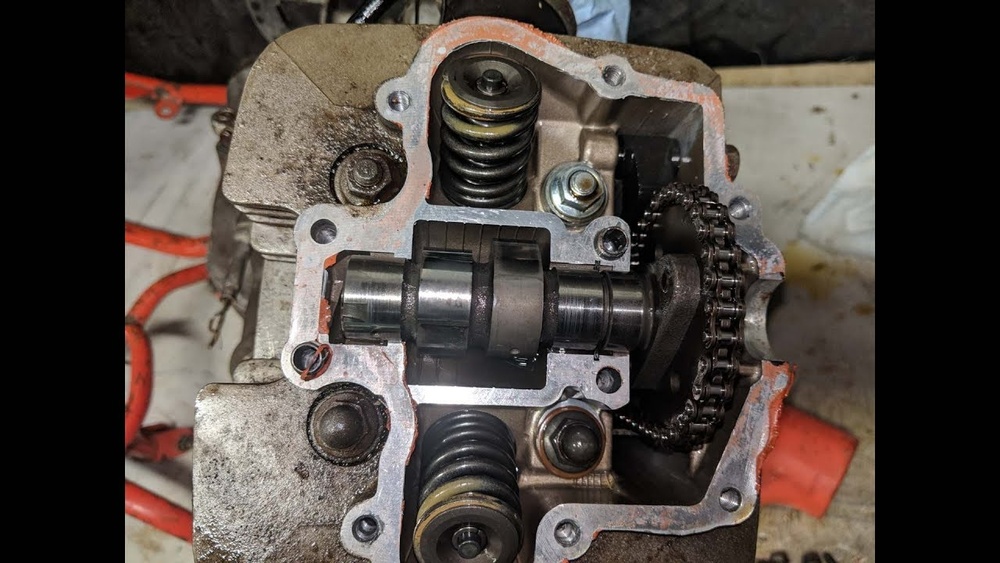
Start by trying to turn the engine by hand. Remove the spark plug first. This reduces compression and makes turning easier. Use a wrench on the crankshaft bolt. Turn gently back and forth. Do not force it hard. Small movements can free stuck parts.
Using Penetrating Oil
Apply penetrating oil to the engine parts. Focus on the crankshaft and cylinder areas. Let the oil soak for several hours or overnight. Oil seeps into rust and dirt. This helps loosen the stuck engine components. Repeat application if needed before trying to turn again.
Tapping And Turning Techniques
Lightly tap the engine with a rubber mallet or wooden block. Tap around the crankcase and cylinder head. This can break rust and debris inside. After tapping, try turning the crankshaft slowly. Alternate tapping and turning to work the engine free. Patience is key in this step.
Preventing Future Engine Locks
Preventing future engine locks on a dirt bike is key to keeping it running smoothly. Regular care and smart habits stop the engine from seizing again. Small steps can save you time and money on repairs.
Focus on simple routines. These keep your bike healthy and ready to ride.
Regular Maintenance Tips
Change the oil often. Old oil thickens and causes engine parts to stick. Use the oil type the bike maker suggests. Check oil levels before every ride. Clean or replace the air filter regularly. Dirt in the air filter can enter the engine and cause damage. Tighten all bolts and screws to avoid loose parts. Inspect the spark plug and replace if worn out. A bad spark plug can make the engine hard to start. Keep the cooling system clean and full. Overheating can cause the engine to lock.
Proper Storage Practices
Store the bike in a dry place. Moisture can cause rust inside the engine. Drain the fuel or add a fuel stabilizer if storing long-term. Old fuel can gum up engine parts. Keep the battery charged or disconnect it to avoid drainage. Cover the bike to protect it from dust and dirt. Run the engine occasionally during storage. This keeps the oil flowing and parts moving. Avoid leaving the bike unused for too long. Regular use helps prevent engine lock.
When To Seek Professional Help
Knowing when to seek professional help is key to fixing a locked engine on a dirt bike safely. Some problems are too complex or risky to handle alone. Recognizing the right time to ask for expert support can save you time and money.
Trying to repair severe engine damage without experience can cause more harm. Mechanics have the tools and skills to diagnose and fix tough issues properly. They also ensure your bike runs smoothly after the repair.
Signs Of Severe Damage
Engine parts that are broken or cracked need expert attention. Loud knocking sounds or smoke from the engine show serious issues. If the engine won’t turn at all, it might be locked tight inside. Oil that looks dirty or metal flakes in it means internal damage. These signs mean you should get professional help.
Cost Considerations
Repairing a locked engine can be expensive without the right tools and knowledge. Professionals can find the problem faster and avoid extra damage. Sometimes, the cost of parts and labor is high but worth it for a safe repair. Trying to fix it yourself may cost more if mistakes happen. Consider the repair cost against the bike’s value before deciding.

Credit: thebestbikelock.com
Frequently Asked Questions
What Causes A Dirt Bike Engine To Lock Up?
A dirt bike engine locks up due to lack of oil, overheating, or internal damage. Common causes include poor maintenance, debris in the engine, or mechanical failure. Identifying the cause is crucial for proper repair and prevention of future lockups.
How Can I Free A Locked Dirt Bike Engine?
To free a locked engine, first remove the spark plug. Then, apply penetrating oil into the cylinder and gently rotate the engine. Avoid forcing it, as this may cause damage. Repeat the process until the engine moves freely again.
Can I Fix A Locked Dirt Bike Engine Myself?
Yes, minor engine locks can be fixed at home with basic tools and knowledge. However, severe damage requires professional help. Always assess the problem carefully and follow safety measures before attempting repairs.
How To Prevent Engine Lock On A Dirt Bike?
Regular oil changes and proper maintenance prevent engine locks. Keep the cooling system clean and avoid running the engine without adequate oil. Inspect the engine frequently for signs of wear or damage.
Conclusion
Fixing a locked engine on a dirt bike takes patience and care. Start with simple steps and check each part carefully. Small problems can cause big issues, so don’t rush. Keep tools ready and follow safety rules. This way, you can get your bike running again.
Regular maintenance helps avoid engine locks in the future. Stay calm, work step by step, and you will succeed. Dirt biking stays fun when your engine works well.