Is your bike lock stuck or hard to open because of rust? You’re not alone.
Rust can make your lock frustrating and useless when you need it most. But don’t worry—fixing a rusted bike lock is easier than you think. You’ll discover simple, effective steps to bring your lock back to life. Keep reading, and you’ll save time, avoid buying a new lock, and protect your bike from theft.
Let’s get your lock working smoothly again!
Identify Rusted Areas
Finding rust on your bike lock is the first step to fixing it. Rust weakens the metal and can cause the lock to break. You need to check the lock carefully to spot all rusty spots.
Look closely at every part of the lock. Rust often appears as orange or brown patches. It may look like rough or flaky metal. These signs mean the lock needs cleaning and repair.
Check The Shackle
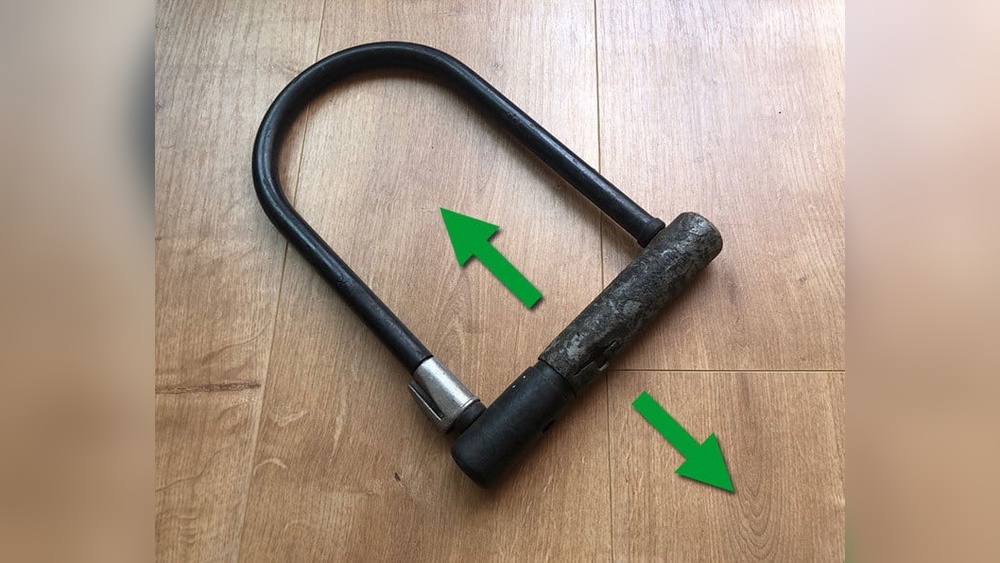
The shackle is the U-shaped part that goes around the bike frame. This part faces weather and rain the most. Look for any discoloration or rough texture here. Rust usually forms on the shackle first.
Inspect The Lock Body
The lock body holds the locking mechanism. It can also gather dirt and moisture. Check for rust spots or paint peeling. Rust can hide under dirt, so wipe the lock clean before checking.
Examine The Keyhole
Rust can build inside the keyhole, causing the lock to jam. Shine a light inside the keyhole. Look for any rust or dirt buildup. Use a small tool or brush to clear the area gently.
Look At Hinges And Moving Parts
Moving parts can rust and stop working properly. Test the lock by moving its parts. Listen for stiffness or grinding sounds. If parts feel stuck, rust might be the cause.
Credit: www.galaxus.at
Gather Necessary Tools
Before fixing a rusted bike lock, gather all the tools you need. Having the right tools makes the job easier and faster.
Prepare everything in one place. This helps avoid interruptions and frustration during the repair.
Rust Remover Or Wd-40
Choose a rust remover or WD-40 spray. These products help dissolve rust and loosen stuck parts.
Wire Brush Or Steel Wool
A wire brush or steel wool scrapes off rust flakes. Use these to clean the lock surface well.
Screwdriver Set
Get a small screwdriver set. Some locks have screws that you may need to open or adjust.
Cloth Or Rags
Use clean cloths or rags to wipe away rust and excess oil. Keep the lock dry and clean.
Lubricant Oil
Apply lubricant oil after cleaning. It protects the lock from future rust and keeps it smooth.
Clean The Lock Surface
Cleaning the surface of a rusted bike lock is the first step to restoring it. Dirt and rust buildup block the lock’s mechanism. Removing these deposits makes the lock easier to open and extends its life.
Start with basic cleaning tools and simple methods. This process prepares the lock for deeper rust removal and lubrication. A clean surface shows the true condition of the metal underneath.
Gather Cleaning Supplies
Collect a wire brush, cloth, mild soap, and water. Have some white vinegar or baking soda ready for rust treatment. Use gloves to protect your hands from sharp rust spots.
Remove Loose Dirt And Rust
Brush the lock with a wire brush to clear loose rust flakes. Wipe the surface with a damp cloth to remove dust and grime. Repeat until the lock looks cleaner.
Apply A Rust Cleaning Solution
Soak a cloth in white vinegar or apply baking soda paste to rusty areas. Let it sit for 10 minutes to break down rust. Scrub gently with the brush to lift stubborn rust spots.
Rinse And Dry Thoroughly
Wash the lock with clean water to remove cleaning agents. Use a dry cloth to wipe all moisture away. Ensure the lock is completely dry before moving to the next step.

Credit: www.youtube.com
Apply Rust Remover
Applying rust remover is a key step in fixing a rusted bike lock. Rust can make the lock stiff or unusable. Rust removers dissolve the rust and restore the metal’s surface. This process helps the lock work smoothly again.
Choose the right rust remover for your bike lock. Some removers come in gel form, while others are liquids. Both types work well but apply differently. Always follow the product instructions carefully for best results.
Prepare The Lock Surface
Clean the lock with soap and water first. Remove dirt and grease to help the remover work better. Dry the lock fully before applying the rust remover. This step makes sure the remover sticks to the rust spots.
Apply The Rust Remover
Use a brush or cloth to apply the remover. Cover all rusty areas completely. For gel removers, spread evenly and avoid dripping. Let the remover sit for the time stated on the label. This gives it time to break down rust.
Remove Rust Residue
After waiting, scrub the lock gently with a brush. This helps remove loosened rust particles. Rinse the lock with clean water to wash off residue. Dry the lock well to prevent new rust from forming.
Protect The Lock After Cleaning
Apply a light coat of oil or lubricant. This protects the metal and keeps the lock smooth. Regular lubrication stops rust from coming back fast. Store the lock in a dry place when not in use.
Scrub Away Rust
Scrubbing away rust is the key step to restore your bike lock’s function. Rust weakens the metal and makes the lock hard to open. Cleaning the rust helps protect the lock and makes it last longer.
Use simple tools and household items to scrub off the rust. The process is easy and does not take much time. A little effort goes a long way in fixing your rusted bike lock.
Gather Your Cleaning Materials
Start by collecting these items: a wire brush, steel wool, baking soda, and a cloth. These tools help remove rust from the lock’s surface. You might also need white vinegar or lemon juice for tough rust spots.
Apply A Rust Remover
Make a paste with baking soda and water or use vinegar. Spread it on the rusty areas of the lock. Let it sit for 10 to 15 minutes. This softens the rust and makes scrubbing easier.
Scrub The Rust Off
Use the wire brush or steel wool to scrub the lock gently. Work in small circles to remove rust flakes. Wipe away the rust particles with a clean cloth. Repeat if rust remains.
Rinse And Dry The Lock
Rinse the lock with clean water to remove leftover paste and rust. Dry it thoroughly using a towel. Make sure no moisture stays on the metal to avoid new rust forming.
Lubricate The Lock Mechanism
Lubricating the lock mechanism is a key step to fix a rusted bike lock. Rust blocks the moving parts inside the lock. This makes it hard or impossible to open. Applying lubricant helps loosen these parts. It also protects the lock from future rust. A well-lubricated lock works smoothly and lasts longer.
Choose The Right Lubricant
Use a lubricant made for locks or metal. Avoid heavy oils that attract dirt. Spray lubricants with a thin nozzle work best. They reach deep inside the lock. WD-40 or graphite powder are good choices. These help break down rust and free stuck parts.
Clean The Lock Before Lubricating
Remove dirt and loose rust from the lock first. Use a wire brush or cloth. Cleaning lets the lubricant work better. Dirt can block the spray and reduce its effect. A clean surface helps the lock move freely.
Apply Lubricant Properly
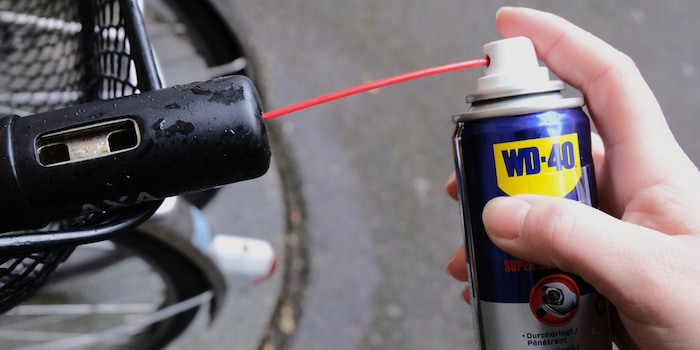
Insert the nozzle into the keyhole or shackle holes. Spray a small amount of lubricant inside. Let it sit for a few minutes. This time lets the lubricant soak in. Then, gently move the lock parts back and forth. This spreads the lubricant inside the mechanism.
Wipe Off Excess Lubricant
Use a clean cloth to wipe off extra lubricant. Excess oil can attract dust and dirt. Keeping the lock clean helps it stay smooth. Regular wiping after use keeps rust away longer.
Test The Lock Functionality
Testing the lock functionality is a key step after cleaning a rusted bike lock. It shows if the lock works smoothly or needs more care. This step helps avoid getting stuck outside your bike.
Careful testing lets you catch small problems early. It also confirms the lock is safe to use again. Simple checks save time and stress later.
Check The Key Insertion
Insert the key gently into the lock. It should slide in without force. If it feels stuck, avoid pushing hard. Try wiggling the key slightly to ease it.
Do not force the key. Forcing can break it inside the lock. If the key won’t enter smoothly, clean and lubricate again.
Turn The Key Slowly
After the key is inside, turn it slowly. The lock should turn without sudden stops. If it resists, it may still have rust inside.
Turn back and forth to loosen any stuck parts. Avoid turning with too much pressure. Gentle movements protect the lock’s mechanism.
Test The Locking And Unlocking
Try locking and unlocking the bike lock several times. Each action should feel smooth and easy. Listen for any unusual sounds like grinding or clicking.
Repeated tests help confirm the lock is reliable. If the lock jams, repeat cleaning or consider replacement.

Credit: thebestbikelock.com
Prevent Future Rust
Preventing rust on your bike lock extends its life and keeps it working smoothly. A rust-free lock saves time and effort in repairs. Simple habits protect your lock from moisture and dirt. Small steps make a big difference.
Keep Your Lock Dry
Water causes rust fast. Always dry your lock after rain or washing your bike. Use a cloth to wipe off water and moisture. Store the lock in a dry place when not in use. Avoid leaving it outside in wet weather.
Apply Protective Coating
Use a thin layer of oil or grease on your lock. This stops water from reaching the metal. Spray or rub lubricant on the keyhole and body. Repeat this every few weeks for best protection. Avoid thick coatings that attract dirt.
Store Your Lock Properly
Choose a dry, cool spot to keep your lock. Inside your home or garage works well. Do not leave it on the bike during bad weather. Use a lock cover or a plastic bag if needed. Good storage prevents rust and damage.
Clean Your Lock Regularly
Dirt and grime hold moisture on metal surfaces. Clean the lock with soap and water. Use a soft brush to reach tight areas. Dry thoroughly after cleaning. Regular cleaning lowers the chance of rust forming.
Frequently Asked Questions
How Do I Remove Rust From A Bike Lock?
Use a rust remover or white vinegar to soak the lock. Scrub gently with a wire brush or steel wool. Rinse and dry thoroughly to prevent further rusting. Repeat if necessary for heavy rust.
Can Wd-40 Fix A Rusted Bike Lock?
Yes, WD-40 can loosen rust and lubricate the lock mechanism. Spray it on the rusted parts and let it sit for a few minutes. Then, work the lock open and closed to distribute the lubricant.
What Homemade Remedies Remove Rust From Bike Locks?
White vinegar, baking soda paste, and lemon juice are effective. Apply the solution to the rusted area and scrub gently. Rinse and dry the lock completely afterward to avoid more rust forming.
How To Prevent Bike Lock Rust In The Future?
Keep the lock dry and clean after use. Apply a lubricant like WD-40 regularly. Store the lock indoors or under cover to protect it from rain and moisture.
Conclusion
Fixing a rusted bike lock is easier than you think. Use simple tools and household items to clean and protect it. Regular care helps keep your lock working well. Don’t let rust stop you from securing your bike. Taking small steps now saves time and money later.
Keep your bike safe with a strong, clean lock. Try these tips and enjoy smooth, rust-free locking every day.