You rely on your bike lock to keep your bike safe, but what happens when it breaks? A broken bike lock can leave you feeling stuck and frustrated.
The good news is, you don’t have to give up or buy a new one right away. In this guide, you’ll discover simple, practical steps to fix your broken bike lock quickly and easily. By the end, you’ll know exactly what to do to get your lock working again and protect your bike without spending a fortune.
Ready to take control and solve this problem? Let’s dive in.
Credit: ilockit.bike
Identify The Lock Type
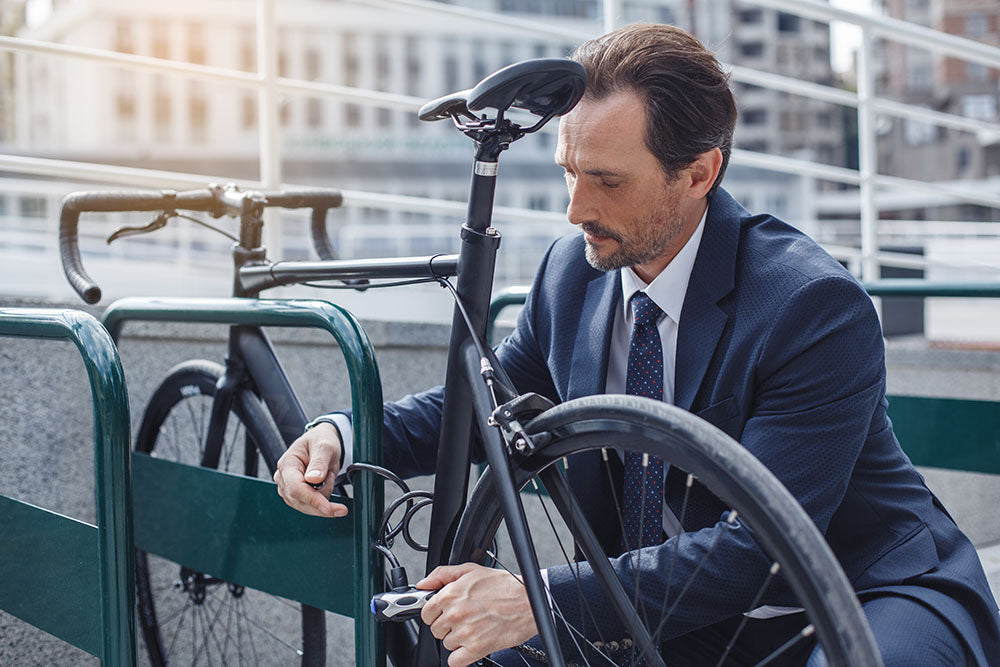
Knowing your bike lock type is the first step to fixing it. Different locks have different parts and ways to break. Identifying the lock type helps you find the right tools and steps to repair it. This section explains common bike lock types and how to check for damage.
Common Bike Lock Types
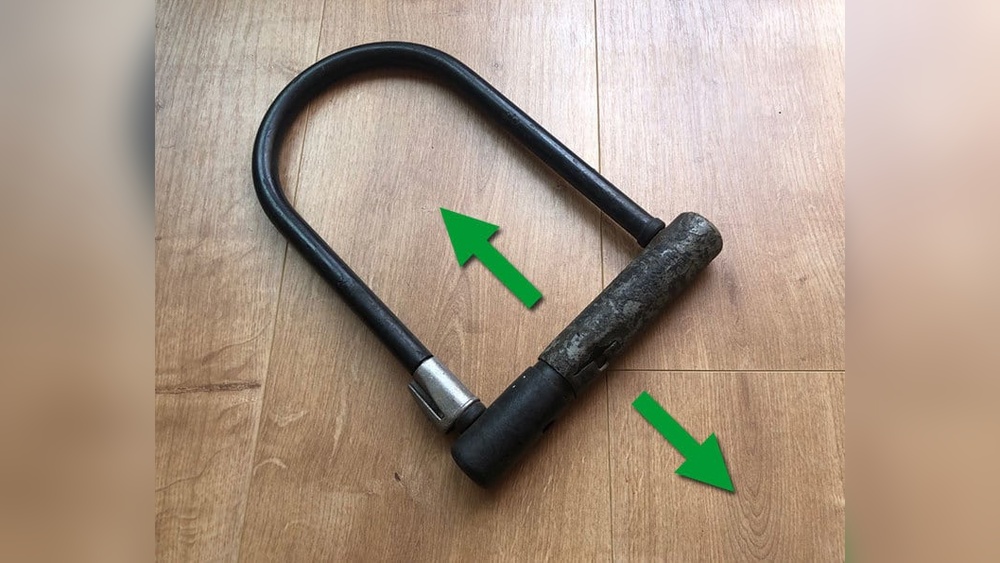
There are several common bike lock types. U-locks are shaped like a “U” and are very strong. Cable locks use a flexible metal cable covered in plastic. Chain locks have heavy metal links and a padlock. Folding locks consist of metal bars linked by rivets. Each type has different repair needs.
Assessing Damage
Look closely at your lock to see what is broken. Check if the key turns or if the lock opens easily. Look for rust, cracks, or bent parts. Notice if the cable or chain is cut or frayed. Knowing the damage helps decide if repair is possible or if replacement is better.

Credit: thebestbikelock.com
Gather Essential Tools
Fixing a broken bike lock requires the right tools. Having these tools ready saves time and effort. It helps you work safely and effectively. Gather everything before starting the repair.
Basic Repair Tools
Start with simple tools. A screwdriver set is important for screws. Pliers help to grip and twist parts. A wrench can loosen or tighten bolts. A lubricant spray frees stuck parts. A small hammer can tap stuck pieces gently. These tools cover most lock repairs.
Safety Equipment
Protect yourself during repairs. Wear safety glasses to shield your eyes. Gloves protect your hands from sharp edges. Use a mask if working with sprays or dust. A clean workspace reduces accidents. Safety makes repair easier and faster.
Clean And Lubricate The Lock
Cleaning and lubricating your bike lock is a key step to fix it. Dirt and dust can block the lock mechanism. Lubrication helps the lock parts move smoothly. This process can stop the lock from sticking or jamming.
Removing Dirt And Debris
Start by wiping the lock’s surface with a dry cloth. Use a small brush to clean inside the keyhole. A toothpick or pin can remove stubborn dirt. Avoid using water, as it can cause rust. Clear away all visible dirt to open the lock smoothly.
Choosing The Right Lubricant
Pick a lubricant made for locks or bikes. Graphite powder is dry and does not attract dirt. Silicone spray works well for metal parts. Avoid oil-based lubricants that can gum up the lock. Apply a small amount inside the keyhole and on moving parts. This helps the lock work freely and last longer.
Credit: www.youtube.com
Fixing Jammed Or Stuck Locks
A jammed or stuck bike lock can cause real frustration. It stops you from securing your bike or getting it free. Many times, the lock’s mechanism gets dirty or misaligned. Fixing these issues can bring the lock back to life. This section explains simple ways to free and realign your bike lock.
Freeing The Mechanism
First, try to clean the lock’s mechanism. Use a spray lubricant made for locks. Spray a small amount into the keyhole and moving parts. Let it sit for a few minutes. Then, gently wiggle the key or dial. This helps the lubricant reach stuck parts. Repeat the process if needed. Avoid forcing the key, which can break it inside.
Realigning Components
Sometimes, parts inside the lock shift out of place. Check for any visible damage or bent pieces. Use small tools like tweezers or a screwdriver to realign them. Work slowly and carefully. Aligning components helps the lock turn smoothly again. Test the lock after realignment to ensure it works properly. If problems persist, consider professional help.
Repairing Broken Keys And Keyholes
Broken keys and jammed keyholes are common problems with bike locks. Repairing these issues can save time and money. Knowing how to fix broken keys and keyholes helps keep your bike secure and ready to use.
Extracting Broken Keys
Start by inspecting the lock and keyhole. Use needle-nose pliers to gently pull out the broken key piece. If the key is deep inside, a small hook or tweezers may help. Avoid pushing the key further inside. Applying a little lubricant can ease the removal process. Work slowly to prevent damage to the lock.
Replacing Or Duplicating Keys
After removing the broken key, check if you have a spare. If not, visit a locksmith or bike shop to get a replacement. Bring your bike lock or the lock’s code to ensure the right key. Duplicating a key is often faster and cheaper than buying a new lock. Store spare keys safely to avoid future problems.
Securing Combination Locks
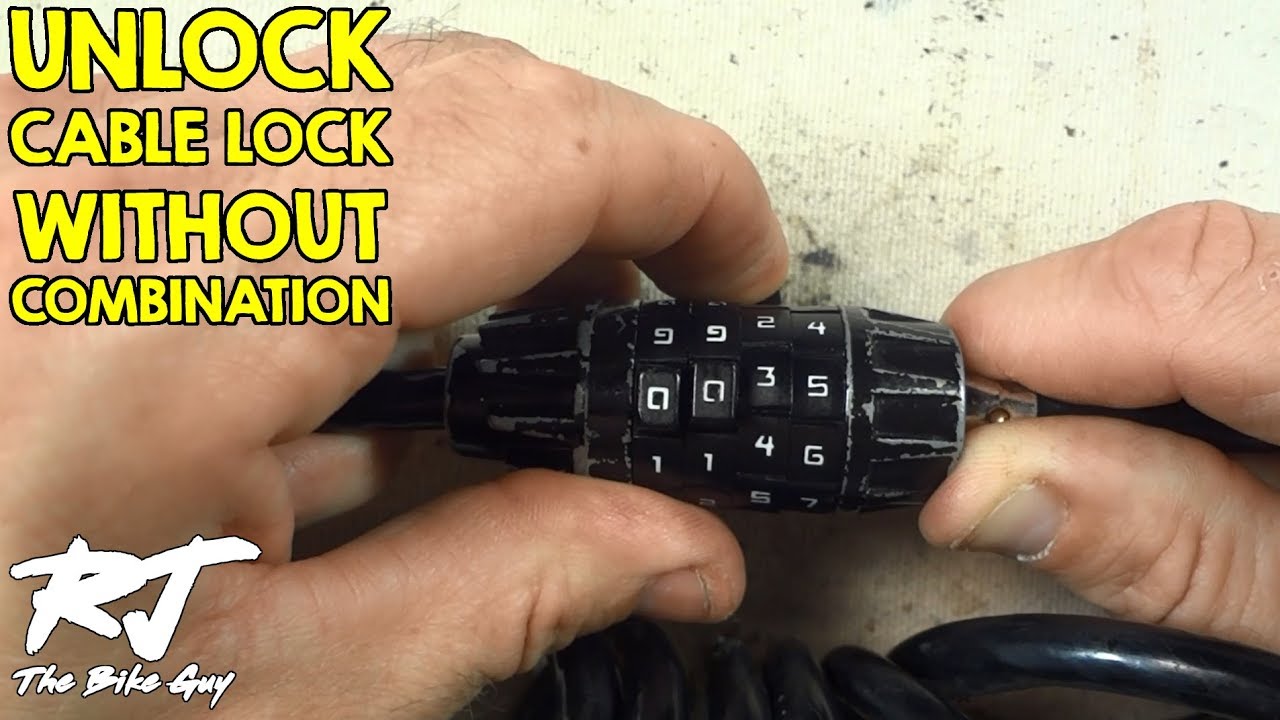
Securing combination locks is important for keeping your bike safe. These locks use a code made of numbers. Without the right code, the lock stays closed. Fixing a broken combination lock means you can use your bike again without buying a new lock.
Many combination locks let you change the code. This is useful if you forget the old code or want a new one. Learning how to reset your lock keeps it secure and easy to use.
Resetting Combinations
Start by opening the lock with the current code. Find the reset button or lever. It is often inside the lock or on the side. Press or move the reset control. Turn the dials to your new code. Release the reset button or lever. Test the new code several times. This ensures the lock works correctly. Write down your new code and keep it safe.
Troubleshooting Dial Issues
Check if the dials are stuck or hard to turn. Dirt or rust can cause problems. Clean the dials with a soft brush and some oil. Avoid using too much oil to prevent gumming up. Try turning the dials slowly to loosen them. If a dial skips numbers, realign it carefully. Make sure each number clicks into place. Repeat the cleaning if needed. Replace the lock if dials stay broken.
When To Replace The Lock
Knowing when to replace a broken bike lock is important for your bike’s safety. Some problems can be fixed. Others mean the lock is no longer safe to use. This section helps you decide if it is time to get a new lock.
Signs Of Irreparable Damage
Look for rust that eats through the metal. Rust weakens the lock and makes it easy to break. Check if the lock parts no longer move or open. Locks that jam or stay stuck often need replacement. Bent or broken parts also show the lock is damaged. Cracks in the lock body mean it can fail anytime. If your key or combination stops working, it may be beyond repair.
Choosing A New Lock
Pick a lock that fits your bike and use. U-locks offer strong protection against theft. Cable locks are lighter but less secure. Look for locks made from hardened steel for strength. Check the lock’s size to cover your bike frame and a solid object. Choose a lock with a good security rating from a trusted brand. Consider ease of use and weight for daily riding. A new lock keeps your bike safe and gives peace of mind.
Preventive Maintenance Tips
Preventive maintenance keeps your bike lock working well for a long time. Small efforts now save big problems later. A well-maintained lock is easier to open and more secure. Follow these simple tips to keep your lock in top shape.
Regular Cleaning And Lubrication
Dirt and rust can stop your bike lock from working. Clean the lock with a soft cloth to remove dust. Use a small brush to get dirt out of tight spaces. Apply lubricant to the keyhole and moving parts. This helps the lock open smoothly and stops rust from forming. Clean and lubricate your lock every few months for best results.
Safe Storage Practices
Store your bike lock in a dry place to avoid rust. Avoid leaving it exposed to rain or snow. If you store the lock on your bike, cover it with a cloth or plastic bag. This protects the lock from moisture and dirt. Keep the lock away from extreme heat or cold. Proper storage helps your lock last longer and work better.
Frequently Asked Questions
How Can I Unlock A Broken Bike Lock?
Try using bolt cutters or a lock pick set to open the lock. If these fail, consider calling a locksmith for professional help.
What Tools Are Needed To Fix A Broken Bike Lock?
You typically need pliers, screwdrivers, lubricant, and possibly replacement parts. Having bolt cutters helps if the lock is severely damaged.
Can I Repair A Jammed Bike Lock Myself?
Yes, apply lubricant to the keyhole or shackle and gently wiggle the lock. If it remains stuck, professional repair might be necessary.
How Do I Prevent Bike Lock Damage In The Future?
Regularly lubricate the lock and avoid forcing the key. Store the lock in dry places to prevent rust and wear.
Conclusion
Fixing a broken bike lock is easier than you think. Small problems often have simple solutions. Use basic tools and follow clear steps carefully. Regular care can keep your lock working longer. Don’t ignore signs of wear or damage. Taking quick action saves time and money.
Keep your bike safe and secure every day. Remember, patience and a little effort make a big difference. Now, you are ready to handle lock issues yourself.


