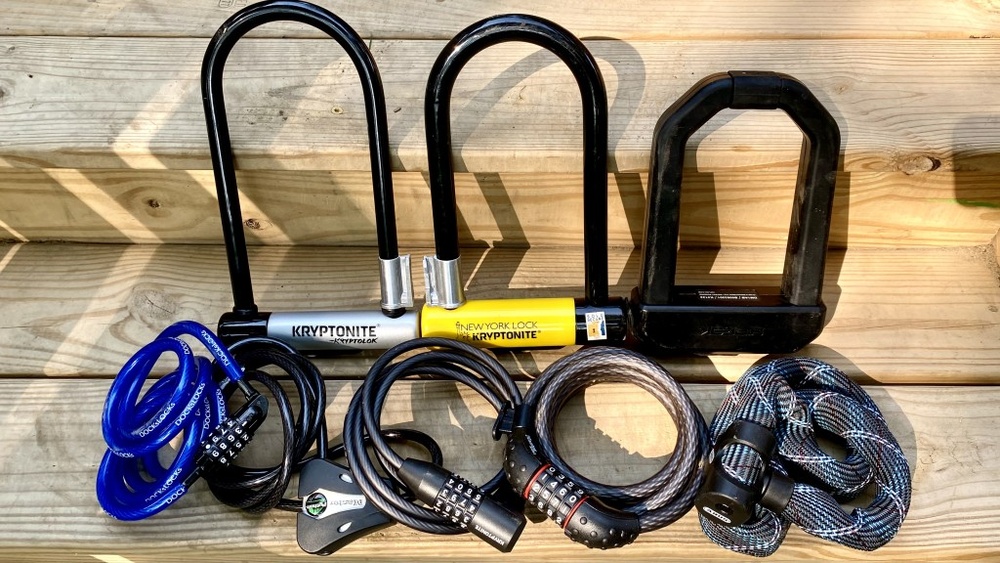
Have you ever been ready to ride, only to find your bike lock frozen solid? It’s frustrating, especially when you’re in a hurry.
But don’t worry—fixing a frozen bike lock is easier than you think. You’ll discover simple, effective steps to get your lock working again quickly. Keep reading, and you’ll never have to let a frozen lock stop your ride again.
Causes Of Frozen Bike Locks
Frozen bike locks cause frustration and delay. Knowing why locks freeze helps prevent the problem. Cold weather and moisture often cause locks to freeze. Small issues inside the lock mechanism can also lead to freezing. Understanding these causes makes it easier to fix and avoid frozen locks.
Moisture And Cold Weather
Water gets inside the lock during rain or snow. When temperatures drop, water inside the lock turns to ice. Ice blocks the moving parts of the lock. This stops the key from turning or the lock from opening. Cold weather also makes metal parts shrink and stick together. This adds to the freezing problem.
Lock Mechanism Issues
Dirt and rust can build up inside the lock. This makes the lock parts stiff and hard to move. Old or damaged locks freeze more easily. Lubricant inside the lock can dry out over time. Without lubricant, the lock parts grind and stick. These issues make the lock freeze, even in less cold weather.
Credit: ilockit.bike
Tools Needed For Thawing
Frozen bike locks are a common winter problem. Thawing them quickly helps avoid damage and frustration. Knowing the right tools makes the process easier and safer for your lock. Some tools are simple household items. Others are specialized products made for thawing frozen locks.
Common Household Items
Warm water is a useful tool. Pour it gently over the lock to melt the ice. Avoid boiling water as it can harm the lock.
Hairdryers work well to blow warm air on the frozen parts. Keep the dryer moving to prevent overheating.
Rubbing alcohol has a low freezing point. Apply a small amount to the lock to help melt ice quickly.
Hand warmers or heated cloths can provide steady heat. Wrap them around the lock for a few minutes.
Specialized Products
De-icer sprays are designed to melt ice fast. Spray directly into the lock keyhole and let it work.
Lock lubricants with anti-freeze properties protect and thaw locks. Use them after thawing to keep the lock smooth.
Portable lock thawing tools use electric heat safely. These tools are ideal for frequent cyclists in cold areas.
Gel-based thawing agents stick to the lock. They melt ice slowly and keep the lock warm longer.
Quick Thawing Techniques
Frozen bike locks can be a real hassle during cold weather. Quick thawing techniques help you unlock your bike fast. These methods use simple tools and safe ways to warm the lock. Follow these easy steps to get moving again.
Using Warm Water
Warm water can melt ice inside the lock quickly. Use water that is warm, not hot, to avoid damage. Pour it slowly over the lock and wait a few minutes. Try turning the key gently after the ice melts. Repeat if needed, but avoid soaking the lock too long.
Applying Heat Safely
Heat can thaw the lock, but use it carefully. A hairdryer works well to warm the lock without harm. Keep the dryer a few inches away and move it around. Avoid using open flames or high heat sources. They can damage the lock or your bike.
Using De-icer Sprays
De-icer sprays are made to melt ice fast. Spray the lock generously and wait a moment. The chemicals break down ice inside the mechanism. After spraying, try to turn the key gently. Use only products made for locks and follow instructions.
Preventing Future Freezing
Frozen bike locks can cause big problems, especially on cold mornings. Preventing future freezing saves time and stress. Some simple steps help keep your lock working smoothly all winter. Protect your lock before the cold arrives. These tips are easy to follow and very effective.
Lubrication Tips
Use a silicone-based lubricant to keep the lock moving freely. Avoid oil-based products that attract dirt and freeze. Spray lubricant into the keyhole and shackle regularly. This creates a protective layer against moisture and ice. Lubricate the lock before winter starts and repeat every month.
Protective Covers
Cover your bike lock with a waterproof sleeve or cap. These covers stop snow and rain from reaching the lock. A simple plastic bag can work as a temporary cover. Keep the lock dry to prevent ice from forming inside. Store the bike in a sheltered spot to reduce exposure.
Regular Maintenance
Check your bike lock often for signs of wear or dirt. Clean the lock with a soft brush to remove debris. Dry the lock thoroughly if it gets wet. Test the lock’s function regularly to catch problems early. Proper care extends the lock’s life and prevents freezing.
When To Seek Professional Help
Some frozen bike locks need more than home fixes. Knowing when to call a professional saves time and avoids damage.
Trying to force a stuck lock can break it or your bike. Experts have the right tools and skills to open frozen locks safely. Watch for warning signs to decide when to get help.
Signs Of Lock Damage
Rust or corrosion on the lock shows wear and tear. Bent or broken parts mean the lock is weak. If the key won’t turn or gets stuck, the lock might be damaged inside. Cracks or dents on the lock body also warn of damage.
Frozen locks that don’t respond to thawing attempts need checking. A damaged lock can fail anytime, risking bike safety. Don’t force it open; this can worsen the problem.
Finding A Locksmith
Choose a locksmith who works with bike locks. Check reviews and ask about their experience. Quick response time is important to avoid long delays. Some locksmiths offer mobile service and come to your location.
Make sure the locksmith uses safe tools that won’t harm your bike. Ask about prices before the work starts. Clear communication helps avoid surprises and ensures proper service.
Credit: www.reddit.com

Credit: thebestbikelock.com
Frequently Asked Questions
How Do I Thaw A Frozen Bike Lock Quickly?
Use warm water or a hairdryer to gently thaw the lock. Avoid hot water or flames to prevent damage. Applying a lubricant like WD-40 after thawing helps prevent refreezing and keeps the lock functional.
What Causes A Bike Lock To Freeze In Winter?
Moisture inside the lock freezes due to cold temperatures. Water trapped in the lock mechanism expands when frozen, causing it to seize. Regular lubrication and keeping the lock dry can prevent freezing issues.
Can I Use Wd-40 To Fix A Frozen Bike Lock?
Yes, WD-40 helps displace moisture and lubricate the lock mechanism. Spray it into the keyhole and shackle to loosen frozen parts. It also prevents rust and future freezing, making it an effective solution.
Is It Safe To Use Hot Water On A Frozen Bike Lock?
Avoid using hot water as it can damage the lock’s internal components. Warm water is safer and effective for gradual thawing. Using heat sources like flames may cause permanent damage to the lock.
Conclusion
Frozen bike locks can be fixed with simple steps. Use warm water or a hairdryer to melt ice. Apply lubricant to keep the lock working smoothly. Avoid using too much force to prevent damage. Regular maintenance helps prevent freezing problems.
Stay patient and gentle while handling the lock. These tips will save time and frustration. Keep your bike secure all winter long.