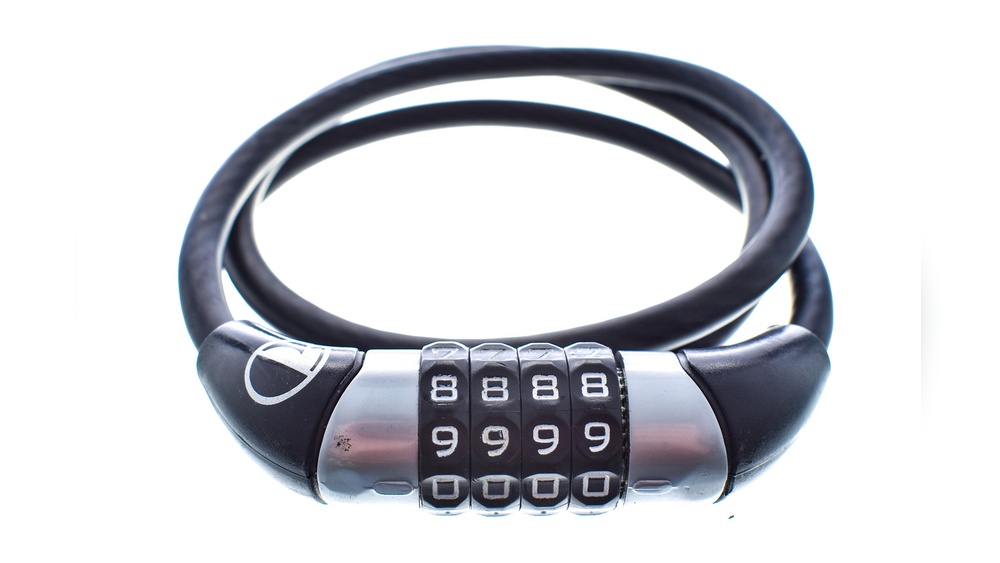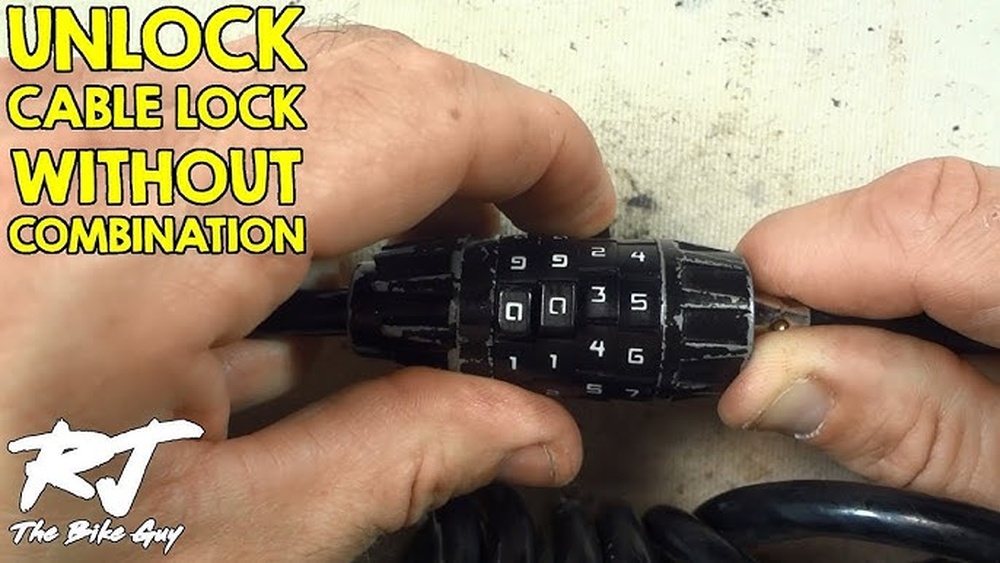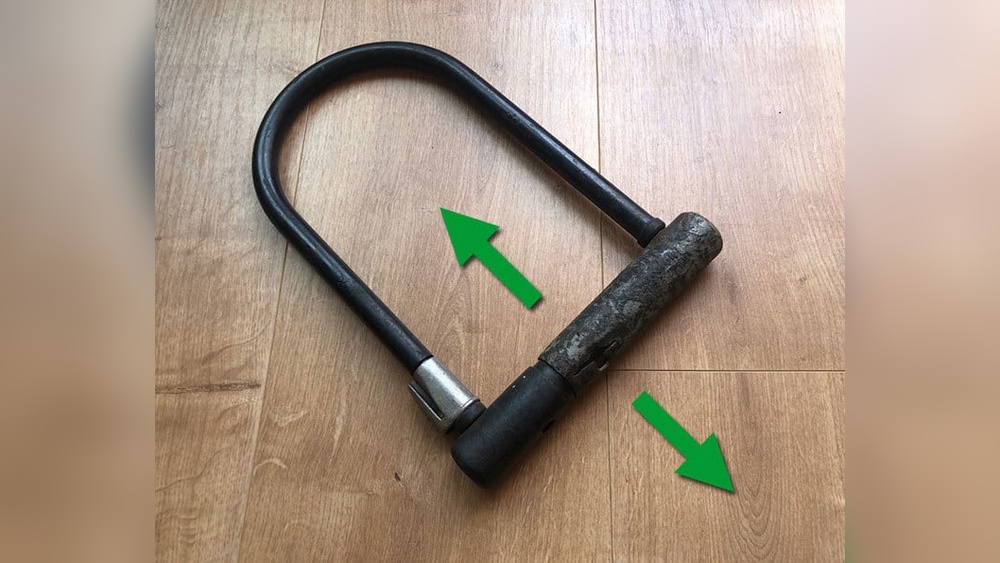
Is your bike lock looking rusty and hard to open? Rust not only makes your lock look bad, but it can also stop it from working properly when you need it most.
If you want to save your lock and keep your bike safe, you need the right steps to remove that rust quickly and easily. You’ll discover simple, effective ways to get rust off your bike lock so it works smoothly again.
Keep reading to learn how you can protect your bike without buying a new lock!
Causes Of Rust On Bike Locks
Rust on bike locks is a common problem that many cyclists face. Understanding why rust forms helps prevent damage and keeps locks working well. Rust weakens metal and can make locks hard to open. Knowing the causes can save time and money.
Exposure To Moisture
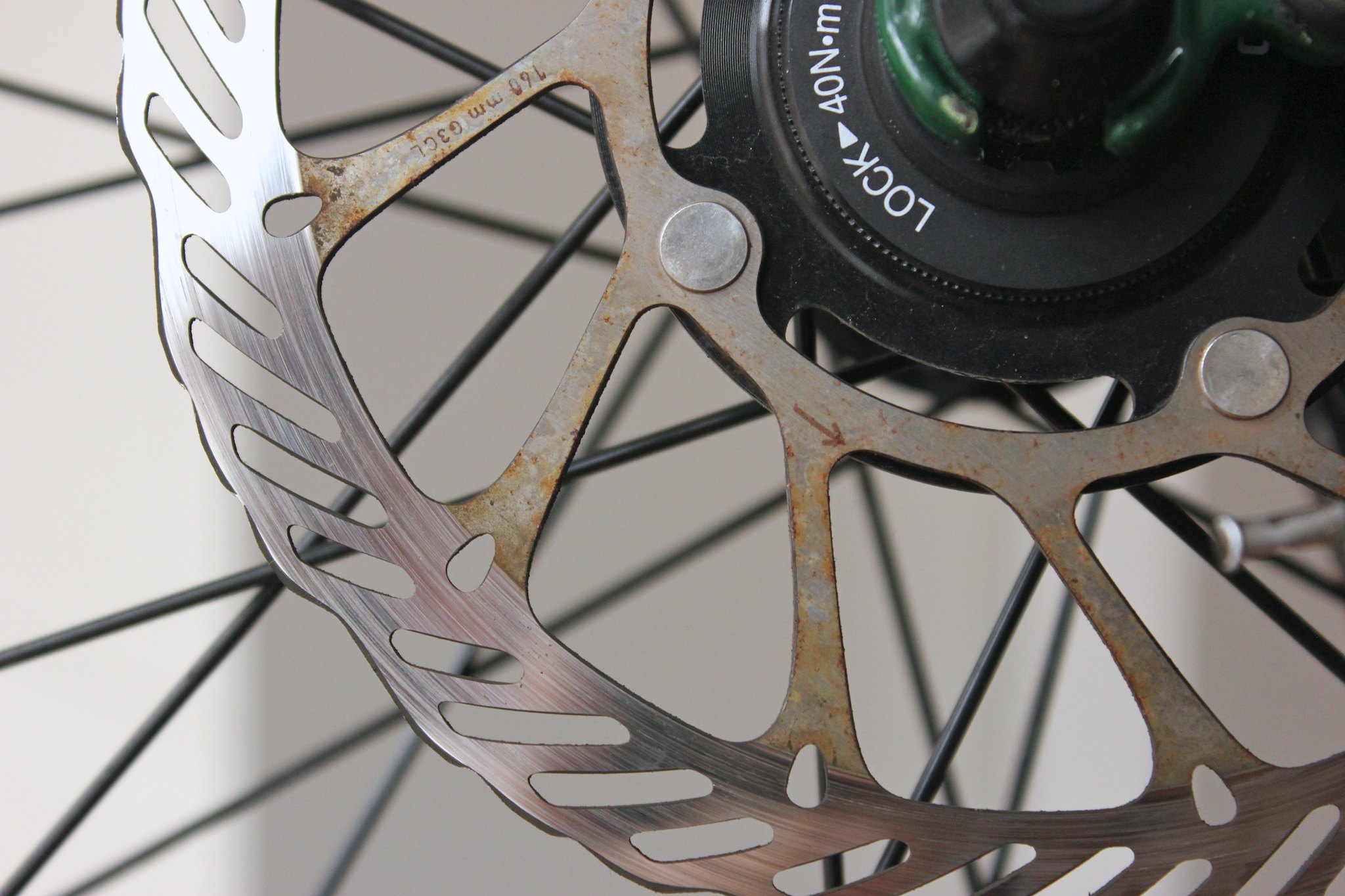
Moisture is the main cause of rust on bike locks. Rain, dew, and humidity make metal react with oxygen. This reaction creates rust over time. Leaving a lock outside without cover increases rust risk. Water trapped in small parts speeds up rust formation.
Lack Of Maintenance
Not cleaning or oiling the lock invites rust. Dirt and grime hold moisture on metal surfaces. Regular maintenance removes these harmful elements. Lubricating the lock prevents moisture from sticking. Skipping care allows rust to grow unnoticed.
Material Quality
Lower quality metals rust faster than good ones. Cheap locks often use metals that lack rust protection. Stainless steel or coated metals resist rust better. Choosing a lock made from quality materials reduces rust problems. Poor materials wear down quickly under weather stress.
Tools And Supplies Needed
Removing rust from a bike lock needs specific tools and supplies. Having the right items makes the job easier and faster. Gather everything before starting the cleaning process. This helps avoid interruptions and keeps your work safe and effective.
Rust Removers
Rust removers are chemicals made to dissolve rust quickly. They come in liquids, gels, or sprays. Choose one that works well on metal. Some rust removers use natural ingredients. Others have stronger chemicals for tough rust. Follow the product instructions closely for best results.
Household Items
Many household items can help remove rust too. White vinegar is acidic and breaks rust down. Baking soda makes a gentle paste for scrubbing. Lemon juice also has acid that can clean rust. Steel wool or a wire brush helps scrub rust off. These items are easy to find and cost little.
Protective Gear
Protective gear keeps you safe during rust removal. Gloves protect your hands from chemicals and sharp edges. Safety glasses stop dust and splashes from reaching your eyes. Work in a well-ventilated space to avoid breathing fumes. Wear old clothes to prevent stains or damage.
Quick Rust Removal Methods
Rust on a bike lock can be annoying and damage the lock’s function. Quick rust removal methods help clean the lock fast. These methods use simple home ingredients. Each method is easy to try and works well to remove rust.
Using Vinegar Soak
Vinegar is acidic and breaks down rust. Soak the bike lock in white vinegar for a few hours. After soaking, scrub the lock with a brush or cloth. Rinse the lock with water and dry it well. This method removes surface rust gently and quickly.
Applying Baking Soda Paste
Baking soda is a mild abrasive that helps scrub rust away. Mix baking soda with water to make a thick paste. Apply the paste to rusty areas on the bike lock. Let it sit for 15 minutes. Use a brush or sponge to scrub the rust off. Rinse and dry the lock to finish.
Lemon Juice And Salt Technique
Lemon juice and salt create a natural rust remover. Sprinkle salt on the rusty parts of the lock. Squeeze fresh lemon juice over the salt. Let the mixture sit for 2 hours. Scrub the rust gently with a brush. Wash the lock with water and dry it fully.
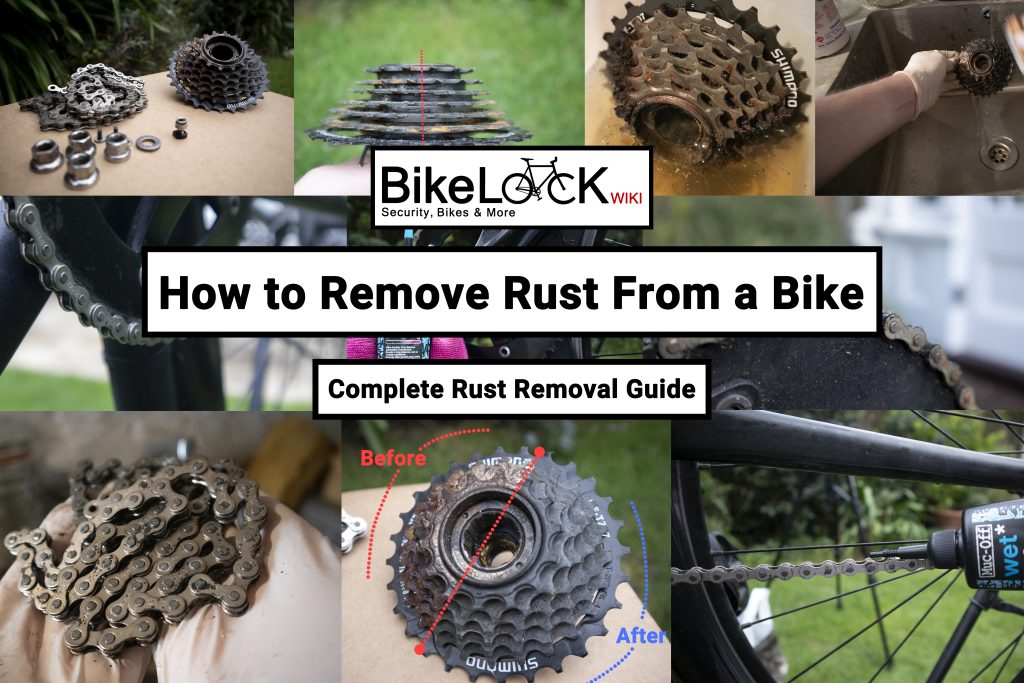
Credit: www.sietesetenta.com.ar
Mechanical Rust Removal
Mechanical rust removal works well for bike locks with surface rust. It means using tools to scrape or rub off rust. This method is simple and does not need chemicals. You can restore your lock’s look and function by removing rust manually.
Scrubbing With Steel Wool
Steel wool is great for light rust on bike locks. Rub the rusty parts gently using fine steel wool. It removes rust without scratching the metal. Use slow, circular motions for better results. Wipe the lock clean with a cloth after scrubbing. Repeat if rust remains.
Using Sandpaper
Sandpaper works well for tougher rust spots. Choose a fine or medium grit paper to avoid damage. Rub the rusty area with smooth, even strokes. Focus only on rusted parts to protect the paint. Clean the lock with a damp cloth to remove dust.
Wire Brush Approach
A wire brush is effective for heavy rust buildup. Use a small, stiff wire brush to scrub the lock. Apply firm pressure but avoid bending the metal. Brush in one direction to lift rust flakes. After brushing, wipe the lock clean for best results.
Preventing Future Rust
Rust can damage your bike lock and make it hard to use. Preventing rust is easier than removing it later. Taking small steps helps keep your lock strong and working well. Follow these tips to stop rust from coming back.
Regular Cleaning
Clean your bike lock often to remove dirt and moisture. Use a soft cloth and mild soap with water. Dry the lock completely after cleaning. Dirt and water left on the lock cause rust to form fast.
Applying Lubricants
Apply lubricant to the lock’s moving parts regularly. Use a lubricant made for metal locks. It stops moisture from causing rust. Lubricants also help the lock open and close smoothly.
Proper Storage Tips
Store your bike lock in a dry place when not in use. Avoid leaving it outside in rain or snow. If you must leave it outdoors, cover it with a waterproof cloth. Keep the lock away from wet grass or dirt.
Credit: kdfoundation.org
When To Replace The Bike Lock
Knowing when to replace your bike lock is important for keeping your bike safe. Rust can weaken the lock over time. Some rust can be cleaned off, but sometimes the lock is too damaged. Replacing the lock helps avoid theft and hassle. Watch for signs that your lock is no longer secure or working well.
Signs Of Severe Damage
Check the lock for deep rust spots or cracks. If the metal feels weak or brittle, it is unsafe. The lock may not open smoothly or may jam often. Rust inside the keyhole is another warning. These signs mean the lock is beyond repair and needs replacement.
Security Concerns
A rusty lock is easier to break. Thieves can cut or pick it more quickly. Your bike’s safety depends on a strong lock. If the lock looks old or worn, it can attract theft. Replace the lock to keep your bike protected.
Cost Vs. Repair
Fixing a rusty lock may cost more than buying a new one. Cleaning and lubricating only work for mild rust. Severe rust may need parts replaced or special tools. A new lock often costs less and lasts longer. Consider the price and your peace of mind before fixing an old lock.
Credit: www.galaxus.at
Frequently Asked Questions
How Can I Remove Rust From A Bike Lock Quickly?
Use white vinegar or lemon juice to soak the lock. Scrub gently with a wire brush. Rinse and dry thoroughly to prevent further rust.
What Household Items Work Best To Clean Rusty Bike Locks?
White vinegar, baking soda, lemon juice, and aluminum foil are effective. These items break down rust and restore the lock’s surface safely.
Is It Safe To Use Wd-40 On Rusty Bike Locks?
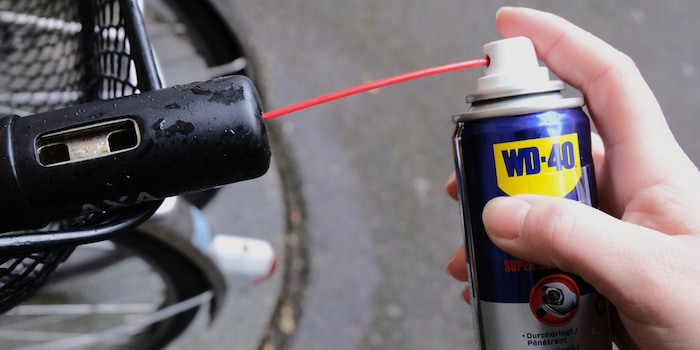
Yes, WD-40 helps loosen rust and lubricates the lock. Spray it on, wait a few minutes, then scrub and wipe clean for best results.
How Often Should I Prevent Rust On My Bike Lock?
Regular maintenance every few months helps. Clean, dry, and lubricate your lock to prevent rust and ensure smooth operation over time.
Conclusion
Rust on a bike lock can cause trouble. Cleaning it early keeps the lock working well. Use simple tools like vinegar or baking soda. Scrub gently to avoid damage. Dry the lock after cleaning to stop rust again. Regular care helps your lock last longer.
Rust removal is easy with the right steps. Keep your bike safe by maintaining the lock often. A little effort goes a long way.