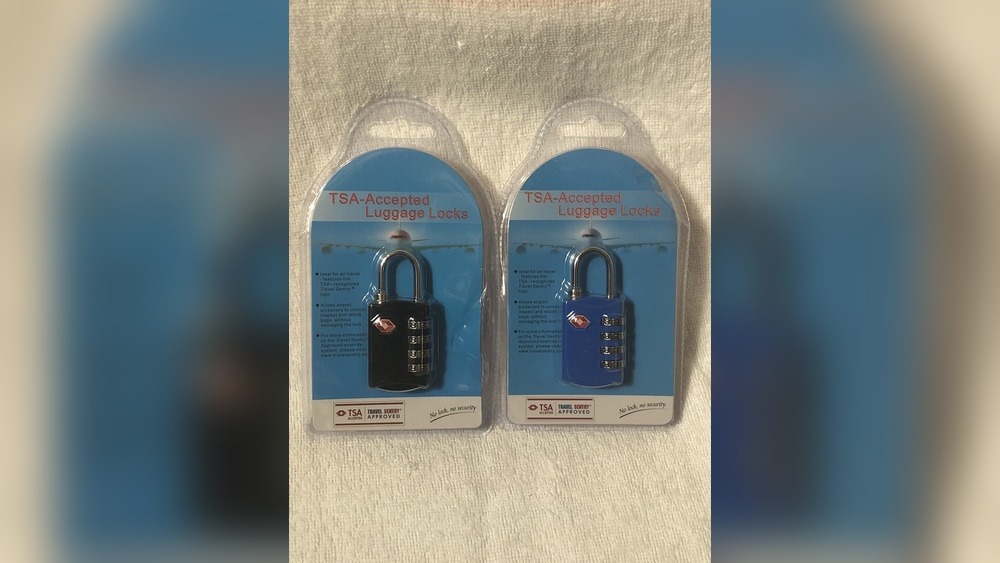
You rely on your bike lock to keep your bike safe, but how often do you check if it’s actually doing its job? Knowing how to inspect a bike lock can save you from costly surprises and protect your prized ride.
You’ll discover simple, effective steps to spot problems before they become serious. By the end, you’ll feel confident that your lock is as strong as it looks—and ready to keep your bike secure every time. Keep reading to learn how to make sure your bike lock is up to the task.
Credit: www.outdoorgearlab.com
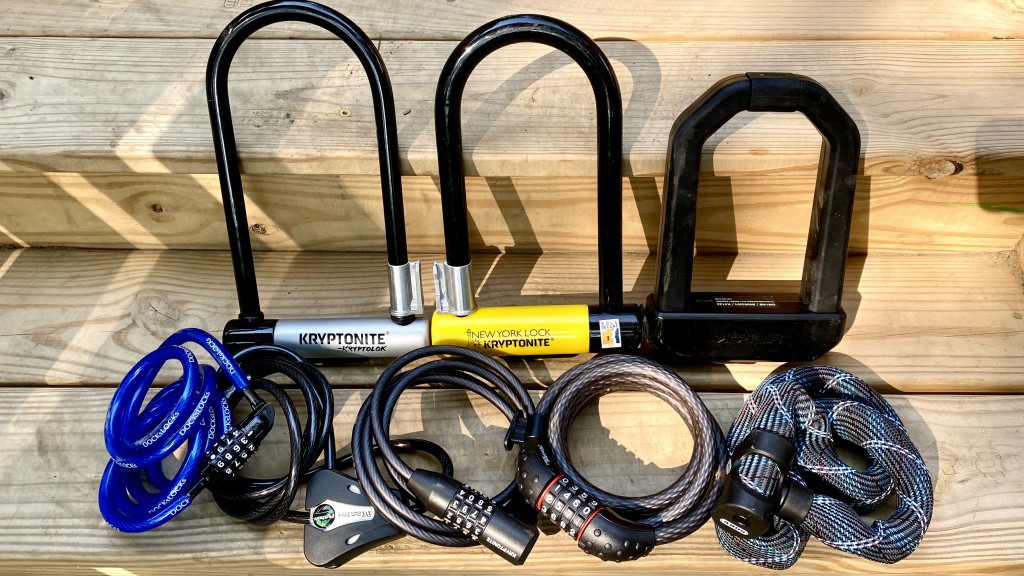
Types Of Bike Locks
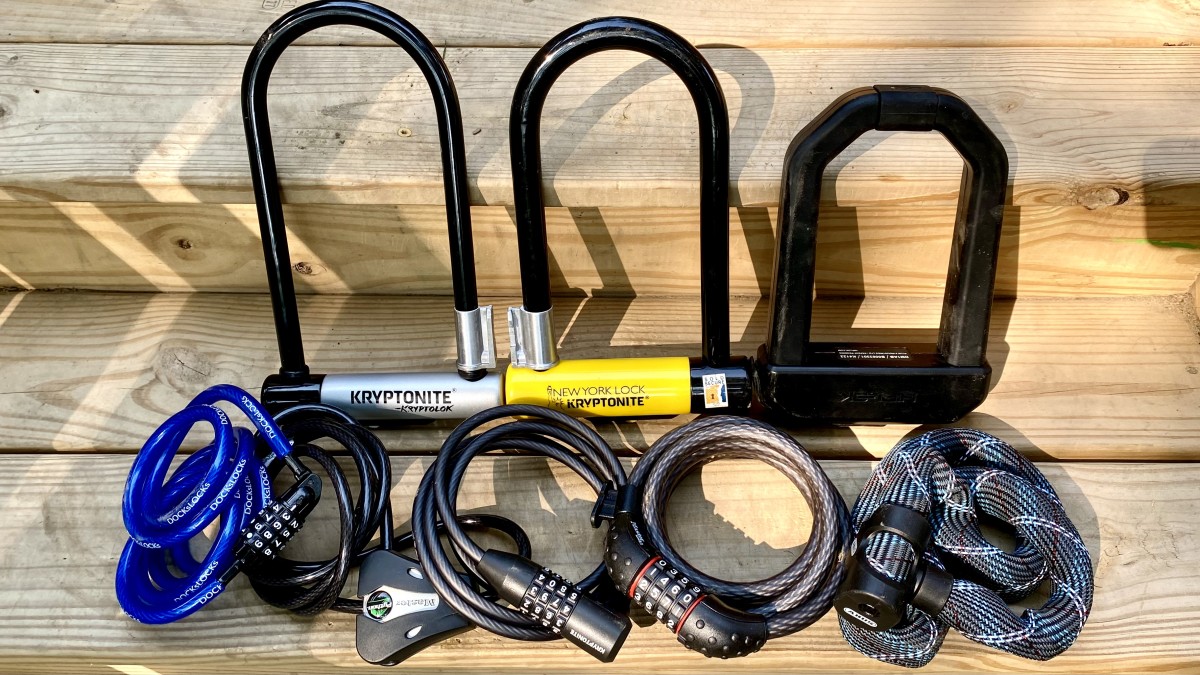
Bike locks come in different styles. Each type offers unique protection levels. Choosing the right one depends on where you park and how long you leave your bike.
U-locks
U-locks are shaped like a letter “U.” They are very strong and hard to break. Many cyclists trust U-locks for high security. These locks fit tightly around the bike and a fixed object. Their solid metal design resists cutting tools.
Chain Locks
Chain locks use heavy metal links. They are flexible and can wrap around large objects. Chains offer strong protection, especially if thick and made from hardened steel. Some chains come with protective covers to avoid bike scratches.
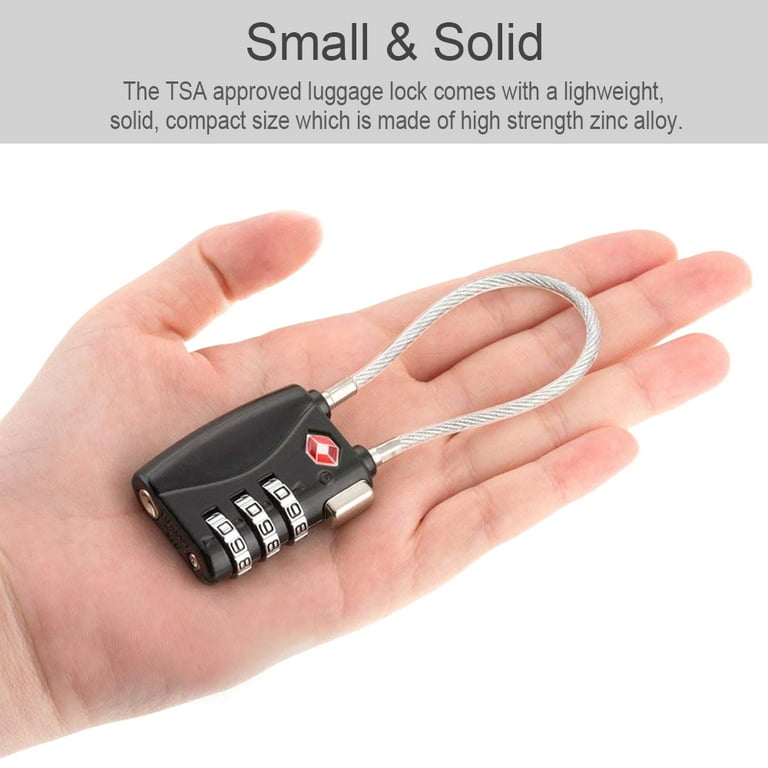
Cable Locks
Cable locks consist of braided steel wires covered in plastic. They are light and easy to carry. Cable locks are useful for low-risk areas or quick stops. They are less secure than U-locks or chains but better than no lock.
Folding Locks
Folding locks have connected metal plates that fold into a compact shape. They balance security and portability well. Folding locks fit easily in bags or on frames. Their design allows locking to many different objects.
Key Features To Check
Checking a bike lock before buying is important. It helps to keep your bike safe. Some key features decide how strong and useful a lock is. Knowing what to check makes it easier to pick the right one.
Locking Mechanism
The locking mechanism is the heart of the lock. It should work smoothly without sticking. Check if it uses a key or a combination. Keys should fit well and turn easily. Combination locks must have clear numbers. A good lock stops thieves from opening it quickly.
Material Quality
Strong material means better security. Look for hardened steel or thick metal parts. Cheap plastic or thin metals break fast. Rust-resistant materials last longer outside. Good quality materials protect your bike from cutting tools.
Thickness And Weight
Thicker locks are harder to cut. But very heavy locks can be hard to carry. Find a balance between thickness and weight. A lock that is too light may not be strong enough. Choose a lock that feels solid in your hand.
Flexibility And Portability
Flexibility helps to lock your bike in many places. Chain and cable locks bend and wrap easily. Rigid U-locks are less flexible but very strong. Portability means the lock is easy to carry. Look for locks with carrying cases or straps.
Visual Inspection Tips
Performing a visual inspection on your bike lock is a key step in keeping your bike safe. This check helps find problems early. It also shows if the lock still works well. Focus on parts that face stress and weather. These areas often show damage first. Take time to look over every part carefully. Your bike lock’s security depends on this simple step.
Signs Of Wear And Tear
Check the lock’s body and shackle for scratches or dents. These marks may mean the lock was forced open. Look for cracks or bends. These signs show the lock is weak. Small damage can get worse fast. Notice if the lock feels loose or shaky. A firm lock is a strong lock.
Rust And Corrosion
Rust can ruin your bike lock quickly. Examine metal parts for orange or brown patches. Rust weakens the metal and causes breaks. Corrosion may appear as white or green powder on some locks. It can stop the lock from turning smoothly. Clean rust spots to slow damage. Severe rust means it’s time to replace the lock.
Damage To Locking Parts
Look closely at the keyhole and locking mechanism. Dirt or broken parts may block the key. Try turning the key gently. If it sticks or won’t turn, something is wrong. Check the locking pins and springs if visible. These parts must move freely for good security. Broken or bent pieces can make the lock useless.
Testing Lock Functionality
Testing the functionality of your bike lock is essential to ensure your bike stays safe. A lock that works smoothly and correctly gives you peace of mind. This section explains how to check different parts of your lock for proper operation.
Key Operation
Insert the key gently into the lock. It should slide in without force. Turn the key slowly to see if it moves easily. The lock should open and close without sticking. If the key feels stuck or hard to turn, the lock may need cleaning or repair.
Combination Dials
For combination locks, rotate each dial carefully. Check if the numbers align smoothly. The dials should not feel loose or too tight. Set the correct code and try opening the lock. Reset the dials and test multiple times to confirm reliability.
Locking And Unlocking Smoothness
Engage the lock fully and then unlock it several times. The process should be smooth, without jerks or resistance. Listen for any unusual sounds like grinding. Smooth action means the lock mechanism is working well. Rough or stiff movement might signal internal damage.
Evaluating Security Level
Checking a bike lock’s security is important for protecting your bike. Not all locks stop thieves equally. Some locks are stronger and harder to break.
Knowing how to evaluate a lock’s security helps you choose the best one. Focus on key features that show strength and reliability.
Resistance To Cutting Tools
Strong locks resist cutting tools like bolt cutters and saws. Look for thick, hardened steel shackles. Thin or soft metals break quickly.
Test locks by tapping the metal. Solid steel sounds firm. Cheap metal sounds hollow or light. This tells you about its strength.
Resistance To Picking
Some locks have complex mechanisms to stop picking. Simple locks open easily with basic tools. Complex locks take more time to pick.
Check if the lock uses disc detainers or tubular keys. These types are harder to pick than standard pin tumbler locks.
Security Ratings And Certifications
Look for security ratings from trusted organizations. Ratings show how well a lock stands up to attacks. Examples include Sold Secure and ART.
Certified locks pass tests against cutting, picking, and other break-in methods. A higher rating means better protection for your bike.
Maintenance For Longevity
Proper maintenance keeps your bike lock working well for years. Regular care stops rust and jams. It also makes locking and unlocking easier. Small steps in maintenance extend your lock’s life and protect your bike.
Lubricating Locks
Use a lubricant made for locks or light oil. Apply a small amount inside the keyhole and moving parts. Turn the key several times to spread the oil. Lubrication prevents rust and keeps parts moving smoothly. Avoid heavy grease as it can attract dirt.
Cleaning Techniques
Remove dirt and grime with a soft brush or cloth. Clean the keyhole with compressed air or a toothpick carefully. Avoid water inside the lock; it can cause rust. Wipe the lock dry after cleaning. Regular cleaning stops buildup that can block the mechanism.
Storage Tips
Store your lock in a dry place when not in use. Avoid leaving it outside in rain or snow. Use a protective cover to keep dirt and moisture away. Proper storage reduces wear and protects the lock’s finish. Keep it away from extreme heat or cold to prevent damage.
Choosing The Right Lock For Your Needs
Choosing the right lock for your bike is very important. The right lock protects your bike from theft. It also gives peace of mind. A good lock matches your bike and your daily needs. Think about your bike type, where you park, and your budget. These factors help you pick the best lock.
Matching Lock To Bike Type
Different bikes need different locks. A heavy mountain bike needs a strong lock. A lightweight road bike can use a lighter lock. Electric bikes should have very strong locks. Choose a lock that fits your bike frame well. The lock should secure both the frame and wheels.
Considering Theft Risk
Think about where you leave your bike. High-risk areas need stronger locks. Busy city streets have more theft chances. Quiet neighborhoods may need less security. Use a lock that matches the risk level. Better locks slow down thieves and protect your bike longer.
Budget Vs Security
Locks come in many price ranges. Cheaper locks are easy to carry but less secure. Expensive locks offer better protection. Balance your budget with how much security you want. Sometimes spending more saves money by preventing theft. Choose a lock that feels right for your money.
Credit: www.walmart.com
Credit: www.outdoorgearlab.com
Frequently Asked Questions
How Do I Check A Bike Lock’s Durability?
Test the lock’s build quality by inspecting materials and joints. Look for rust, cracks, or weak points that compromise strength.
What Tools Help Inspect A Bike Lock Effectively?
Use a flashlight to see small details. A magnet can test metal type, and a small wrench checks for loose parts.
How Often Should I Inspect My Bike Lock?
Inspect your bike lock every few months or after exposure to harsh weather. Regular checks ensure it stays secure and functional.
Can I Detect Fake Bike Locks By Inspection?
Yes, check for inconsistent branding, poor welding, and low-quality materials. Genuine locks have smooth finishes and solid construction.
Conclusion
Checking your bike lock regularly keeps your bike safe. Look for rust, cracks, or loose parts. Make sure the lock opens and closes smoothly. Test the key or combination often. A well-kept lock lasts longer and works better. Spending a few minutes inspecting saves trouble later.
Stay alert to signs of damage or wear. Protect your bike by keeping its lock in good shape. Simple steps make a big difference for your bike’s security. Keep your bike safe every day.

