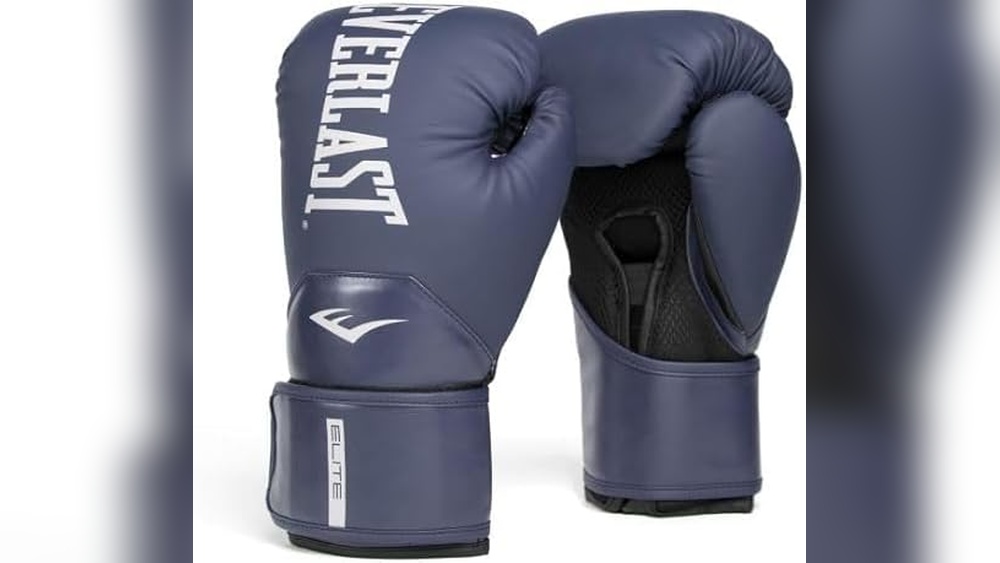
Choosing the right size boxing gloves can feel tricky, but it’s one of the most important steps to protect your hands and improve your performance. You might be wondering, “How do I know what size fits me best?” The answer isn’t just about numbers—it’s about understanding your hand size, your body weight, and how you plan to use the gloves.
In this guide, you’ll learn simple, clear steps to measure your hand and match it perfectly with the right glove size. By the end, you’ll feel confident picking gloves that fit comfortably and keep you safe every time you train or fight.
Ready to find your perfect fit? Let’s get started!
Credit: www.dickssportinggoods.com
Measure Your Hand
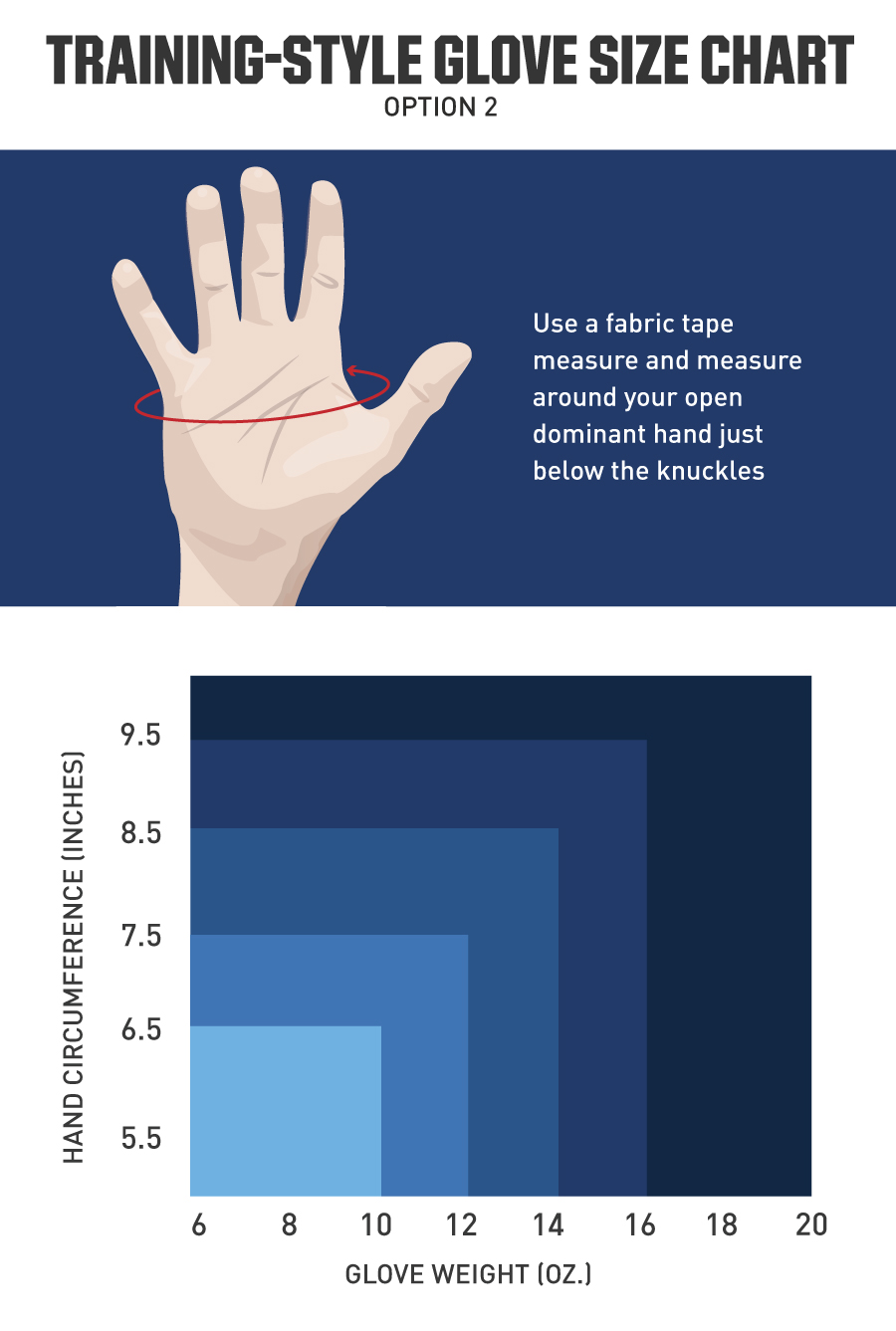
Measuring your hand is the first step in finding the right boxing glove size. It ensures comfort and protection during training or matches. Use your dominant hand for accuracy, as it is usually larger and more active.
Using A Tape Measure
Take a soft tape measure and wrap it around your hand just below the knuckles. Do not include your thumb in this measurement. Make sure the tape is snug but not tight. Note the measurement in inches or centimeters. This number helps determine the glove size you need.
Alternative Measuring Methods
If you do not have a tape measure, use a piece of string or ribbon. Wrap it around the knuckles and mark where it overlaps. Lay the string flat and measure its length with a ruler. This gives you the same result as a tape measure. Another option is to use a paper strip and follow the same steps.
Consider Your Body Weight
Your body weight plays a crucial role in choosing the right boxing gloves. Gloves come in different weights measured in ounces (oz). The glove weight affects the amount of padding and protection. Selecting gloves based on your weight helps avoid injuries and improves comfort.
Heavier gloves offer more padding but feel bulkier. Lighter gloves are faster but provide less protection. Matching glove weight to your body weight ensures a balanced fit for training or competition.
Weight And Glove Padding
Boxing gloves use padding to protect your hands and your opponent. The padding thickness usually increases with glove weight. Heavier gloves contain more padding, reducing impact force. This helps to prevent hand injuries during heavy training or sparring.
Lighter gloves have thinner padding. They are ideal for speed and precision training, like bag work or competition. Choosing the right padding level depends on your body weight and training needs.
Matching Ounce Weight To Body Weight
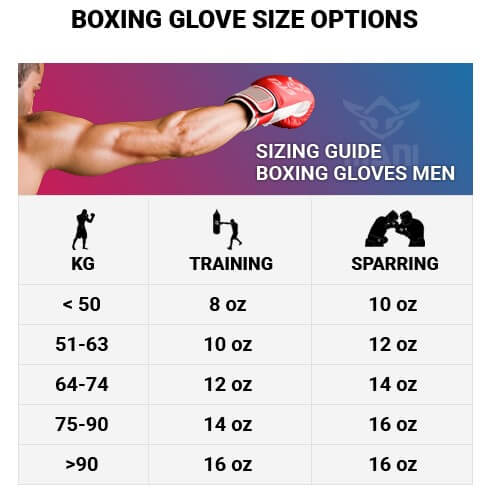
Use your body weight to pick the right glove ounces. For example, boxers under 120 pounds often use 10-12 oz gloves. Those between 120 and 150 pounds might choose 12-14 oz gloves. Above 150 pounds, 14-16 oz gloves provide better protection.
This rule helps balance hand protection and glove size. Heavier boxers need more padding to absorb stronger punches. Lighter boxers benefit from lighter gloves to maintain speed and agility.
Determine Glove Purpose
Knowing the purpose of your boxing gloves helps pick the right size. Gloves serve different needs. Each type needs specific padding and fit. Choosing the right glove type improves comfort and performance.
Sparring Gloves
Sparring gloves protect both you and your partner during practice. They have extra padding to reduce injury risk. These gloves are usually heavier, from 14 to 16 ounces. The extra weight helps cushion the impact. Choose gloves that allow good wrist support and comfort.
Bag Gloves
Bag gloves are designed for hitting heavy bags or pads. They have less padding than sparring gloves. Their main job is to protect your hands from impact. Bag gloves are lighter, often 12 to 14 ounces. They fit snugly to keep your hands stable during punching.
Competition Gloves
Competition gloves follow strict rules about weight and size. These gloves are lighter, usually 8 to 10 ounces. They allow faster and stronger punches in matches. The fit is tighter to increase control. Make sure to check your event’s glove requirements before buying.
Try Gloves With Hand Wraps
Trying gloves with hand wraps is a key step in finding the right boxing glove size. Hand wraps add extra padding and support to your hands. This changes how gloves feel and fit. Always wear your hand wraps when testing gloves. This ensures you pick gloves that fit well during actual training or fights.
Ensuring A Snug Fit
Gloves should fit snugly over your wrapped hands. A tight fit keeps your hands secure inside the glove. Gloves that are too loose can slip and cause injury. You want the gloves to hold your hands firmly but not squeeze too hard. Try moving your fingers inside the gloves. They should feel supported without pinching your skin.
Room For Fist Movement
Make a fist while wearing gloves and wraps. Your hand must close comfortably without tight spots. The gloves should allow slight movement of your fingers. Too much space inside the glove can reduce control. Too little space can hurt your knuckles and restrict movement. Aim for a balanced fit that protects and allows natural fist formation.
Use Size Charts
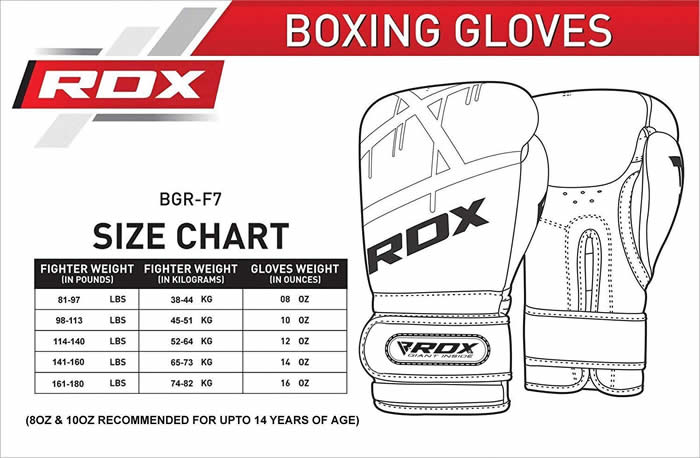
Using size charts is the simplest way to find the right boxing glove size. These charts match your hand measurement and weight to the glove size. Size charts help avoid guesswork and ensure comfort and protection. Each brand has its own sizing guide, so checking the right chart matters a lot.
Brand-specific Charts
Every boxing glove brand creates its own size chart. These charts show the glove weight in ounces and the hand circumference it fits. Some brands may use slightly different measurements for the same glove size. Checking the brand’s chart before buying helps you pick the perfect fit. Follow the chart closely to avoid gloves that are too loose or tight.
Comparing Different Brands
Sizes vary between brands, so comparing charts is important. One brand’s 14-ounce glove may feel different from another’s. Look at the hand measurement and weight recommendations on each chart. Compare these details side by side before choosing. This comparison helps find gloves that suit your hand size and training style. Always trust the size chart over the glove label alone.
Understand Glove Weight
Boxing gloves come in different weights, shown in ounces (oz). The glove weight affects how much padding is inside. It also changes how the gloves feel and perform. Choosing the right glove weight helps protect your hands and your opponent. It also matches your training goals and body size.
Knowing glove weight is key to picking the right boxing gloves. The right weight gives you comfort and safety. It makes your training or fight more effective. Below are details to help you understand glove weights better.
Ounce Ratings Explained
Glove weight is measured in ounces, usually from 8 oz to 20 oz. The number shows the glove’s padding amount. Lower ounces mean lighter gloves with less padding. Higher ounces mean heavier gloves with more padding.
Light gloves (8-10 oz) are common for competition. Heavier gloves (14-20 oz) are used for training and sparring. The choice depends on your hand size, weight, and training style. Smaller hands often use lighter gloves. Bigger hands need heavier gloves for better protection.
Impact On Protection And Performance
Heavier gloves provide more padding. This helps reduce injury risk during practice. They slow down punches slightly but protect your knuckles and wrists. Lighter gloves allow faster punches and better speed. They offer less protection but improve agility.
Training with the right glove weight improves your skills safely. It helps build strength and endurance. Using gloves too light or too heavy can cause discomfort or injury. Match glove weight to your body weight and purpose. This keeps you safe and improves performance.
Common Sizing Mistakes
Choosing the right size for boxing gloves is vital for comfort and protection. Many beginners make common sizing mistakes that affect their performance and safety. Understanding these errors helps in picking gloves that fit well and support your training.
Choosing Too Small
Small gloves feel tight and limit hand movement. They cause discomfort during punches. Tiny gloves reduce padding, increasing the risk of hand injuries. Wearing gloves that are too small also cuts off blood flow. This leads to numbness and fatigue in your hands. Avoid gloves that make your fists feel squeezed or cramped.
Choosing Too Large
Large gloves feel loose and unstable. They make it harder to control punches. Big gloves can slip off or shift during training. Extra space inside reduces shock absorption. This puts your knuckles and wrists at risk. Loose gloves make it difficult to form a solid fist. Do not pick gloves that feel baggy or fall off easily.
Credit: m.jornalismonasempresas.com
Tips For Buying Online
Buying boxing gloves online can be tricky without trying them on first. Knowing the right size saves money and hassle. Use these tips to make smart choices. They help you find gloves that fit well and feel comfortable.
Checking Return Policies
Always check the return policy before buying. Some stores allow easy returns if the gloves don’t fit. Look for free returns or exchanges. This reduces risk and helps you shop with confidence. Read the fine print to know the conditions. A clear return policy means you can try gloves at home.
Reading Customer Reviews
Customer reviews offer real insights about fit and comfort. See what others say about the glove size accuracy. Look for comments from people with similar hand size or weight. Reviews can reveal if gloves run small or large. Pay attention to repeated feedback on quality and durability too. Honest reviews guide you to the best choice.
Credit: rdxsports.com
Frequently Asked Questions
How Do I Know What Size Boxing Gloves To Get?
Measure your dominant hand’s circumference around knuckles. Match it with your body weight and glove purpose. Use brand size charts for accuracy. Try gloves with hand wraps to ensure a snug, comfortable fit allowing fist closure. Choose the glove ounce based on these factors for the best size.
What Do 14 Oz Gloves Mean In Boxing?
14 oz boxing gloves weigh 14 ounces. They provide balanced padding, ideal for training, sparring, and protecting hands during workouts.
Are 14oz Gloves Bigger Than 12oz?
Yes, 14oz gloves are bigger and heavier than 12oz gloves. They provide more padding and protection.
Should I Get 12 Oz Or 16 Oz Boxing Gloves?
Choose 12 oz gloves for lighter padding and speed, ideal for training or bag work. Pick 16 oz gloves for better wrist support and protection, perfect for sparring. Match glove size with your hand measurement and body weight for the best fit and comfort.
Conclusion
Choosing the right boxing glove size protects your hands and improves performance. Measure your dominant hand’s circumference carefully for accuracy. Factor in your body weight to find the proper glove weight. Always try gloves on with hand wraps for a comfortable fit.
Use size charts from trusted brands to guide your choice. A well-fitted glove feels snug, yet allows fist movement. This simple process ensures safety and comfort during training. Keep these tips in mind for a better boxing experience.